2018 Audi S5 Wheel Fitment Guide
Known OEM Fitment For 2018 Audi S5
The details below reflect a documented factory configuration for the 2018 Audi S5. Actual equipment can vary by trim, package, and market. Always confirm your vehicle’s exact specs using the on-vehicle placard, the owner’s manual, and the calculator on this page before buying wheels or tires.
| Bolt pattern | 5x112 |
| Center bore | 66.5 mm |
| Thread size | M14 x 1.5 |
| Rim diameter | 18 in |
| Rim width | 8.5 in |
| Wheel offset ET | 29 mm |
| Backspacing | 5.39 in |
| Tire size | 245/40R18 |
If your S5 shows different sizes on its door jamb or fuel-door placard, use that information as your primary reference and compare it with the calculator before selecting parts.
How To Use The Wheel Interchange Calculator
The calculator lets you compare a donor setup against your S5 and also try custom wheel and tire sizes. It models inner and outer clearance changes and overall tire diameter so you can spot issues before you buy.
Step 1. In Wheels from (donor vehicle), choose the vehicle that your wheels or specs came from, or enter a Custom wheel size and Custom tire size if you only have dimensions. You can set rim diameter, rim width, and offset, plus tire section width and aspect ratio.
Step 2. In Installed on (your vehicle), choose 2018 Audi S5 or enter its known specs. If you change rim diameter on the custom side, the calculator updates the tire diameter comparison so you can keep overall height close to stock.
Step 3. Review the results. Look at inner clearance to suspension and brakes, poke or outer position relative to the fender, and the tire diameter difference. Aim for minimal inner interference and a tire diameter change typically within about 3 percent for speedometer and ABS harmony. Use this as a guide and verify physically at the car.
Step 4. If the wheel bore is larger than 66.5 mm, plan to use hub-centric rings. If the wheel bore is smaller than 66.5 mm, that wheel will not seat without machining. If offset or width changes push the wheel inward, check brake and strut clearance. If they push it outward, check fender and liner clearance at full lock and compression.
Fitment Checklist Before You Buy
Work through this quick list to avoid surprises.
- Match bolt pattern: 5x112 is required.
- Center bore: Vehicle hub is 66.5 mm. Larger wheel bores need hub-centric rings. Smaller bores will not fit.
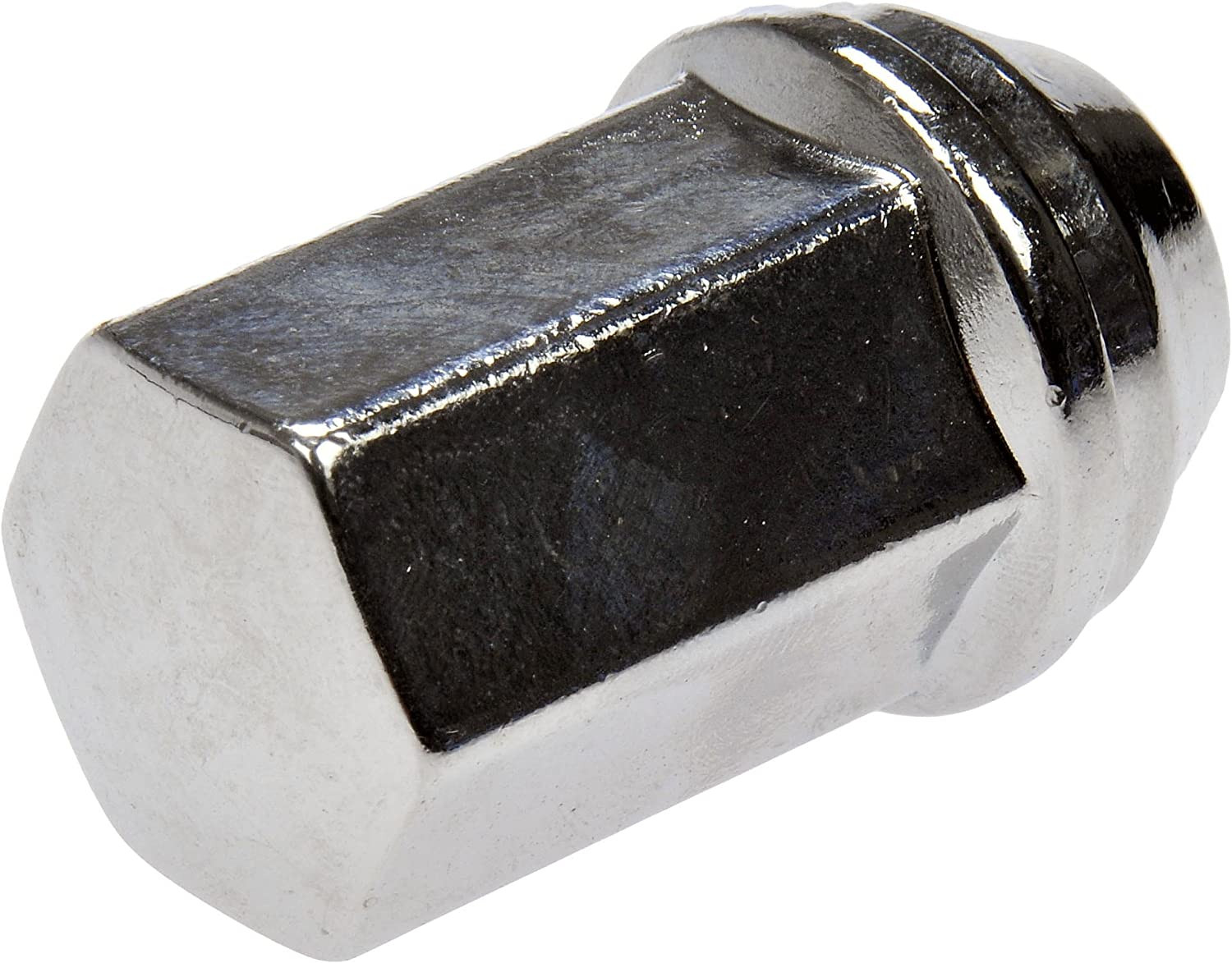
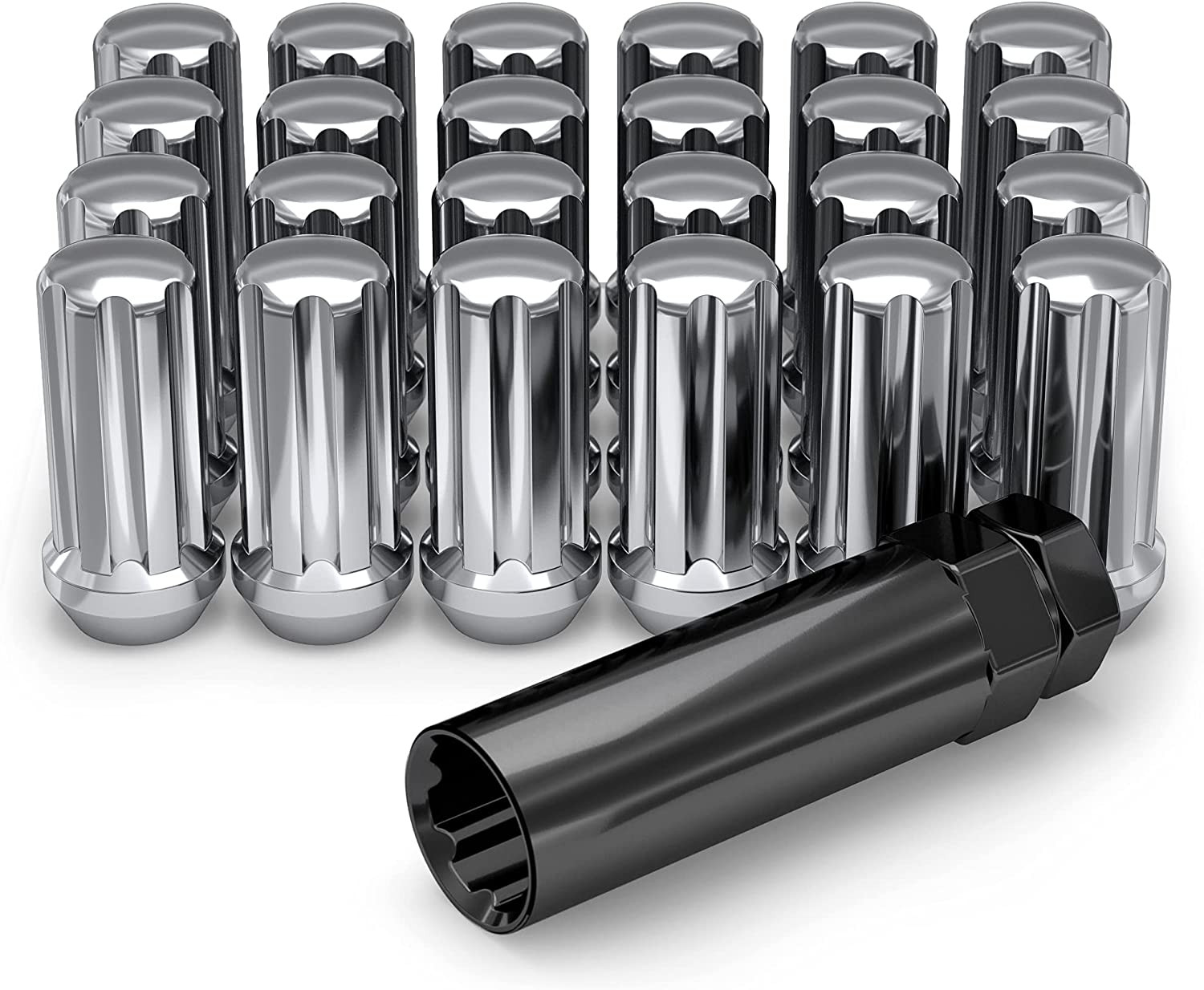
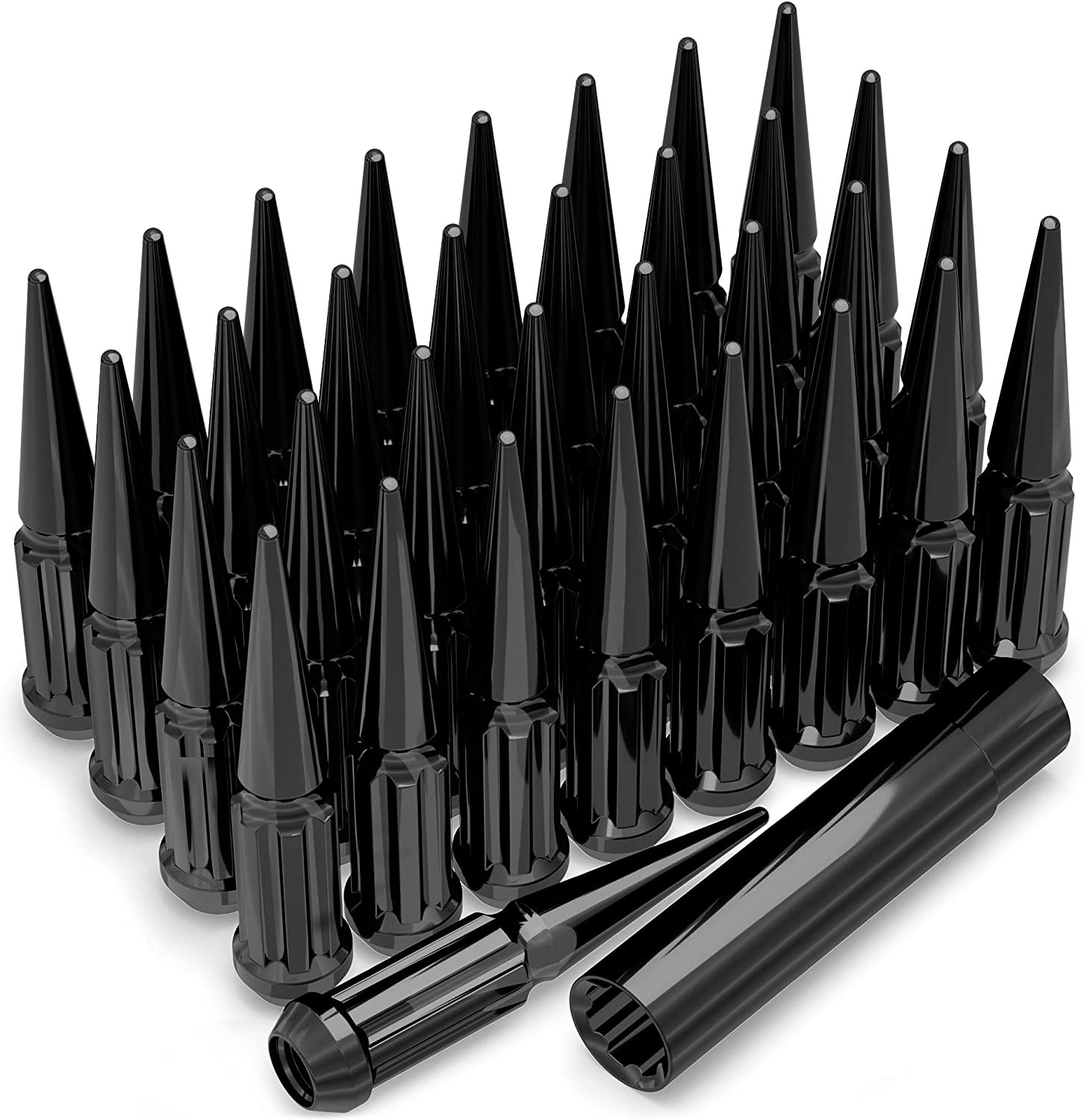
- Thread size: M14 x 1.5. Use the correct fasteners and seat type for your wheels. Seat style can vary by wheel brand, so confirm with the seller or manufacturer.
- Offset and width: Use the calculator to ensure inner clearance to struts and calipers and to check outer fender clearance. Avoid aggressive poke that can contact fenders under load.
- Tire diameter: Keep overall diameter close to stock. A change of roughly 3 percent or less is a common target, but still verify speedometer and clearance.
- Brake clearance: Big front calipers on performance trims may limit spoke shapes. Ask the wheel maker for a brake template and compare.
- Load rating: Wheels and tires must meet or exceed the Audi S5’s axle and GAWR requirements.
- TPMS: Your S5 may use direct sensors or an ABS-based system depending on market. Check your manual. If direct, plan to transfer or buy compatible sensors.
- Spacers: If used, choose high-quality hub-centric spacers and ensure fastener length and engagement meet or exceed OEM. Recheck torque after installation.
Plus Sizing And Common Upgrades
Many owners explore plus sizing for sharper response or a fuller wheel well look. The key is to preserve overall tire diameter and maintain safe clearances.
Use the calculator to test examples like moving from a stock-style 245/40R18 to a plus-size diameter on a 19 in or 20 in wheel while keeping overall height similar. Adjust section width and aspect ratio together until the diameter change is small and inner or outer clearance stays acceptable. Do not finalize a size until you verify brake clearance, fender room at full lock and compression, and load ratings. Some trims may have different factory sizes, so confirm your baseline from the vehicle placard or Audi documentation.
Installation Tips
Test-fit one corner first. Spin the wheel by hand to check caliper and strut clearance. Lower the car carefully and turn lock to lock to confirm fender and liner clearance. Clean hub faces and the back of the wheel with a wire brush so the wheel seats flat. If your aftermarket wheel bore is larger than 66.5 mm, install the correct hub-centric rings. Use the correct fastener seat type and length specified by the wheel manufacturer and Audi. Hand-start fasteners, snug in a crisscross pattern, then torque to the OEM spec from your Audi service information. Re-torque after 50 to 100 miles. If using spacers, ensure they are hub-centric and that you have appropriate longer fasteners as required by spacer thickness. After installation, check that the tire does not contact liners, arms, or fenders during a road test over bumps and at full steering lock.
Tools And Helpful Supplies
These items make the job safer and faster. Choose sizes and types that match your vehicle and wheels.
FAQs
What is the bolt pattern on the 2018 Audi S5?
It is 5x112.
What is the factory center bore for the 2018 S5?
66.5 mm. If an aftermarket wheel has a larger bore, use hub-centric rings. A smaller bore will not fit.
What tire size came on the documented factory setup?
245/40R18 on an 18x8.5 wheel with ET 29 and about 5.39 in backspacing. Other trims and packages may differ, so confirm your car’s placard.
What thread size do I need for fasteners?
M14 x 1.5. Also confirm the correct seat style for your specific wheels with the wheel manufacturer or parts catalog.
Will wheels from another 5x112 vehicle fit my S5?
Not automatically. You must also match center bore, ensure proper offset and width, and verify brake and fender clearance. Use the calculator to compare and then physically test-fit when possible.
Do I need hub-centric rings?
You need rings if the wheel center bore is larger than 66.5 mm. Rings should size the wheel to 66.5 mm for a hub-centric fit.
Can I run 19 inch or 20 inch wheels?
Possibly, but only if overall tire diameter and clearances remain acceptable. Use the calculator to model plus sizes and keep the diameter change small. Confirm brake and fender clearance before driving.
Does the 2018 S5 use direct TPMS sensors?
This can vary by market and equipment. Check your owner’s manual or instrument cluster menus. If your car uses direct sensors, plan to transfer or purchase compatible sensors for new wheels.
Are spacers safe on the S5?
Quality hub-centric spacers can be safe when sized correctly, installed on clean hubs, and paired with appropriate longer fasteners. Recheck torque and inspect regularly. Use the calculator to see how spacer thickness affects clearance and poke.