OEM wheel and tire fitment specs for the 2014 Audi S5, including bolt pattern (PCD), center bore diameter, thread size, rim diameter, rim width, wheel offset, and backspacing.
Recorded OEM specifications for the 2014 Audi S5, donor years with overlapping ranges, and a calculator to compare a selected wheel. Range overlap is not a guaranteed fit.
Center-bore records disagree: year-level hub 66.6 mm vs trim range 66.5–66.5 mm. Interchange below does not treat this as an unqualified match.
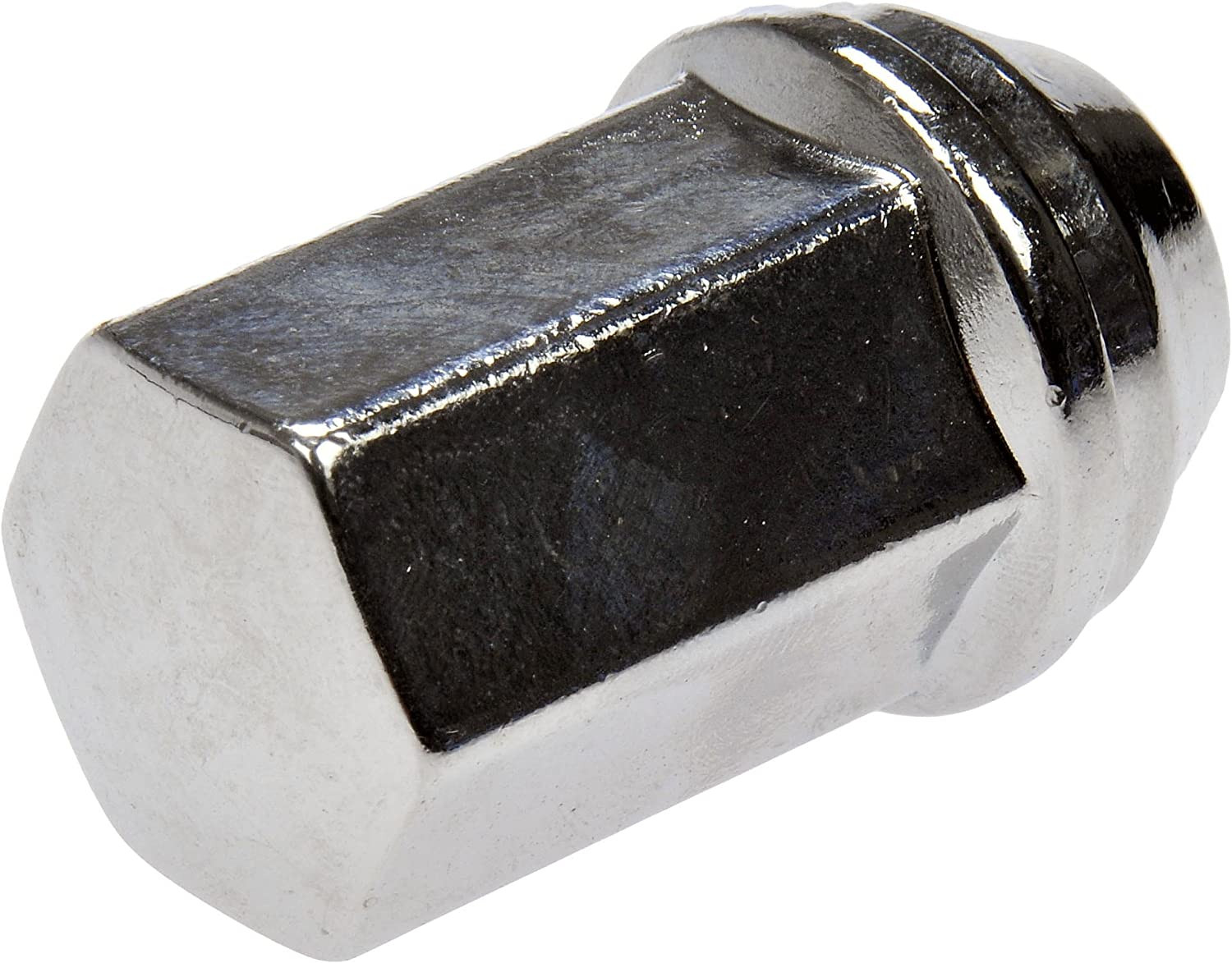
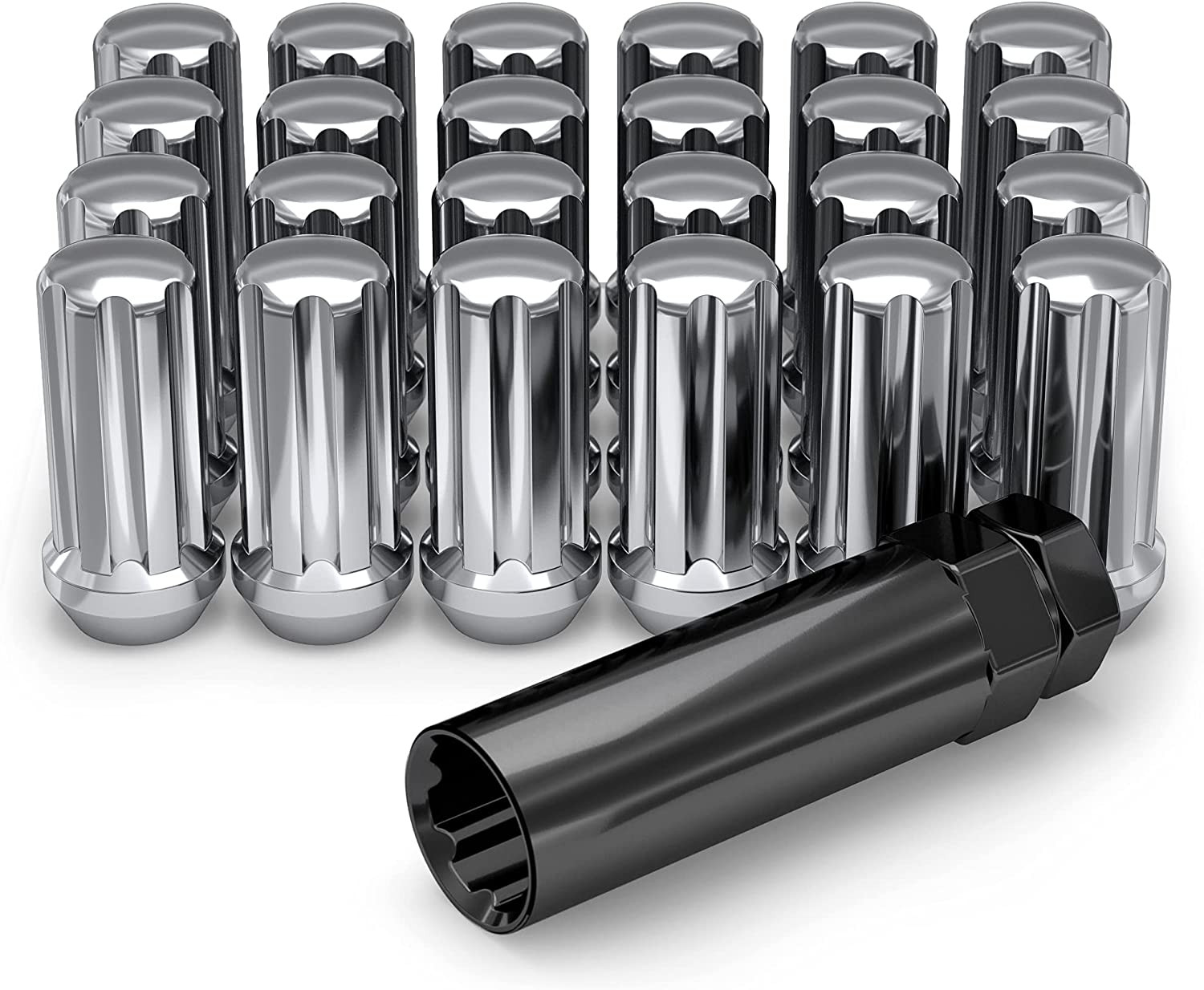
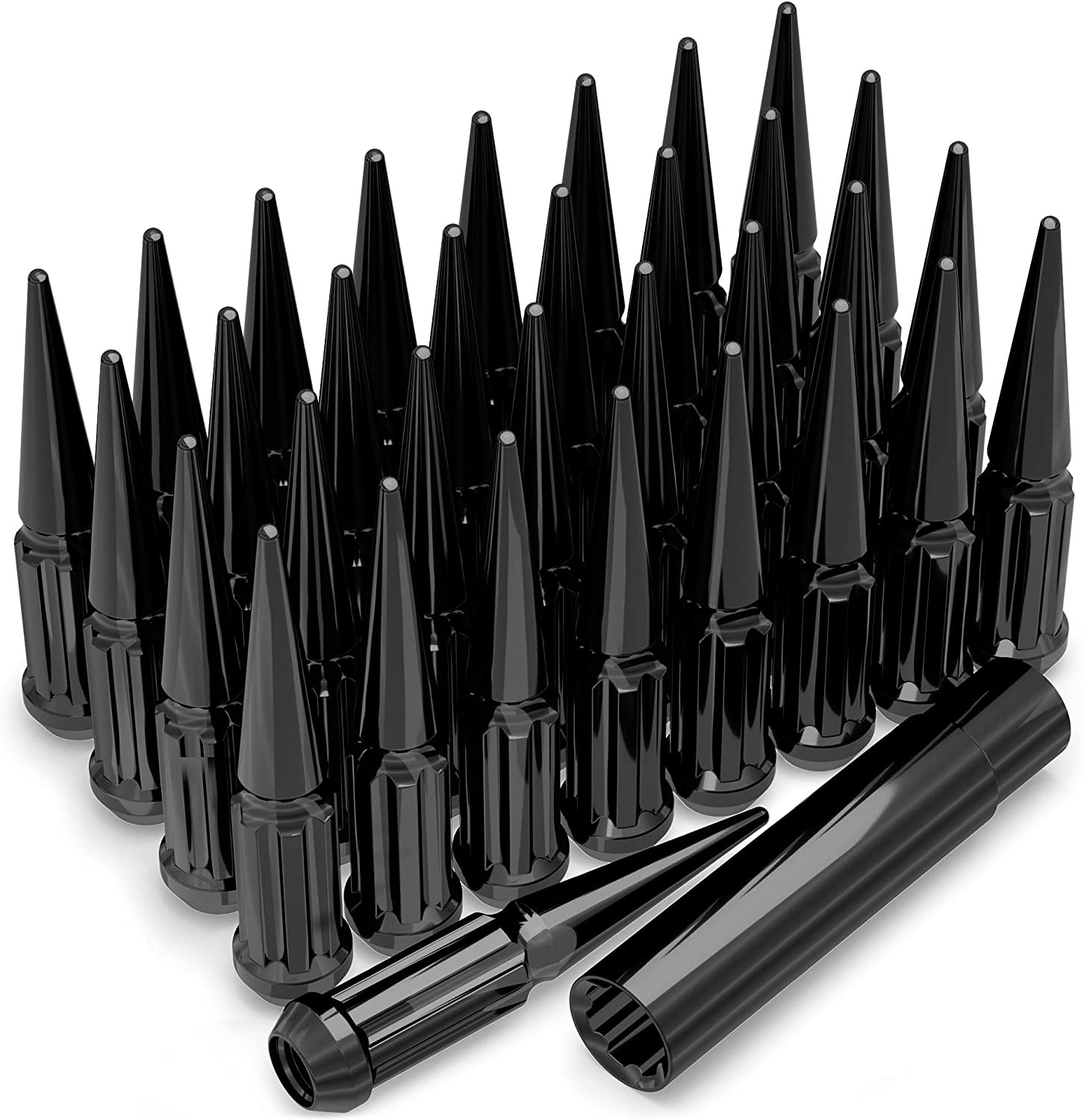
Thread-only product links are shopping examples, not verified fits. Seat style is not confirmed here. As an Amazon Associate we earn from qualifying purchases.
Donor vehicles with overlapping OEM specs
These are vehicle-year records whose recorded OEM ranges overlap this 2014 Audi S5. Overlap is not a guarantee that a specific wheel will install. Selected-wheel comparison is in the calculator below.
Evaluated 188 donor years. Listed 24 eligible overlaps (not all evaluated years are compatible). Showing all listed.
Wheel geometryOEM width/offset ranges overlap (not a specific wheel)
Center-bore records disagree (target year-level hub 66.6 mm vs trim range 66.5–66.5 mm; donor year-level hub 66.6 mm vs trim range 66.5–66.5 mm). Unqualified overlap is not claimed until the conflict is resolved. Approximate position vs the mid OEM package: outer change -1.17 mm, inner change -5.18 mm. This uses aggregated width/offset ranges, not a specific wheel.
Dataset suggestionWheel spacer ≈ 11.18 mm – not a verified installation requirement.
A spacer of about 11.18 mm is a dataset suggestion only; clearance is not verified. Estimated outer position is about 11.18 mm farther inward than the mid OEM package.
Check wheel configurationCenter-bore records disagree
Bolt pattern5x112 · Same recorded PCD
Center bore66.5 mm · same recorded hub figure
Wheel geometryOutside recorded OEM envelope
Dataset suggestionWheel spacer ≈ 7.18 mm – not a verified installation requirement.
A spacer of about 7.18 mm is a dataset suggestion only; clearance is not verified. Estimated outer position is about 7.18 mm farther inward than the mid OEM package.
Audi S5 Years With Compatible Wheels
Only years with evidence-based interchange relationships are listed. Adjacent years are not assumed compatible.
Compare a donor vehicle or custom wheel against this 2014 Audi S5. Use Compare in calculator on a donor row above to fill the donor side of this same calculator.
Compare
Compare wheel compatibility between two vehicles
Wheels from (donor vehicle)
Selected Car:
Custom wheel size (optional)
Tip: change values here to simulate custom wheels and immediately see the impact in the comparison below.
Custom tire size (optional)
Installed on (your vehicle)
Selected Car:
2014 Audi S5
Compare Rims
Specification
Wheels from
Installed on
Result (Click it)
Bolt Pattern
The total number of bolt holes and the diameter of the circle they form.
-
5x112
Center Bore
The hole in the center of the wheel that fits over the vehicle’s hub.
-
66.5 mm
Thread Size
The size and spacing of the threads on the bolts or nuts that hold the wheel in place.
-
M14 x 1.5
Rim Diameter
The wheel diameter in inches that determines which tire sizes will fit.
-
18"
Rim Width
The distance between the inner edges of the wheel is measured in inches.
-
8.5"
Wheel Offset
How far the wheel sits inward or outward relative to the hub mounting surface.
-
29 mm
Backspacing
Shows how much space the wheel takes up toward the inside of the vehicle.
-
-
Wheel Fasteners
The type of hardware used to secure the wheel to the vehicle.
-
-
Compare Tires
Specification
Wheels from
Installed on
Result (Click it)
Section Width
The width of the tire from sidewall to sidewall, measured in millimeters.
-
-
Aspect Ratio
The height of the tire’s sidewall expressed as a percentage of its width.
-
-
Diameter
The wheel diameter for which the tire is designed to fit.
-
-
Tire Pressure
The recommended air pressure for safe and efficient driving.
-
-
Overall Diameter
The total height of the tire and wheel combined affects clearance and speedometer accuracy.
-
-
Wheel Fitment Parts for the 2014 Audi S5
Example products matched to recorded thread, hub, or spacer dimensions. They are not verified fits. Confirm seat style, thickness, and clearance before ordering.
As an Amazon Associate we earn from qualifying purchases. Product availability and pricing may change.
2014 Audi S5 Wheel Fitment Baseline
I am focusing on risk control first. The goal is a clean fit with no rubbing, no vibration, and no hardware mismatch. Below is what is known for the 2014 Audi S5 on this page. Values not listed may vary by trim or package. Use the on-page calculator and your OEM sources to confirm before buying.
Spec
Value
Notes
Bolt pattern
5x112
Must match exactly
Center bore
66.6 mm
Hub-centric to Audi S5
Thread size
M14 x 1.5
Verify bolt seat type for each wheel
Rim diameter
20 in
Known fitment present, may not be only size
Rim width
9.0 in
Known fitment present
Offset (ET)
29 mm
Known fitment present
Backspacing
5.64 in
Derived from the above
Tire size example
245/40R18
Also listed here. This suggests multiple factory packages.
You may notice the data includes a 20 inch wheel and an 18 inch tire example. That indicates multiple OEM packages existed. Your car may differ. Confirm your original size from the driver door placard or the owner’s manual, then mirror it in the calculator to set your baseline.
Edge cases that can trip you up
I see the same issues repeat on S5 swaps. They are avoidable with a few checks.
Brake clearance. The S5 calipers can be tight behind some spoke designs. An 18 inch rim may clear in some cases, but spoke shape matters.
Mixed tire and rim diameters. A 20 inch wheel cannot use an 18 inch tire. It sounds obvious, but it happens with online bundles.
Offset creep. A few millimeters the wrong way can cause inner liner rub or poking past the fender.
Center bore mismatch. Aftermarket wheels often have a larger bore. You will need hub-centric rings to 66.6 mm.
Bolt seat type. OE-style wheels may use a specific seat profile. Mismatched seat types can loosen under load.
Spacer side effects. Spacers change effective offset and usually require longer wheel bolts.
Detection: how to verify a donor wheel will fit
Use the calculator on wheelinterchange.com. It compares “Wheels from” versus “Installed on.” Start by entering your car as the installed vehicle. Then enter the donor wheel setup.
Set your baseline. Match your door placard tire and rim data in the calculator. This anchors rolling diameter and offset.
Enter donor specs. Plug in rim diameter, width, and offset. The tool updates tire diameter when you change rim diameter.
Check inner and outer clearance. Watch the inner strut and outer fender deltas. Small numbers can matter at full lock or over bumps.
Brake envelope check. Visualize spoke-to-caliper room. If uncertain, test-fit or use modeling clay to measure spoke clearance.
Center bore and bolts. The donor must be 66.6 mm or larger with rings. Threads must be M14x1.5, and the bolt seat must match the wheel.
Tire diameter control. Keep overall diameter close to your OEM baseline to protect ABS and gearing feel.
If any spec is unknown or varies by trim, confirm with the door placard, the owner’s manual, or an Audi parts catalog. Then mirror those values in the calculator for a like-for-like comparison.
Mitigations if the numbers are close
Minor inner contact risk. Mitigation may be a small spacer, but only with hub-centric hardware and longer, correct-seat bolts.
Outer poke risk. Consider a slightly higher offset or a narrower tire section width to pull the shoulder in.
Vibration risk from larger bore. Install quality hub-centric rings to 66.6 mm. Plastic can work; metal is tougher. Fit should be snug.
Brake clearance risk. Choose a wheel with more concavity or a known brake-friendly spoke design. Verify with a template or test-fit.
Speedometer drift from diameter change. Select a tire aspect ratio that brings total diameter back near your OEM baseline.
Lug seat mismatch risk. Replace bolts with the correct seat profile for the wheel. Do not mix ball and cone seats.
Safe defaults I recommend
When details are fuzzy, use a conservative approach. It reduces rework.
Match your door placard tire diameter within about 2 percent using the calculator.
Stay close to your known offset. A window within a few millimeters from your baseline ET 29 can help preserve clearances.
Keep width changes moderate. A 0.5 to 1.0 inch change can be manageable with the right offset.
Require 5x112, 66.6 mm hub, and M14x1.5 threads. Add hub-centric rings if the wheel bore is larger.
Use the wheel’s correct bolt seat type and appropriate bolt length, especially with spacers.
Torque with a calibrated wrench in a star pattern. Verify the torque spec in your Audi manual for your market. Recheck after 50 to 100 miles.
Quick checklist before you buy or install
Confirm your OEM size from the door placard and manual.
Set that baseline in the calculator, then compare the donor setup.
Verify bolt pattern 5x112, hub bore 66.6 mm, and M14x1.5 threads.
Check offset and width for inner and outer clearance, including under compression and at full lock.
Validate brake caliper clearance with a template or test-fit.
If using spacers, ensure hub-centric design and proper longer bolts.
Match bolt seat type to the wheel. Do not mix seat styles.
Keep rolling diameter near your OEM value to protect systems.
Torque correctly, then recheck torque after a short mileage interval.
If any spec is still unclear, pause and confirm with the on-page calculator and OEM documentation. That small step is the best mitigation against costly returns or unsafe fits.
A normal wheel spacer does not change bolt pattern. Hub rings cannot enlarge a wheel bore that is smaller than the hub. Brake clearance and tire package fitment still require vehicle-specific checks when not confirmed in the dataset.