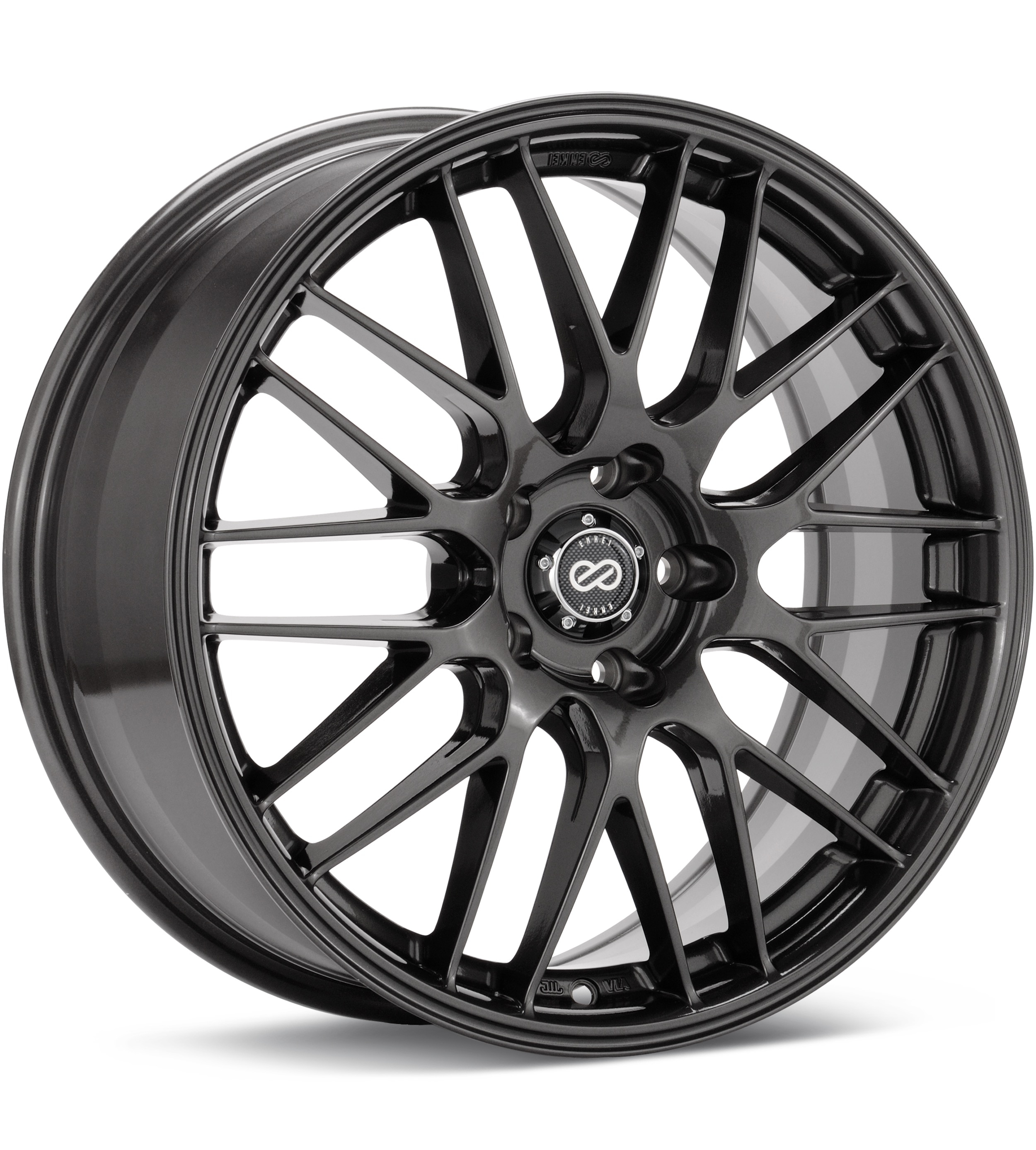
Enkei Performance
EKM3
Gunmetal
18 × 8″ · ET +45
$216.59
View at Tire Rack ↗Recorded OEM specifications for the 2001 Audi S8, donor years with overlapping ranges, and a calculator to compare a selected wheel. Range overlap is not a guaranteed fit.
Save these wheel specs to your Ownery garage
Baseline mounting dimensions used for interchange decisions.
Thread-only product links are shopping examples, not verified fits. Seat style is not confirmed here. As an Amazon Associate we earn from qualifying purchases.
Selected size: 18 × 8″ · ET +48
Showing matching bolt patterns and offsets up to 20 mm lower. Confirm center bore, load rating, and clearance at Tire Rack.
Enkei Performance
Gunmetal
18 × 8″ · ET +45
$216.59
View at Tire Rack ↗
Enkei Tuning
Black
18 × 8″ · ET +45
$246.12
View at Tire Rack ↗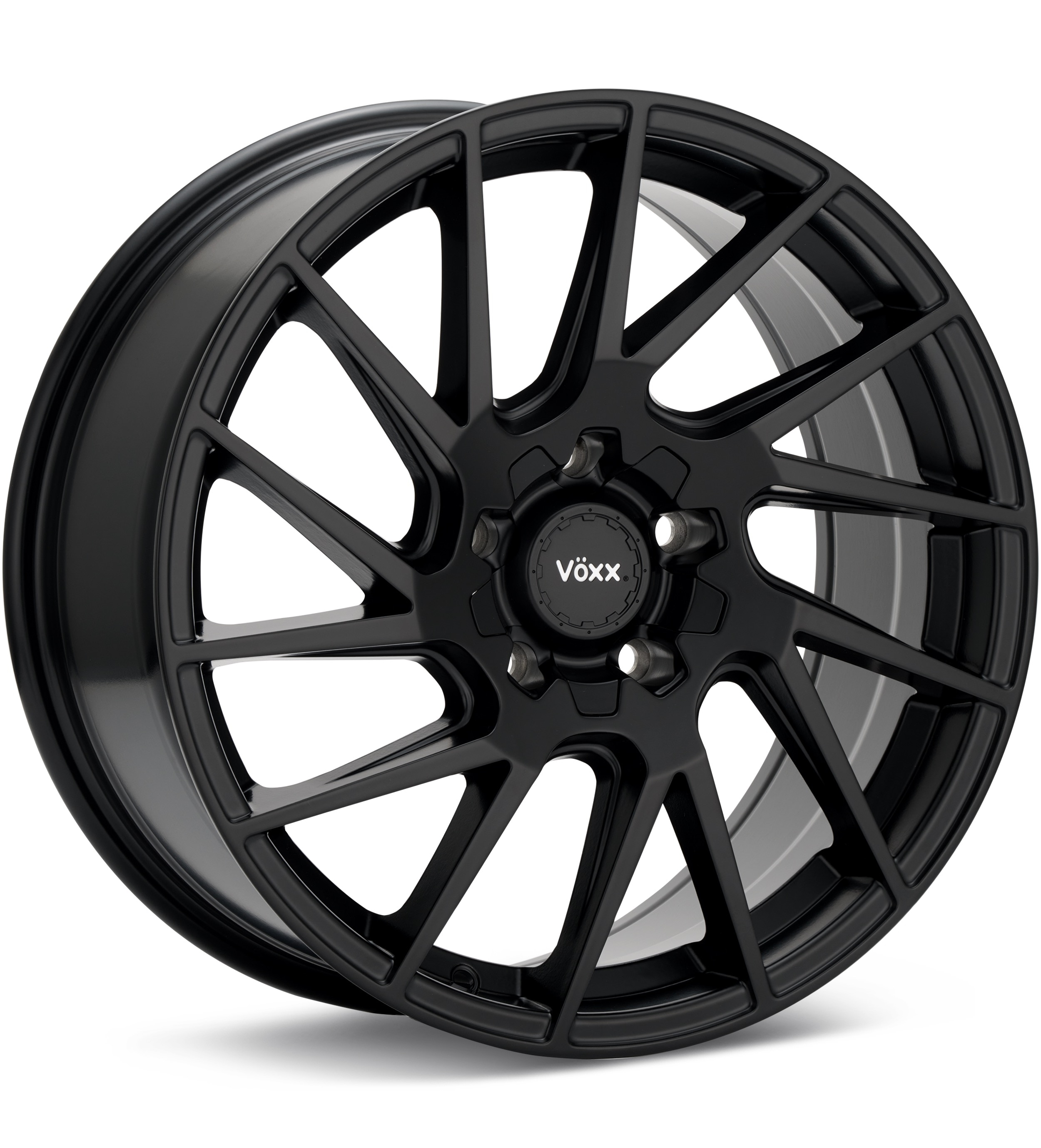
Voxx Road Wheels
Black
18 × 8″ · ET +45
$248.00
View at Tire Rack ↗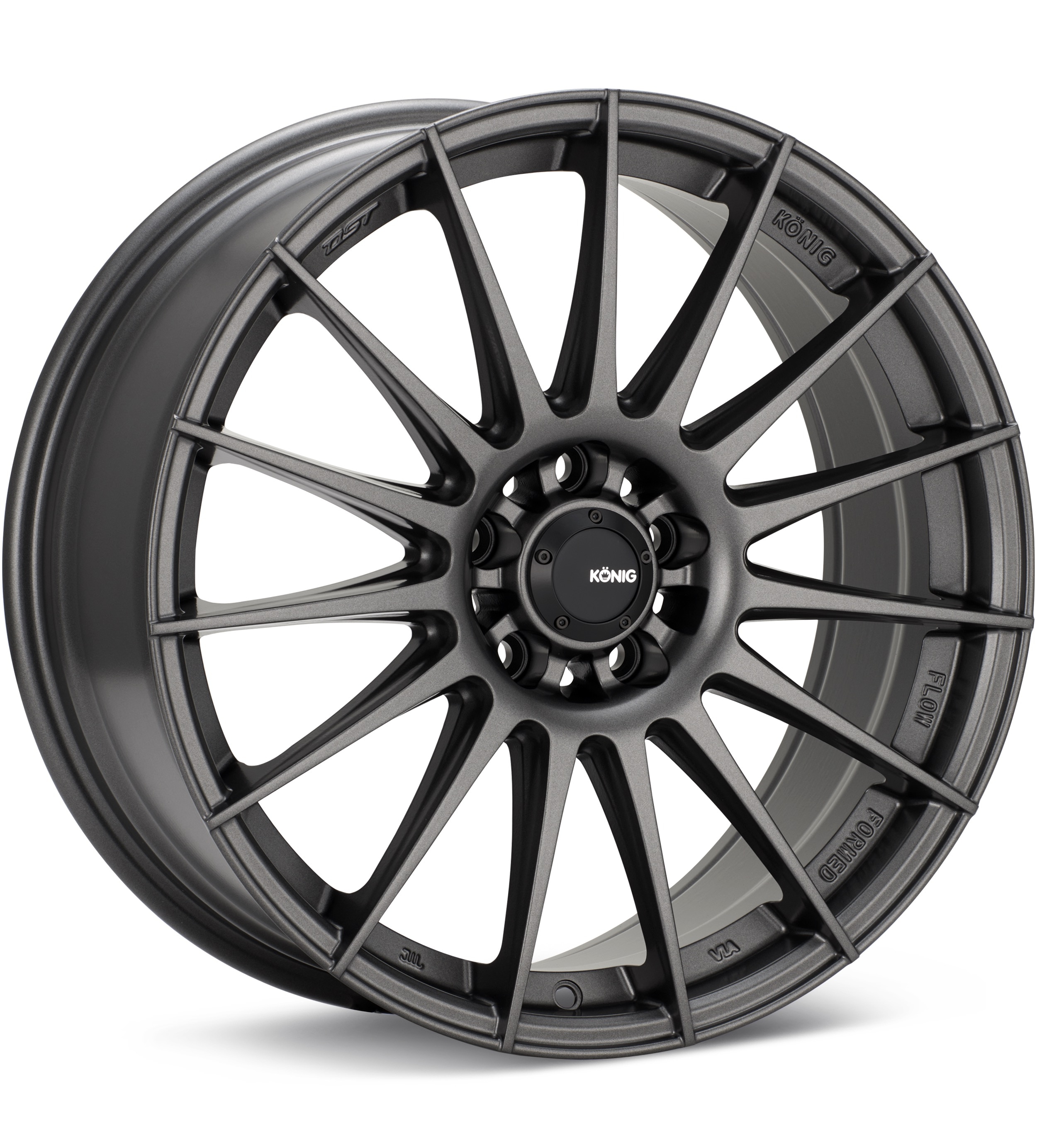
Konig
Matte Grey
18 × 8″ · ET +45
$319.18
View at Tire Rack ↗We may earn a commission when you buy through these links. Prices and availability may change.
These are vehicle-year records whose recorded OEM ranges overlap this 2001 Audi S8. Overlap is not a guarantee that a specific wheel will install. Selected-wheel comparison is in the calculator below.
Evaluated 143 donor years. Listed 24 eligible overlaps (not all evaluated years are compatible). Showing all listed.
Years grouped because recorded compatibility evidence is equivalent. Each year keeps its own page.
Recorded OEM bolt pattern, center bore, and width/offset ranges overlap. This is not a guarantee that every wheel from the donor year fits this vehicle.
Years grouped because recorded compatibility evidence is equivalent. Each year keeps its own page.
Dataset suggestionHub-centric rings ≈ 66.5 → 57.1 mm – not a verified installation requirement.
Hub-centric rings of about 66.5 → 57.1 mm mm may be relevant if the wheel bore is larger than the hub; clearance is not verified. Donor width/offset sits outside the known OEM envelope for this vehicle.
Years grouped because recorded compatibility evidence is equivalent. Each year keeps its own page.
Dataset suggestionHub-centric rings ≈ 66.5 → 57.1 mm – not a verified installation requirement.
Hub-centric rings of about 66.5 → 57.1 mm mm may be relevant if the wheel bore is larger than the hub; they cannot enlarge a smaller bore. Approximate position vs the mid OEM package: outer change -0.35 mm, inner change -12.35 mm. This uses aggregated width/offset ranges, not a specific wheel.
Dataset suggestionHub-centric rings ≈ 66.5 → 57.1 mm – not a verified installation requirement.
Wheel width/offset data is incomplete. Hub ring 66.5 → 57.1 mm may apply if mounting dimensions are otherwise compatible.
Years grouped because recorded compatibility evidence is equivalent. Each year keeps its own page.
Approximate position vs the mid OEM package: outer change -9.35 mm, inner change -3.35 mm. This uses aggregated width/offset ranges, not a specific wheel.
Only years with evidence-based interchange relationships are listed. Adjacent years are not assumed compatible.
Compare a donor vehicle or custom wheel against this 2001 Audi S8. Use Compare in calculator on a donor row above to fill the donor side of this same calculator.
Compare wheel compatibility between two vehicles
2001 Audi S8





Example products matched to recorded thread, hub, or spacer dimensions. They are not verified fits. Confirm seat style, thickness, and clearance before ordering.
M14 x 1.5
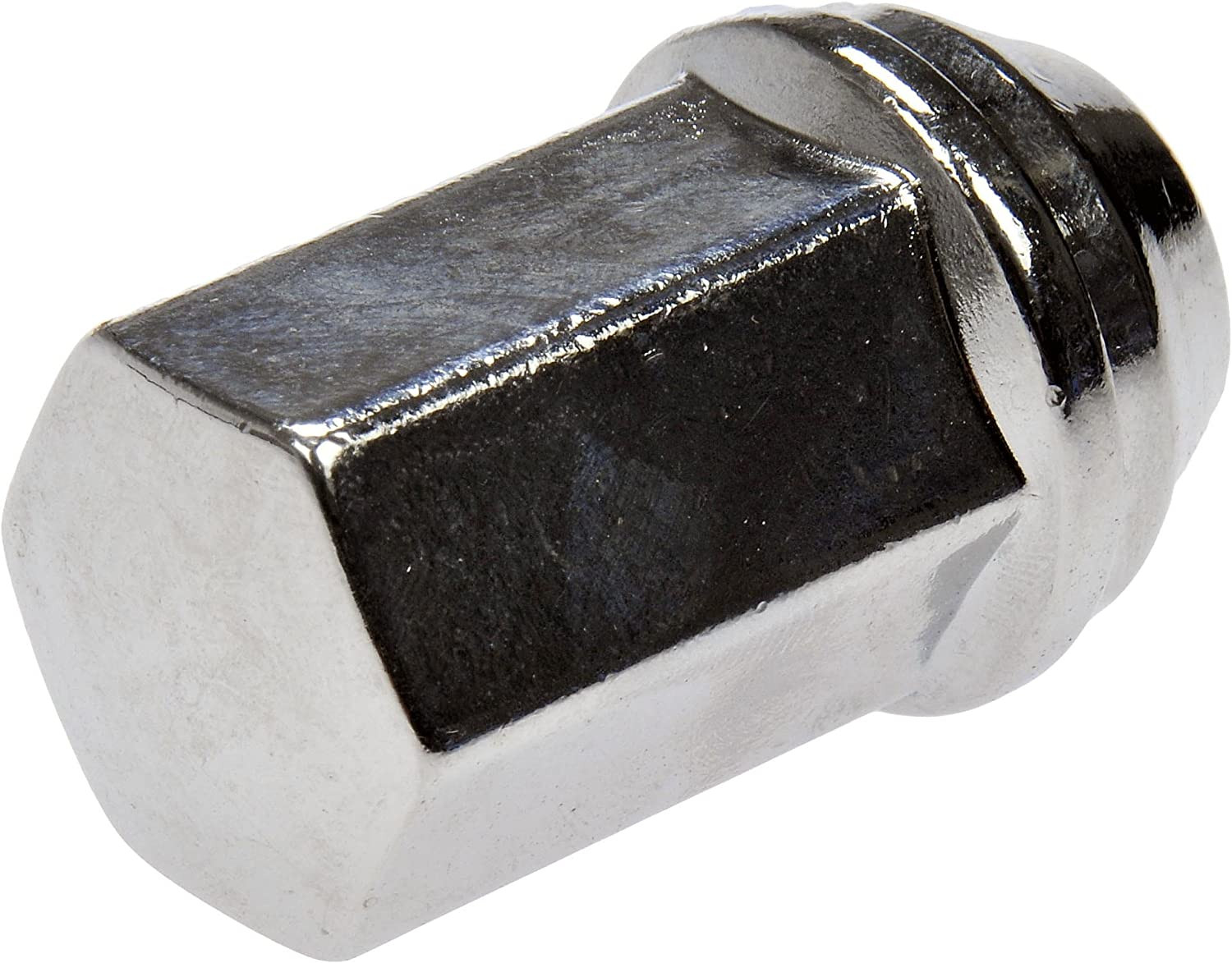
M14 x 1.5 · Thread match only; seat style is not verified
View on Amazon →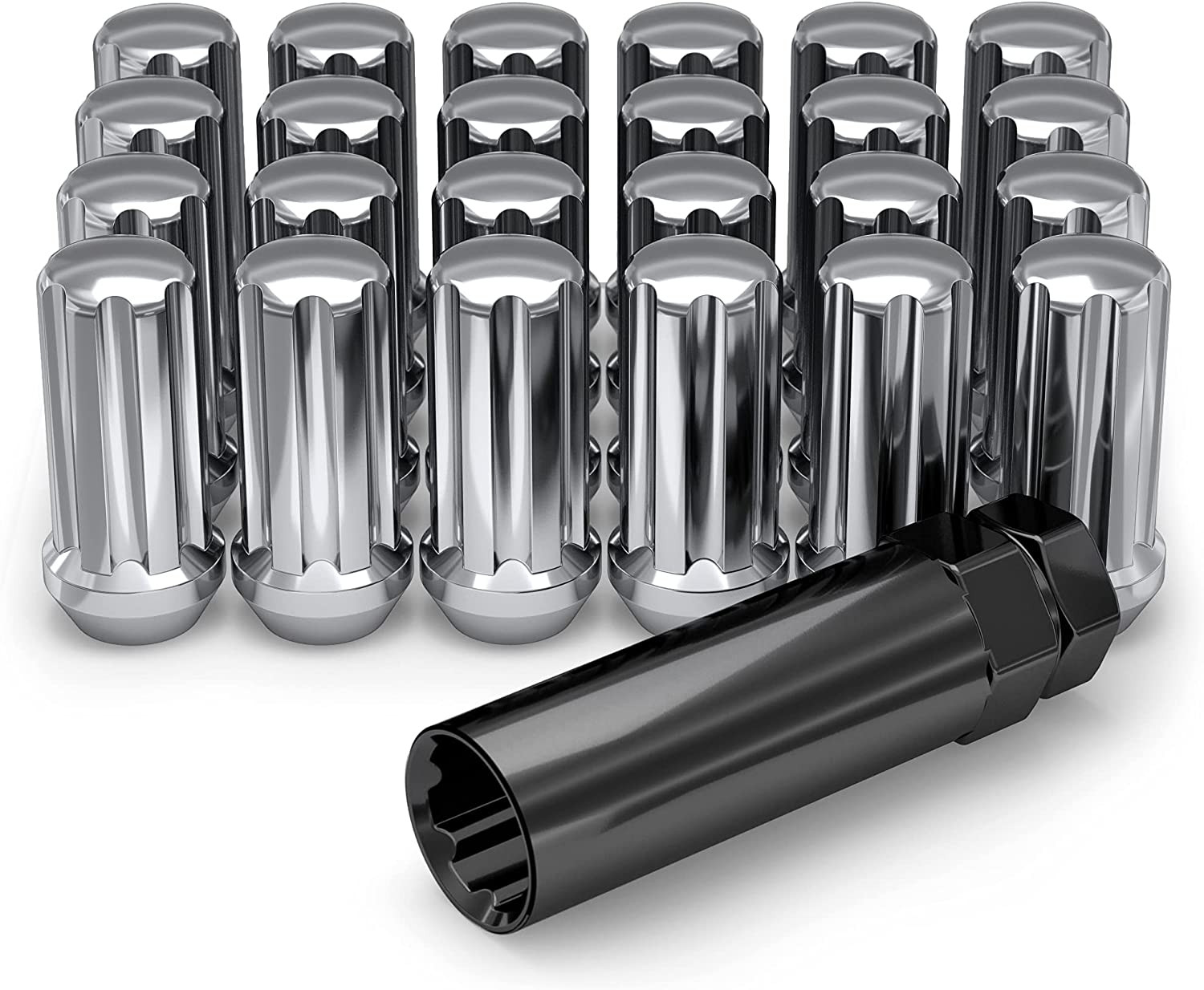
M14 x 1.5 · Thread match only; seat style is not verified
View on Amazon →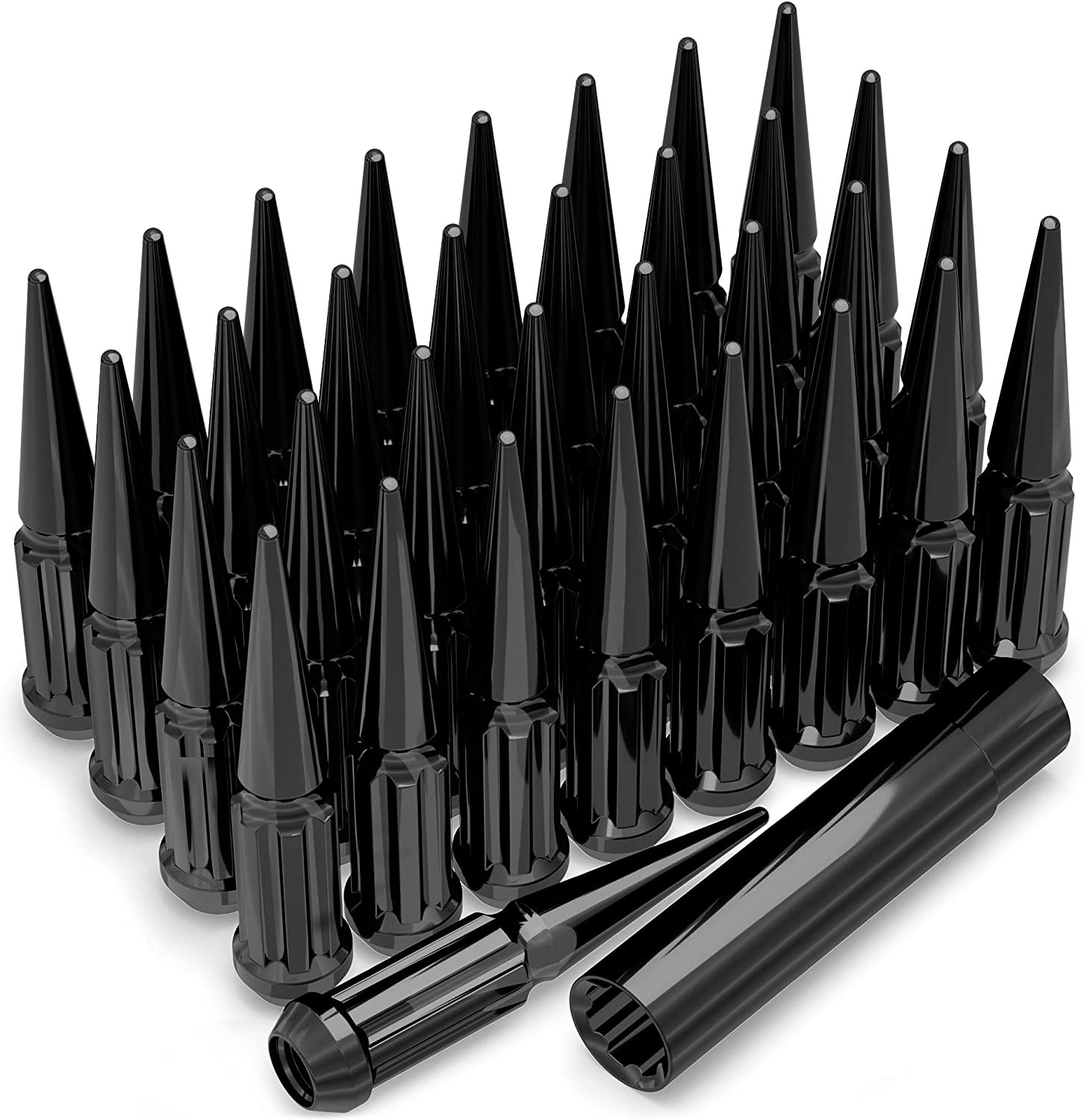
M14 x 1.5 · Thread match only; seat style is not verified
View on Amazon →Vehicle hub 57.1 mm
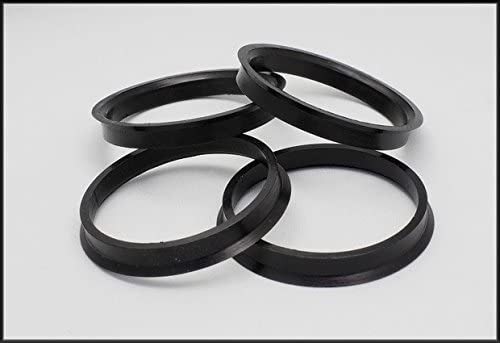
OD 66.5 mm · ID 57.1 mm
View on Amazon →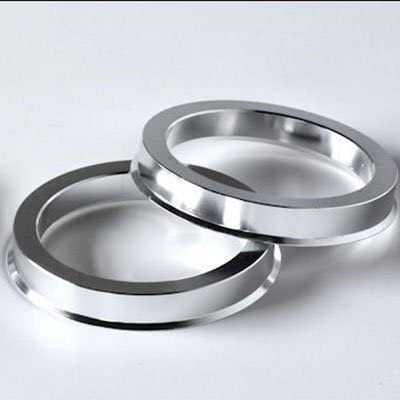
OD 66.5 mm · ID 57.1 mm
View on Amazon →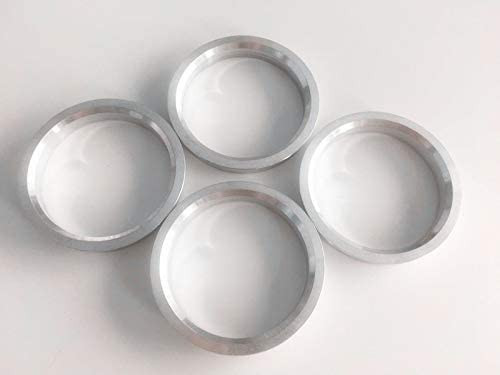
OD 66.5 mm · ID 57.1 mm
View on Amazon →As an Amazon Associate we earn from qualifying purchases. Product availability and pricing may change.
Problem: finding wheels that clear the S8 brakes, sit correctly in the arches, and drive without vibration. The risk is rubbing, poor handling, or damaged hardware. The goal is a safe, OEM-like fit or a verified upgrade using the on-page calculator.
Select and validate wheels and tires for a 2001 Audi S8 that match critical specs. Use the calculator to compare donor wheels or custom sizes, then confirm hub fit, hardware, and clearance before driving.
Assumptions and constraints for this vehicle:
| Spec | 2001 Audi S8 |
|---|---|
| Bolt pattern | 5x112 |
| Center bore | 57.1 mm |
| Thread size | M14 x 1.5 |
| OEM rim size | 18 x 8.0 in |
| OEM offset | ET 48 mm |
| Backspacing | 5.89 in |
| OEM tire size | 245/45R18 |
What you need on hand:
Notes:
1) Set your baseline in the calculator. Under Installed on - your vehicle, select 2001 Audi S8 and confirm the OEM wheel and tire values above. This is your reference.
2) Compare a donor wheel or a custom wheel. Enter the donor wheel size or use Custom wheel size to set rim width, diameter, and offset. If you also set a Custom tire size, the calculator will update the tire diameter in the comparison.
3) Check bolt pattern and hub fit first. The wheel must be 5x112. The center bore must seat on 57.1 mm. A larger bore is acceptable only with hub-centric rings. A smaller bore will not fit the hub.
4) Manage offset and width trade-offs. Use the calculator’s inner clearance and outer poke comparison to see how far the wheel moves. Aim to avoid losing more than a few millimeters of inner clearance near the strut or upright. Keep outer poke within the fender line to prevent rubbing on bumps.
5) Keep tire diameter change reasonable. A small diameter change helps speedometer accuracy and ABS behavior. A common guideline is to keep total tire diameter within about 2 percent of OEM. Use the calculator’s tire diameter to validate your choice.
6) Verify brake caliper clearance. The S8 uses large brakes. Even if offset and width look fine, spoke design can still contact the caliper. Test-fit a front wheel and slowly rotate it while checking clearance. A simple strip of modeling clay on the caliper face helps you read remaining space after a careful spin.
7) Confirm hardware. Use M14x1.5 wheel bolts with the correct seat type. Ensure thread engagement at least equal to the bolt diameter as a rule of thumb - about 14 mm of fully engaged threads. If you add spacers, use appropriate extended bolts and hub-centric spacers only.
8) Mount and torque in a star pattern. Snug by hand, lower to partial load, then torque to the verified spec from your manual or OEM source. Re-torque after 50 to 100 miles.
Before road use, perform these checks:
Vibration at highway speed:
Inner rubbing on strut or upright:
Outer fender interference:
Bolts bottoming out or not engaging enough threads:
Start
Wheel interchange depends on more than bolt pattern. Where data is available, this site compares recorded OEM values:
A normal wheel spacer does not change bolt pattern. Hub rings cannot enlarge a wheel bore that is smaller than the hub. Brake clearance and tire package fitment still require vehicle-specific checks when not confirmed in the dataset.
