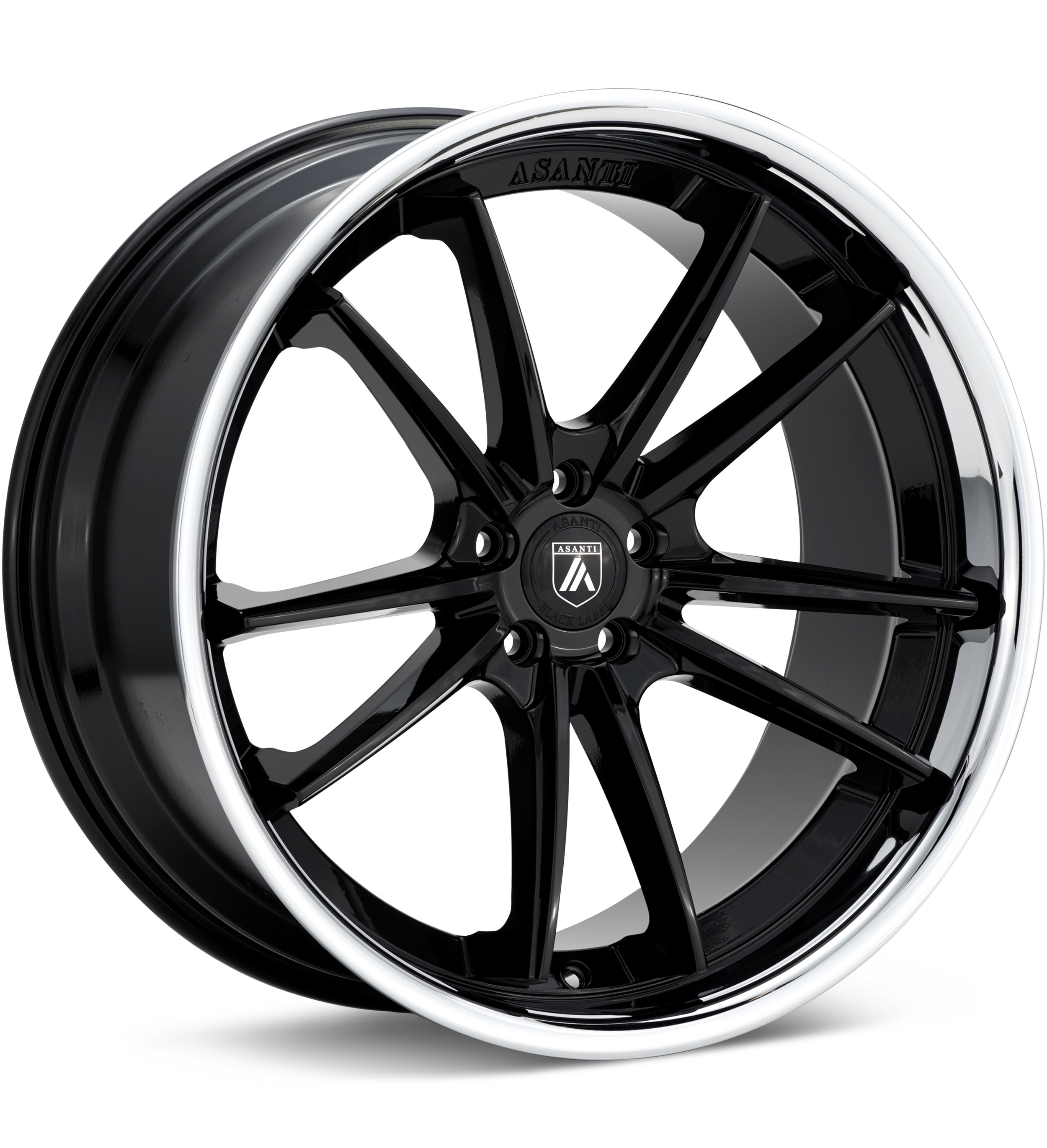
ASANTI Black Label
ABL-23
Gloss Black w/Chrome Lip
20 × 9″ · ET +35
$657.00
View at Tire Rack ↗Recorded OEM specifications for the 2014 Audi S8, donor years with overlapping ranges, and a calculator to compare a selected wheel. Range overlap is not a guaranteed fit.
Save these wheel specs to your Ownery garage
Baseline mounting dimensions used for interchange decisions.
Multiple OEM configurations exist for this vehicle. Fitment can vary by trim, brakes, and factory wheel package – confirm your exact setup before buying.
Center-bore records disagree: year-level hub 66.6 mm vs trim range 66.5–66.5 mm. Interchange below does not treat this as an unqualified match.
Thread-only product links are shopping examples, not verified fits. Seat style is not confirmed here. As an Amazon Associate we earn from qualifying purchases.
Selected size: 20 × 9″ · ET +37
Showing matching bolt patterns and offsets up to 20 mm lower. Confirm center bore, load rating, and clearance at Tire Rack.
ASANTI Black Label
Gloss Black w/Chrome Lip
20 × 9″ · ET +35
$657.00
View at Tire Rack ↗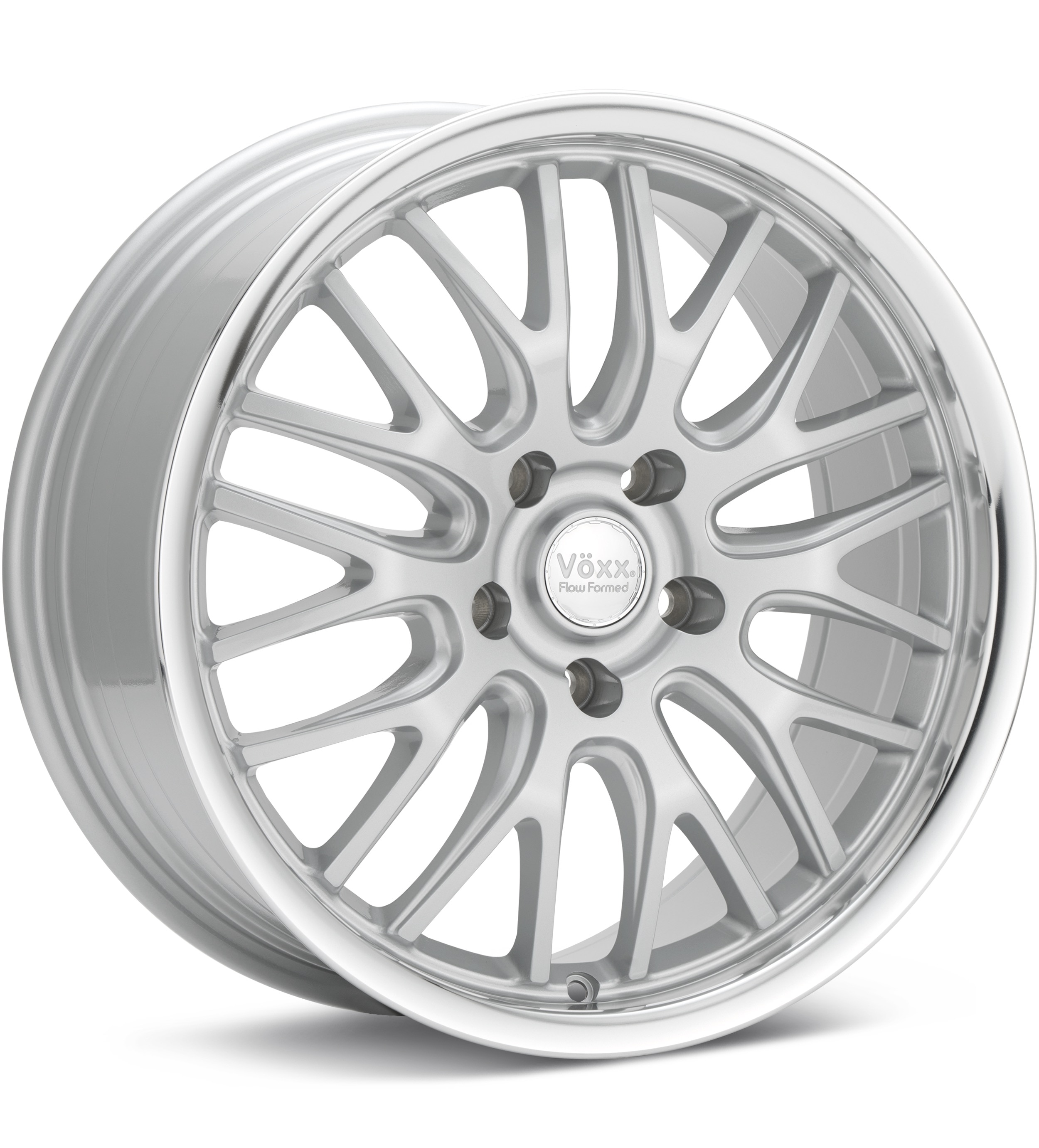
Voxx Road Wheels
Silver w/Machined Lip
20 × 9″ · ET +35
$320.00
View at Tire Rack ↗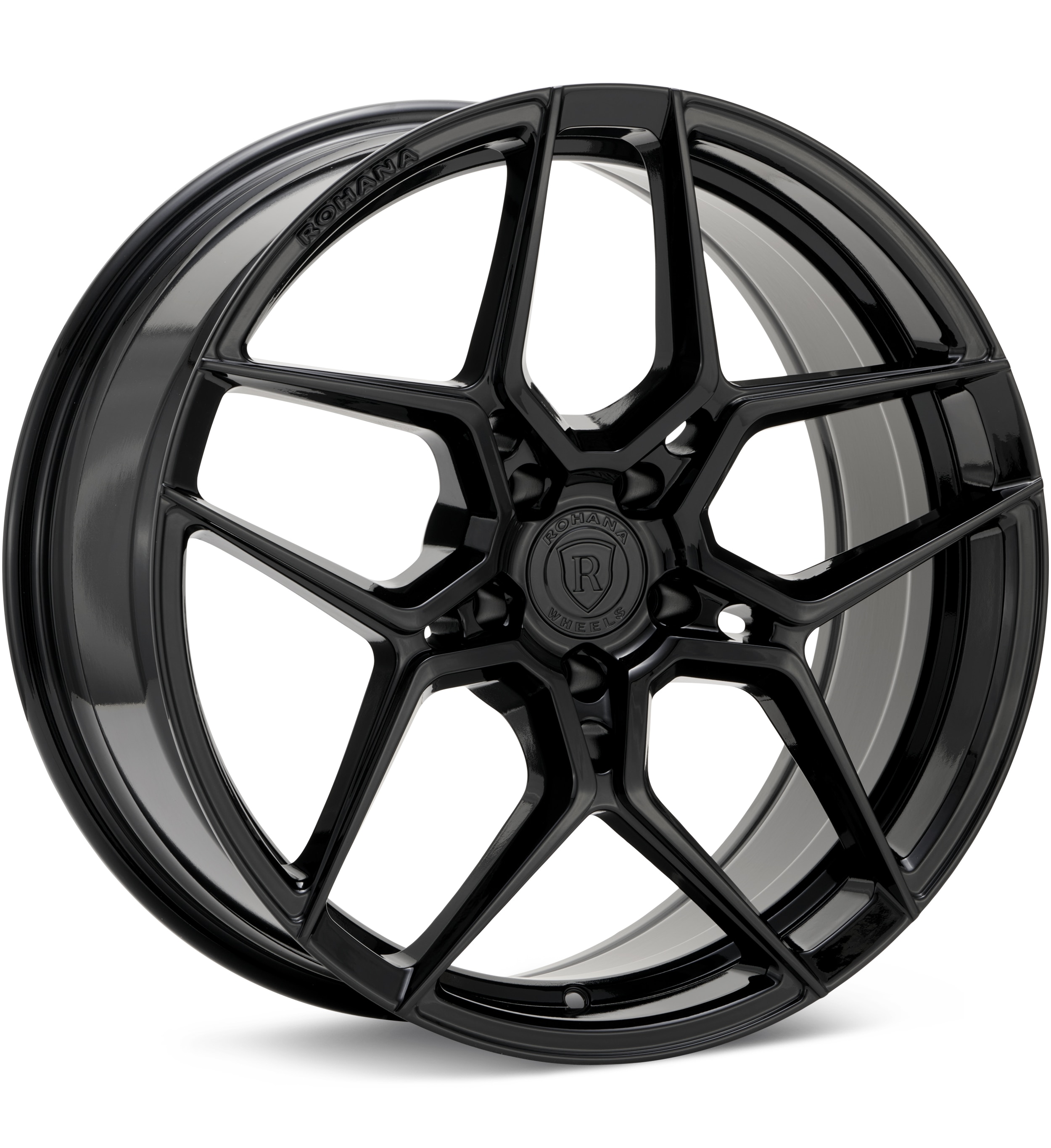
Rohana Wheels
Gloss Black
20 × 9″ · ET +35
$668.00
View at Tire Rack ↗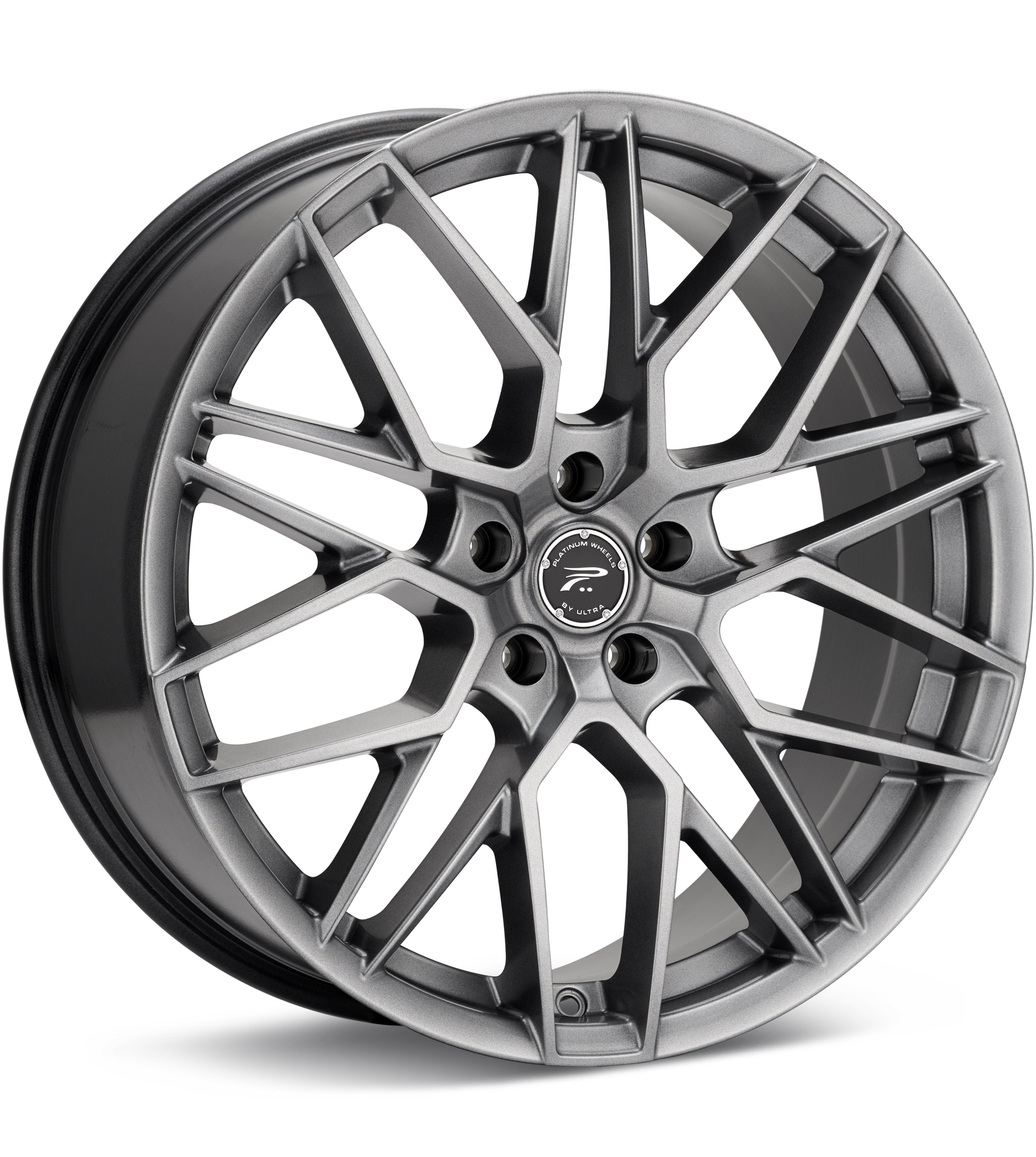
Platinum
Bright Graphite
20 × 8.5″ · ET +35
$267.67
View at Tire Rack ↗We may earn a commission when you buy through these links. Prices and availability may change.
These are vehicle-year records whose recorded OEM ranges overlap this 2014 Audi S8. Overlap is not a guarantee that a specific wheel will install. Selected-wheel comparison is in the calculator below.
Evaluated 188 donor years. Listed 24 eligible overlaps (not all evaluated years are compatible). Showing all listed.
Years grouped because recorded compatibility evidence is equivalent. Each year keeps its own page.
Center-bore records disagree (target year-level hub 66.6 mm vs trim range 66.5–66.5 mm; donor year-level hub 66.6 mm vs trim range 66.5–66.5 mm). Unqualified overlap is not claimed until the conflict is resolved. Approximate position vs the mid OEM package: outer change 3.68 mm, inner change 2.68 mm. This uses aggregated width/offset ranges, not a specific wheel.
Wheel width/offset data is incomplete.
Years grouped because recorded compatibility evidence is equivalent. Each year keeps its own page.
Dataset suggestionHub-centric rings ≈ 66.6 → 66.5 mm – not a verified installation requirement.
Hub-centric rings of about 66.6 → 66.5 mm mm may be relevant if the wheel bore is larger than the hub; they cannot enlarge a smaller bore. Approximate position vs the mid OEM package: outer change -4.68 mm, inner change -1.67 mm. This uses aggregated width/offset ranges, not a specific wheel.
Years grouped because recorded compatibility evidence is equivalent. Each year keeps its own page.
Dataset suggestionWheel spacer ≈ 9.68 mm – not a verified installation requirement.
A spacer of about 9.68 mm is a dataset suggestion only; clearance is not verified. Estimated outer position is about 9.68 mm farther inward than the mid OEM package.
Years grouped because recorded compatibility evidence is equivalent. Each year keeps its own page.
Dataset suggestionWheel spacer ≈ 11.68 mm – not a verified installation requirement.
A spacer of about 11.68 mm is a dataset suggestion only; clearance is not verified. Estimated outer position is about 11.68 mm farther inward than the mid OEM package.
Only years with evidence-based interchange relationships are listed. Adjacent years are not assumed compatible.
Compare a donor vehicle or custom wheel against this 2014 Audi S8. Use Compare in calculator on a donor row above to fill the donor side of this same calculator.
Compare wheel compatibility between two vehicles
2014 Audi S8





Example products matched to recorded thread, hub, or spacer dimensions. They are not verified fits. Confirm seat style, thickness, and clearance before ordering.
M14 x 1.5
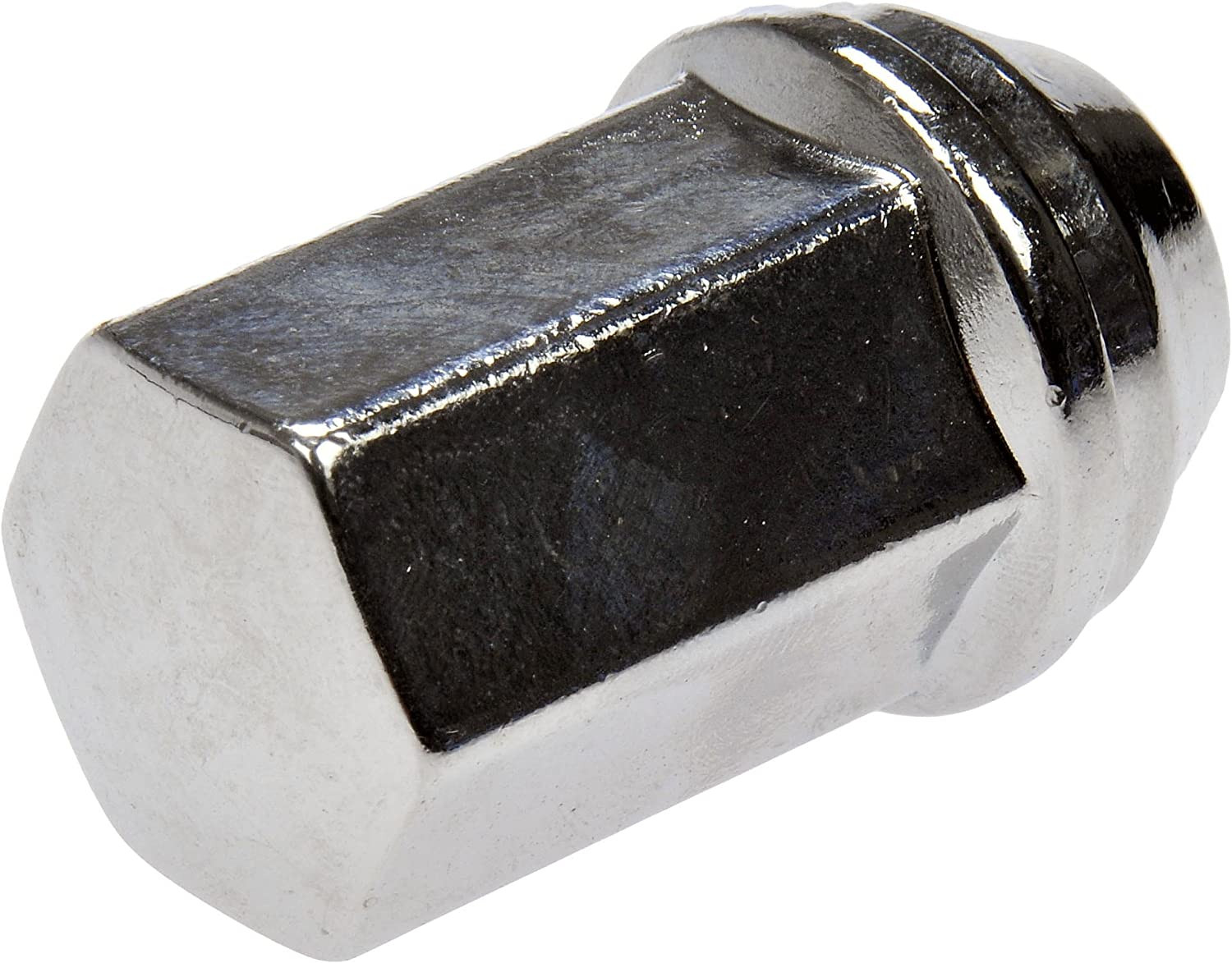
M14 x 1.5 · Thread match only; seat style is not verified
View on Amazon →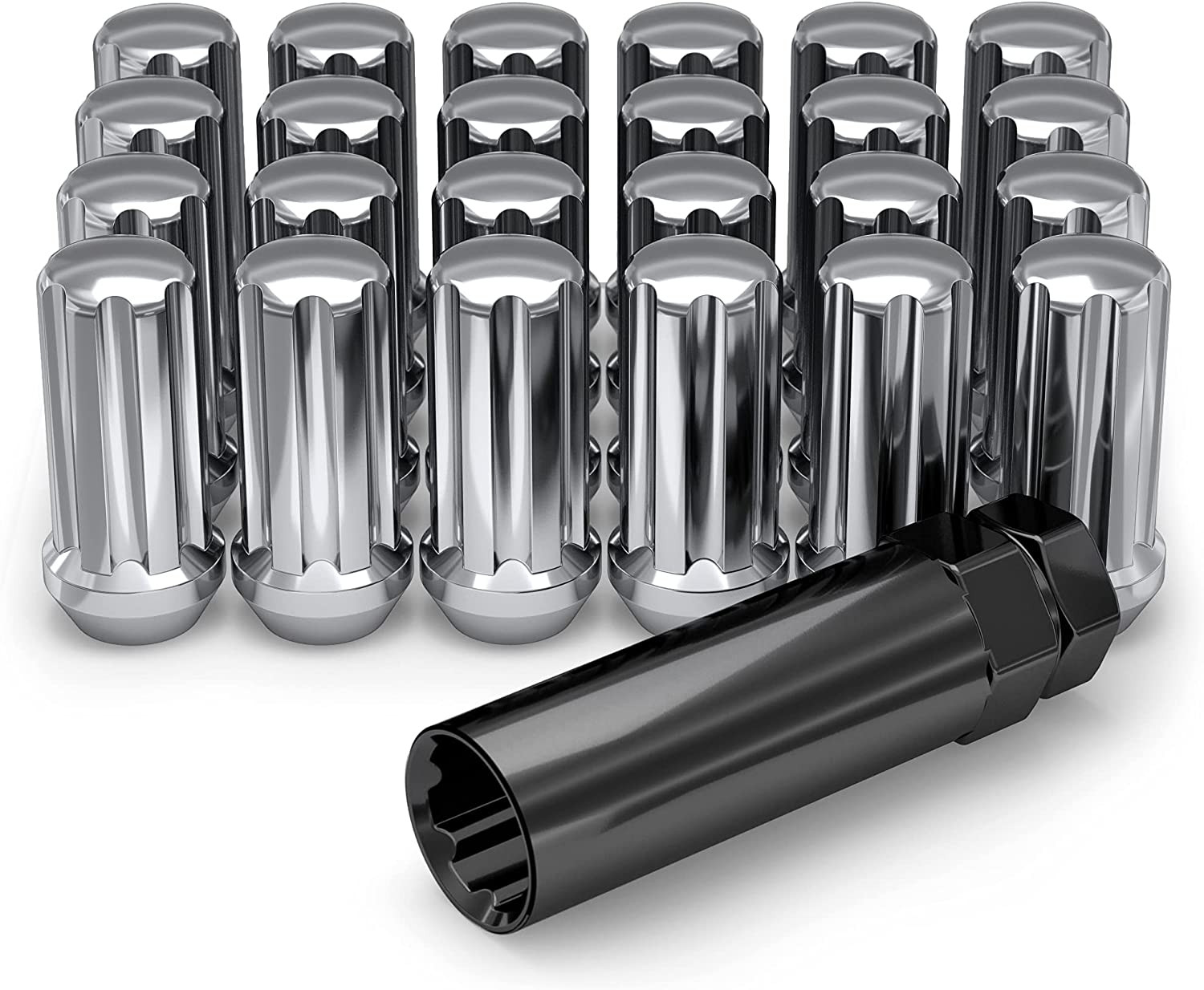
M14 x 1.5 · Thread match only; seat style is not verified
View on Amazon →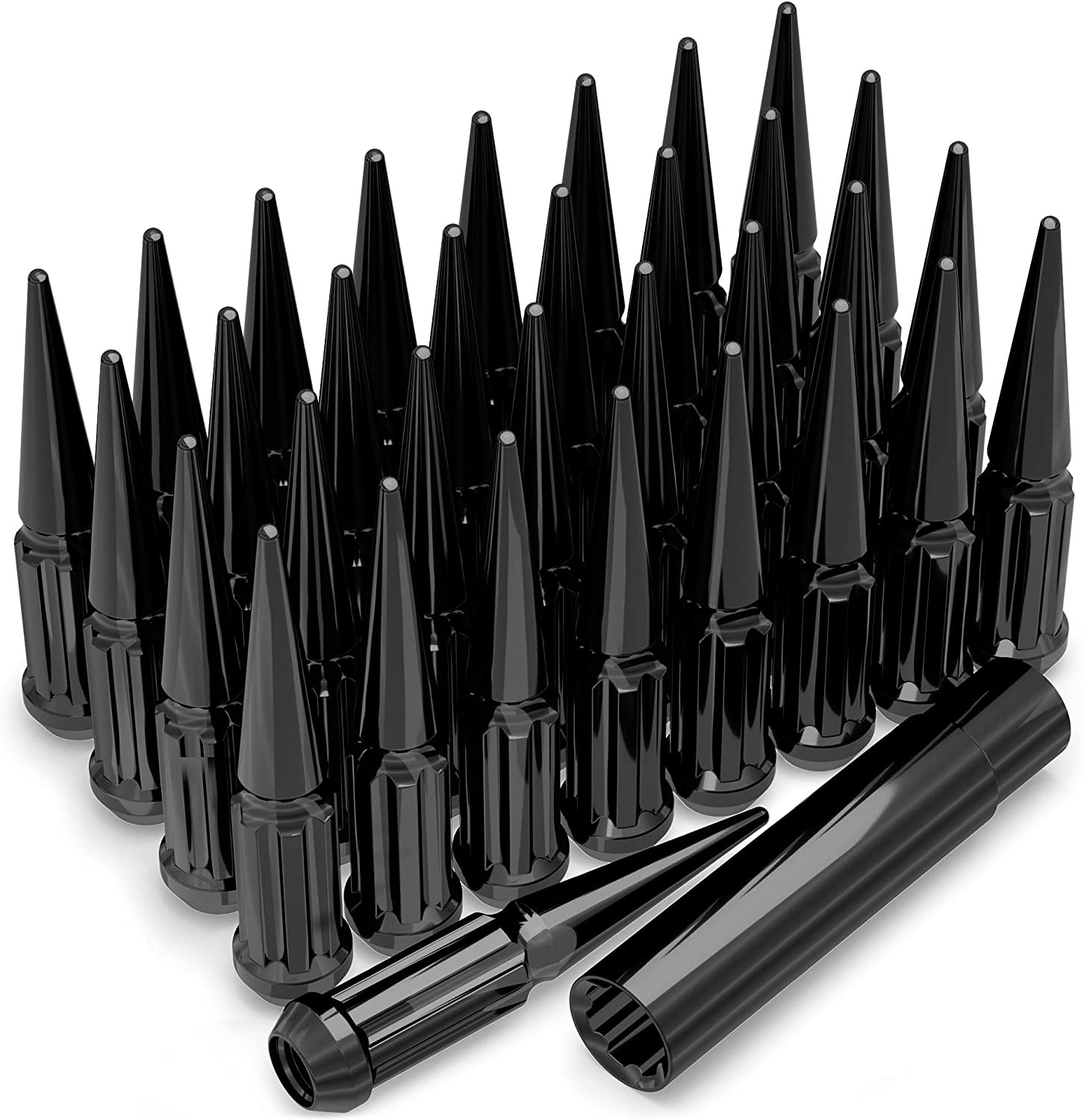
M14 x 1.5 · Thread match only; seat style is not verified
View on Amazon →As an Amazon Associate we earn from qualifying purchases. Product availability and pricing may change.
Starting point
I approach the 2014 Audi S8 in stages, because that keeps things clear and safe. Think of it as a mental model that starts with the hard specs, builds a small win with a quick check, then expands into wheels, tires, and offsets using the on-page calculator. I have learned that this sequence avoids the common pitfalls that cause rubbing, vibration, or hardware mismatches.
These are the anchor points I confirm first on every S8 I see. They do not change with wheel style and they control whether a wheel can bolt up and center correctly.
| Bolt pattern | 5x112 |
| Center bore | 66.6 mm |
| Thread size | M14 x 1.5 |
| Known OEM wheel | 21 x 9.0, ET35, backspacing 5.88 in |
| Known tire example | 265/40R20 |
Rule of thumb: the wheel must have a 5x112 bolt pattern and at least a 66.6 mm center bore. If the new wheel’s bore is larger than 66.6, I use hubcentric rings to match 66.6 mm so the wheel self-centers on the hub. Threads are M14 x 1.5 on the S8. Lug seat type and torque can vary by wheel, so I verify those with the owner’s manual or an OEM parts source.
On this page, the known OEM wheel is listed as 21 x 9.0 ET35, while the known tire example is 265/40R20. That mismatch can happen when multiple factory packages exist or when sources report different trims. I treat it as a flag to verify before buying. A quick path is to check your driver door jamb label and the owner’s manual for the tire listing on your specific car. Then I use the on-page calculator to test both 20 inch and 21 inch cases.
How I run the calculator step by step:
Think of it as a visual way to see what changes when you alter diameter, width, and offset. The calculator makes it easy to compare a donor wheel to your S8 baseline so you can predict clearance near struts, control arms, and fenders.
My mental model for fitment on the S8 is simple. Offset moves the wheel laterally, width spreads that change to both sides, and tire size affects overall diameter and sidewall shape. I use these rules of thumb while watching the calculator:
Hardware details that I confirm every time:
Before I call a setup final, I validate it three ways. First, I confirm tire and wheel listings using your door jamb label and the owner’s manual. If there is any doubt, I cross-check with an Audi dealer parts department using your VIN. Second, I use the calculator to compare your intended setup to the known S8 baseline and I note inner clearance and outer poke changes. Third, I do a careful test-fit.
My test-fit process on an S8 goes like this:
If anything looks borderline in the calculator, I address it before road use. Small offset adjustments or a slightly different tire profile can resolve light contact without compromising ride quality.
Quick recap. Your 2014 Audi S8 uses 5x112 with a 66.6 mm center bore and M14 x 1.5 threads. A known OEM wheel is 21 x 9.0 ET35 with 5.88 in backspacing. A known tire example here is 265/40R20. Since that suggests multiple factory configurations, verify your exact OEM tire size on the driver door label or manual, then use the on-page calculator to compare your target setup against the S8 baseline. Watch inner clearance, outer poke, and overall diameter. Match hub bore with 66.6 rings when needed, confirm lug seat type with the wheel vendor or Audi documentation, and torque to the spec in your manual.
This step-by-step flow has kept my S8 fitments predictable and drama free. If you keep the calculator as your guide and confirm the few OEM details that can vary, you will move from exploratory to resolved with confidence.
Wheel interchange depends on more than bolt pattern. Where data is available, this site compares recorded OEM values:
A normal wheel spacer does not change bolt pattern. Hub rings cannot enlarge a wheel bore that is smaller than the hub. Brake clearance and tire package fitment still require vehicle-specific checks when not confirmed in the dataset.
