2022 BMW X1 Wheel Fitment Guide
Known OEM Fitment For 2022 BMW X1
The values below are taken from available OEM data for the 2022 BMW X1. Wheel and tire specs can vary by trim level, option package, and market. If a value is missing for your specific car, confirm it on your tire placard, owner manual, VIN-specific OEM parts catalog, or by using the on-page calculator to compare what is on your vehicle today.
| Bolt pattern | 5x112 |
| Center bore | 66.6 mm |
| Thread size | M14 x 1.25 |
One documented OEM wheel configuration:
| Rim diameter | 20 in |
| Rim width | 8.0 in |
| Offset | ET 50 mm |
| Backspacing | 5.97 in |
One documented OEM tire size reference:
| Tire section width | 225 mm |
| Tire aspect ratio | 50 |
| Tire rim diameter | R18 |
Note: Both an 18 inch tire size and a 20x8 wheel are referenced above. This reflects that factory equipment may differ by package and market. Always verify your exact factory sizes by checking the driver door placard and OEM sources for your VIN.
How To Use The Wheel Interchange Calculator
The calculator on wheelinterchange.com lets you model clearances and diameter changes before you buy. It compares Wheels from the donor vehicle to what is Installed on your vehicle and allows Custom wheel size and Custom tire size adjustments.
- Set Installed on (your vehicle) to 2022 BMW X1, then enter your current tire size from the sidewall and your wheel width and offset if known. If you are unsure of offset, check the inside of a wheel spoke for a marking like ET50.
- Choose Wheels from for the donor vehicle you are considering, or enter a Custom wheel size. Example: test a 20x8 ET50 wheel to mirror the OEM 20x8 ET50 reference above.
- Adjust Custom tire size by section width and aspect ratio to keep overall diameter close to stock. When you change rim diameter, the calculator updates the tire diameter comparison.
- Review inner clearance, outer poke, ride height change, and speedometer variance. Aim to keep total tire diameter change small. Many shops target within about 3 percent, but confirm against OEM guidance for your use case.
- Print or save your results, then physically measure your car for brake caliper and suspension clearance before purchasing.
Fitment Checklist Before You Buy
- Bolt pattern: Must be 5x112.
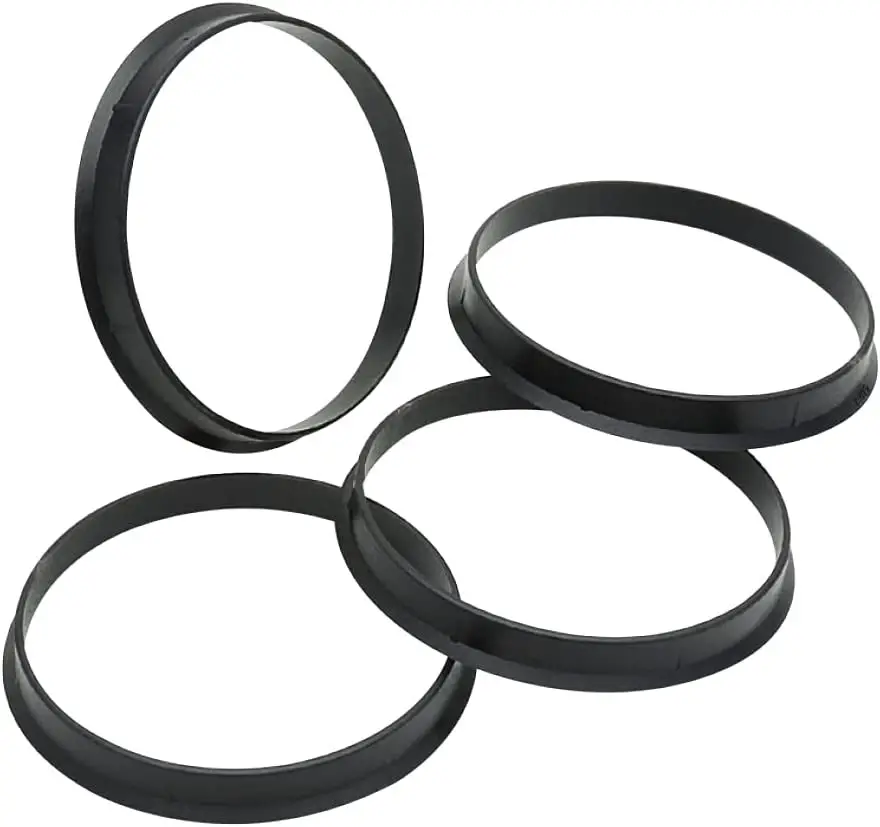
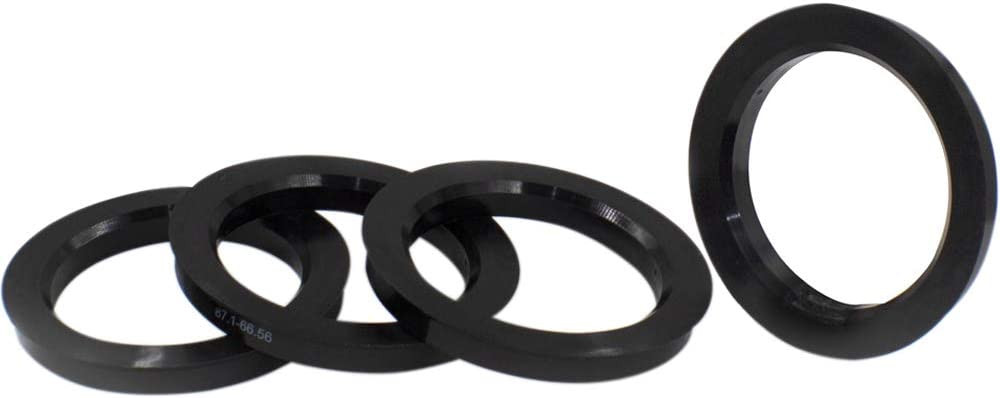
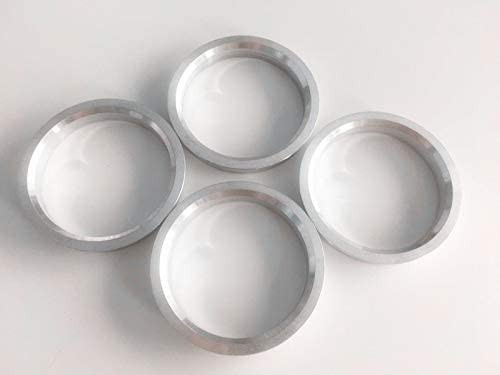
- Center bore: BMW hub is 66.6 mm. The wheel center bore must be 66.6 mm or larger. If larger, use hub centric rings to reduce to 66.6 mm. A smaller bore will not fit.
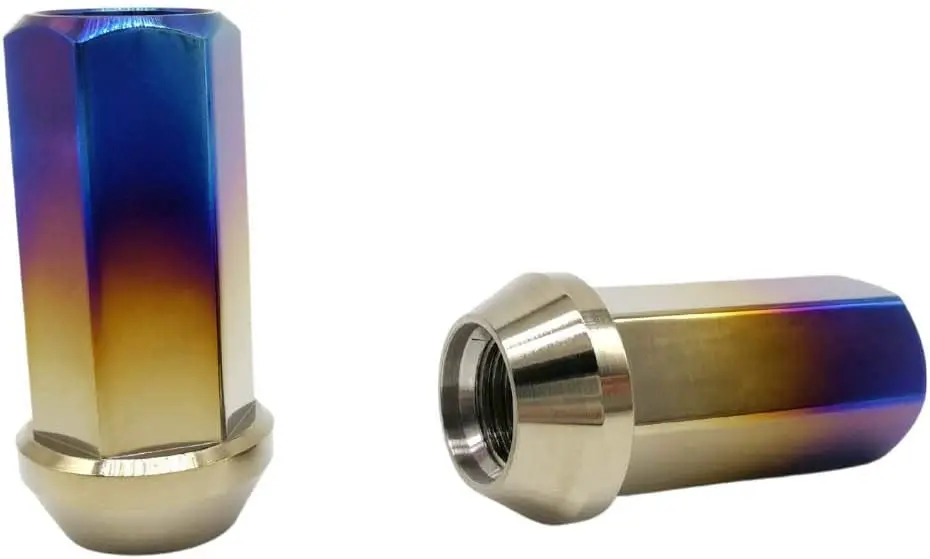
- Thread size and hardware: 2022 X1 uses wheel bolts with M14 x 1.25 threads. Bolt length and seat style depend on the wheel design and whether spacers are used. Verify with the wheel manufacturer or parts catalog. Do not mix ball seats with conical seats.
- Offset and backspacing: Compare your target wheel to stock using the calculator. Ensure inner clearance to struts and brake lines, and confirm outer position does not contact the fender or liners.
- Brake caliper clearance: Spoke design matters. Test fit a front wheel and rotate by hand. If unavailable, request a brake clearance template from the wheel maker.
- Tires: Match or exceed the OEM load index and speed rating on your door placard. Use the calculator to keep overall tire diameter close to factory to protect ABS and AWD behavior.
- TPMS: The 2022 X1 commonly uses TPMS sensors mounted in the wheel in many markets, but this can vary. Reuse your sensors or purchase compatible units verified by VIN. Always perform relearn procedures as specified by BMW.
- Quality and rating: Use wheels with a load rating suitable for an SUV and compliant with standards such as JWL or VIA where applicable.
- Final check: Confirm return policy, hub centric ring sizes, bolt seat type, and required bolt length before mounting tires.
Plus Sizing And Common Upgrades
Plus sizing changes wheel diameter and width while keeping overall tire diameter close to what BMW intended. The process is straightforward:
- Establish your baseline using the tire placard or your current size. The data above shows a factory 225/50R18 reference for some vehicles.
- When moving up in wheel diameter, select a lower tire aspect ratio so the overall diameter remains similar. Use the calculator to visualize ride height and speedometer change.
- Wider wheels and tires may require different offsets to maintain inner clearance. Verify with the calculator, then measure your car.
- If you consider spacers for aesthetics or brake clearance, use hub centric spacers sized for 66.6 mm and extended M14 x 1.25 bolts of the correct seat style. Recheck fender and inner liner clearance lock to lock and over bumps.
Because OEM sizes can vary by package, do not assume a specific upgrade path. Confirm everything against your current setup and BMW documentation.
Installation Tips
- Safety first: Support the vehicle with jack stands on approved lift points. Chock wheels on the ground.
- Prep: Clean hub faces and wheel mounting pads with a nylon or brass brush. Lightly remove rust on the hub lip so the wheel seats fully.
- Hub centering: If your wheel bore is larger than 66.6 mm, install the correct hub centric rings before mounting.
- Hardware: Match bolt thread (M14 x 1.25) and seat style to the wheel. If using spacers, use appropriately longer bolts. Do not lubricate bolt seats. A tiny smear of anti seize on the hub lip is acceptable, not on bolt threads unless BMW specifies.
- Mounting: Because BMW uses wheel bolts, use a wheel hanger or guide pin to align the wheel. Start bolts by hand and snug in a star pattern.
- Torque: Tighten to the factory specification from your owner manual or service information using a calibrated torque wrench. Recheck torque after 50 to 100 miles.
- Post install: Turn steering lock to lock and drive over small bumps to listen and check for rubbing. Verify TPMS warning status and correct tire pressures.
Tools And Helpful Supplies
FAQs
Will 5x112 wheels from another brand fit my 2022 BMW X1?
Possibly. The bolt pattern matches, but you must also match or adapt the center bore to 66.6 mm, verify offset and backspacing with the calculator, confirm brake caliper clearance, and use the correct bolt seat style and thread size M14 x 1.25.
What offset should I use?
Offset depends on wheel width and design. One documented OEM reference is ET50 on a 20x8 wheel. Other factory or aftermarket sizes may differ. Check your wheel markings and use the calculator to compare inner clearance and outer poke before buying.
Do I need new lug bolts when changing wheels?
Use bolts that match BMW’s M14 x 1.25 thread and the wheel’s seat style. Length must provide proper thread engagement and accommodate any spacers if used. Reusing OEM bolts is acceptable only if seat style and length are correct for the new wheel. When in doubt, confirm with the wheel manufacturer or dealer.
Do I need hub centric rings?
If the wheel’s center bore is larger than 66.6 mm, install rings that reduce the bore to 66.6 mm so the wheel is hub centric. If the bore is exactly 66.6 mm, rings are not needed. A smaller bore will not fit.
What tire sizes can I run on 20 inch wheels?
Choose a tire size that keeps overall diameter close to your factory reference, and that matches the wheel width and load index requirements. Use the calculator to model diameter and clearance changes, then confirm with the tire manufacturer’s approved rim width range.
Can I use spacers on the X1?
Yes, if needed for brake or fender clearance, but select hub centric spacers for a 66.6 mm hub and use the correct longer M14 x 1.25 bolts. Recheck clearances and torque. Follow local regulations.
What is the correct wheel bolt torque?
The exact torque is not provided here and may vary by BMW documentation. Use the value in your owner manual or BMW service information and tighten with a calibrated torque wrench in a star pattern. Re torque after 50 to 100 miles.