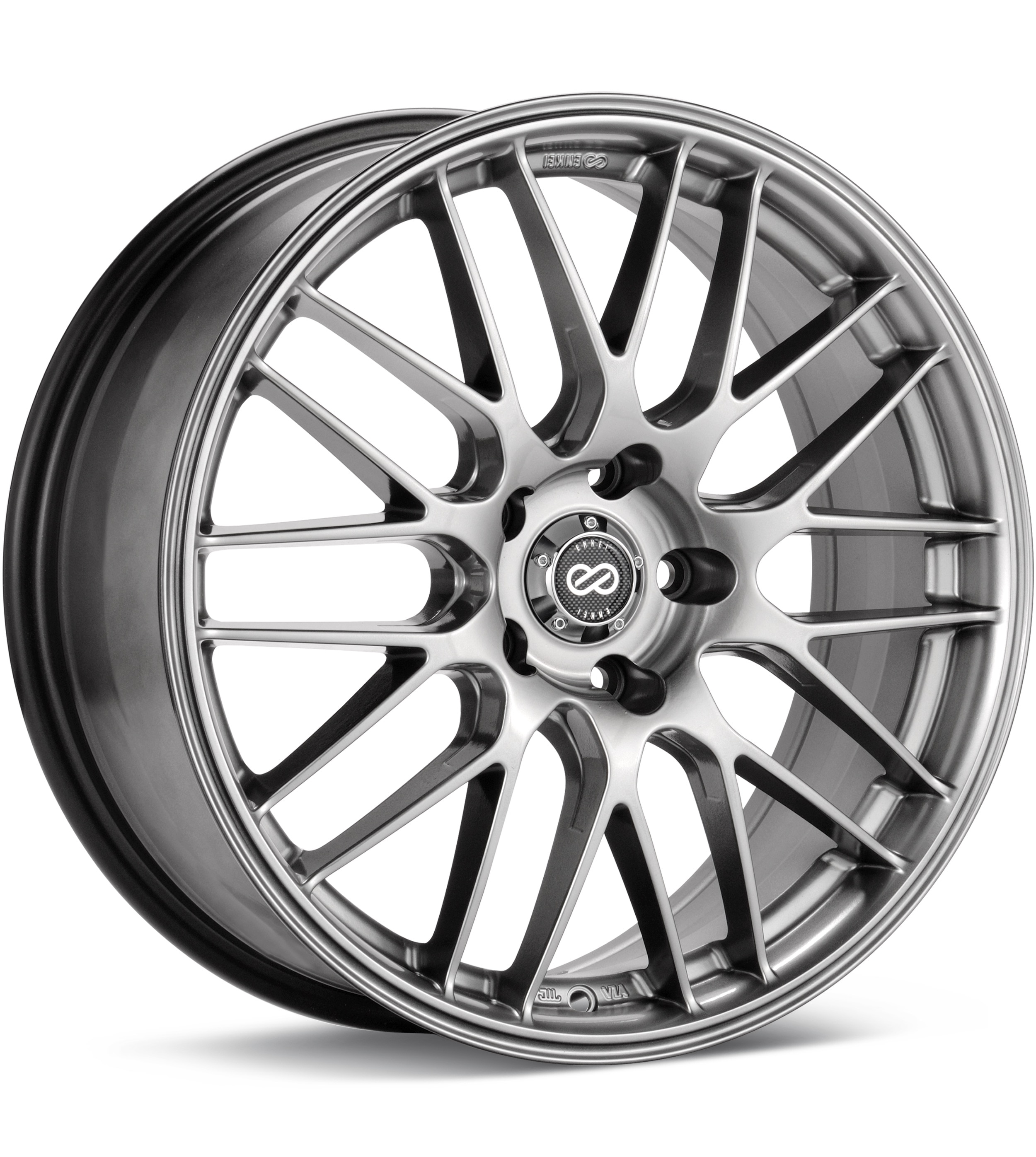
Enkei Performance
EKM3
Bright Satin Sil
18 × 8″ · ET +42
$220.59
View at Tire Rack ↗Recorded OEM specifications for the 2015 Buick Regal, donor years with overlapping ranges, and a calculator to compare a selected wheel. Range overlap is not a guaranteed fit.
Save these wheel specs to your Ownery garage
Baseline mounting dimensions used for interchange decisions.
Multiple OEM configurations exist for this vehicle. Fitment can vary by trim, brakes, and factory wheel package – confirm your exact setup before buying.
Thread-only product links are shopping examples, not verified fits. Seat style is not confirmed here. As an Amazon Associate we earn from qualifying purchases.
Selected size: 18 × 8″ · ET +42
Showing matching bolt patterns and offsets up to 20 mm lower. Confirm center bore, load rating, and clearance at Tire Rack.
Enkei Performance
Bright Satin Sil
18 × 8″ · ET +42
$220.59
View at Tire Rack ↗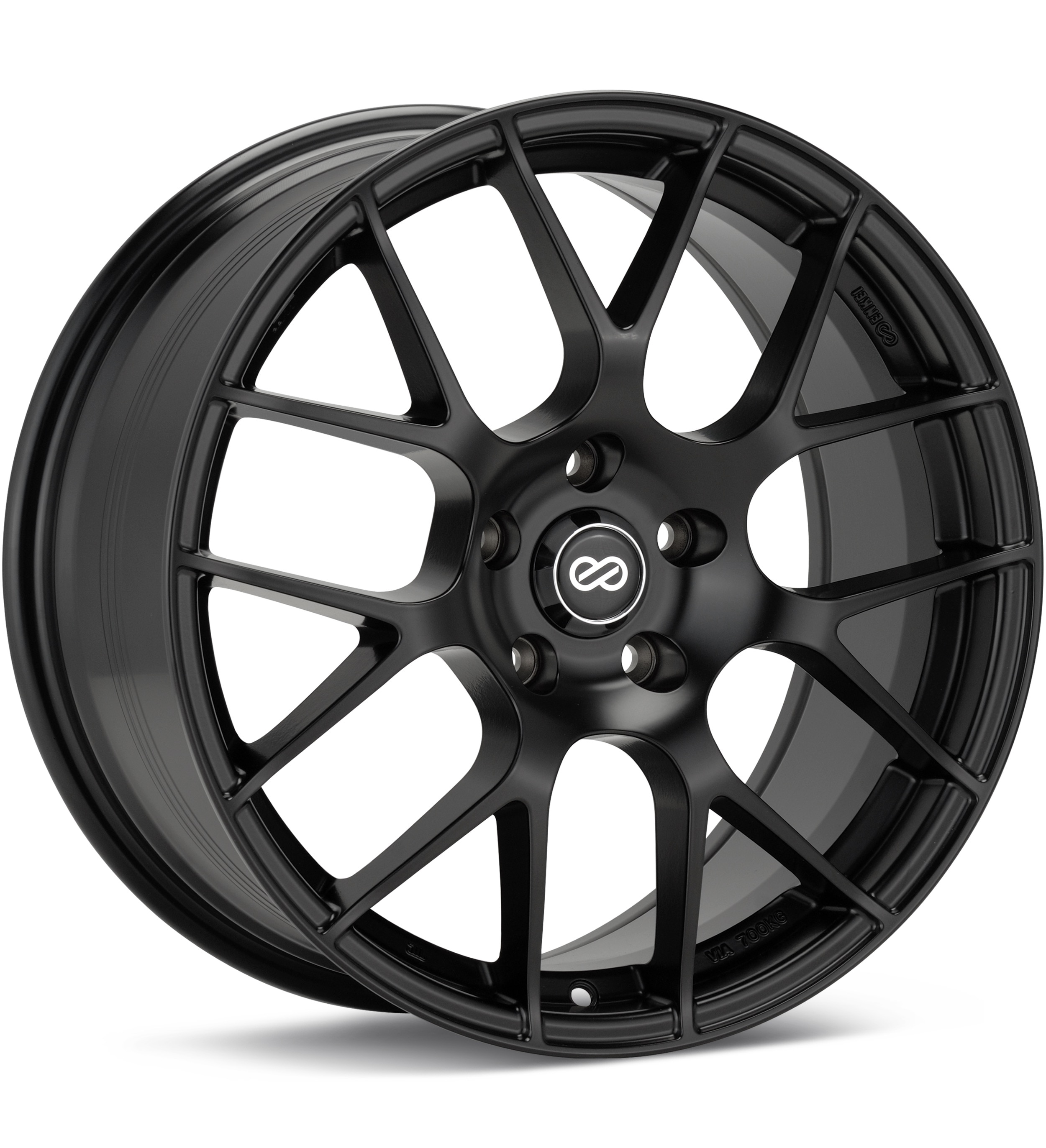
Enkei Tuning
Black
18 × 8″ · ET +42
$230.01
View at Tire Rack ↗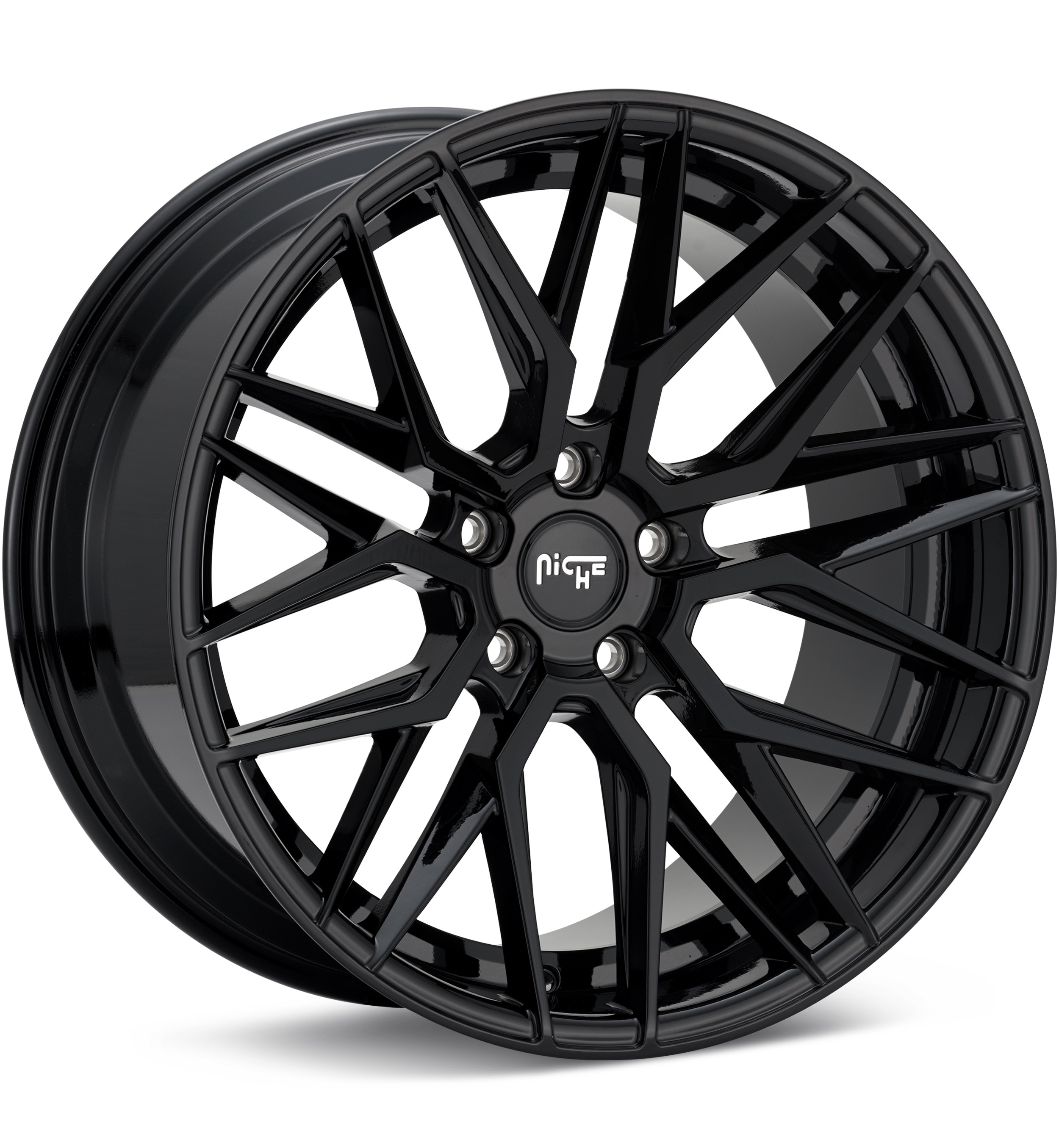
Niche Road Wheels
Gloss Black
18 × 8″ · ET +40
$378.00
View at Tire Rack ↗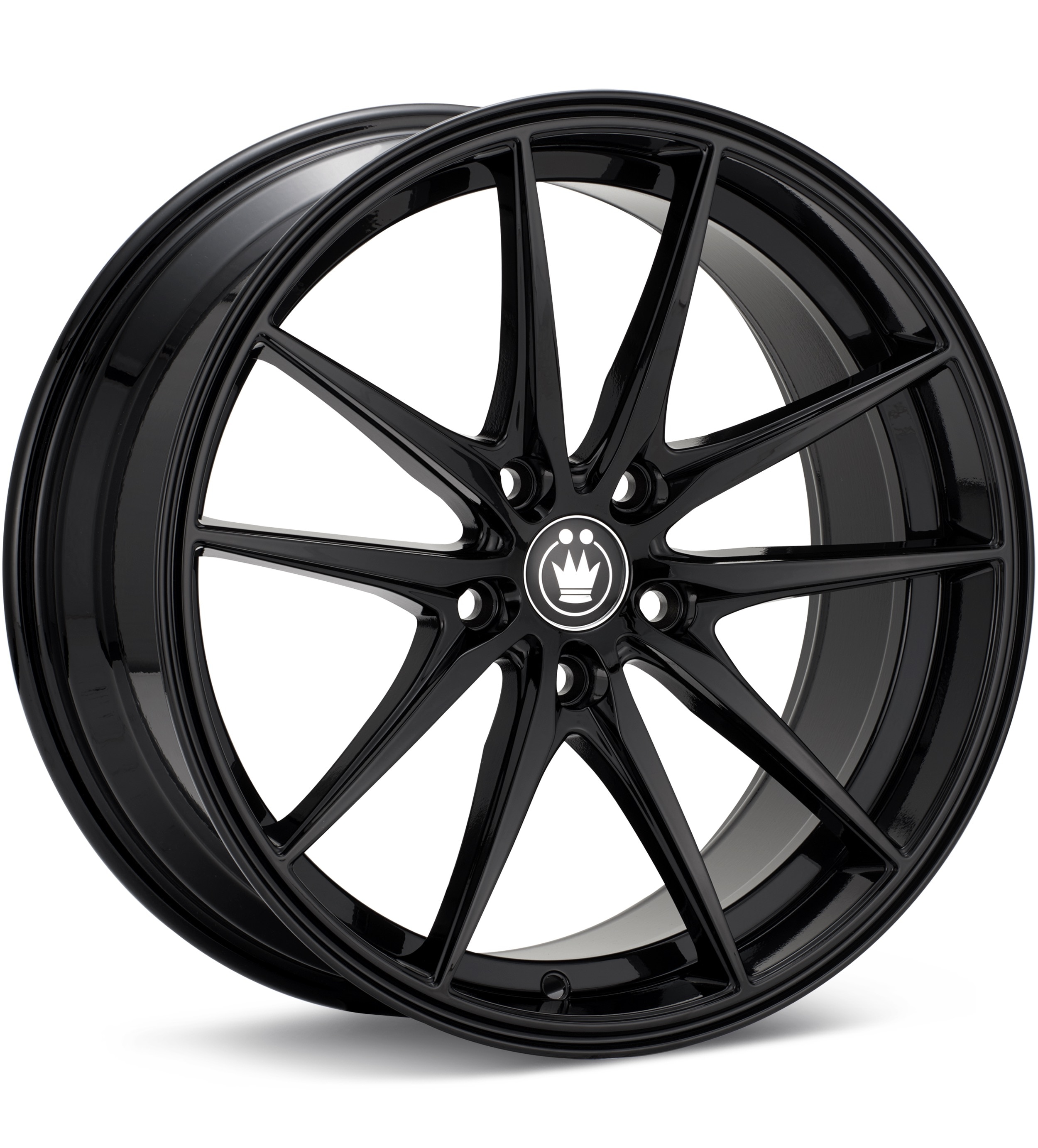
Konig
Gloss Black
18 × 8″ · ET +35
$234.40
View at Tire Rack ↗We may earn a commission when you buy through these links. Prices and availability may change.
These are vehicle-year records whose recorded OEM ranges overlap this 2015 Buick Regal. Overlap is not a guarantee that a specific wheel will install. Selected-wheel comparison is in the calculator below.
Evaluated 19 donor years. Listed 19 eligible overlaps (not all evaluated years are compatible). Showing all listed.
Years grouped because recorded compatibility evidence is equivalent. Each year keeps its own page.
Dataset suggestionHub-centric rings ≈ 70.3 → 66.9 mm – not a verified installation requirement.
Hub-centric rings of about 70.3 → 66.9 mm mm may be relevant if the wheel bore is larger than the hub; they cannot enlarge a smaller bore. Approximate position vs the mid OEM package: outer change 4.68 mm, inner change 1.67 mm. This uses aggregated width/offset ranges, not a specific wheel.
Years grouped because recorded compatibility evidence is equivalent. Each year keeps its own page.
Recorded vehicle-side thread for the 2015 Buick Regal is M14x1.5. This donor year is recorded as 1/2"-20UNF. That is the vehicle stud/nut thread, not an intrinsic thread stamped on the wheel. Hardware must match this vehicle’s studs and the selected wheel’s seat and engagement. Existing hardware may be reusable if it already matches. Seat style is not in this dataset, so products are not a verified fit.
Dataset suggestionHub-centric rings ≈ 70.3 → 66.9 mm – not a verified installation requirement.
Hub-centric rings of about 70.3 → 66.9 mm mm may be relevant if the wheel bore is larger than the hub; they cannot enlarge a smaller bore. Recorded vehicle-side thread differs (1/2"-20UNF on the donor year vs M14x1.5 on the target vehicle). Hardware must match the target vehicle’s studs and the selected wheel’s seat. Existing hardware may be reusable if it already matches. Seat style is not confirmed in this dataset. Width/offset ranges overlap; confirm diameter and brake clearance for your trim.
Years grouped because recorded compatibility evidence is equivalent. Each year keeps its own page.
Approximate position vs the mid OEM package: outer change 5.68 mm, inner change 0.67 mm. This uses aggregated width/offset ranges, not a specific wheel.
Dataset suggestionHub-centric rings ≈ 70.3 → 66.9 mm – not a verified installation requirement.
Hub-centric rings of about 70.3 → 66.9 mm mm may be relevant if the wheel bore is larger than the hub; they cannot enlarge a smaller bore. Approximate position vs the mid OEM package: outer change 5.68 mm, inner change 0.67 mm. This uses aggregated width/offset ranges, not a specific wheel.
Only years with evidence-based interchange relationships are listed. Adjacent years are not assumed compatible.
Compare a donor vehicle or custom wheel against this 2015 Buick Regal. Use Compare in calculator on a donor row above to fill the donor side of this same calculator.
Compare wheel compatibility between two vehicles
2015 Buick Regal





Example products matched to recorded thread, hub, or spacer dimensions. They are not verified fits. Confirm seat style, thickness, and clearance before ordering.
M14 x 1.5
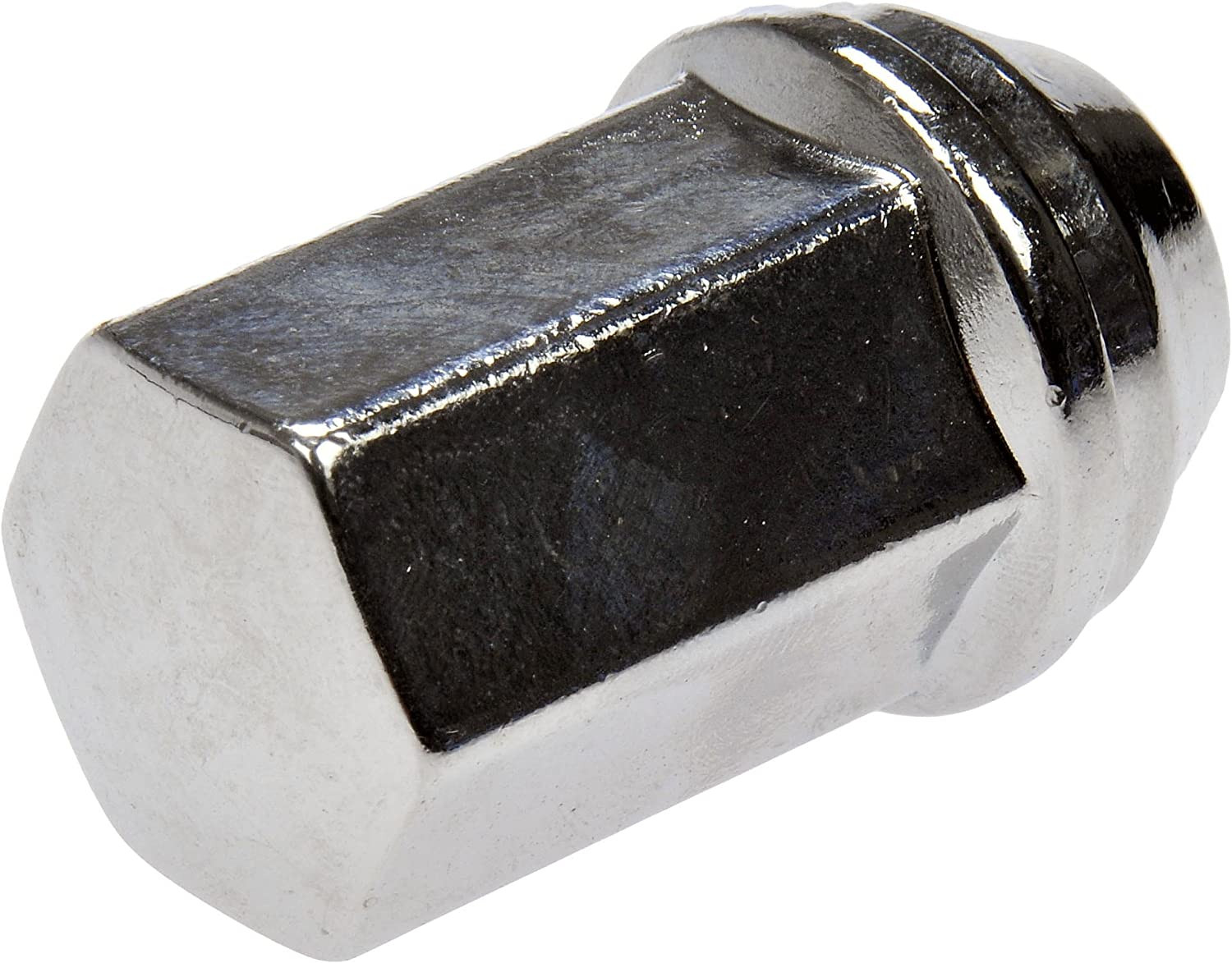
M14 x 1.5 · Thread match only; seat style is not verified
View on Amazon →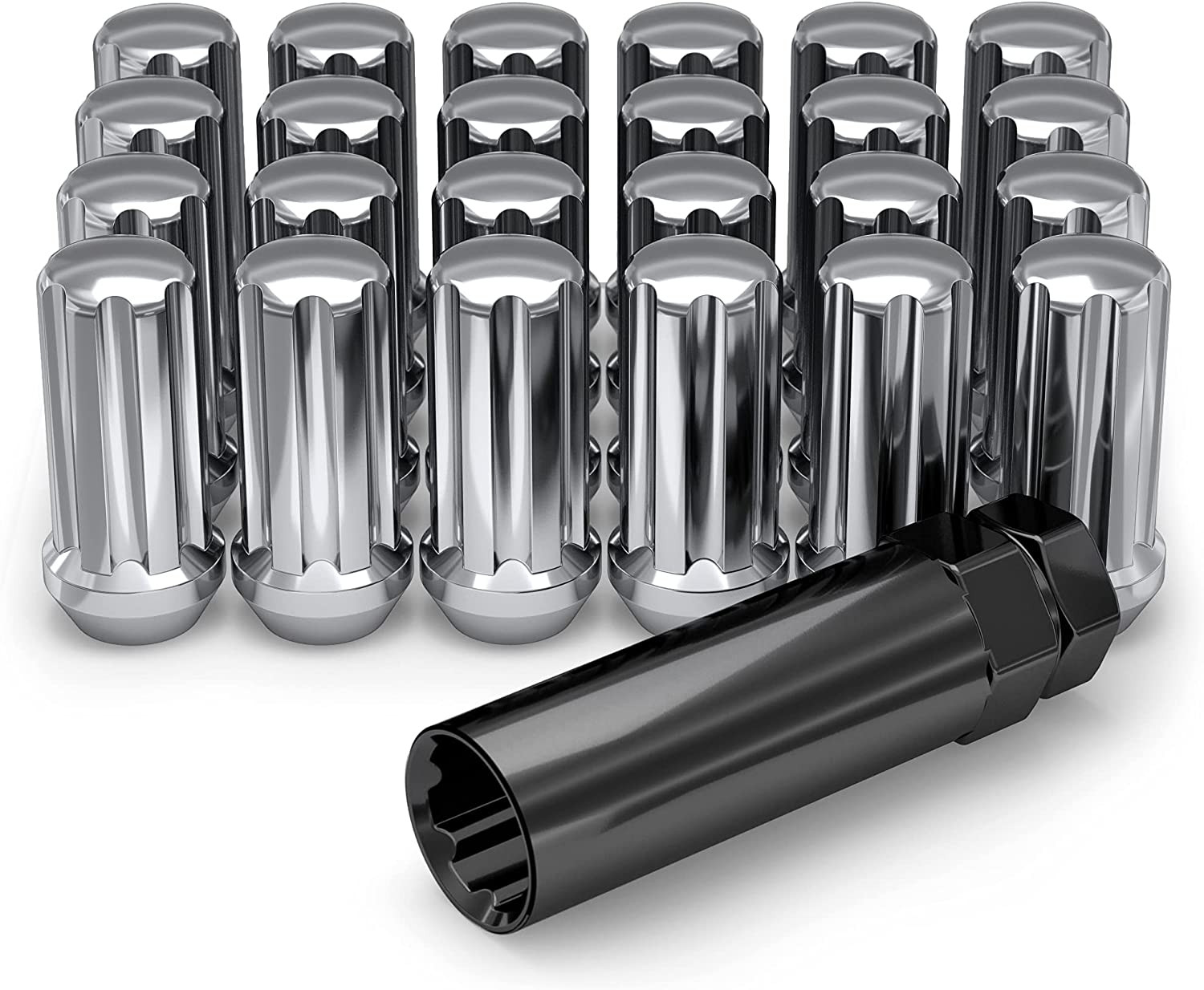
M14 x 1.5 · Thread match only; seat style is not verified
View on Amazon →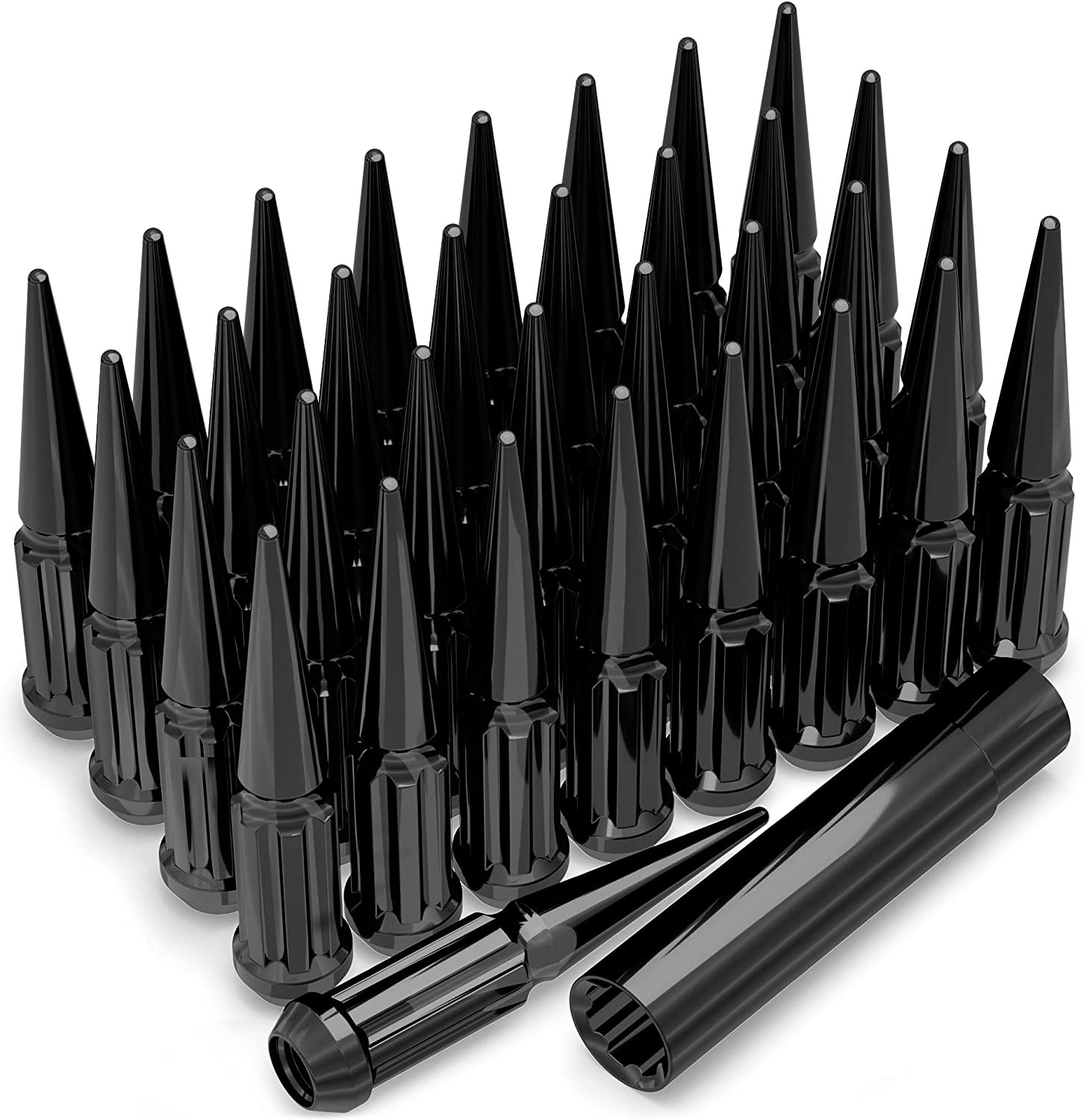
M14 x 1.5 · Thread match only; seat style is not verified
View on Amazon →As an Amazon Associate we earn from qualifying purchases. Product availability and pricing may change.
The values below are taken from available OEM references for certain trims or option packages. This list may be partial. If a spec varies by trim, confirm it on your vehicle, with the on-page calculator, and with OEM sources such as the owner manual or dealer parts catalog.
| Wheel Specifications | |
|---|---|
| Bolt pattern | 5x120 |
| Center bore | 66.9 mm |
| Thread size | M14 x 1.5 |
| Rim diameter | 19 in |
| Rim width | 8.5 in |
| Offset | ET 45 mm |
| Backspacing | 6.02 in |
| Tire Specifications | |
|---|---|
| Section width | 235 mm |
| Aspect ratio | 50 % |
| Rim diameter | 18 in |
| Combined size example | 235/50R18 |
Notes:
The mixed OEM data above suggests the 2015 Regal may have been offered with multiple factory wheel and tire packages. If your car has 18 inch OEM tires for example 235/50R18 some owners consider a plus-one move to 19 inch wheels. Others may downsize from 19 to 18 for winter or ride comfort. Whether upsizing or downsizing, always verify brake clearance, fender clearance, and load ratings.
Are all 2015 Buick Regal trims 5x120?
The known OEM data here lists 5x120. Because trims and packages can vary, verify your specific car’s bolt pattern on the door jamb placard, in the owner manual, or by referencing the VIN in a dealer parts catalog.
Will 5x120.65 or 5x4.75 wheels fit a 5x120 hub?
No. 5x120, 5x120.65, and 5x4.75 are different patterns. Do not force fit or rely on wobble hardware. Use the exact 5x120 pattern for proper centering and safety.
Do I need hub-centric rings for aftermarket wheels?
If the wheel center bore is larger than 66.9 mm, use rings to step down to 66.9 so the wheel is centered on the hub. Rings do not fix an incorrect bolt pattern or offset.
What is the largest tire I can run without rubbing?
It depends on wheel width, offset, and suspension condition. Use the calculator to model inner and outer clearance against your baseline, then test fit and inspect through full suspension travel and steering lock. When in doubt, consult a professional.
Can I downsize to 18 inch wheels for winter or comfort?
Downsizing is possible on some trims if the wheel clears the brakes and the tire overall diameter remains close to stock. Verify brake caliper clearance, load rating, and speed rating. Use the calculator to select an 18 inch tire with similar overall diameter.
Do I need new lug nuts with aftermarket wheels?
Possibly. Keep the same thread size M14 x 1.5 and use the seat style required by the wheel cone or ball. Confirm that the shank length and head style clear the wheel’s lug holes.
Is using spacers safe?
Only when necessary and properly engineered. Spacers should be hub-centric, maintain adequate hub engagement, and be paired with appropriate extended studs or bolts. Recheck torque often. Adapters that change bolt pattern must meet local regulations and be installed by a professional.
Why does the backspacing number not match my calculation?
Manufacturers may report backspacing using different lip measurements or rounded offsets. Measure the actual wheel in hand and use the calculator for side-by-side comparisons before committing.
Wheel interchange depends on more than bolt pattern. Where data is available, this site compares recorded OEM values:
A normal wheel spacer does not change bolt pattern. Hub rings cannot enlarge a wheel bore that is smaller than the hub. Brake clearance and tire package fitment still require vehicle-specific checks when not confirmed in the dataset.
