2007 Chevrolet Cobalt Wheel Fitment Guide | wheelinterchange.com
Known OEM Fitment For 2007 Chevrolet Cobalt
The following values are the known OEM specifications available for this model year. Some trims or option packages can differ. If any value on your car does not match, use your door-jamb tire placard, the owner’s manual, or an OEM source with your VIN to confirm, then enter your exact factory setup in the calculator.
| Bolt pattern (studs x PCD) |
4x100 |
| Center bore |
56.6 mm |
| Thread size |
M12 x 1.5 |
| Rim diameter |
17 in |
| Rim width |
7.0 in |
| Wheel offset (ET) |
42 mm |
| Backspacing |
5.15 in |
| Tire size |
205/50R17 |
If your 2007 Chevrolet Cobalt left the factory with a different wheel or tire size, that is normal for certain trims. Verify your exact OEM size and specifications before comparing or buying wheels.
How To Use The Wheel Interchange Calculator
The calculator on this page is designed to compare a “Wheels from (donor vehicle)” setup against “Installed on (your vehicle).” It also lets you try a custom wheel and tire size. Follow these steps:
- Select the donor vehicle that the wheels come from. If you are evaluating a bare wheel, you can enter a Custom wheel size directly.
- Set “Installed on” to 2007 Chevrolet Cobalt, then confirm the OEM size in the fields. If your factory setup differs from the values above, overwrite them with your exact OEM sizes.
- Try Custom wheel size changes. Adjust rim width and offset to see inner clearance to suspension and outer “poke” toward the fender.
- Try Custom tire size. Enter section width and aspect ratio. When you change rim diameter, the calculator will update tire diameter in the comparison, making total-height changes easy to visualize.
- Watch the readouts for inner clearance (strut and spring), outer clearance (fender and liner), speedometer change, and scrub radius shift.
- Use the results to decide if you need hub-centric rings for a larger center bore, different lug nuts or bolts, or a different offset for clearance.
Tip: Keep overall tire diameter close to stock, typically within about 3 percent, to protect ABS, gearing feel, and speedometer accuracy. Always verify brake caliper clearance with the wheel design you plan to use.
Fitment Checklist Before You Buy
Run through this list to avoid returns and safety issues.
- Bolt pattern must match 4x100. Do not rely on “close” sizes. Adapters change geometry and require additional checks.
- Center bore must be 56.6 mm or larger. If larger, use hub-centric rings that reduce to 56.6 mm. If smaller, the wheel will not seat.
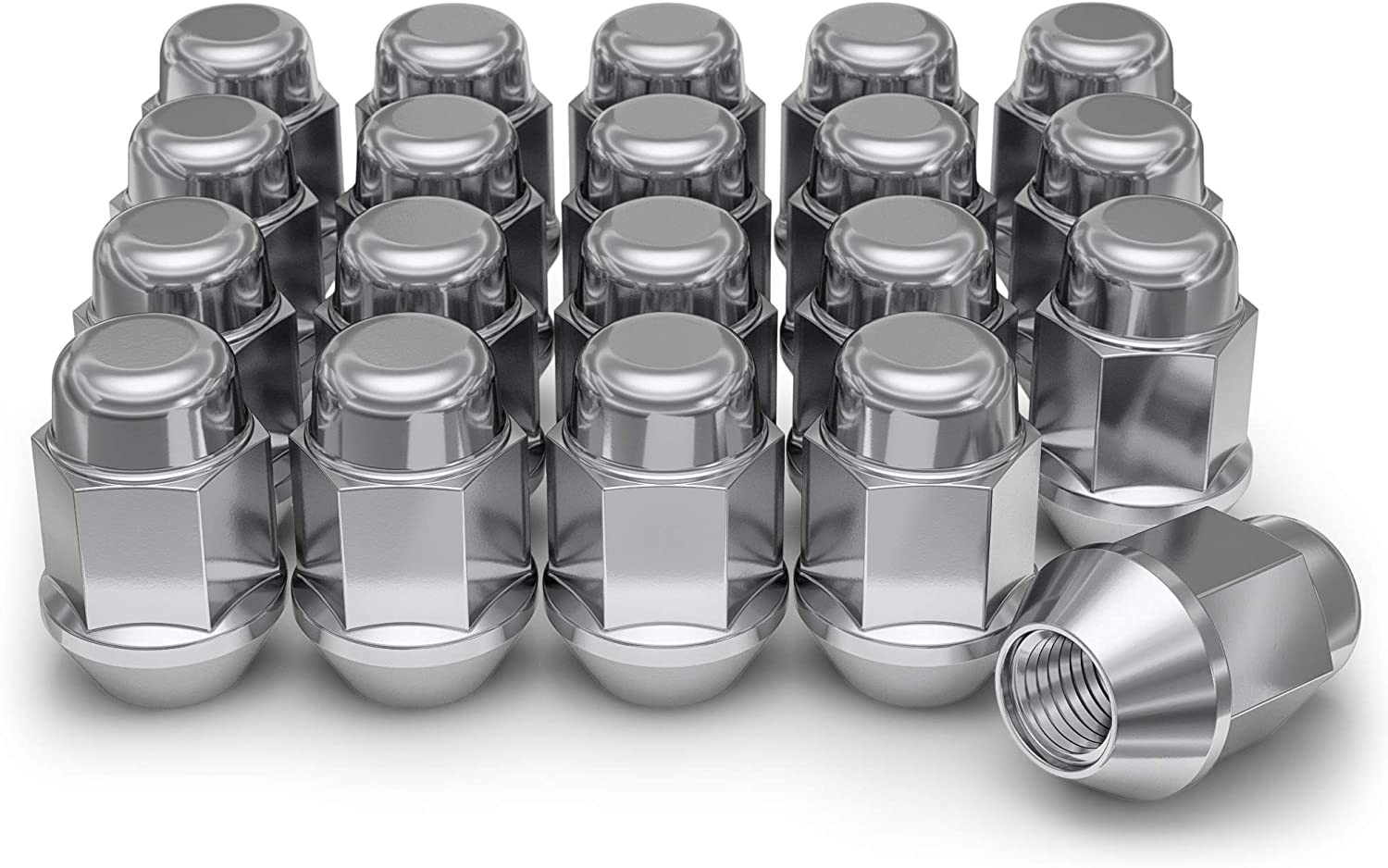
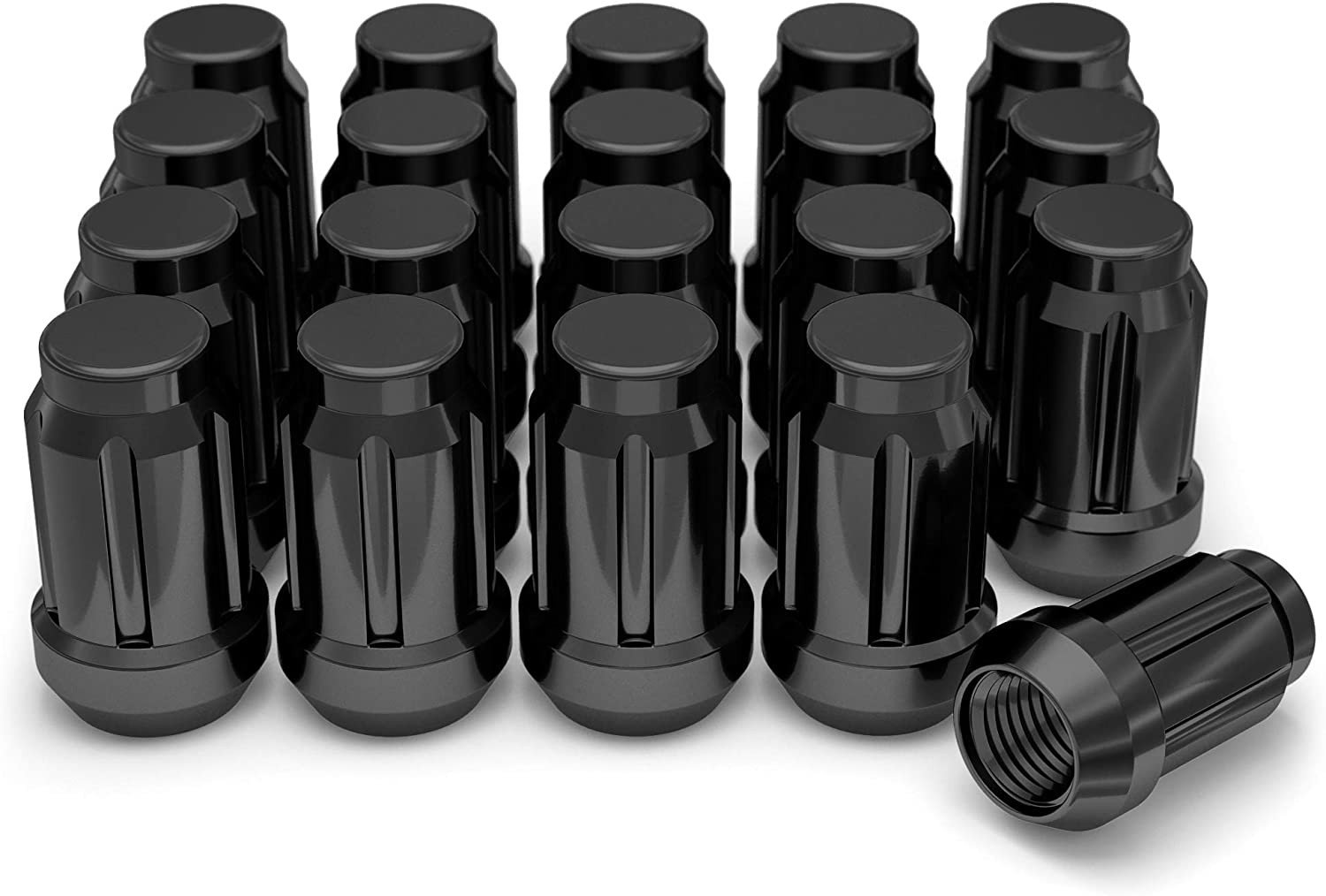
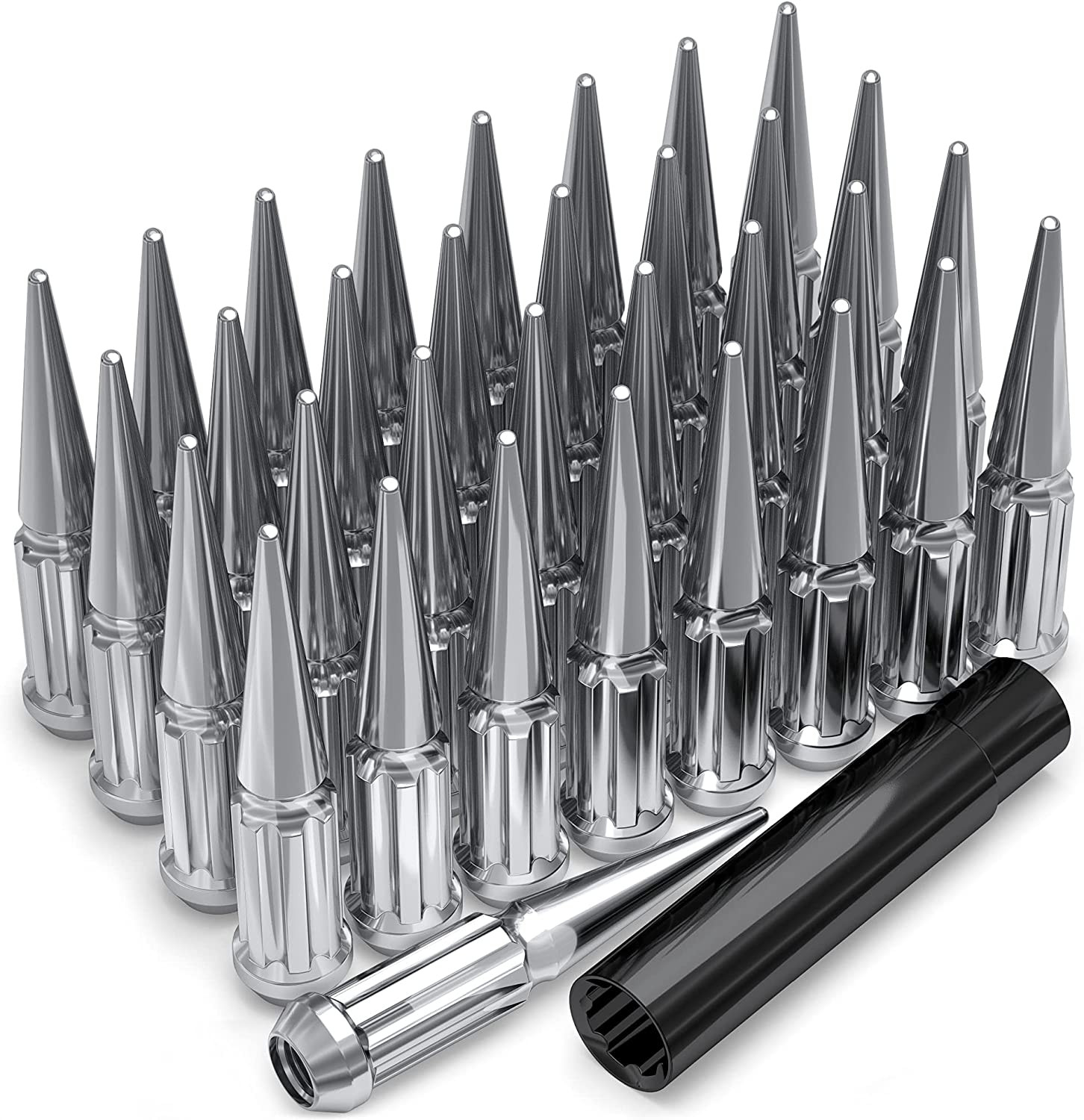
- Thread size is M12 x 1.5. Match lug nut or bolt thread and the seat style to the wheel design. Do not mix seat types.
- Offset and width must clear on the inside and outside. Use the calculator to confirm at least a small safety margin on the inner side and to avoid outer fender contact.
- Tire overall diameter close to stock. Check speedometer change and fender clearance at full steering lock and full compression.
- Load rating and speed rating equal to or greater than OEM.
- Brake and TPMS compatibility. If your vehicle is equipped with TPMS, confirm sensor fit or plan to transfer and reprogram sensors.
- Proper stud engagement. Aim for full nut engagement at least equal to the stud diameter, and verify no bottoming on closed-end nuts.
Plus Sizing And Common Upgrades
Starting from the known OEM reference 17x7 ET42 with 205/50R17, you can explore wider tires, different offsets, or alternative diameters using the calculator. Because some trims vary, treat the following as testing ideas rather than guaranteed fit:
- Same diameter, slightly wider: Test a 17x7.5 or 17x8 wheel with careful offset selection. For example, a small decrease in offset can add outer poke. Use the calculator to maintain inner clearance to struts while limiting outer poke to avoid fender contact.
- Grip-oriented tire change: Test a 215-width or 225-width tire on an appropriate wheel width. Confirm fender and liner clearance at full lock and over bumps.
- Appearance change with diameter: If exploring 16 or 18 inch wheels, keep total tire diameter near stock by adjusting aspect ratio. The calculator will show total height change when you change rim diameter.
Always validate brake caliper clearance with the exact wheel model. Some designs with aggressive spokes or barrel shapes can contact calipers even when width and offset appear acceptable.
Installation Tips
Use safe shop practices and recheck everything after a short shakedown drive.
- Park on level ground, chock wheels, and support the vehicle with jack stands at proper points.
- Clean the hub face and the wheel mounting pad until they are free of rust and debris. A clean, flat interface prevents vibration.
- If using hub-centric rings, seat them fully on the wheel or hub according to the ring design. Do not force an incorrect size.
- Hand-start all lug nuts and snug in a star pattern. Do not use an impact wrench to reach final torque.
- Torque the lug nuts to the value in the owner’s manual using a calibrated torque wrench. Re-torque after 50 to 100 miles.
- Set tire pressures to the door-jamb placard, not the sidewall max.
- Road test and check for rubbing at full steering lock and over bumps. Inspect after the first drive for witness marks on liners, arms, or fender lips.
Tools And Helpful Supplies
FAQs
What is the correct bolt pattern for the 2007 Chevrolet Cobalt?
Our known OEM reference on this page lists 4x100. Some trims can differ. Verify your exact bolt pattern with the door-jamb placard, the owner’s manual, or an OEM source using your VIN before purchasing wheels.
Do I need hub-centric rings?
If your new wheel’s center bore is larger than 56.6 mm, use rings that reduce to 56.6 mm so the wheel centers on the hub. If the new wheel’s bore is smaller than 56.6 mm, it will not fit.
What offset range will fit?
This can vary by trim and brake package. Use the calculator to model your current wheel, then test the new wheel width and offset. Maintain inner clearance to suspension components and control outer poke to avoid fender contact. Physically measure your car for final confirmation.
Can I run spacers or adapters?
Spacers and adapters change offset and can affect bearing load. If you use them, choose hub-centric parts, ensure proper stud engagement or use extended studs, and verify local regulations. Re-check torque after 50 to 100 miles.
What tire sizes will not rub?
There is no single answer for all trims or wheel designs. Keep overall diameter close to stock and use the calculator to check inner and outer clearances. Always test turn-to-lock and drive over bumps to confirm.
What lug nuts should I use?
Match thread size M12 x 1.5 and the seat type required by the wheel (commonly conical or ball). Using the wrong seat type can lead to loosening or damage.
What torque should I use on the lug nuts?
Follow the torque specification in the 2007 Chevrolet Cobalt owner’s manual or an OEM service source. Re-torque after a short drive.