2013 Chevrolet Spark Wheel Interchange

OEM wheel and tire fitment specs for the 2013 Chevrolet Spark, including bolt pattern (PCD), center bore diameter, thread size, rim diameter, rim width, wheel offset, and backspacing.

2013 Chevrolet Spark Fitment Specs

Baseline mounting dimensions used for interchange decisions.

Bolt Pattern4x100, 4x114.3
Center Bore56.6 mm
Lug ThreadM12 x 1.5
OEM Wheel Sizes13" – 16"
OEM Widths4.5" – 6"
OEM Offset Range38 mm – 50 mm

Multiple OEM configurations exist for this vehicle. Fitment can vary by trim, brakes, and factory wheel package – confirm your exact setup before buying.

Wheels That Interchange With a 2013 Chevrolet Spark

Results are evaluated from bolt pattern, center bore direction, OEM width/offset envelope, and lug hardware – not bolt pattern alone.

Direct Fit

  • Bolt pattern4x100 · Match
  • Center bore56.6 mm · Match
  • Wheel geometryCompatible with OEM envelope

Geometry within known OEM envelope (approx. outer change -3.18 mm, inner change -3.18 mm vs mid OEM).

  • Bolt pattern4x100 · Match
  • Center bore56.6 mm · Match
  • Wheel geometryCompatible with OEM envelope

Geometry within known OEM envelope (approx. outer change -3.18 mm, inner change -3.18 mm vs mid OEM).

  • Bolt pattern4x100 · Match
  • Center bore56.6 mm · Match
  • Wheel geometryCompatible with OEM envelope

Geometry within known OEM envelope (approx. outer change -3.18 mm, inner change -3.18 mm vs mid OEM).

  • Bolt pattern4x100 · Match
  • Center bore56.6 mm · Match
  • Wheel geometryCompatible with OEM envelope

Geometry within known OEM envelope (approx. outer change -3.18 mm, inner change -3.18 mm vs mid OEM).

  • Bolt pattern4x100 · Match
  • Center bore56.6 mm · Match
  • Wheel geometryCompatible with OEM envelope

Geometry within known OEM envelope (approx. outer change -3.18 mm, inner change -3.18 mm vs mid OEM).

  • Bolt pattern4x100 · Match
  • Center bore56.6 mm · Match
  • Wheel geometryCompatible with OEM envelope

Geometry within known OEM envelope (approx. outer change -3.18 mm, inner change -3.18 mm vs mid OEM).

  • Bolt pattern4x100 · Match
  • Center bore56.6 mm · Match
  • Wheel geometryCompatible with OEM envelope

Geometry within known OEM envelope (approx. outer change -3.18 mm, inner change -3.18 mm vs mid OEM).

  • Bolt pattern4x100 · Match
  • Center bore56.6 mm · Match
  • Wheel geometryCompatible with OEM envelope

Geometry within known OEM envelope (approx. outer change -4.18 mm, inner change -2.18 mm vs mid OEM).

  • Bolt pattern4x100 · Match
  • Center bore56.6 mm · Match
  • Wheel geometryCompatible with OEM envelope

Geometry within known OEM envelope (approx. outer change -4.18 mm, inner change -2.18 mm vs mid OEM).

  • Bolt pattern4x100 · Match
  • Center bore56.6 mm · Match
  • Wheel geometryCompatible with OEM envelope

Geometry within known OEM envelope (approx. outer change -4.18 mm, inner change -2.18 mm vs mid OEM).

  • Bolt pattern4x100 · Match
  • Center bore56.6 mm · Match
  • Wheel geometryCompatible with OEM envelope

Geometry within known OEM envelope (approx. outer change -4.18 mm, inner change -2.18 mm vs mid OEM).

  • Bolt pattern4x100 · Match
  • Center bore56.6 mm · Match
  • Wheel geometryCompatible with OEM envelope

Geometry within known OEM envelope (approx. outer change -4.18 mm, inner change -2.18 mm vs mid OEM).

  • Bolt pattern4x100 · Match
  • Center bore56.6 mm · Match
  • Wheel geometryCompatible with OEM envelope

Geometry within known OEM envelope (approx. outer change -4.18 mm, inner change -2.18 mm vs mid OEM).

  • Bolt pattern4x100 · Match
  • Center bore56.6 mm · Match
  • Wheel geometryCompatible with OEM envelope

Geometry within known OEM envelope (approx. outer change -4.18 mm, inner change -2.18 mm vs mid OEM).

  • Bolt pattern4x100 · Match
  • Center bore56.6 mm · Match
  • Wheel geometryCompatible with OEM envelope

Geometry within known OEM envelope (approx. outer change -1.17 mm, inner change -5.18 mm vs mid OEM).

  • Bolt pattern4x100 · Match
  • Center bore56.6 mm · Match
  • Wheel geometryCompatible with OEM envelope

Geometry within known OEM envelope (approx. outer change 2.18 mm, inner change 4.18 mm vs mid OEM).

  • Bolt pattern4x100 · Match
  • Center bore56.6 mm · Match
  • Wheel geometryCompatible with OEM envelope

Geometry within known OEM envelope (approx. outer change 2.18 mm, inner change 4.18 mm vs mid OEM).

  • Bolt pattern4x100 · Match
  • Center bore56.6 mm · Match
  • Wheel geometryCompatible with OEM envelope

Geometry within known OEM envelope (approx. outer change 8.52 mm, inner change 10.52 mm vs mid OEM).

  • Bolt pattern4x100 · Match
  • Center bore56.6 mm · Match
  • Wheel geometryCompatible with OEM envelope

Geometry within known OEM envelope (approx. outer change 8.52 mm, inner change 10.52 mm vs mid OEM).

  • Bolt pattern4x100 · Match
  • Center bore56.6 mm · Match
  • Wheel geometryCompatible with OEM envelope

Geometry within known OEM envelope (approx. outer change 8.52 mm, inner change 10.52 mm vs mid OEM).

Fits With Hub Rings

2014 Chevrolet Spark

Fits With Hub Rings
  • Bolt pattern4x100 · Match
  • Center bore69.1 → 56.6 mm
  • Wheel geometryCompatible with OEM envelope

Required part69.1 → 56.6 mm hub-centric rings

Required: 69.1 → 56.6 mm hub-centric rings. Geometry within known OEM envelope (approx. outer change -1.17 mm, inner change -5.18 mm vs mid OEM).

2015 Chevrolet Spark

Fits With Hub Rings
  • Bolt pattern4x100 · Match
  • Center bore69.1 → 56.6 mm
  • Wheel geometryCompatible with OEM envelope

Required part69.1 → 56.6 mm hub-centric rings

Required: 69.1 → 56.6 mm hub-centric rings. Geometry within known OEM envelope (approx. outer change -1.17 mm, inner change -5.18 mm vs mid OEM).

2005 Chevrolet Cobalt

Fits With Hub Rings
  • Bolt pattern4x100 · Match
  • Center bore65.1 → 56.6 mm
  • Wheel geometryCompatible with OEM envelope

Required part65.1 → 56.6 mm hub-centric rings

Required: 65.1 → 56.6 mm hub-centric rings. Geometry within known OEM envelope (approx. outer change 11.52 mm, inner change 7.52 mm vs mid OEM).

2006 Chevrolet Cobalt

Fits With Hub Rings
  • Bolt pattern4x100 · Match
  • Center bore65.1 → 56.6 mm
  • Wheel geometryCompatible with OEM envelope

Required part65.1 → 56.6 mm hub-centric rings

Required: 65.1 → 56.6 mm hub-centric rings. Geometry within known OEM envelope (approx. outer change 11.52 mm, inner change 7.52 mm vs mid OEM).

Showing 24 of 28 evaluated donors. Same-model years are prioritized.

Chevrolet Spark Years With Compatible Wheels

Only years with evidence-based interchange relationships are listed. Adjacent years are not assumed compatible.

Will Wheels From Another Vehicle Fit?

Compare a donor vehicle or custom wheel against this 2013 Chevrolet Spark.

Compare

Compare wheel compatibility between two vehicles

Wheels from (donor vehicle)

Installed on (your vehicle)

Selected Car:

2013 Chevrolet Spark

Compare Rims

Specification
Wheels from
Installed on
Result (Click it)
Bolt Pattern
Bolt Pattern
The total number of bolt holes and the diameter of the circle they form.
-
4x100
Center Bore
Center Bore
The hole in the center of the wheel that fits over the vehicle’s hub.
-
56.6 mm
Thread Size
Thread Size
The size and spacing of the threads on the bolts or nuts that hold the wheel in place.
-
M12 x 1.5
Rim Diameter
Rim Diameter
The wheel diameter in inches that determines which tire sizes will fit.
-
16"
Rim Width
Rim Width
The distance between the inner edges of the wheel is measured in inches.
-
6.0"
Wheel Offset
Wheel Offset
How far the wheel sits inward or outward relative to the hub mounting surface.
-
45 mm
Backspacing
Backspacing
Shows how much space the wheel takes up toward the inside of the vehicle.
-
-
Wheel Fasteners
Wheel Fasteners
The type of hardware used to secure the wheel to the vehicle.
-
-

Wheel Fitment Parts for the 2013 Chevrolet Spark

Products below are matched to required fitment dimensions from our parts inventory. Confirm seat style, thickness, and clearance before ordering.

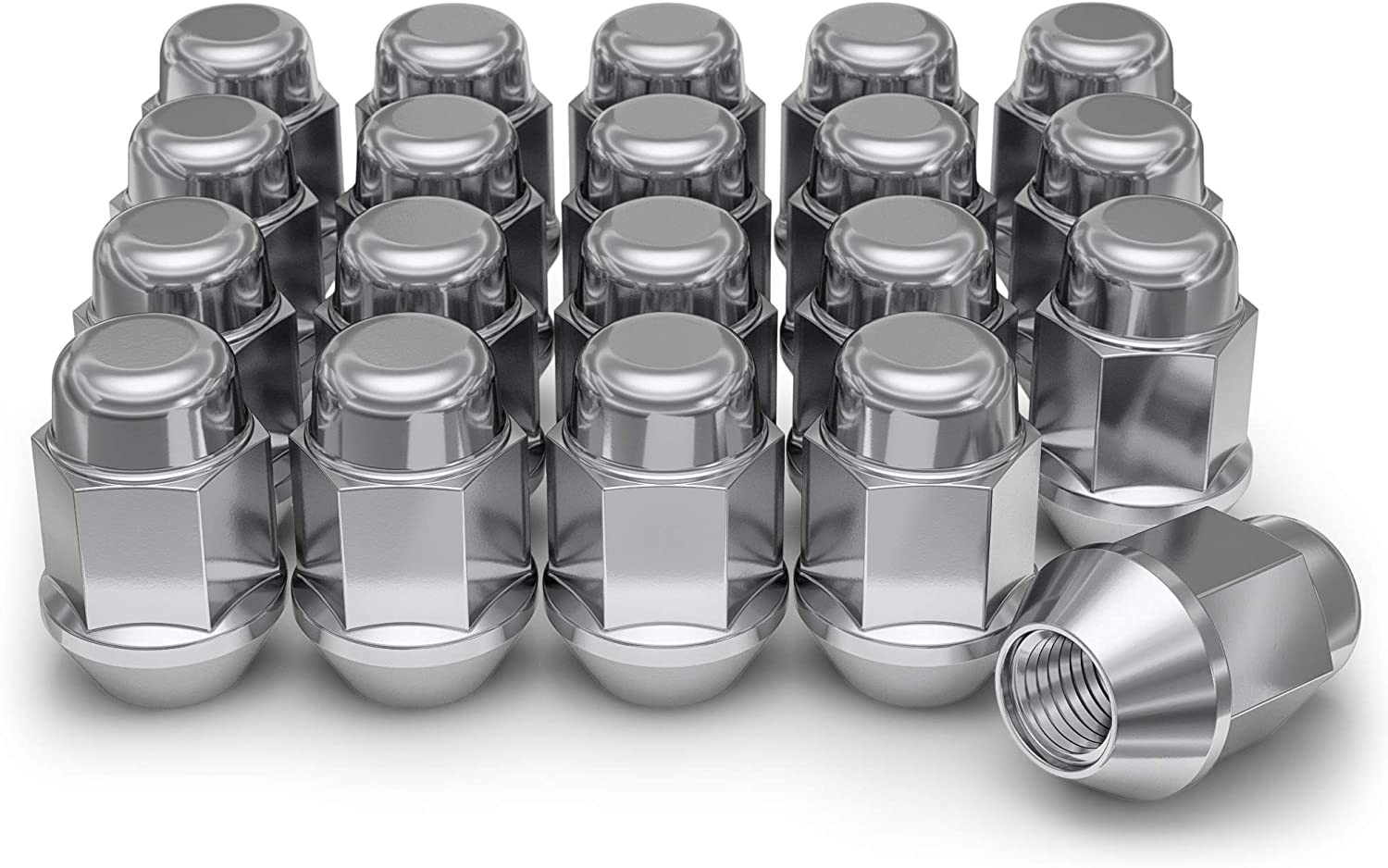
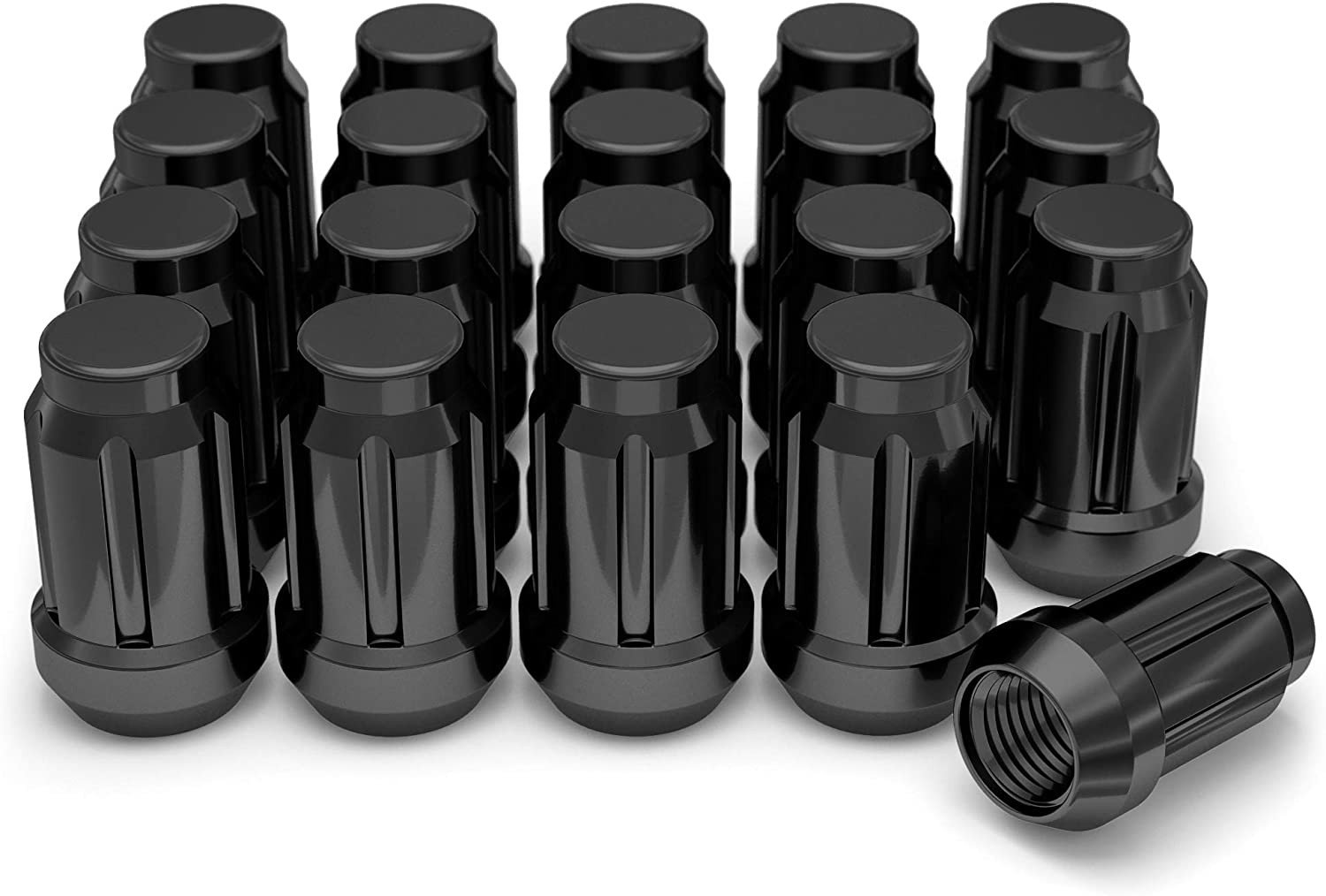
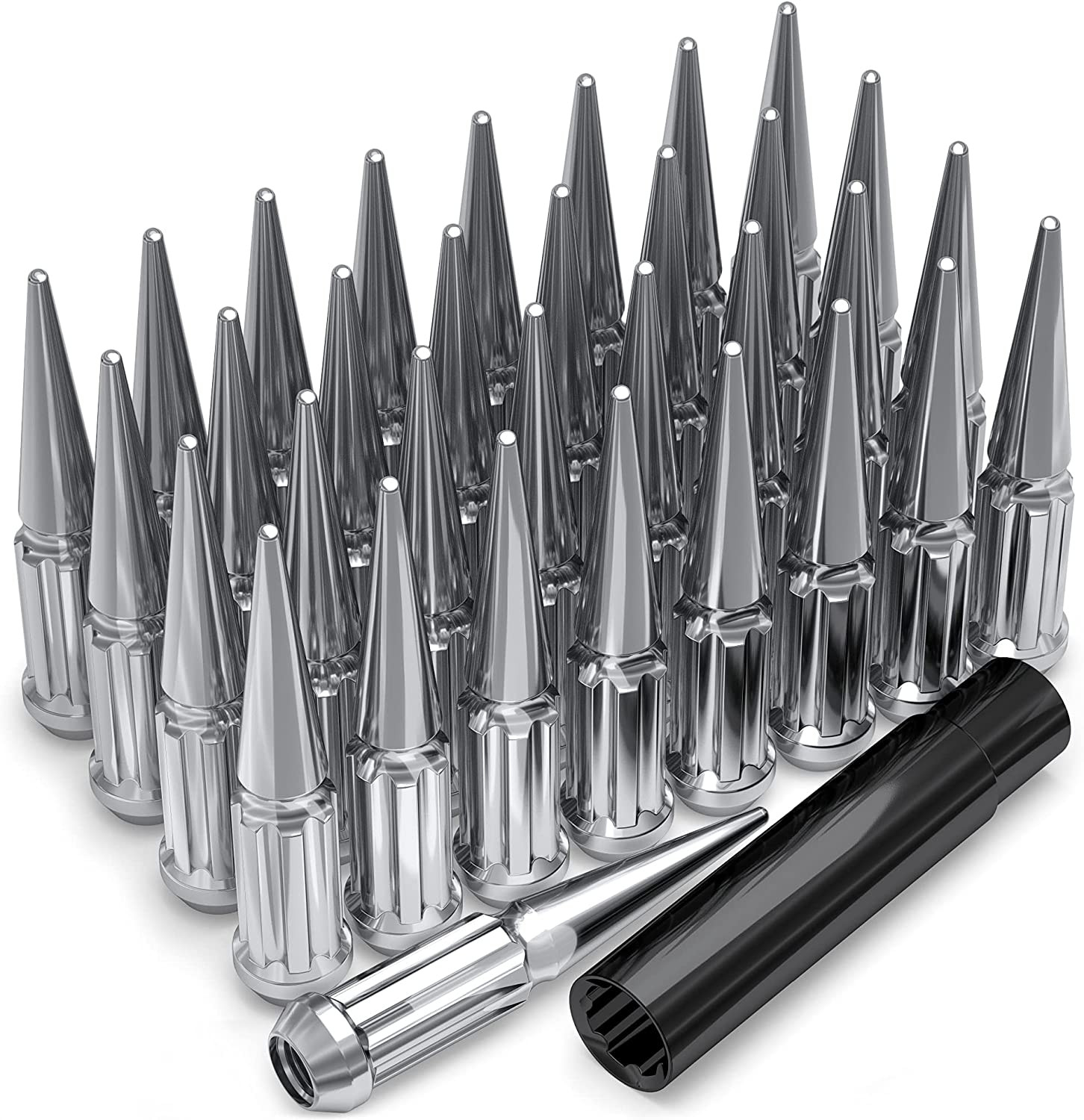
Lug Nuts / Wheel Bolts

M12 x 1.5

As an Amazon Associate we earn from qualifying purchases. Product availability and pricing may change.

Why These Wheels Fit

Wheel interchange depends on more than bolt pattern. Where data is available, this site compares:

  • Bolt pattern / PCD
  • Center bore direction (donor wheel bore must not be smaller than the hub)
  • Wheel diameter, width, and offset against known OEM ranges
  • Lug thread / hardware differences (vehicle-side hardware)

A normal wheel spacer does not change bolt pattern. Hub rings cannot enlarge a wheel bore that is smaller than the hub. Brake clearance and tire package fitment still require vehicle-specific checks when not confirmed in the dataset.

2013 Chevrolet Spark Wheel Interchange, Specs, and Fitment Guide

Known OEM Fitment For 2013 Chevrolet Spark

The following values are the documented fitment datapoints available for this year and model. Trims and regional packages can vary. Always verify on your specific vehicle using the door-jamb tire placard, the wheel size cast or stamped on the wheel, your owner’s manual, and the calculator on this page.

Bolt pattern (studs x PCD) 4x100
Center bore (mm) 56.6
Thread size M12 x 1.5
Rim diameter (in) 16
Rim width (in) 6.0
Wheel offset (ET, mm) 45
Backspacing (in) 4.77
OEM tire size 185/55R15

Notes to verify: Rim diameter listed above and the tire size shown use different bead seat diameters. This can indicate trim-based variation or data recorded from different configurations. Backspacing can also vary with measurement method. Confirm what your specific Spark uses by reading the wheel casting marks, checking the tire placard, and entering your sizes in the calculator to reconcile offset and backspacing before buying.

How To Use The Wheel Interchange Calculator

  • Set Installed on to 2013 Chevrolet Spark so clearances are evaluated against your car.
  • To compare a potential donor setup, select a donor vehicle or enter a Custom wheel size and Custom tire size.
  • Adjust rim diameter, rim width, and offset. Enter tire section width and aspect ratio. When you change rim diameter, the tire diameter in the comparison updates so you can see effects on overall diameter and speedometer.
  • Review inner clearance to suspension and brakes and outer poke toward the fender. Keep adequate clearance in compression and steering lock.
  • Match bolt pattern 4x100 and center bore 56.6 mm. If an aftermarket wheel has a larger bore, plan for hub-centric rings to 56.6 mm. If the bore is smaller than 56.6 mm the wheel will not seat on the hub.
  • Verify thread size M12 x 1.5 and correct lug seat style for the wheel. The calculator compares geometry but cannot verify lug seat or brake caliper spoke clearance, so always test fit.

Fitment Checklist Before You Buy

  • Bolt pattern 4x100 must match exactly.
  • Center bore 56.6 mm must be hub-centric on the Spark. Larger bore requires proper rings. Smaller bore will not fit.
  • Thread size M12 x 1.5. Use lug nuts or bolts that match both thread and seat type specified by the wheel manufacturer.
  • Offset baseline is ET 45 mm from the known data above. Use the calculator to assess inner clearance to the strut and brake hose and outer poke to the fender if you change offset or width.
  • Backspacing depends on width and offset. Cross-check the wheel’s stamped offset and width against the calculator. If your wheel’s stamped spec conflicts with catalog data, defer to the wheel’s stamping and a physical test fit.
  • Overall tire diameter should remain close to stock to protect ABS, gearing, and speedometer accuracy. Use the calculator to keep percent difference small and verify body and liner clearance at full lock and over bumps.
  • Brake and caliper spoke clearance. Some wheel designs with the same specs can still foul on calipers. Test fit one corner before mounting tires when possible.
  • Load and speed ratings on tires must meet or exceed the OEM placard on your Spark.
  • TPMS considerations. If your vehicle is equipped with TPMS, plan sensor transfer or new compatible sensors and any required relearns as per the owner’s manual.

Plus Sizing And Common Upgrades

Use the calculator to model any change so overall tire diameter stays close to the OEM baseline and clearances remain safe. Examples of safe planning approaches:

  • Plus sizing the rim typically uses a lower-profile tire to keep overall diameter similar. Enter your target rim diameter and adjust aspect ratio until the calculator shows a small diameter difference.
  • Wider wheels or tires can improve grip but reduce inner clearance and increase outer poke. Start from the known ET 45 mm and small width changes, then evaluate inner clearance to the strut and outer fender room in the calculator.
  • Winter setups often use narrower tires for traction. Keep overall diameter close and ensure snow chain clearance if required.
  • Staggered setups are generally not recommended on small front-wheel-drive cars like the Spark due to rotation limitations and balance. If you consider it, validate all clearances carefully.

If any value for your exact trim is unknown or differs from the table above, confirm it by checking your VIN-specific information in OEM sources and by using the on-page calculator to validate geometry before purchase.

Installation Tips

  • Test fit each front wheel without a tire first when possible to confirm hub seating and caliper clearance.
  • Clean the hub face and pilot with a wire brush. Keep friction surfaces dry and free of paint or heavy anti-seize. If corrosion prevention on the hub pilot is desired, use only a very thin film and never on threads or the wheel’s seating surfaces. Follow OEM guidance if available.
  • Verify lug seat style matches the wheel. Do not mix conical, ball, or mag-seat hardware.
  • Hand start all lugs to prevent cross-threading. Tighten in a star pattern in multiple passes.
  • Tighten wheel fasteners to the factory torque spec listed in your owner’s manual. Re-torque after 50 to 100 miles of driving.
  • Mount directional tires with arrows pointing forward when at the top of the wheel. For asymmetric tires, face the Side Facing Out marking outward.
  • If equipped with TPMS, perform sensor relearn or programming as specified by the manual and local regulations.

Tools And Helpful Supplies

FAQs

Which other vehicle wheels fit my 2013 Chevrolet Spark
Use the calculator to compare any donor wheel. A proper fit must match 4x100 bolt pattern, seat correctly on a 56.6 mm hub or use rings, accept M12 x 1.5 hardware with the correct seat type, and clear brakes and fenders with an offset and width that maintain safe inner and outer clearances.

Do I need hub-centric rings
If your wheel’s center bore is larger than 56.6 mm, yes you should use rings sized to 56.6 mm inner diameter and the wheel’s outer bore to achieve hub-centric mounting. If the wheel bore is smaller than 56.6 mm the wheel will not fit the hub.

Can I run 16 inch wheels on the Spark
The data above includes a 16 inch rim entry while the listed tire size is 185/55R15. This suggests trim variation or mixed sources. Check your door-jamb placard and the stamping on your current wheel to confirm your baseline. If you choose a different rim diameter, use the calculator to select a tire size that keeps overall diameter close and verify clearance.

What offset should I choose
ET 45 mm is the known baseline here. Small changes may work, but always model inner clearance to suspension and outer poke in the calculator, check brake caliper clearance, and test fit before mounting tires.

What is the correct lug nut torque
Refer to your owner’s manual or OEM service information for the factory wheel fastener torque. Do not guess. Re-torque after 50 to 100 miles.

Does my 2013 Spark have TPMS
Some vehicles are equipped with TPMS. Check your instrument cluster for a TPMS light and consult the owner’s manual. If equipped, plan sensor transfer or new compatible sensors and perform the required relearn procedure.

How do I verify backspacing against offset
Backspacing is a function of wheel width and offset. Measure from the wheel’s hub-mounting pad to the inner wheel lip and compare with the calculator’s output using your stamped width and offset. If the measured value and catalog value differ, trust the wheel’s stamped specs and your measurement, then validate on-vehicle clearance.


Nick Marchenko

Automotive Expert