2001 Chevrolet Silverado 1500 Wheel Fitment Guide | wheelinterchange.com
Known OEM Fitment For 2001 Chevrolet Silverado 1500
The values below reflect factory equipment data available for this model year. Silverado fitment can vary by trim, axle, brake package, and wheel option. If your truck’s placard or build sheet lists different specs, follow your OEM information. You can also confirm and compare sizes using the on-page calculator.
| Bolt pattern | 6x139.7 mm (6x5.5 in) |
| Center bore | 78.1 mm |
| Thread size | M14 x 1.5 |
| OEM rim diameter | 16 in |
| OEM rim width | 7.0 in |
| OEM offset (ET) | +31 mm |
| OEM backspacing | 4.72 in |
| OEM tire size | 235/75R16 |
The listed 235/75R16 tire has an overall diameter of about 29.9 in. Keep total tire diameter close to this baseline for speedometer accuracy and proper ABS and transmission behavior unless you plan to recalibrate.
How to double-check your exact OEM setup: read the tire and loading placard on the driver door jamb, look up RPO codes, check the owner’s manual, or call a Chevrolet dealer with your VIN.
How To Use The Wheel Interchange Calculator
The calculator on this page lets you compare donor wheels and tires to your Silverado and test custom sizes before you buy.
- Step 1 - In “Installed on (your vehicle)”, select 2001 Chevrolet Silverado 1500. This loads the baseline specs above.
- Step 2 - In “Wheels from (donor vehicle)”, pick the wheel you want to try or enter a “Custom wheel size”. Set rim diameter, width, and offset.
- Step 3 - Optional: enter a “Custom tire size” by section width and aspect ratio. When you change rim diameter, the calculator updates overall tire diameter for the comparison.
- Step 4 - Review results. Check:
- Inner clearance change vs. suspension and brakes.
- Outer poke change vs. fender/bumper liners.
- Overall tire diameter difference. Try to stay within about 3 percent of stock unless recalibrating.
- Step 5 - If any clearance is tight, adjust offset, width, or tire size and recheck.
Always verify against OEM references and physically measure your truck before ordering.
Fitment Checklist Before You Buy
- Bolt pattern: Wheel must be 6x139.7 mm. Adapters change this but add thickness and new hardware requirements.
- Center bore: Hub is 78.1 mm. A wheel with a larger bore can fit using hub-centric rings sized to 78.1 mm. A smaller bore will not fit.
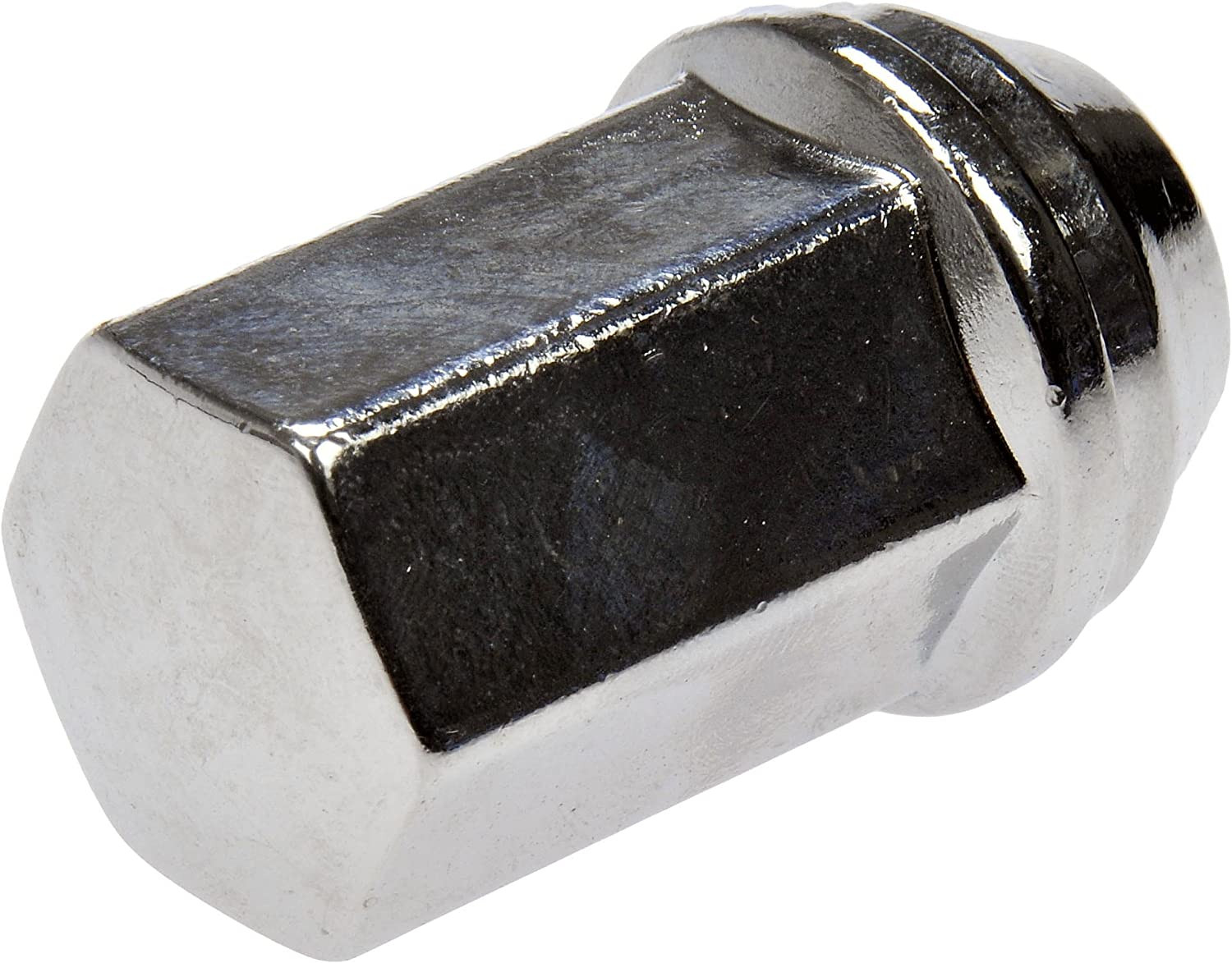
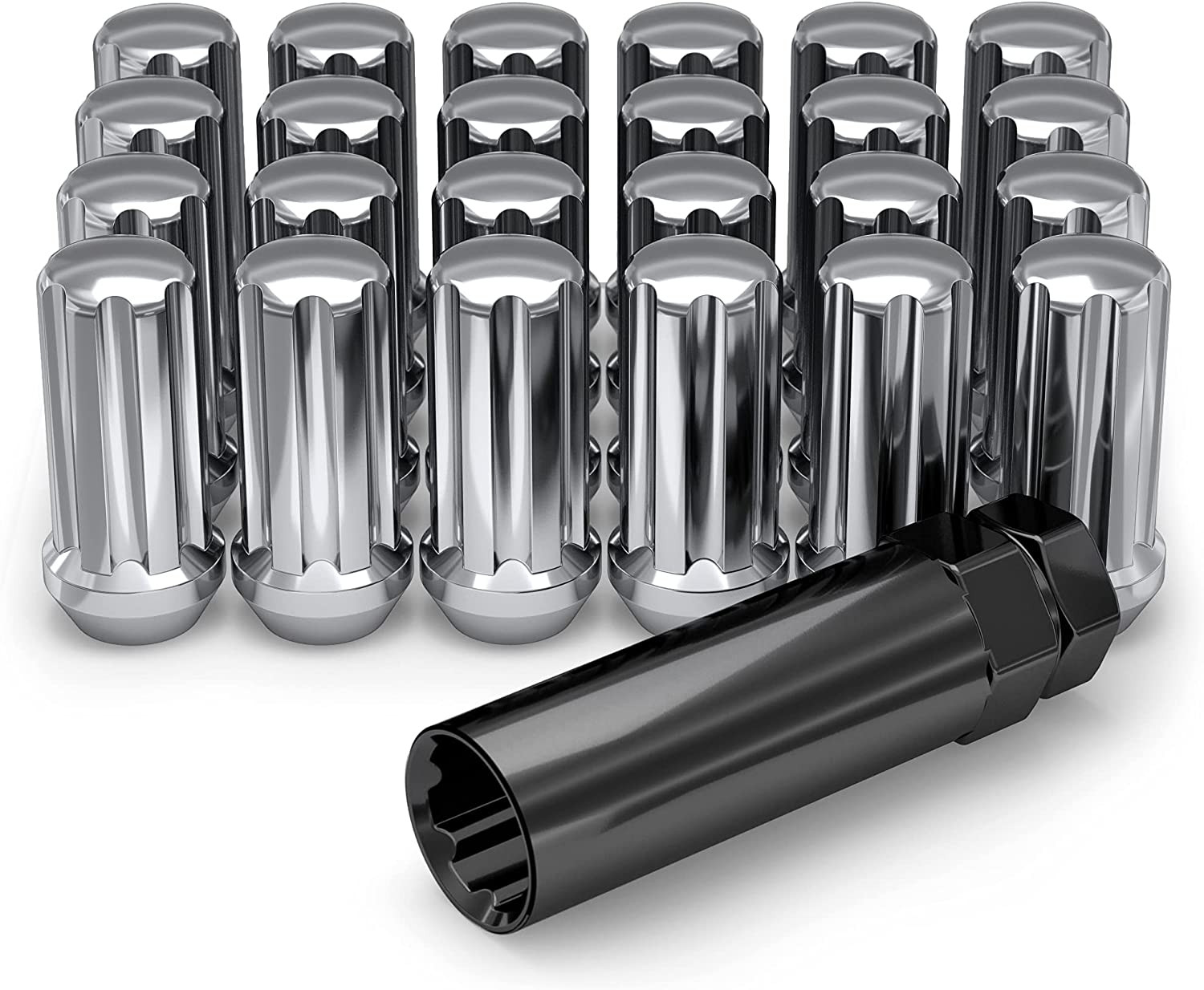
- Thread size: M14 x 1.5. Use lug nuts or bolts that match your studs and the wheel’s seat type (conical, mag, flat, etc.).
- Offset and backspacing: Compare to the OEM baseline of +31 mm and 4.72 in. Changes affect inner clearance and fender poke.
- Brake clearance: Check spoke-to-caliper and barrel clearance, especially with smaller-diameter aftermarket wheels or bulky calipers.
- Tire diameter and width: Keep overall diameter close to stock for drivability. Verify lock-to-lock steering and full compression clearance.
- Load rating: Wheels and tires must meet or exceed your truck’s axle and GVWR requirements.
- Stud engagement: At least 6.5 to 7+ full turns is a common minimum guideline on M14 threads, but always follow OEM or hardware manufacturer requirements. Spacers reduce engagement and may require longer studs.
- TPMS: If equipped on your specific truck or retrofit kit, confirm sensor compatibility and sealing hardware.
- Finish and corrosion: Choose coatings suitable for winter and towing use if applicable.
Plus Sizing And Common Upgrades
Many Silverado 1500 owners move to larger diameter wheels and slightly wider tires for stance or brake clearance. The safest approach is to keep overall tire diameter near the stock 29.9 in baseline, then tune width and offset for clearance.
- Stay within about 3 percent of stock overall diameter unless you plan to reprogram the speedometer and shift points.
- Wider wheels push the inner and outer edges outward from centerline. Use the calculator to see inner clearance changes to the frame, UCA, and sway bar, and outer poke vs. fenders.
- More positive offset moves the wheel inward. More negative offset moves it outward. Balance both to avoid rubbing.
- Leveling or lift kits can allow taller and wider packages, but each setup is unique. Measure at ride height, at full lock, and under compression.
- For heavy loads or towing, prioritize load index and tire construction over aggressive sizing.
Installation Tips
- Test fit each wheel without a tire first when possible. Spin by hand to check caliper and suspension clearance.
- Clean hub faces and rotor hats. Lightly remove rust so the wheel seats flush. Do not use grease on the mating surfaces.
- If using hub-centric rings, seat them fully in the wheel bore before mounting.
- Hand start all lug nuts. Tighten in a star pattern in stages with a calibrated torque wrench to the OEM torque spec from your owner’s manual or service data.
- Re-torque after 50 to 100 miles of driving and again after any off-road or towing use.
- If using spacers, use hub-centric designs that match 78.1 mm and ensure proper stud engagement. Follow spacer manufacturer torque specs and threadlocker guidance.
Tools And Helpful Supplies
FAQs
What is the bolt pattern on the 2001 Silverado 1500?
6x139.7 mm, also known as 6x5.5 in.
What is the hub bore size?
78.1 mm. Wheels with a larger bore can be used with rings that step down to 78.1 mm. A smaller bore will not fit.
What lug nut thread does it use?
M14 x 1.5. Match the lug nut seat style to the wheel design.
What are the stock wheel and tire specs?
Wheel: 16x7 with approximately +31 mm offset and 4.72 in backspacing. Tire: 235/75R16. Some trims and packages can differ, so verify your truck’s placard or build sheet.
How far can I change offset or width?
There is no single safe number because clearance depends on brakes, suspension, and tire choice. Use the calculator to compare inner clearance and outer poke to the OEM baseline, then measure your truck at full lock and compression.
Will 17 inch or larger wheels fit?
Diameter alone does not guarantee fitment. Many aftermarket 17 inch wheels are designed for trucks, but brake and spoke clearance vary. Use the calculator for tire diameter, request a brake clearance template from the wheel maker, and test fit before mounting tires.
Do I need hub-centric rings?
If your aftermarket wheel bore is larger than 78.1 mm and you want hub-centric mounting, use rings sized to your wheel bore down to 78.1 mm. If the wheel bore is exactly 78.1 mm, rings are not needed.
Can I use spacers?
Spacers can create clearance but reduce stud engagement and add complexity. Choose hub-centric spacers that match 78.1 mm, ensure adequate thread engagement, and torque per manufacturer instructions. Recheck torque regularly.
What torque should I use on the lug nuts?
Follow the OEM torque specification in your owner’s manual or service information for the 2001 Silverado 1500. Use a calibrated torque wrench and retorque after 50 to 100 miles.
How do I keep the speedometer accurate after changing tire size?
Use the calculator to match overall tire diameter to stock as closely as possible. If you deviate significantly, plan for a speedometer recalibration.