2015 Chevrolet Volt Wheel Fitment Specs And Interchange Guide
Known OEM Fitment For 2015 Chevrolet Volt
The following specifications reflect the known factory fitment for the 2015 Chevrolet Volt. If your trim or market variant differs, confirm against your owner manual, the wheel label inside the driver door jamb, or an OEM parts catalog before purchasing.
| Bolt pattern | 5x115 |
| Center bore | 70.3 mm |
| Thread size | M12 x 1.5 |
| Rim diameter | 17 in |
| Rim width | 7.0 in |
| Wheel offset | ET 38 mm |
| Backspacing | 5.0 in |
| Tire size | 215/55R17 |
Notes: Some values can vary by wheel option or region. If you see a mismatch on your vehicle, use the calculator on this page to compare your current setup to any potential replacements, and verify the original equipment specs by VIN with a Chevrolet dealer or GM parts catalog.
How To Use The Wheel Interchange Calculator
The calculator lets you compare a donor vehicle or a custom wheel and tire setup against your 2015 Chevrolet Volt. It is designed to help you visualize wheel position changes and tire diameter differences before you buy.
- Set Installed on your vehicle to 2015 Chevrolet Volt to load the baseline.
- Use Wheels from to choose a donor vehicle if you are considering an OEM takeoff set, or leave it blank and use Custom wheel size.
- Enter Custom wheel size by adjusting rim diameter, rim width, and offset. The tool will show inner and outer position changes compared to stock.
- Enter Custom tire size by adjusting section width and aspect ratio. When you change rim diameter, the calculator updates tire diameter in the comparison so you can keep overall diameter near stock.
- Review the outputs for inner clearance to struts and brakes, outer poke toward the fender, and tire diameter change. Aim to keep diameter close to stock to protect speedometer, ABS, and stability control behavior.
Important: The calculator focuses on size geometry. You must still confirm critical non-size factors like bolt pattern 5x115, center bore 70.3 mm, thread size M12 x 1.5, and lug seat type directly from OEM sources or the wheel manufacturer.
Fitment Checklist Before You Buy
Use this quick checklist to reduce the risk of vibrations, rubbing, or hardware failures.
- Bolt pattern: The wheel must be 5x115. Do not rely on 5x114.3 without adapters. A mismatch is unsafe.
- Center bore: The wheel center bore must be 70.3 mm or larger. If larger, use quality hub-centric rings that step down to 70.3 mm. Never force a smaller bore onto the hub.
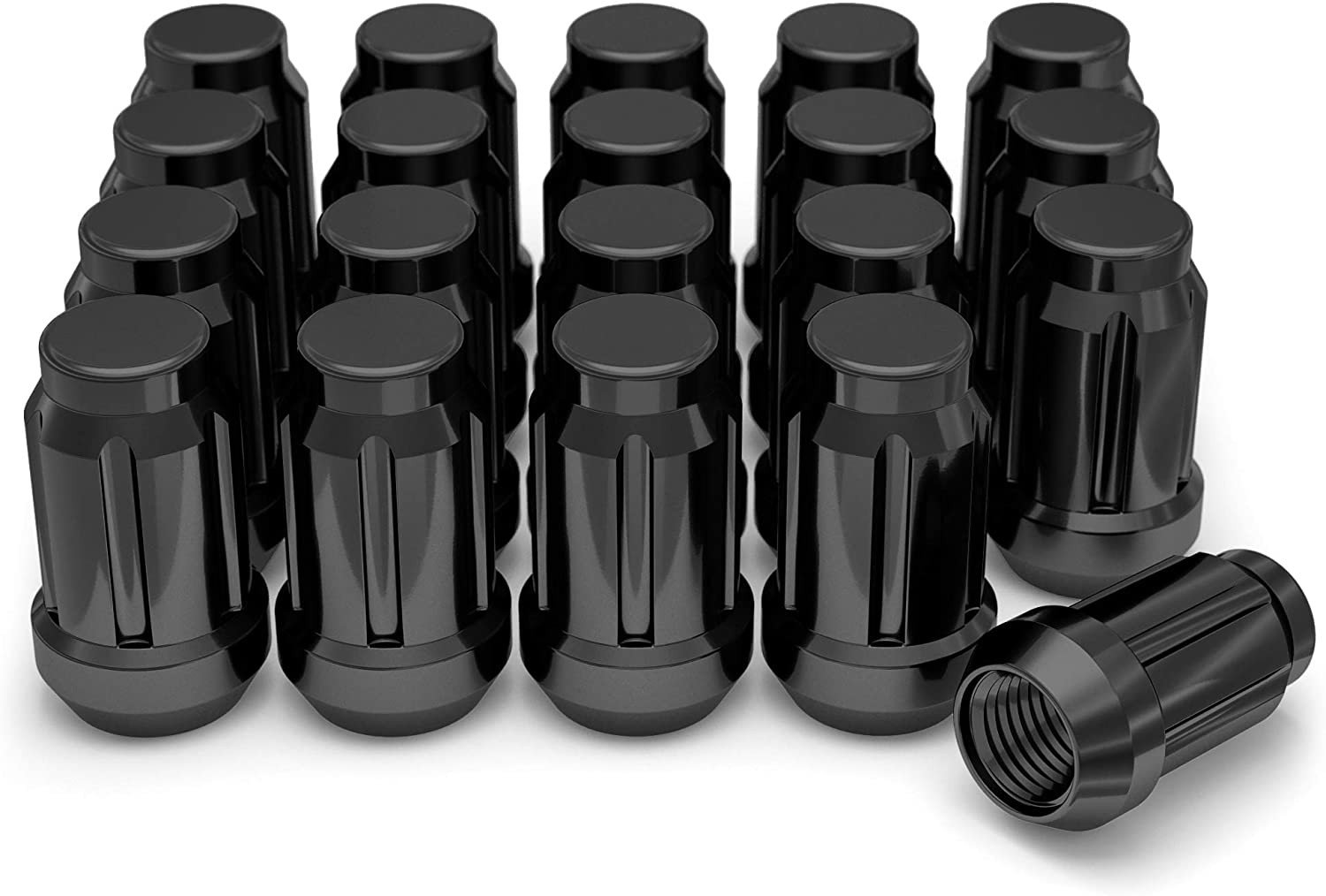
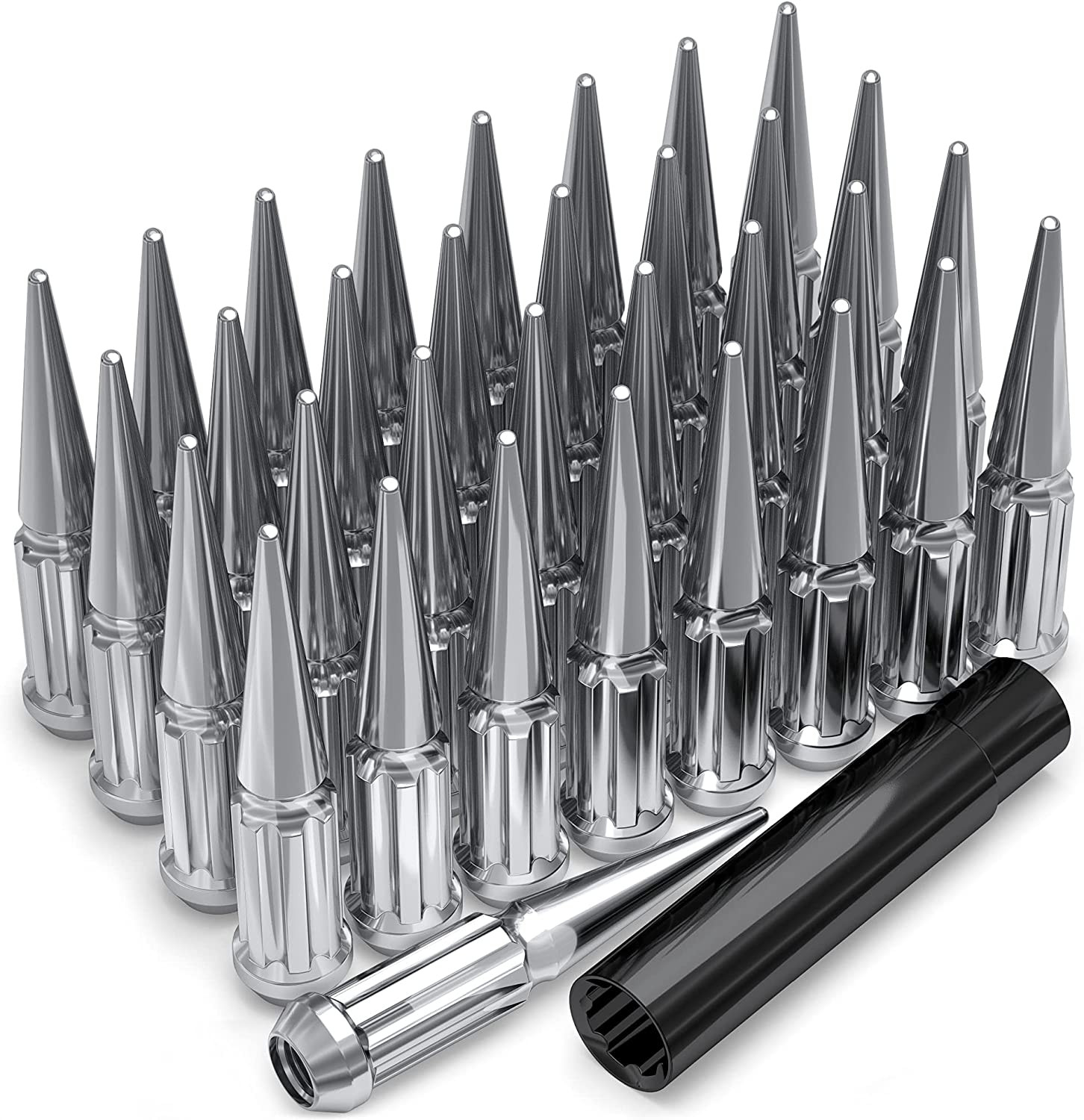
- Lug hardware: Threads are M12 x 1.5. Match the lug seat type to the wheel design and verify at least 7 full turns of nut engagement on each stud. Do not lubricate lug threads unless OEM specifies.
- Offset and width: OEM is 17x7.0 with ET 38 mm. Changes in width or offset alter inner clearance and outer poke. Use the calculator to compare against stock and ensure no contact with struts, spring perches, brake hoses, or fenders at full steering lock and compression.
- Backspacing: Stock backspacing is 5.0 in. Higher backspacing moves the wheel inward, lower moves it outward. Verify inner barrel and caliper clearance.
- Brake clearance: Confirm spoke and barrel clearance over calipers using a test fit or a template from the wheel maker.
- Tire diameter: Keep overall diameter close to stock with the calculator to maintain proper speedometer and electronic system behavior.
- Load rating: Choose wheels and tires with load ratings that meet or exceed the Volt axle and GVWR requirements. Check tire load index and wheel load rating from the manufacturer.
- TPMS: 2015 vehicles use a tire pressure monitoring system. Plan to reuse or replace sensors compatible with your Volt and perform the relearn procedure after installation.
- Spacers or adapters: Only if necessary and only hub-centric units that match 5x115 and 70.3 mm hub specs, with appropriate hardware. Recheck thread engagement and torque.
Plus Sizing And Common Upgrades
Many owners explore alternate sizes for appearance, handling, or winter performance. The 2015 Chevrolet Volt ships with 17x7.0 ET 38 and 215/55R17 tires. If you consider a larger or smaller rim diameter, use the calculator to keep tire outside diameter close to stock and to visualize inner and outer clearance changes. Small offset changes can have a big impact on clearance. A couple of millimeters can be acceptable on some vehicles, but always verify against your specific brake package and suspension.
Guidelines:
- Maintain overall tire diameter near stock using the calculator to limit speedometer error.
- Check inner barrel and spoke clearance at the front brakes. Test fit when possible.
- For winter tires, narrower section widths can improve snow traction. Confirm that chains or cables, if used, have sufficient clearance to struts, knuckles, and wheel wells.
- If stepping up in width, confirm that the outer edge does not contact the fender lip during full lock and over bumps.
Because trim and regional equipment can vary, do not assume that a size used by another Volt owner will fit your car. Always validate with the on-page calculator, a physical test fit, and OEM clearance guidelines where available.
Installation Tips
Prepare the hub and hardware carefully to prevent vibration and wheel-off events.
- Support the vehicle with rated jack stands on solid ground. Chock wheels.
- Clean the hub face and center pilot with a wire brush so the wheel seats fully. Apply a very thin film of anti-seize to the hub pilot only to reduce future corrosion. Keep the hub face and lug threads clean and dry.
- If the wheel bore is larger than 70.3 mm, install proper hub-centric rings before mounting.
- Hand-start all lug nuts to avoid cross-threading. Tighten in a star pattern in stages.
- Torque to the OEM wheel lug specification for your Volt trim using a calibrated torque wrench. Re-torque after 50 to 100 miles.
- Perform a TPMS relearn if sensors were changed or relocated. Verify correct pressures once warm.
- After installation, turn the steering from lock to lock and drive over a few bumps to confirm no rubbing.
Tools And Helpful Supplies
FAQs
What is the bolt pattern for the 2015 Chevrolet Volt?
It is 5x115. Replacement wheels must match 5 studs on a 115 mm circle.
What center bore do I need?
The Volt hub is 70.3 mm. A wheel with exactly 70.3 mm will be hub-centric. If the wheel has a larger bore, use rings that reduce to 70.3 mm. Do not use a wheel with a smaller bore.
What is the stock wheel and tire size?
17x7.0 ET 38 wheels with 215/55R17 tires.
Will 18 inch wheels fit my Volt?
Fitment can vary by wheel width, offset, and tire choice. The calculator can show you position and diameter changes, but you must still verify brake and fender clearance and confirm the wheel meets 5x115, 70.3 mm, and M12 x 1.5 requirements. A test fit is recommended.
Do I need hub-centric rings?
If your wheel’s center bore is larger than 70.3 mm, hub-centric rings are recommended to reduce vibration and center the wheel on the hub properly.
What offset should I use?
OEM offset is ET 38 mm. If you change width or offset, use the calculator to check inner and outer clearance on your Volt. There is no single safe range for all wheels and tires, so verify with a test fit.
Can I reuse my TPMS sensors?
Often yes, but sensor condition, valve type, and compatibility with the new wheels matter. If you install new sensors, ensure they are compatible with your 2015 Volt and perform the relearn procedure.
Is it safe to use spacers?
Only if necessary and only hub-centric spacers that match 5x115 and 70.3 mm. Use correct extended hardware as required and torque to OEM spec. Always recheck clearance and local regulations.
What lug nut seats does my wheel use?
Seat type depends on the wheel design. Verify with the wheel manufacturer and match your lug nuts accordingly. Never mix seat types.
How do I confirm these specs for my exact car?
Cross-check the door jamb label, owner manual, and an OEM parts catalog by VIN. Then use the on-page calculator to evaluate any size changes before purchasing.