
Enkei Performance
PX-10
Gunmetal
19 × 8″ · ET +35
$252.72
View at Tire Rack ↗Recorded OEM specifications for the 2015 Ford Flex, donor years with overlapping ranges, and a calculator to compare a selected wheel. Range overlap is not a guaranteed fit.
Save these wheel specs to your Ownery garage
Baseline mounting dimensions used for interchange decisions.
Multiple OEM configurations exist for this vehicle. Fitment can vary by trim, brakes, and factory wheel package – confirm your exact setup before buying.
Thread-only product links are shopping examples, not verified fits. Seat style is not confirmed here. As an Amazon Associate we earn from qualifying purchases.
Selected size: 19 × 8″ · ET +39
Showing matching bolt patterns and offsets up to 20 mm lower. Confirm center bore, load rating, and clearance at Tire Rack.
Enkei Performance
Gunmetal
19 × 8″ · ET +35
$252.72
View at Tire Rack ↗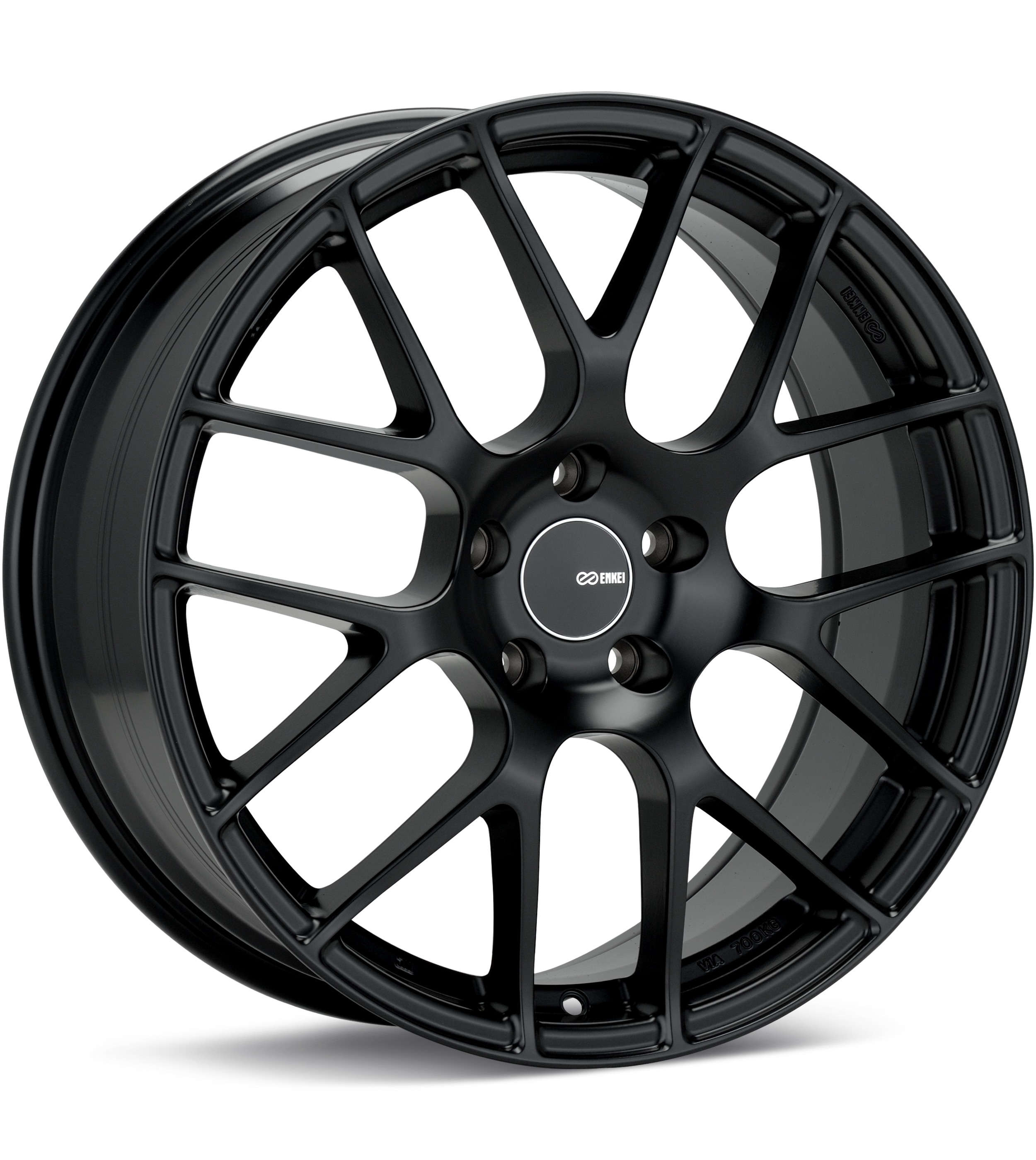
Enkei Tuning
Black
19 × 8.5″ · ET +35
$284.77
View at Tire Rack ↗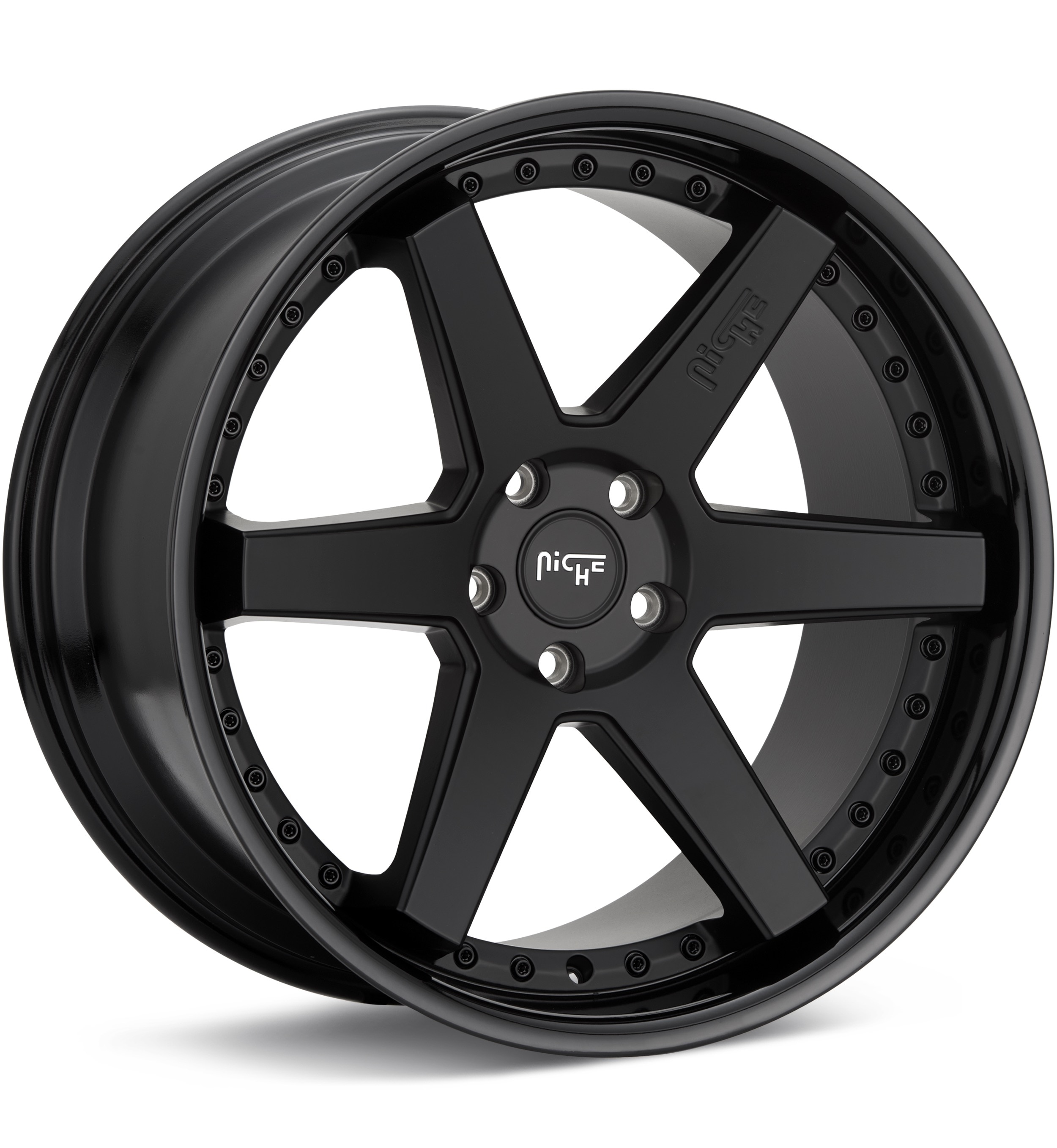
Niche Road Wheels
Black w/Gloss Black Lip
19 × 8.5″ · ET +35
$448.00
View at Tire Rack ↗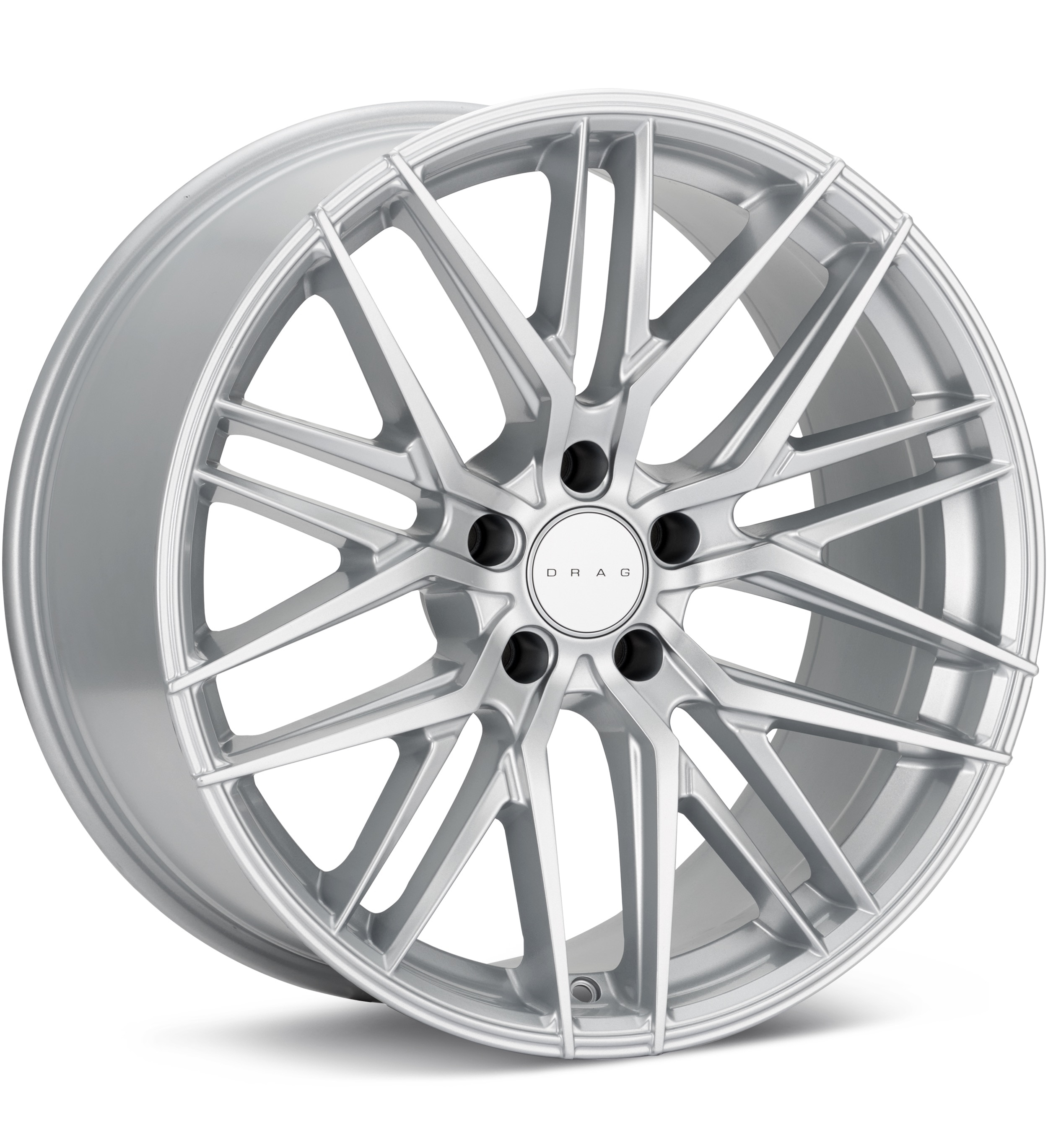
Drag
Silver
19 × 8.5″ · ET +32
$248.00
View at Tire Rack ↗We may earn a commission when you buy through these links. Prices and availability may change.
These are vehicle-year records whose recorded OEM ranges overlap this 2015 Ford Flex. Overlap is not a guarantee that a specific wheel will install. Selected-wheel comparison is in the calculator below.
Evaluated 26 donor years. Listed 24 eligible overlaps (not all evaluated years are compatible). Showing all listed.
Years grouped because recorded compatibility evidence is equivalent. Each year keeps its own page.
Approximate position vs the mid OEM package: outer change -3.18 mm, inner change -3.18 mm. This uses aggregated width/offset ranges, not a specific wheel.
Years grouped because recorded compatibility evidence is equivalent. Each year keeps its own page.
Dataset suggestionWheel spacer ≈ 8.18 mm – not a verified installation requirement.
A spacer of about 8.18 mm is a dataset suggestion only; clearance is not verified. Estimated outer position is about 8.18 mm farther inward than the mid OEM package.
Dataset suggestionWheel spacer ≈ 4.18 mm – not a verified installation requirement.
A spacer of about 4.18 mm is a dataset suggestion only; clearance is not verified. Estimated outer position is about 4.18 mm farther inward than the mid OEM package.
Years grouped because recorded compatibility evidence is equivalent. Each year keeps its own page.
Dataset suggestionWheel spacer ≈ 4.18 mm – not a verified installation requirement.
A spacer of about 4.18 mm is a dataset suggestion only; clearance is not verified. Estimated outer position is about 4.18 mm farther inward than the mid OEM package.
Years grouped because recorded compatibility evidence is equivalent. Each year keeps its own page.
Center-bore records disagree (donor year-level hub 63.3 mm vs trim range 63.4–63.4 mm). Unqualified overlap is not claimed until the conflict is resolved. Approximate position vs the mid OEM package: outer change -3.18 mm, inner change -3.18 mm. This uses aggregated width/offset ranges, not a specific wheel.
Years grouped because recorded compatibility evidence is equivalent. Each year keeps its own page.
Donor width/offset sits outside the known OEM envelope for this vehicle.
Donor width/offset sits outside the known OEM envelope for this vehicle.
Only years with evidence-based interchange relationships are listed. Adjacent years are not assumed compatible.
Compare a donor vehicle or custom wheel against this 2015 Ford Flex. Use Compare in calculator on a donor row above to fill the donor side of this same calculator.
Compare wheel compatibility between two vehicles
2015 Ford Flex





Example products matched to recorded thread, hub, or spacer dimensions. They are not verified fits. Confirm seat style, thickness, and clearance before ordering.
1/2" - 20 UNF
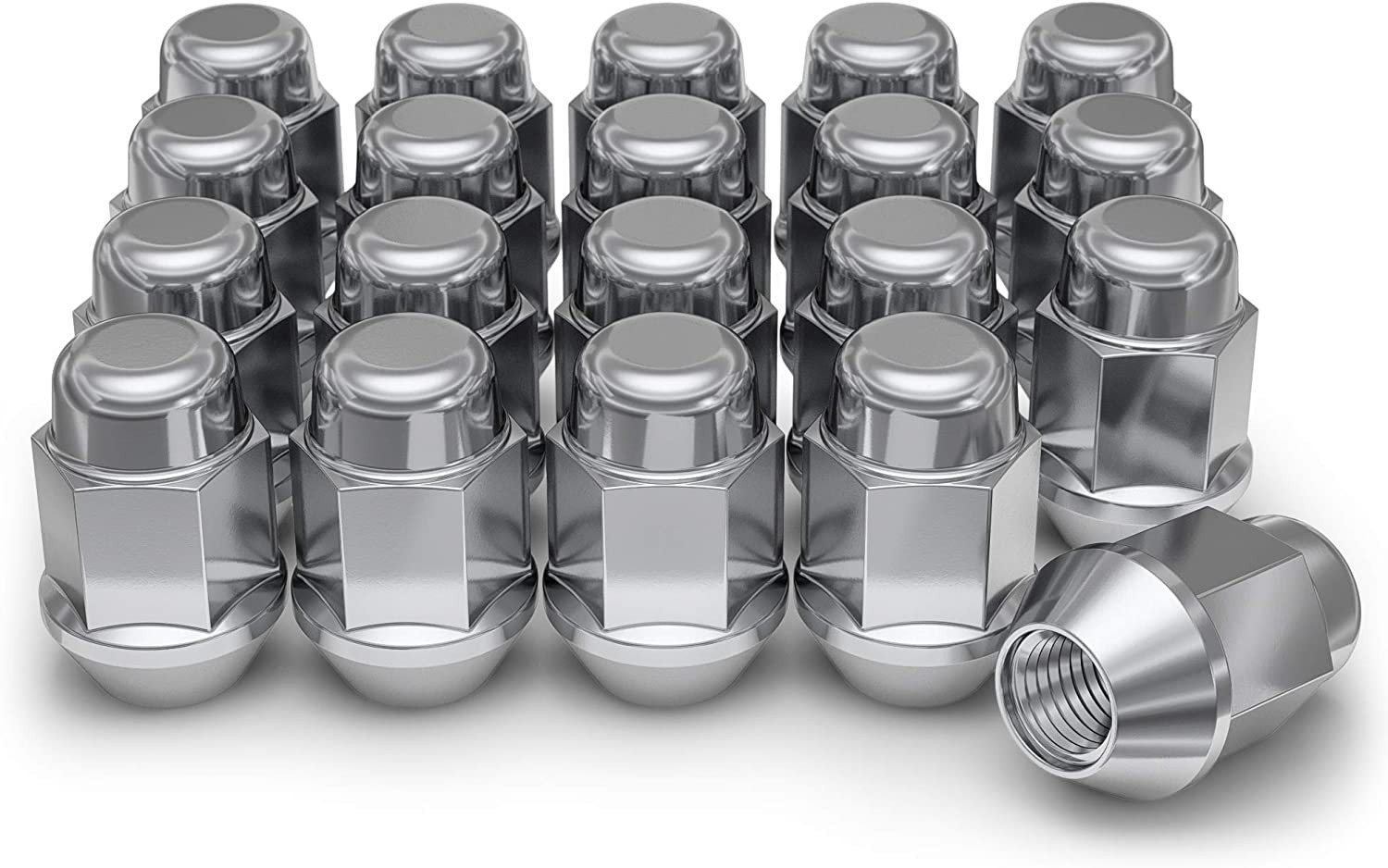
1/2" - 20 UNF · Thread match only; seat style is not verified
View on Amazon →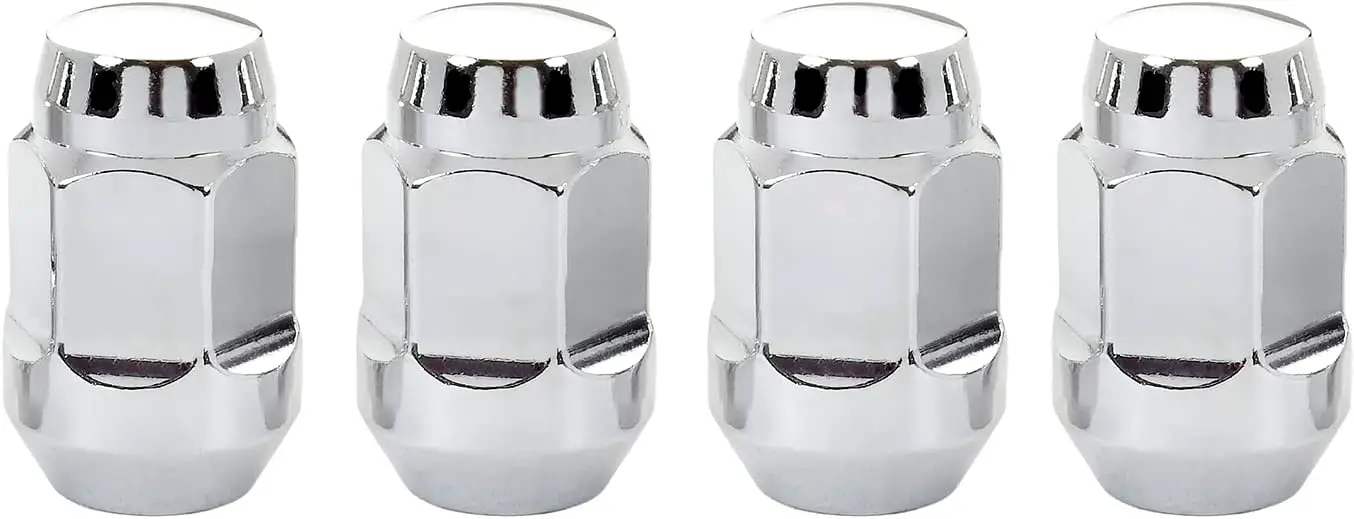
1/2" - 20 UNF · Thread match only; seat style is not verified
View on Amazon →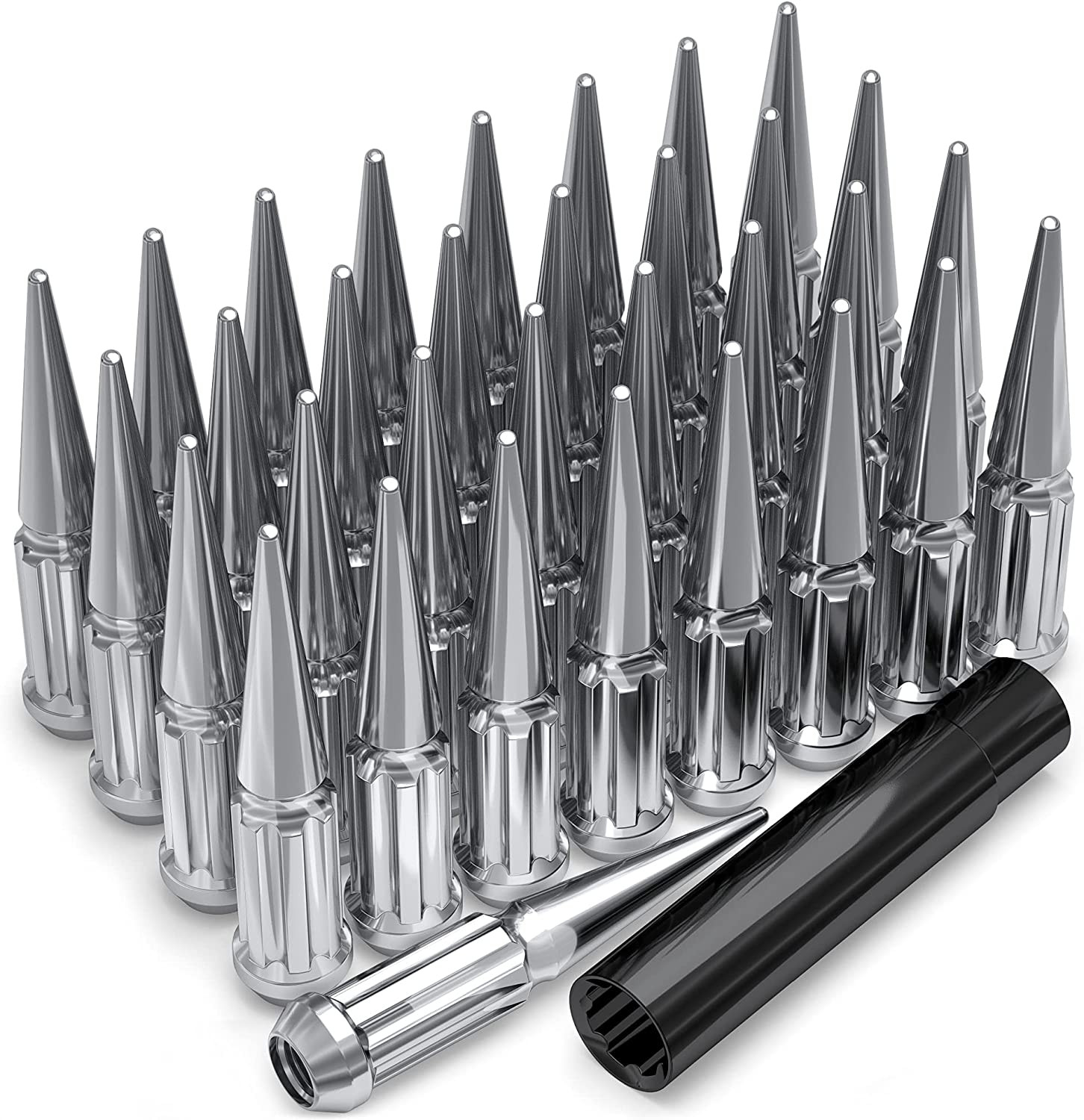
1/2" - 20 UNF · Thread match only; seat style is not verified
View on Amazon →As an Amazon Associate we earn from qualifying purchases. Product availability and pricing may change.
Use this page to compare wheel and tire dimensions for a 2015 Ford Flex. The information below reflects the supplied OEM fitment data only. Wheel fitment can vary by trim, package, brake configuration, and replacement parts, so confirm the final specifications with the vehicle door-jamb label, owner’s manual, VIN-specific Ford documentation, and the current wheel markings before purchasing.
The following specifications were provided for the 2015 Ford Flex:
| Specification | Known value |
|---|---|
| Bolt pattern | 5x114.3 |
| Center bore | 63.4 mm |
| Thread size | M12 x 1.5 |
| Rim diameter | 18 inches |
| Rim width | 7.5 inches |
| Wheel offset | ET39, or 39 mm |
| Backspacing | 5.29 inches |
| Tire section width | 235 mm |
| Tire aspect ratio | 55 percent |
| Listed tire rim diameter | R19 |
There is an apparent diameter mismatch in the supplied data: the listed rim diameter is 18 inches, while the listed tire rim diameter is R19. These values should not be treated as one confirmed wheel-and-tire package. Verify the installed tire size on the tire sidewall and the approved wheel size using the door-jamb label, owner’s manual, or VIN-specific OEM information before ordering.
The bolt pattern identifies the spacing of the five wheel studs, but it does not by itself confirm complete fitment. Center bore, offset, wheel width, brake clearance, tire dimensions, load rating, and fastener compatibility must also be checked.
Use the calculator on this page to compare a donor vehicle’s wheels with the wheels installed on your 2015 Ford Flex.
Because the supplied data includes both an 18-inch wheel value and an R19 tire value, enter the verified dimensions from your vehicle rather than assuming that both records describe the same setup. The calculator is a comparison aid, not a substitute for physical clearance checks or OEM confirmation.
Plus sizing generally changes wheel diameter while selecting a lower-profile tire to keep the overall tire diameter near the original. The calculator can compare custom rim diameter, rim width, offset, section width, and aspect ratio, but it does not replace a physical test fit.
Do not choose a larger wheel solely because the bolt pattern matches. A larger diameter or wider wheel can affect brake clearance, suspension clearance, fender clearance, ride comfort, steering effort, road-noise levels, and wheel-and-tire weight.
The supplied measurements should be treated as a reference set, not as permission to install a particular upgrade. Verify the original tire size and the tire manufacturer’s approved rim-width range before selecting a different combination. If the tire sidewall says R19 but the wheel information says 18 inches, resolve that discrepancy first.
Useful equipment may include a calibrated torque wrench, correctly sized socket, jack and jack stands or an approved lift, wheel chocks, a tire-pressure gauge, and a tread-depth gauge. Always support the vehicle at approved lift points and never work under a vehicle supported only by a jack.
View automotive torque wrenches on Amazon
View wheel lug nut socket sets on Amazon
What is the supplied bolt pattern for the 2015 Ford Flex?
The supplied bolt pattern is 5x114.3. Confirm it against the actual vehicle and wheel documentation before purchase because bolt pattern alone does not establish complete fitment.
What center bore is listed for this vehicle?
The supplied center bore is 63.4 mm. A replacement wheel must clear the hub, and any hub-centric ring must be correctly sized and suitable for the specific wheel application.
What wheel offset and width are listed?
The supplied values are a 7.5-inch rim width and ET39 offset. Verify these values for the exact trim and compare them with the proposed wheel using the calculator and a physical clearance inspection.
Why does the information show both an 18-inch rim and an R19 tire?
Those dimensions are inconsistent when treated as one wheel-and-tire assembly. An R19 tire is intended for a 19-inch rim, while the supplied rim diameter is 18 inches. Check the tire sidewall, wheel stamp, door-jamb label, owner’s manual, and VIN-specific OEM records to determine which value applies.
Can any 5x114.3 wheel fit the 2015 Ford Flex?
No. The wheel must also satisfy center-bore, offset, width, diameter, load-rating, brake-clearance, fastener, and tire-clearance requirements. Use the calculator for a dimensional comparison, then confirm the result with the wheel manufacturer and an in-person test fit when appropriate.
Does a larger wheel automatically improve handling?
No. A larger wheel may allow a lower-profile tire, but it can also increase weight, reduce ride comfort, increase impact risk, and create clearance problems. Compare the complete wheel-and-tire assembly and confirm the correct tire specifications before changing sizes.
What should I verify before tightening the replacement wheels?
Verify that the wheel seats fully against the hub, the lug nuts match the wheel seat and thread requirements, there is no contact with brake or suspension components, and the tire has safe clearance at steering lock and suspension movement. Finish by using the manufacturer-specified torque value with a calibrated torque wrench.
Wheel interchange depends on more than bolt pattern. Where data is available, this site compares recorded OEM values:
A normal wheel spacer does not change bolt pattern. Hub rings cannot enlarge a wheel bore that is smaller than the hub. Brake clearance and tire package fitment still require vehicle-specific checks when not confirmed in the dataset.
