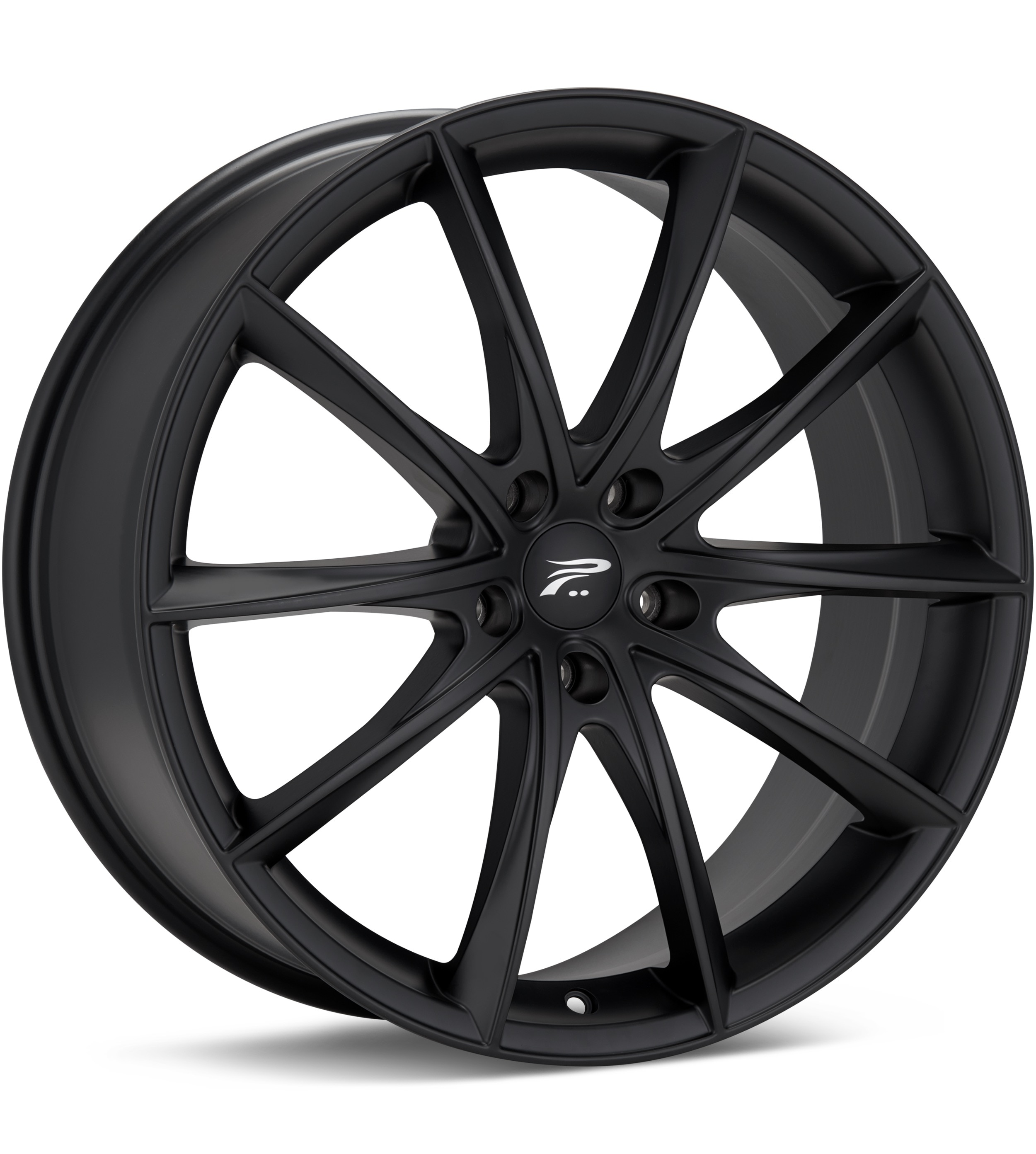
Platinum
Flux
Black
20 × 8.5″ · ET +40
$298.36
View at Tire Rack ↗Recorded OEM specifications for the 2018 Ford Explorer, donor years with overlapping ranges, and a calculator to compare a selected wheel. Range overlap is not a guaranteed fit.
Save these wheel specs to your Ownery garage
Baseline mounting dimensions used for interchange decisions.
Multiple OEM configurations exist for this vehicle. Fitment can vary by trim, brakes, and factory wheel package – confirm your exact setup before buying.
Center-bore records disagree: year-level hub 63.3 mm vs trim range 63.4–63.4 mm. Interchange below does not treat this as an unqualified match.
Thread-only product links are shopping examples, not verified fits. Seat style is not confirmed here. As an Amazon Associate we earn from qualifying purchases.
Selected size: 20 × 8.5″ · ET +44
Showing matching bolt patterns and offsets up to 20 mm lower. Confirm center bore, load rating, and clearance at Tire Rack.
Platinum
Black
20 × 8.5″ · ET +40
$298.36
View at Tire Rack ↗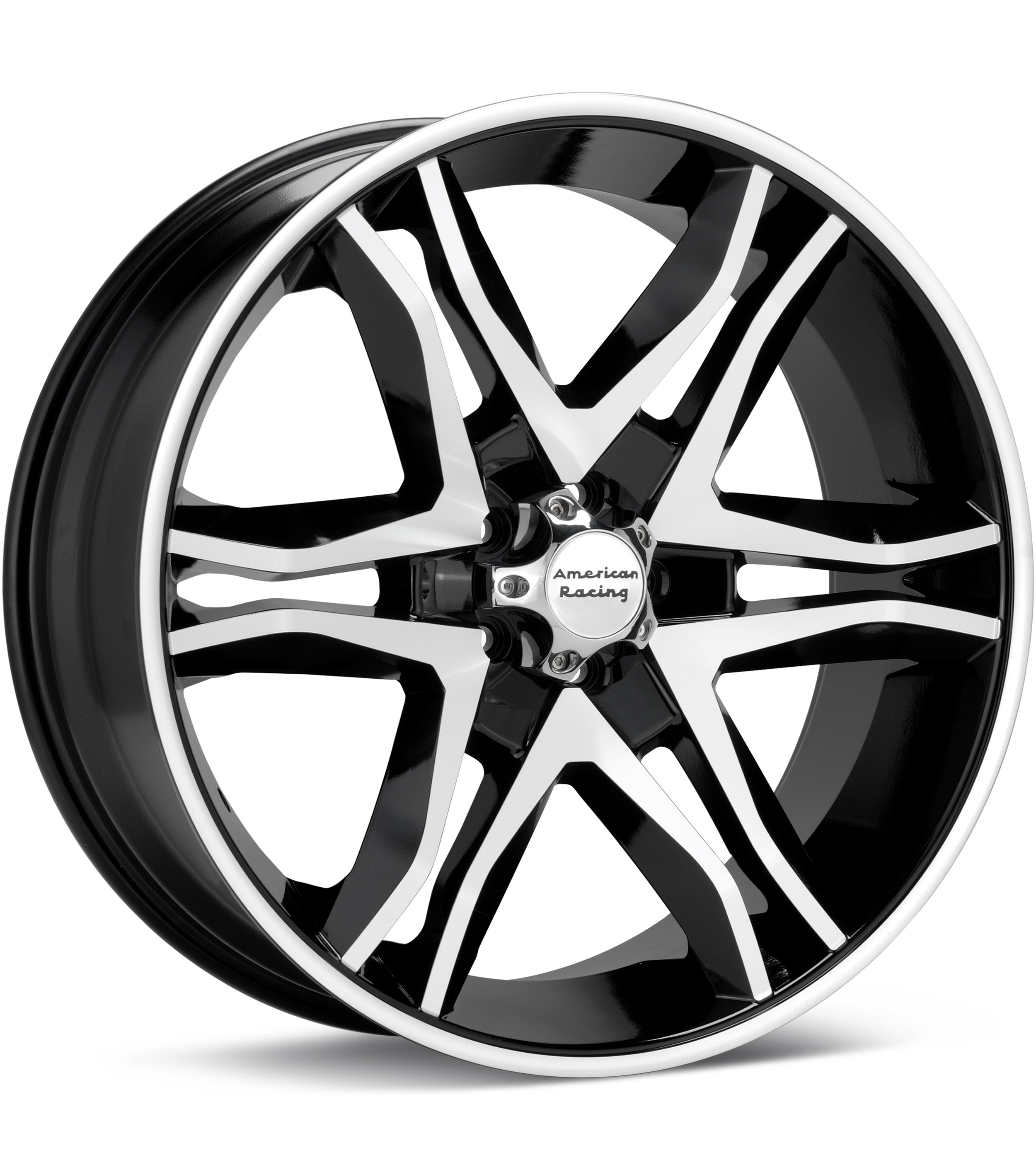
American Racing
Machined w/Black Accent
20 × 8.5″ · ET +35
$377.00
View at Tire Rack ↗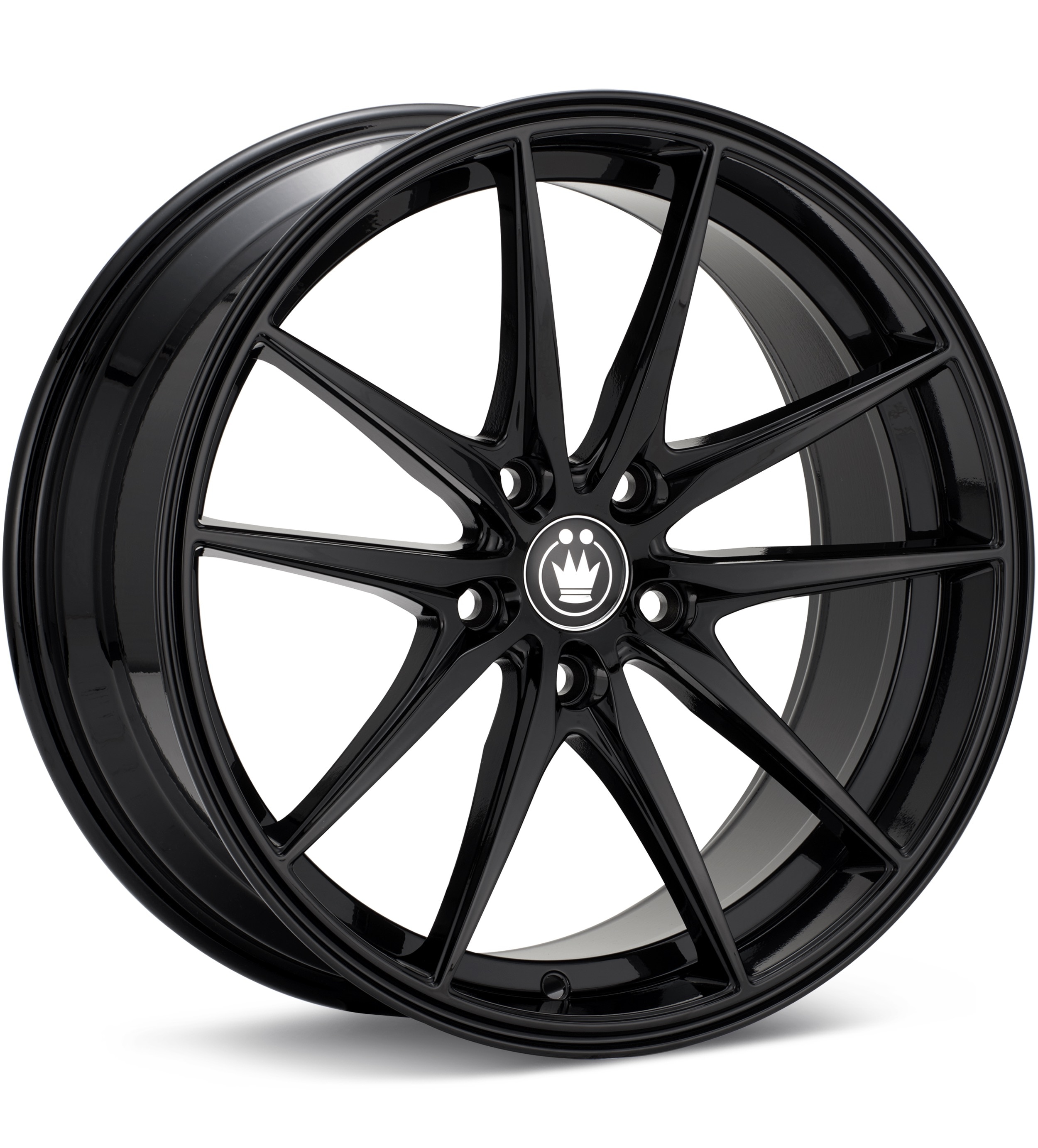
Konig
Gloss Black
20 × 8.5″ · ET +30
$316.54
View at Tire Rack ↗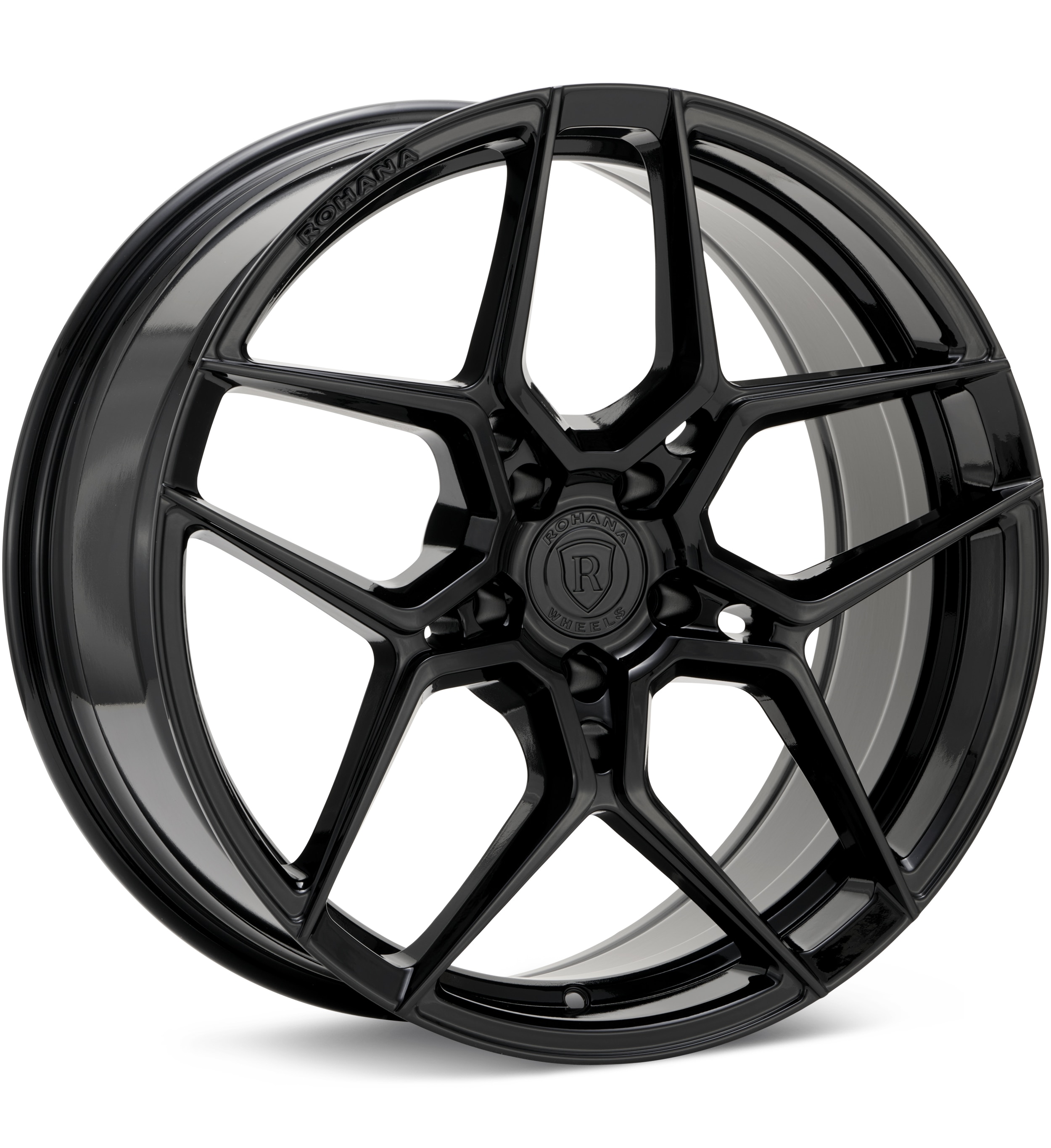
Rohana Wheels
Gloss Black
20 × 10″ · ET +40
$708.00
View at Tire Rack ↗We may earn a commission when you buy through these links. Prices and availability may change.
These are vehicle-year records whose recorded OEM ranges overlap this 2018 Ford Explorer. Overlap is not a guarantee that a specific wheel will install. Selected-wheel comparison is in the calculator below.
Evaluated 28 donor years. Listed 19 eligible overlaps (not all evaluated years are compatible). Showing all listed.
Years grouped because recorded compatibility evidence is equivalent. Each year keeps its own page.
Recorded vehicle-side thread for the 2018 Ford Explorer is 1/2"-20UNF. This donor year is recorded as M14x1.5. That is the vehicle stud/nut thread, not an intrinsic thread stamped on the wheel. Hardware must match this vehicle’s studs and the selected wheel’s seat and engagement. Existing hardware may be reusable if it already matches. Seat style is not in this dataset, so products are not a verified fit.
Dataset suggestionHub-centric rings ≈ 70.5 → 63.4 mm – not a verified installation requirement.
Hub-centric rings of about 70.5 → 63.4 mm mm may be relevant if the wheel bore is larger than the hub; they cannot enlarge a smaller bore. Recorded vehicle-side thread differs (M14x1.5 on the donor year vs 1/2"-20UNF on the target vehicle). Hardware must match the target vehicle’s studs and the selected wheel’s seat. Existing hardware may be reusable if it already matches. Seat style is not confirmed in this dataset.
Years grouped because recorded compatibility evidence is equivalent. Each year keeps its own page.
Dataset suggestionHub-centric rings ≈ 70.5 → 63.4 mm – not a verified installation requirement.
Hub-centric rings of about 70.5 → 63.4 mm mm may be relevant if the wheel bore is larger than the hub; they cannot enlarge a smaller bore. Width/offset ranges overlap; confirm diameter and brake clearance for your trim.
Years grouped because recorded compatibility evidence is equivalent. Each year keeps its own page.
Dataset suggestionHub-centric rings ≈ 70.5 → 63.4 mm – not a verified installation requirement.
Hub-centric rings of about 70.5 → 63.4 mm mm may be relevant if the wheel bore is larger than the hub; clearance is not verified. Donor width/offset sits outside the known OEM envelope for this vehicle.
Years grouped because recorded compatibility evidence is equivalent. Each year keeps its own page.
Center-bore records disagree (target year-level hub 63.3 mm vs trim range 63.4–63.4 mm; donor year-level hub 63.3 mm vs trim range 63.4–63.4 mm). Unqualified overlap is not claimed until the conflict is resolved. Width/offset ranges overlap; confirm diameter and brake clearance for your trim.
Only years with evidence-based interchange relationships are listed. Adjacent years are not assumed compatible.
Compare a donor vehicle or custom wheel against this 2018 Ford Explorer. Use Compare in calculator on a donor row above to fill the donor side of this same calculator.
Compare wheel compatibility between two vehicles
2018 Ford Explorer





Example products matched to recorded thread, hub, or spacer dimensions. They are not verified fits. Confirm seat style, thickness, and clearance before ordering.
1/2" - 20 UNF
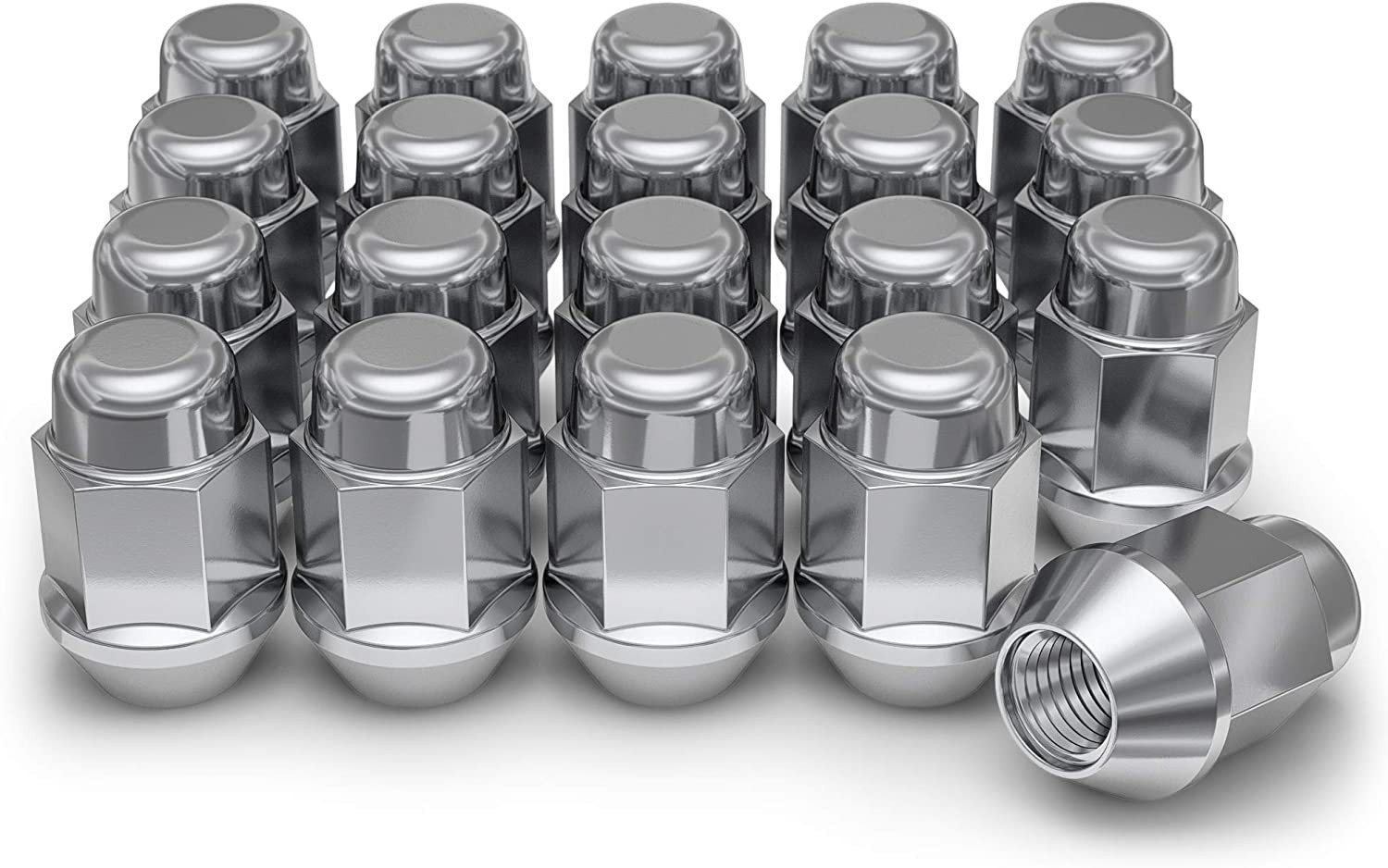
1/2" - 20 UNF · Thread match only; seat style is not verified
View on Amazon →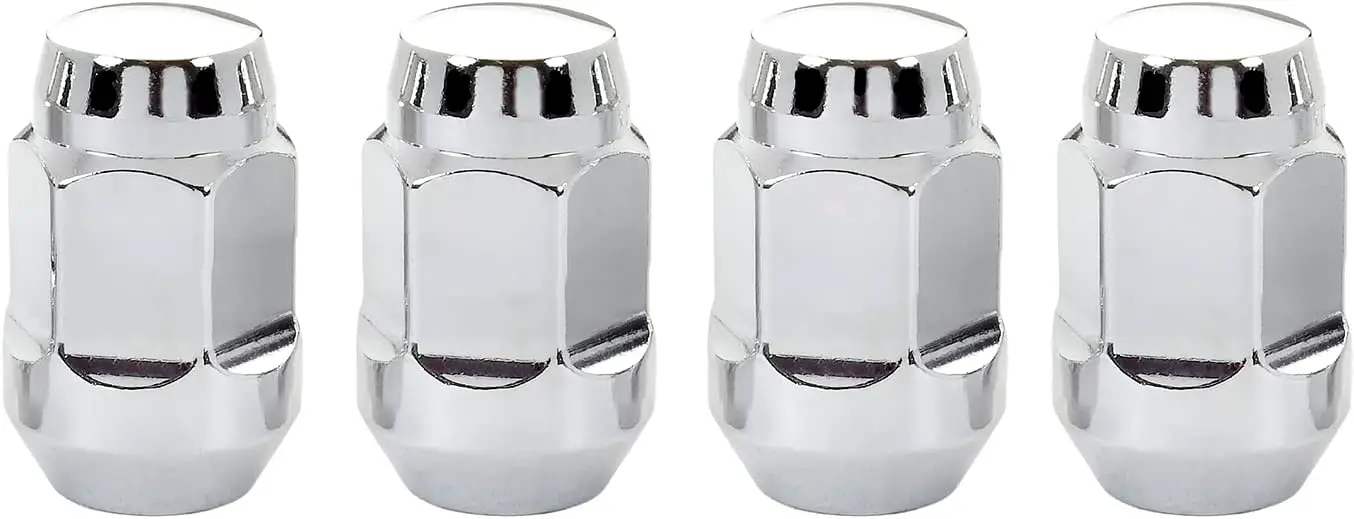
1/2" - 20 UNF · Thread match only; seat style is not verified
View on Amazon →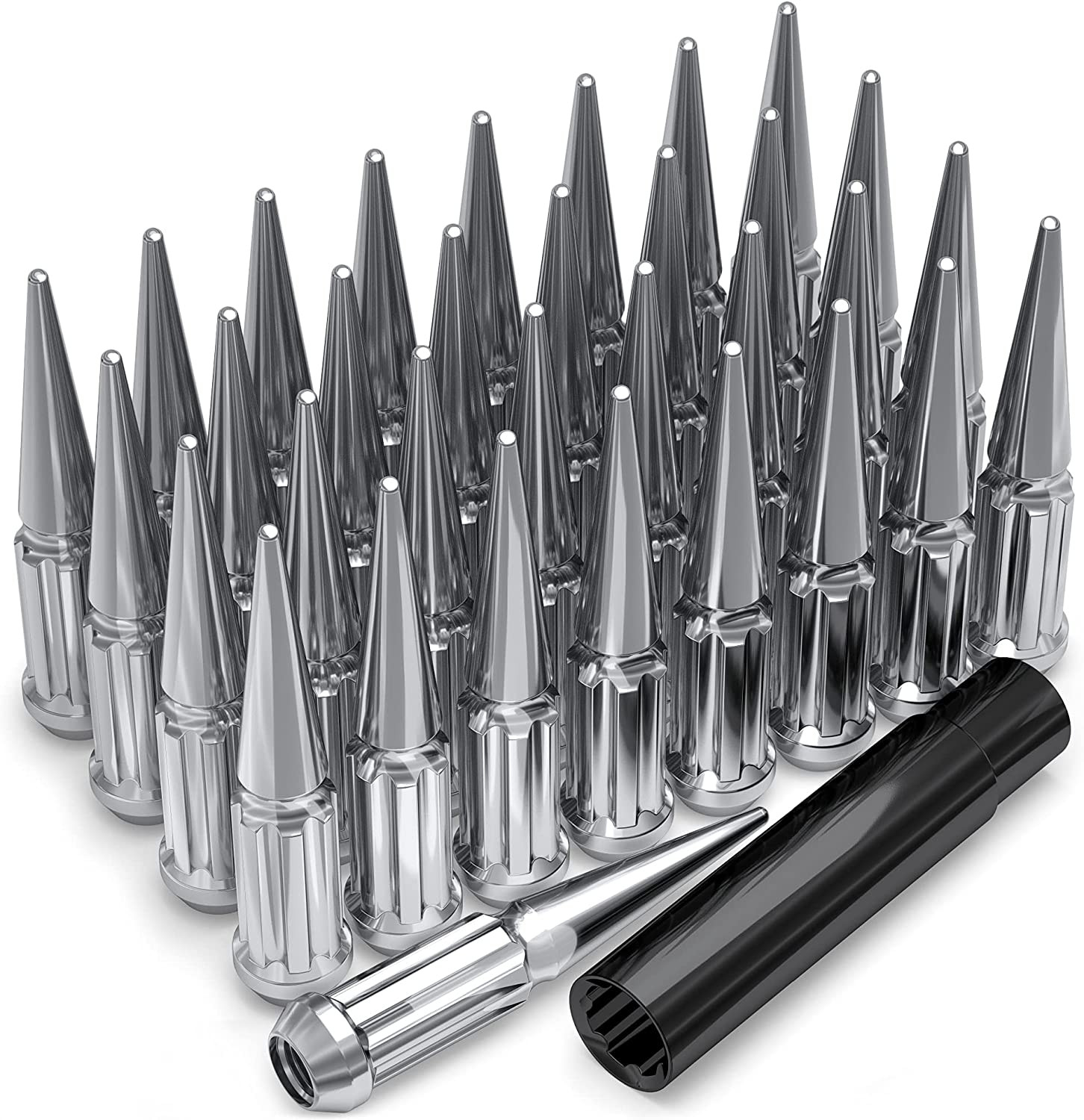
1/2" - 20 UNF · Thread match only; seat style is not verified
View on Amazon →As an Amazon Associate we earn from qualifying purchases. Product availability and pricing may change.
Use this page to review the supplied wheel and tire fitment information for a 2018 Ford Explorer and compare alternate wheel or tire dimensions with the on-page calculator. Fitment can vary by trim, package, brake configuration, and replacement wheel design, so confirm the vehicle-specific specifications before ordering.
The following values are the known reference specifications provided for this 2018 Ford Explorer. They may not represent every trim or factory wheel option.
| Specification | Known value |
|---|---|
| Bolt pattern | 5x114.3 |
| Center bore | 63.4 mm |
| Thread size | M14 x 1.5 |
| Rim diameter | 20 inches |
| Rim width | 9.0 inches |
| Wheel offset | ET40 |
| Backspacing | 6.07 inches |
| Tire size reference | 255/50R20 |
| Tire section width | 255 mm |
| Tire aspect ratio | 50% |
| Tire rim diameter | 20 inches |
Before buying, compare these values with the wheel markings, the vehicle information label, the owner's manual, and Ford parts information for your VIN and trim. Do not assume that every 2018 Ford Explorer uses the same wheel size.
The calculator lets you compare wheels from a donor vehicle with wheels installed on your 2018 Ford Explorer. It is a comparison tool, not a substitute for confirming brake, suspension, tire, and load-rating clearance.
A calculator result does not confirm physical clearance. Confirm the wheel's center bore, bolt-seat style, brake clearance, tire load rating, and safe clearance through the complete suspension and steering range.
Plus sizing changes the wheel diameter while using a lower-profile tire to keep the overall tire diameter reasonably close to the original. The goal is to preserve useful clearance and limit changes to speedometer behavior, gearing, ride height, and electronic-system calculations.
The known reference here is a 20-inch wheel with a 255/50R20 tire. If you test another diameter or width, use the calculator to compare the resulting tire diameter, sidewall height, section width, and wheel position. Do not select a tire solely because its nominal diameter appears similar.
A wider wheel or a lower offset can move the tire outward and may increase the risk of fender contact. A higher offset can move the wheel inward and may reduce clearance to suspension or brake components. Actual clearance also depends on spoke shape, tire brand, tread design, and production variation.
Any change should retain the required load capacity and maintain adequate clearance at full lock, full compression, and full rebound. When the vehicle is used for towing, heavy loads, or severe weather, prioritize the vehicle manufacturer's load and tire recommendations over appearance upgrades.
Use quality tools and follow the instructions supplied with the vehicle, wheels, tires, and fasteners.
What is the known bolt pattern for the 2018 Ford Explorer?
The supplied reference specification is 5x114.3. Confirm the pattern for the exact vehicle and replacement wheel before purchase.
What is the known center bore?
The supplied center bore is 63.4 mm. A replacement wheel with a smaller center bore will not fit over the vehicle hub. A larger bore may require correctly sized hub-centric rings when appropriate.
What wheel and tire size is listed as the reference?
The supplied reference is a 20-inch diameter, 9.0-inch-wide wheel with ET40 offset and a 255/50R20 tire. This information may be partial and may vary by trim or factory package.
Can I install any wheel with a 5x114.3 bolt pattern?
No. Bolt pattern is only one part of fitment. You must also confirm center bore, offset, backspacing, brake clearance, wheel-fastener seat and thread compatibility, load rating, and tire clearance.
What does changing wheel offset do?
Offset changes how far the wheel sits inward or outward relative to the hub. A lower offset generally moves the wheel outward, while a higher offset generally moves it inward. The actual result depends on wheel width and spoke design, so verify clearance with the calculator and a physical test fit.
Will the calculator confirm that a donor wheel fits?
The calculator compares dimensions and shows how custom wheel and tire sizes differ. It cannot confirm brake clearance, fastener-seat compatibility, load capacity, TPMS operation, or interference under all driving conditions.
How do I confirm the correct specifications for my Explorer?
Check the vehicle information label, owner's manual, original wheel markings, Ford parts information, and VIN-specific dealer or manufacturer documentation. Compare those sources with the calculator before ordering.
Do I need to recheck the wheels after installation?
Yes. Verify tire pressure, inspect for clearance, confirm TPMS operation, and recheck wheel-fastener torque according to the vehicle or wheel manufacturer's instructions after installation and after the recommended initial driving distance.
Wheel interchange depends on more than bolt pattern. Where data is available, this site compares recorded OEM values:
A normal wheel spacer does not change bolt pattern. Hub rings cannot enlarge a wheel bore that is smaller than the hub. Brake clearance and tire package fitment still require vehicle-specific checks when not confirmed in the dataset.
