
Enkei Performance
PX-10
Gunmetal
19 × 8″ · ET +35
$252.72
View at Tire Rack ↗Recorded OEM specifications for the 2019 Ford Flex, donor years with overlapping ranges, and a calculator to compare a selected wheel. Range overlap is not a guaranteed fit.
Save these wheel specs to your Ownery garage
Baseline mounting dimensions used for interchange decisions.
Multiple OEM configurations exist for this vehicle. Fitment can vary by trim, brakes, and factory wheel package – confirm your exact setup before buying.
Thread-only product links are shopping examples, not verified fits. Seat style is not confirmed here. As an Amazon Associate we earn from qualifying purchases.
Selected size: 19 × 8″ · ET +39
Showing matching bolt patterns and offsets up to 20 mm lower. Confirm center bore, load rating, and clearance at Tire Rack.
Enkei Performance
Gunmetal
19 × 8″ · ET +35
$252.72
View at Tire Rack ↗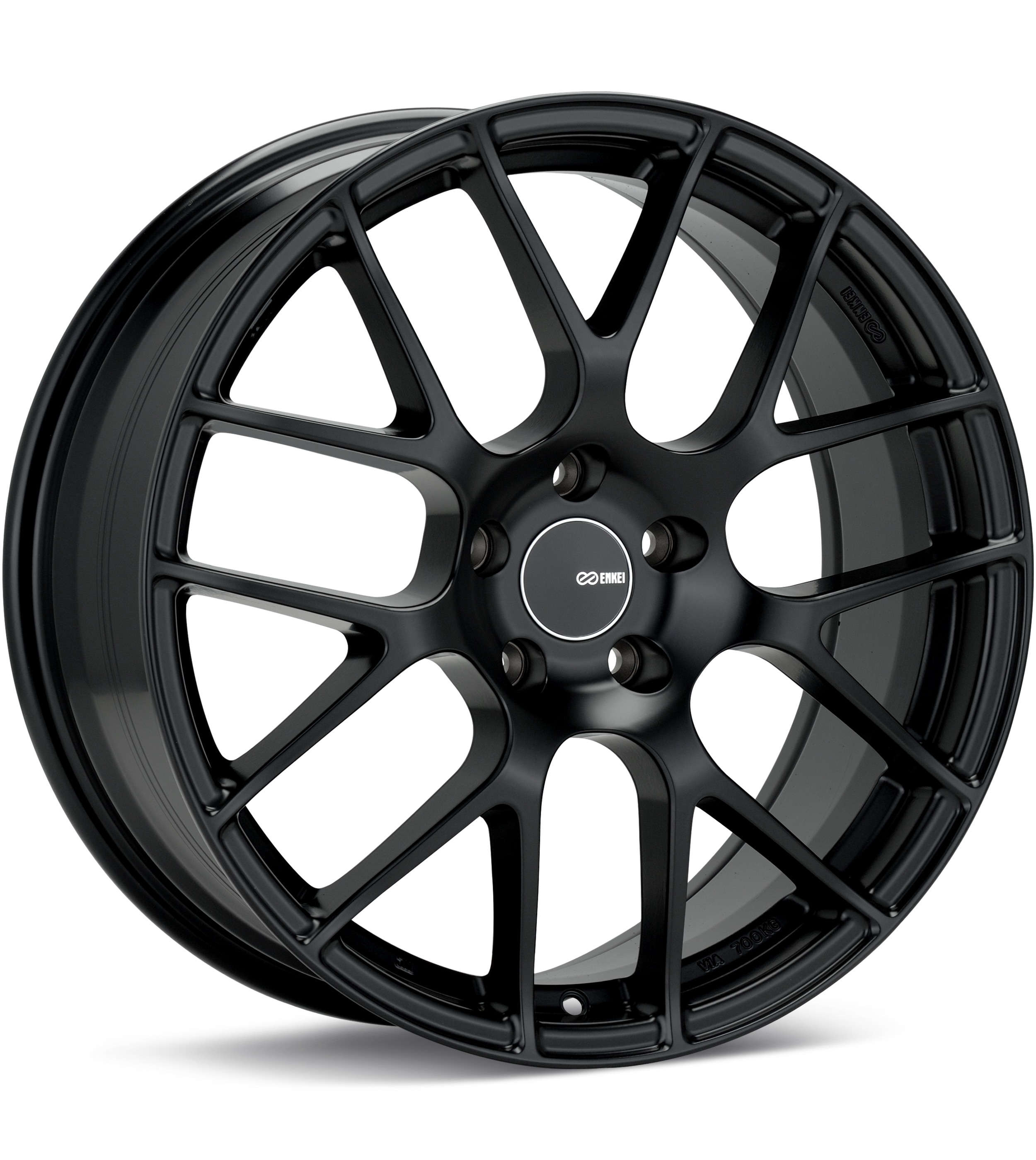
Enkei Tuning
Black
19 × 8.5″ · ET +35
$284.77
View at Tire Rack ↗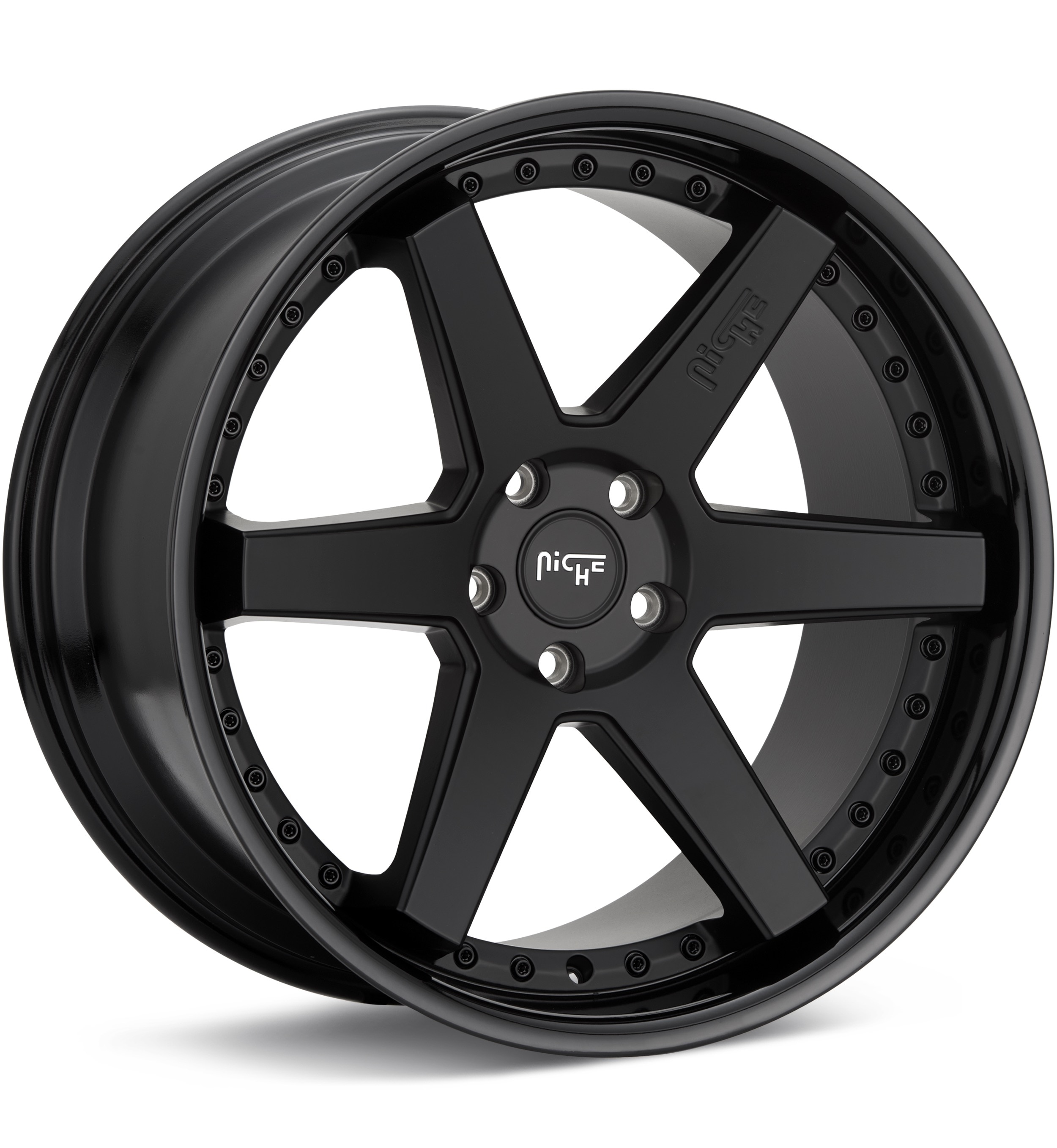
Niche Road Wheels
Black w/Gloss Black Lip
19 × 8.5″ · ET +35
$448.00
View at Tire Rack ↗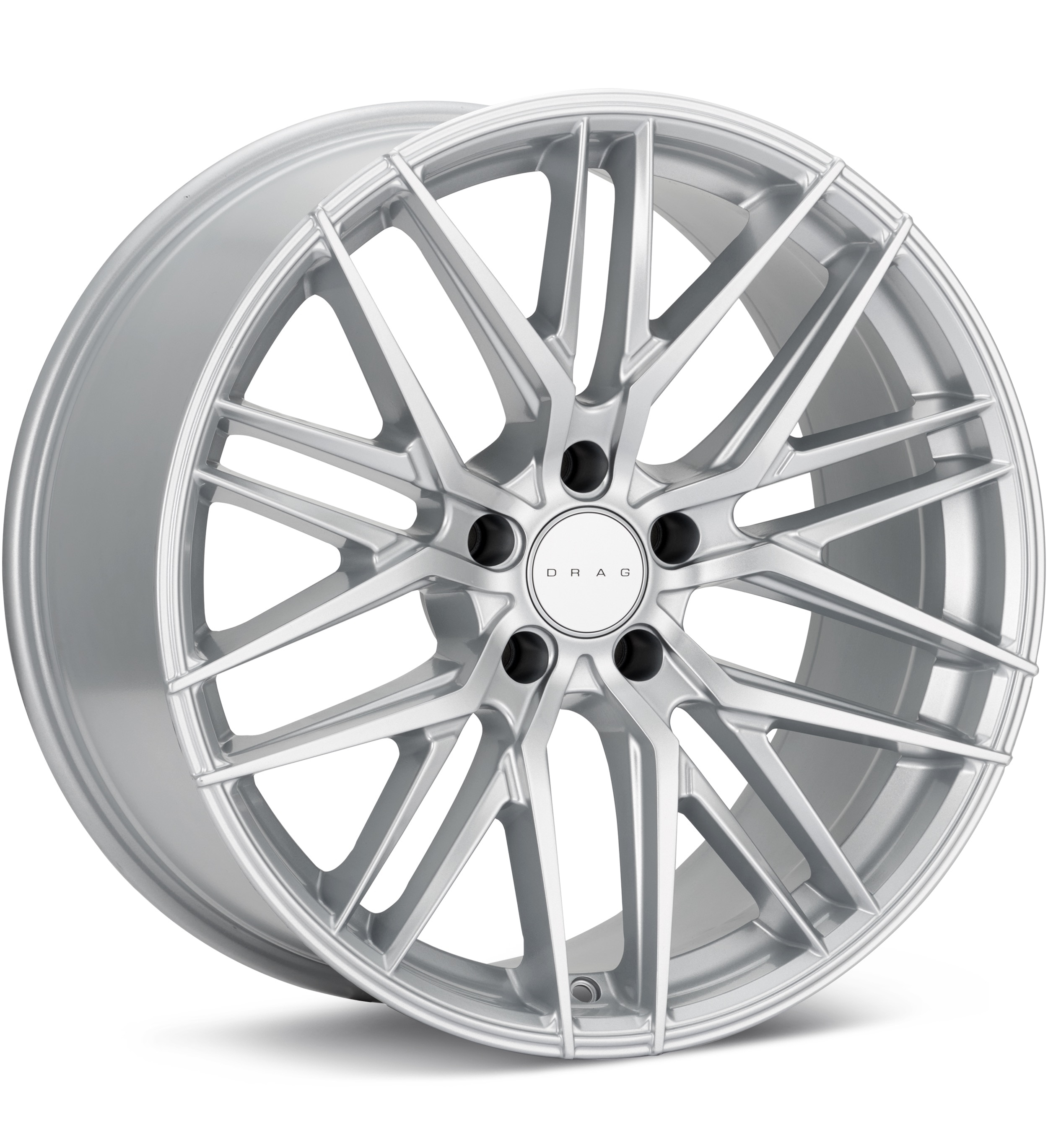
Drag
Silver
19 × 8.5″ · ET +32
$248.00
View at Tire Rack ↗We may earn a commission when you buy through these links. Prices and availability may change.
These are vehicle-year records whose recorded OEM ranges overlap this 2019 Ford Flex. Overlap is not a guarantee that a specific wheel will install. Selected-wheel comparison is in the calculator below.
Evaluated 26 donor years. Listed 24 eligible overlaps (not all evaluated years are compatible). Showing all listed.
Years grouped because recorded compatibility evidence is equivalent. Each year keeps its own page.
Approximate position vs the mid OEM package: outer change -3.18 mm, inner change -3.18 mm. This uses aggregated width/offset ranges, not a specific wheel.
Years grouped because recorded compatibility evidence is equivalent. Each year keeps its own page.
Dataset suggestionWheel spacer ≈ 8.18 mm – not a verified installation requirement.
A spacer of about 8.18 mm is a dataset suggestion only; clearance is not verified. Estimated outer position is about 8.18 mm farther inward than the mid OEM package.
Dataset suggestionWheel spacer ≈ 4.18 mm – not a verified installation requirement.
A spacer of about 4.18 mm is a dataset suggestion only; clearance is not verified. Estimated outer position is about 4.18 mm farther inward than the mid OEM package.
Years grouped because recorded compatibility evidence is equivalent. Each year keeps its own page.
Dataset suggestionWheel spacer ≈ 4.18 mm – not a verified installation requirement.
A spacer of about 4.18 mm is a dataset suggestion only; clearance is not verified. Estimated outer position is about 4.18 mm farther inward than the mid OEM package.
Years grouped because recorded compatibility evidence is equivalent. Each year keeps its own page.
Center-bore records disagree (donor year-level hub 63.3 mm vs trim range 63.4–63.4 mm). Unqualified overlap is not claimed until the conflict is resolved. Approximate position vs the mid OEM package: outer change -3.18 mm, inner change -3.18 mm. This uses aggregated width/offset ranges, not a specific wheel.
Years grouped because recorded compatibility evidence is equivalent. Each year keeps its own page.
Donor width/offset sits outside the known OEM envelope for this vehicle.
Donor width/offset sits outside the known OEM envelope for this vehicle.
Only years with evidence-based interchange relationships are listed. Adjacent years are not assumed compatible.
Compare a donor vehicle or custom wheel against this 2019 Ford Flex. Use Compare in calculator on a donor row above to fill the donor side of this same calculator.
Compare wheel compatibility between two vehicles
2019 Ford Flex





Example products matched to recorded thread, hub, or spacer dimensions. They are not verified fits. Confirm seat style, thickness, and clearance before ordering.
1/2" - 20 UNF
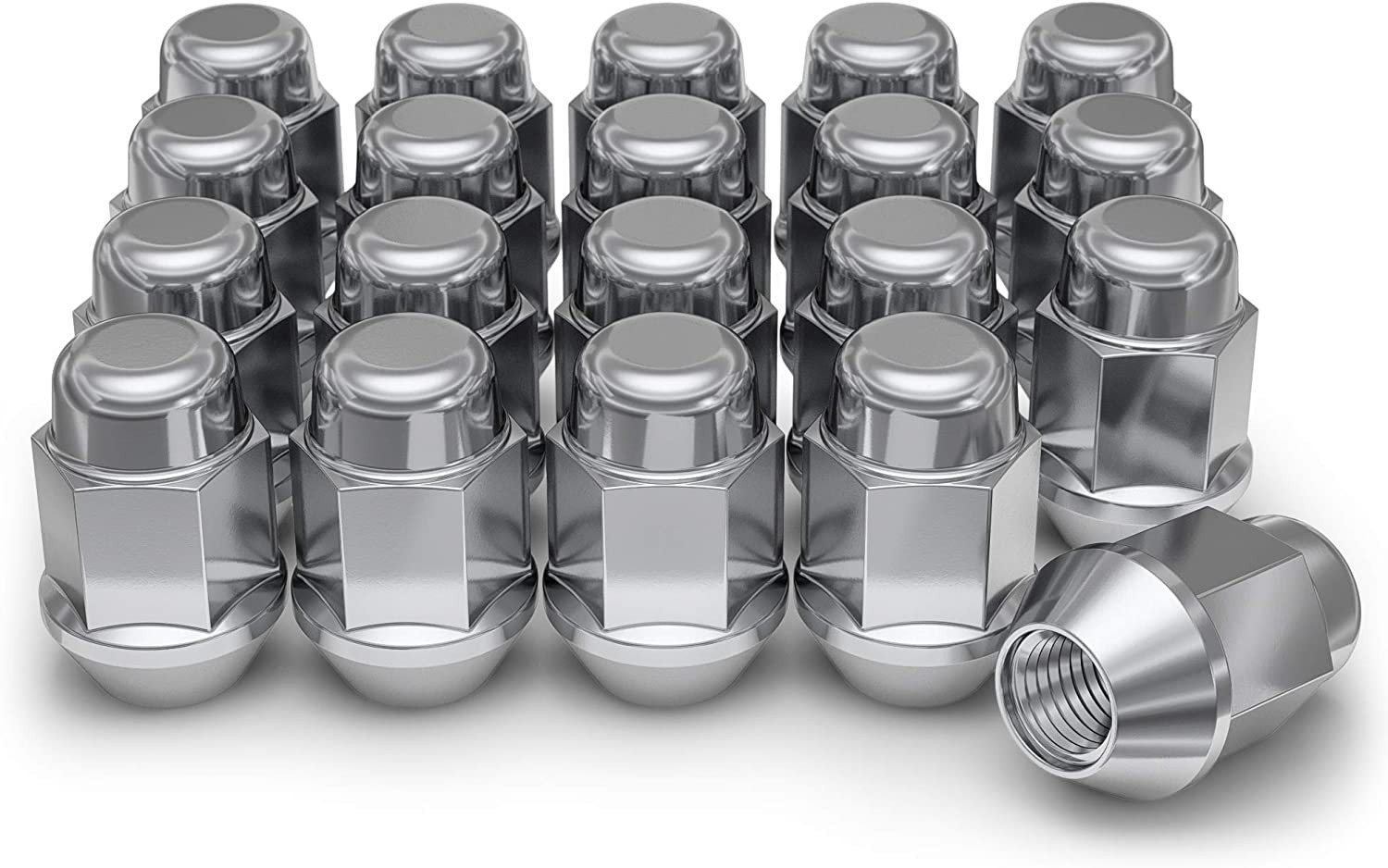
1/2" - 20 UNF · Thread match only; seat style is not verified
View on Amazon →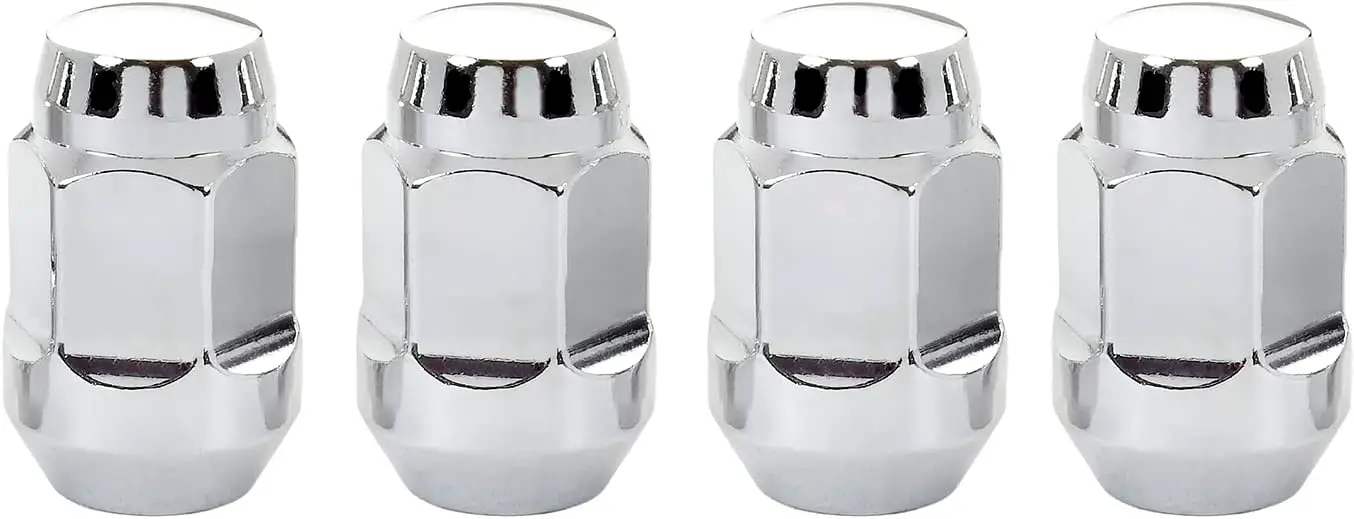
1/2" - 20 UNF · Thread match only; seat style is not verified
View on Amazon →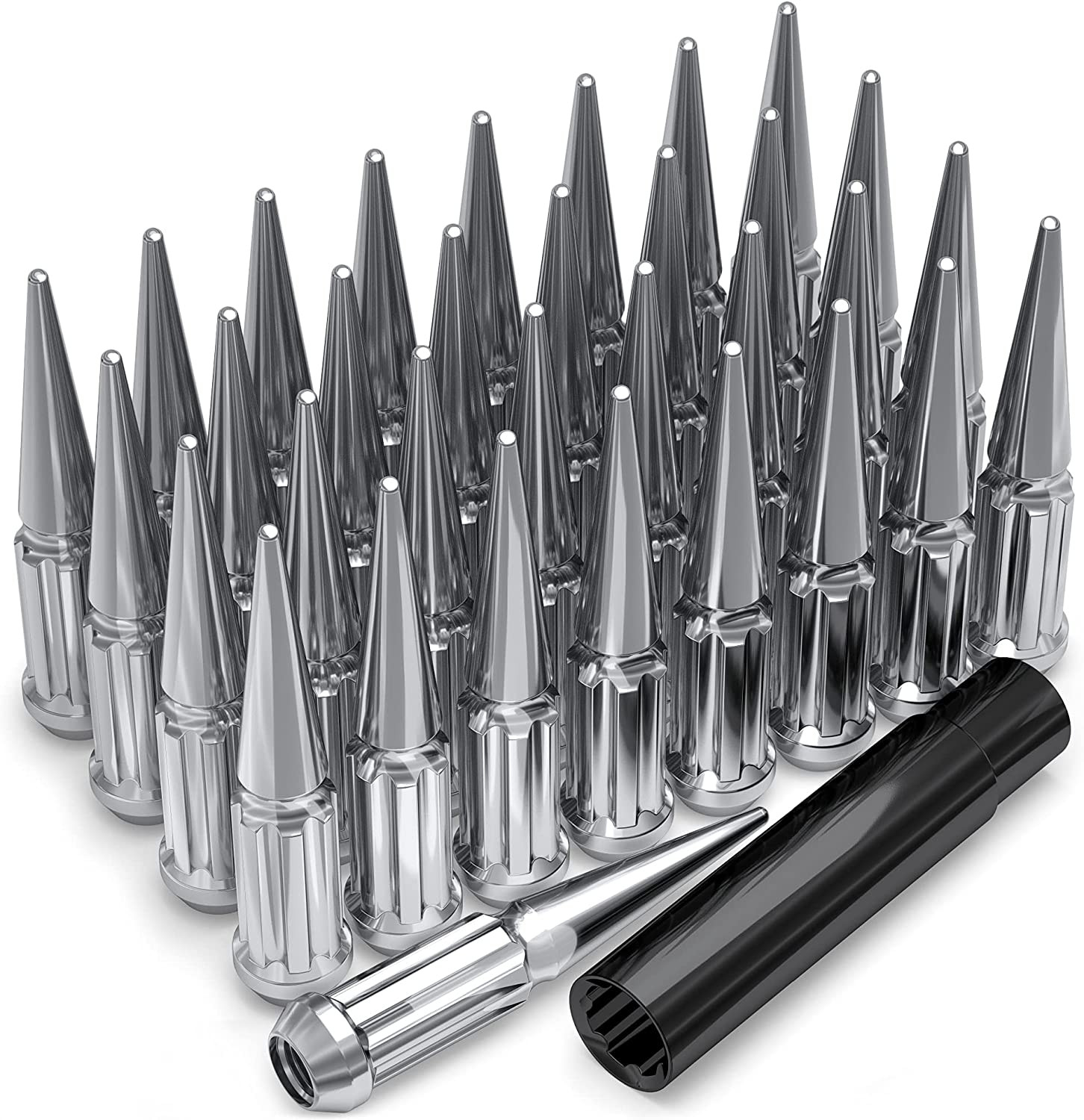
1/2" - 20 UNF · Thread match only; seat style is not verified
View on Amazon →As an Amazon Associate we earn from qualifying purchases. Product availability and pricing may change.
Goal: determine safe aftermarket wheel and tire choices for a 2019 Ford Flex while preserving fitment, steering geometry, brake clearance, and fastener compatibility. The following analysis compares options against known OEM evidence and explains how to confirm uncertain values using the on-page calculator and OEM sources.
Known OEM fitment data for the 2019 Ford Flex is listed below. These are treated as primary constraints for wheel selection.
| Attribute | Value |
|---|---|
| Bolt pattern (studs x PCD) | 5x114.3 |
| Center bore (mm) | 63.4 |
| Thread size | M12 x 1.5 |
| Wheel rim diameter (in) | 18 |
| Wheel rim width (in) | 7.5 |
| Wheel offset (ET, mm) | 39 |
| Backspacing (in) | 5.29 |
| Tire section width (mm) | 235 |
| Tire aspect ratio (%) | 55 |
| Tire rim diameter (R) | 19 |
Interpretation: most wheel dimensions are provided but one clear limitation exists. The OEM wheel rim diameter is listed as 18 inches while the OEM tire rim diameter is listed as 19 inches. That inconsistency requires verification before final selection.
How to confirm uncertain values: use the on-page calculator to enter your VIN or adjust custom wheel and tire inputs. Cross-check the vehicle placard in the driver door jamb, the OEM wheel stamping, or a dealer VIN lookup for definitive rim diameter and recommended tire sizes.
I outline practical options below, each framed by how much they deviate from OEM evidence and the likely implications.
Relevant parts to procure: correct lug nuts for M12x1.5, hub-centric rings sized to 63.4mm if needed, and a torque wrench to verify fastener torque during installation.
Tool links (evidence-supporting):
I compare the options by key fitment and performance dimensions: bolt pattern and thread compatibility, center bore and hub centricity, offset/backspacing effects, and overall tire diameter impact.
Evidence shows the Flex uses 5x114.3 studs and M12x1.5 threads. Hypothesis: any wheel with matching bolt pattern and thread will physically mount, but incorrect lug nut seat type or thread pitch will create safety-critical risks.
The OEM center bore of 63.4 mm is the baseline for hub-centric alignment. If an aftermarket wheel has a larger bore, hub-centric rings can restore proper centering. If smaller, the wheel will not fit without machining or an adapter, a practice I advise against without professional validation.
OEM offset ET39 and backspacing 5.29 inches set the wheel position relative to the hub. Lowering offset moves the wheel outward and increases track width and scrub radius, while higher offset moves it inward and reduces clearance for brake calipers. The on-page calculator quantifies these changes for any custom rim width or offset you enter.
The provided data lists rim diameter 18 inches but a tire rim diameter of 19 inches, a contradiction that changes the interpretation of OEM tire fitment. Use the calculator to simulate changing rim diameter and observe resulting tire diameter, speedometer error, and fender clearance. Confirm the correct OEM rim diameter with VIN or the door placard before selecting a different rim size.
Choosing OEM-equivalent wheels minimizes variables and limits the need for additional parts. Selecting a different offset or width can improve appearance and stance but requires calculation and possibly spacers, which introduce extra load paths and complexity. Upsizing rims to 19 inches (if intended) reduces sidewall height and can decrease ride compliance and increase rim damage risk; the calculator will show the diameter change and percent difference so you can assess its acceptability.
Recommendation: follow a conservative path that balances safety evidence and desired change. First, confirm rim diameter and recommended tire sizes via the on-page calculator plus VIN or the factory placard. If the VIN or placard confirms 18 inch OEM rims, select wheels that match 5x114.3, 63.4 center bore, M12x1.5 thread, and remain close to 18x7.5 with ET39.
If you deliberately change rim width or offset, use the on-page calculator to preview track width, overall diameter, and rubbing risk. My working hypothesis is that small offsets or width changes are acceptable if the calculator shows less than approximately 2 to 3 percent overall diameter change and no clipping with suspension or fenders, but confirm visually on the vehicle and with an alignment check.
Always use correct lug nuts for M12x1.5, torque to OEM specification, and fit hub-centric rings when the wheel bore exceeds 63.4 mm. If you plan spacers or adapters, choose the lightest reasonable thickness and a high-quality, hub-centric solution, then verify fastener torque and hub engagement after the first 50 to 100 miles.
Risk assessment and mitigation are essential. The primary risks and corresponding mitigations are listed below.
Limitations: some trim-specific variations may exist for the 2019 Flex. Where values vary by trim or manufacturing options, the on-page calculator and OEM VIN lookup are the authoritative verification tools. Use them before final purchase or installation.
Interpretation: following the conservative recommendation and using the calculator to validate any deviation will minimize fitment surprises and maintain a safety-first approach. This resolves the main technical uncertainties and supports a practical selection path.
Wheel interchange depends on more than bolt pattern. Where data is available, this site compares recorded OEM values:
A normal wheel spacer does not change bolt pattern. Hub rings cannot enlarge a wheel bore that is smaller than the hub. Brake clearance and tire package fitment still require vehicle-specific checks when not confirmed in the dataset.
