2004 GMC Canyon Wheel Fitment Guide
Known OEM Fitment For 2004 GMC Canyon
The following specifications are the known fitment values supplied for the 2004 GMC Canyon. They may represent only part of the vehicle's fitment data, and specifications can vary by trim, package, production date, or replacement wheel configuration. Confirm the original wheel and tire markings on your vehicle before ordering.
| Specification |
Known value |
| Bolt pattern |
6x139.7 |
| Center bore |
100.3 mm |
| Thread size |
M12 x 1.5 |
| Rim diameter |
16 inches |
| Rim width |
7.0 inches |
| Wheel offset |
ET25 |
| Backspacing |
4.48 inches |
| Listed tire section width |
205 mm |
| Listed tire aspect ratio |
75 percent |
| Listed tire rim diameter |
R15 |
There is a diameter inconsistency in the supplied data: the listed rim diameter is 16 inches, while the listed tire size ends in R15. Do not assume that a 205/75R15 tire belongs on a 16-inch wheel. Check the tire sidewall, wheel stampings, the vehicle certification label, and the owner's manual. The tire rim diameter must match the wheel diameter exactly.
The bolt pattern, center bore, thread size, offset, brake clearance, load rating, and tire specifications all matter. Matching only the six-lug pattern is not enough to establish safe fitment.
How To Use The Wheel Interchange Calculator
Use the calculator to compare Wheels from a donor vehicle with the wheels Installed on your 2004 GMC Canyon. Enter the donor wheel information as accurately as possible, including diameter, width, offset, bolt pattern, and center bore when available.
- Select the 2004 GMC Canyon as the vehicle receiving the wheel.
- Enter the donor vehicle and its wheel specifications in the comparison fields.
- Review the change in inner clearance, outer position, and overall wheel placement.
- Use Custom wheel size to test a wheel diameter, width, or offset that is not tied to a listed vehicle.
- Use Custom tire size to compare section width and aspect ratio.
- When rim diameter is changed, review the updated tire diameter comparison. A tire must be selected for the new wheel diameter.
The calculator is a screening tool, not a substitute for a physical test fit or OEM confirmation. It cannot verify every brake, suspension, hub, fender, tire-load, or steering-clearance condition.
Fitment Checklist Before You Buy
- Confirm the wheel uses a 6x139.7 bolt pattern.
- Confirm the wheel's center bore is compatible with the 100.3 mm hub. A smaller bore will not fit over the hub. A larger bore may require correctly sized hub-centric rings when appropriate.
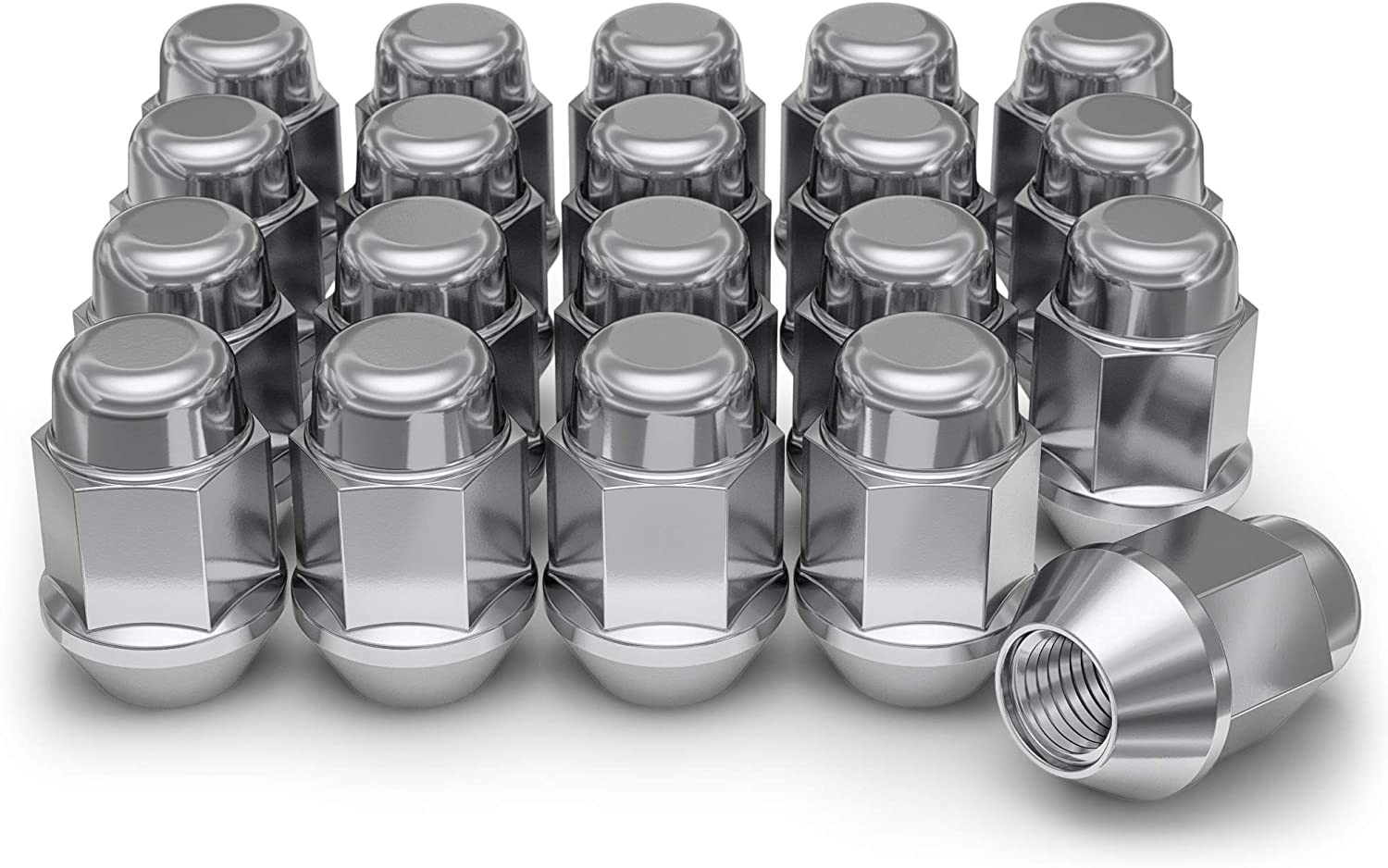
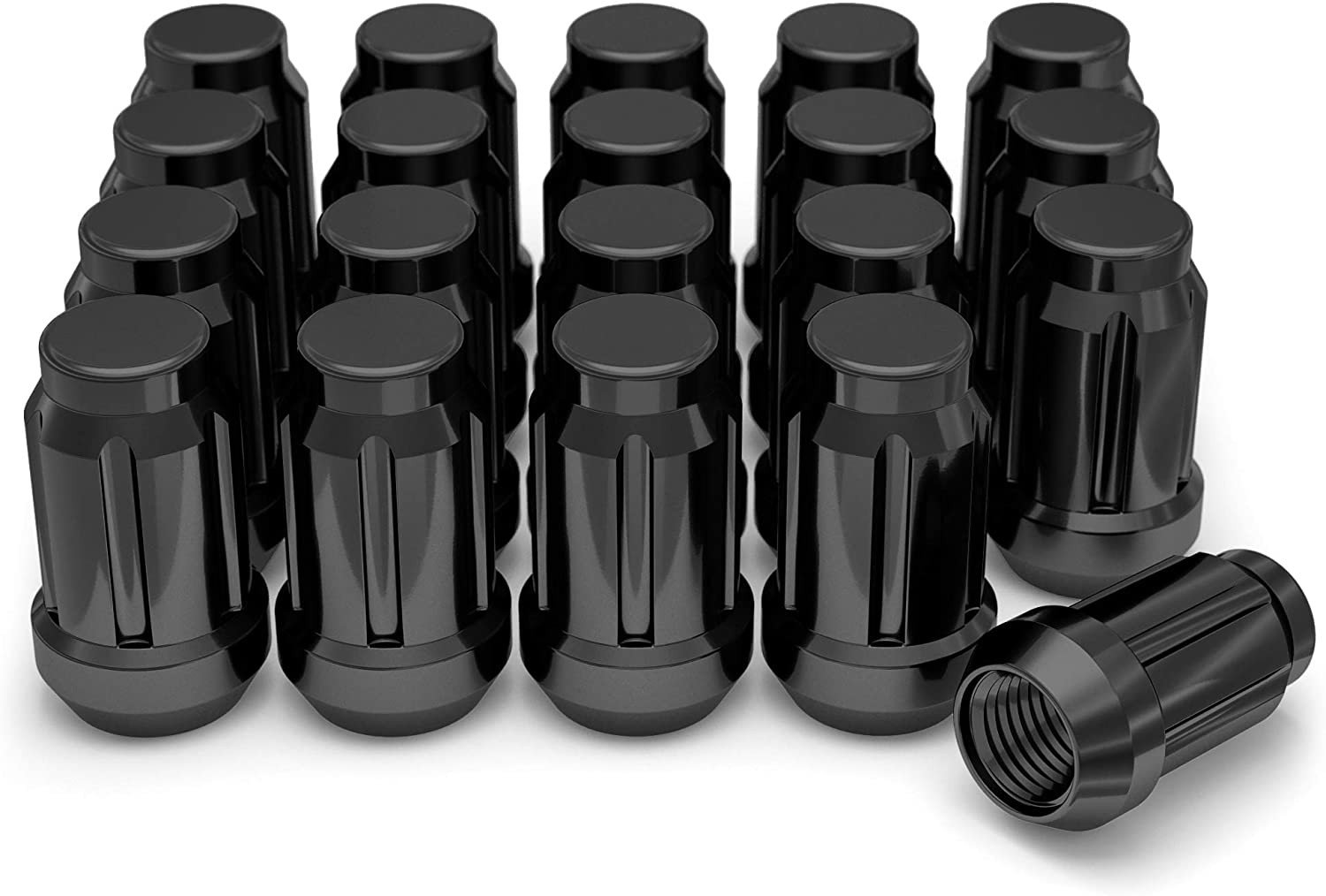
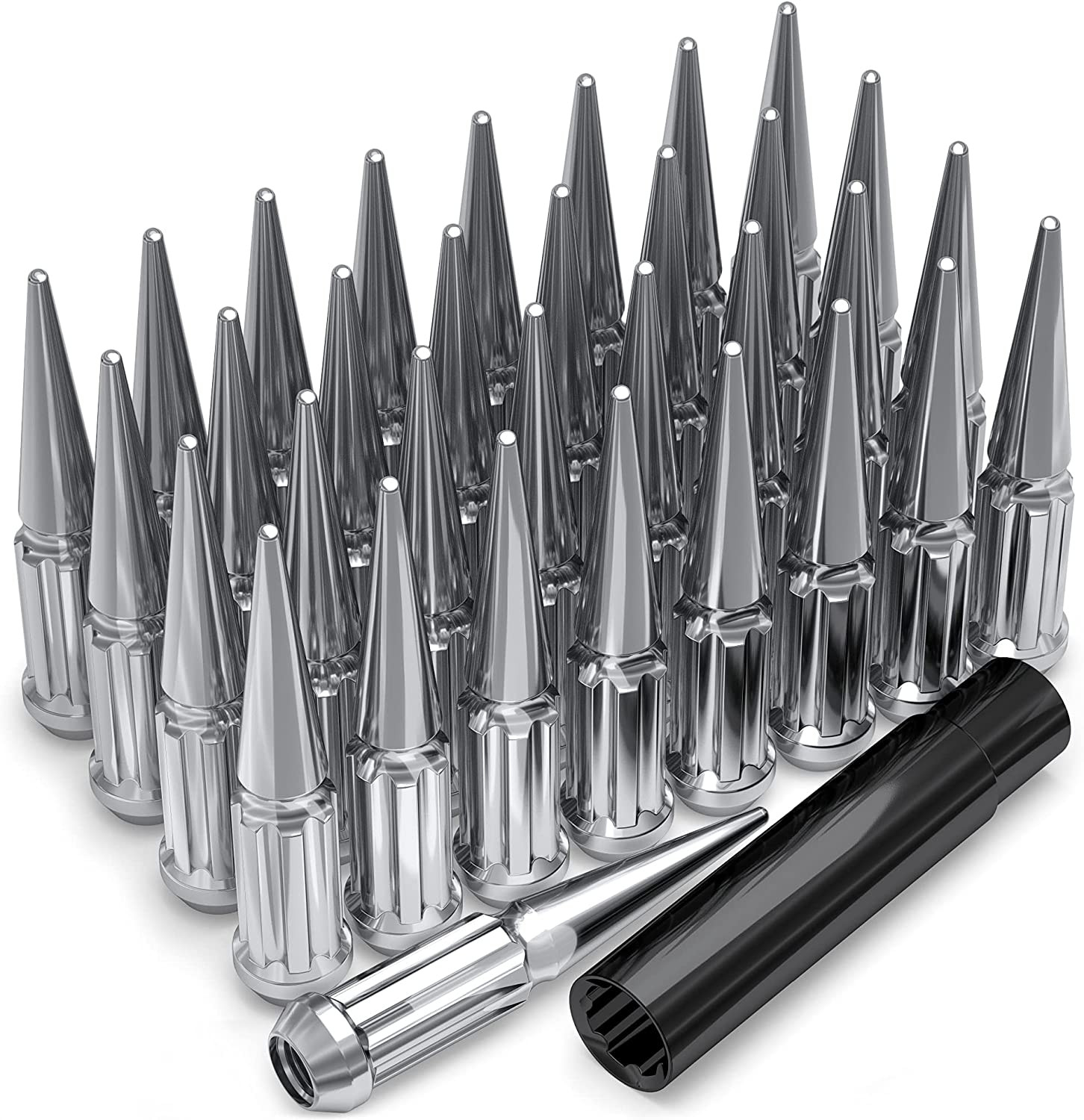
- Confirm the wheel is designed for M12 x 1.5 wheel hardware and that the fastener seat matches the wheel. Do not assume the original lug nuts are suitable for an aftermarket wheel.
- Check wheel diameter and width against the tire being used. The supplied data includes both a 16-inch rim value and an R15 tire value, so verify the correct configuration for your vehicle.
- Compare the wheel's offset with the known ET25 value and use the calculator to review changes in inner and outer clearance.
- Verify brake-caliper and suspension clearance with the actual wheel design. Spoke shape can affect clearance even when diameter, width, and offset appear suitable.
- Check the wheel load rating against the vehicle's required axle loads. The required load rating was not provided here, so confirm it using the door-jamb label, owner's manual, or OEM service information.
- Confirm the tire's load index, speed rating, diameter, and approved rim-width range.
- Inspect used wheels for cracks, bends, corrosion around the bead seat, damaged mounting holes, and previous repairs.
- After installation, verify clearance at full steering lock and through suspension movement before driving at road speed.
Plus Sizing And Common Upgrades
Plus sizing changes the wheel diameter while maintaining a similar overall tire diameter by using a lower tire aspect ratio. It can change handling response, ride comfort, road noise, wheel protection, speedometer behavior, and clearance. The correct replacement tire must match the new wheel diameter and remain within acceptable load and clearance limits.
Use the calculator's custom wheel and tire fields to compare proposed sizes with the known setup. Pay particular attention to overall tire diameter, section width, inner suspension clearance, outer fender clearance, and wheel position. The calculator can show dimensional differences, but it does not approve a particular upgrade.
Do not choose a tire solely because its section width appears close to 205 mm. Tire manufacturers can measure the same nominal size on different reference rim widths, and actual dimensions vary by model. Check the tire manufacturer's data before purchase.
Installation Tips
- Clean the hub face and wheel mounting surface before installation. Remove rust and debris without removing metal from the mounting surfaces.
- Test-fit one wheel on the front and one on the rear when possible. Check the caliper, strut, control-arm, tie-rod, and fender clearances.
- Install the correct lug nuts or wheel bolts for the wheel's seat type and thread specification.
- Start all fasteners by hand to avoid cross-threading.
- Tighten in a star or crisscross pattern using a calibrated torque wrench. Use the vehicle or wheel manufacturer's specified torque rather than guessing.
- Do not lubricate wheel studs or lug nuts unless the applicable manufacturer specifically permits it, because lubrication can change the clamping load.
- Inflate tires to the vehicle manufacturer's recommended cold pressure unless a qualified tire professional provides a documented alternative.
- Recheck fastener torque after the first short drive and again according to the wheel manufacturer's instructions.
- After changing wheel or tire size, confirm that the spare tire, tire-pressure monitoring equipment, and vehicle systems remain appropriate for the new configuration.
Tools And Helpful Supplies
Useful equipment includes a torque wrench, suitable socket, jack, jack stands, wheel chocks, a tread or clearance inspection tool, and a tire-pressure gauge. Use jack stands on a solid, level surface and never work under a vehicle supported only by a jack.
Before using any tool, follow its instructions and verify its capacity. If a wheel does not seat fully, stop and identify the cause rather than tightening the fasteners to force it into position.
FAQs
What is the bolt pattern for the 2004 GMC Canyon?
The supplied known fitment is 6x139.7. Confirm the vehicle and wheel specifications before purchase because bolt pattern alone does not prove compatibility.
What center bore is listed for this vehicle?
The supplied center bore is 100.3 mm. A wheel bore smaller than the hub will not fit. A larger bore may need a properly sized hub-centric solution where appropriate.
What wheel offset is listed?
The supplied wheel offset is ET25, with a listed 7.0-inch rim width and 4.48-inch backspacing. Compare any replacement wheel in the calculator and physically check clearance.
Can I use a 205/75R15 tire on the listed 16-inch wheel?
No. A tire marked R15 is designed for a 15-inch rim, not a 16-inch rim. The supplied information contains both a 16-inch rim value and an R15 tire value, so verify which configuration applies using the vehicle label, tire sidewall, wheel markings, and OEM sources.
Can any six-lug wheel with a 6x139.7 pattern fit?
No. You must also check center bore, wheel hardware and seat type, offset, width, diameter, brake clearance, load rating, tire specifications, and physical clearance.
Does the calculator guarantee that a donor wheel will fit?
No. It compares the entered dimensions and helps identify likely changes in wheel and tire position. Final fitment requires accurate specifications and a physical clearance inspection.
How do I confirm the correct factory tire size?
Read the tire sidewall and the vehicle certification label, then compare those markings with the owner's manual and OEM service information. If the sources disagree, have a qualified tire or wheel professional verify the correct configuration before ordering.
Should I use hub-centric rings with a larger-bore wheel?
A larger-bore wheel may require an accurately sized hub-centric ring if the wheel and application call for one. The ring must fit the vehicle hub and wheel bore precisely and must not interfere with wheel seating. It cannot correct an incorrect bolt pattern, offset, wheel seat, or brake-clearance problem.