2012 GMC Canyon Wheel Fitment Guide
Use the information below as a starting point when comparing wheels and tires for a 2012 GMC Canyon. The listed values are the known fitment data supplied for this page. Trim, package, market, replacement-wheel design, and tire requirements can vary, so confirm measurements with the vehicle, the owner’s manual, the door-jamb tire label, and the wheel manufacturer before purchasing.
Known OEM Fitment For 2012 GMC Canyon
| Specification |
Known value |
| Bolt pattern |
6x139.7, meaning 6 studs on a 139.7 mm pitch circle diameter |
| Center bore |
100.3 mm |
| Thread size |
M12 x 1.5 |
| Rim diameter |
17 inches |
| Rim width |
7.0 inches |
| Wheel offset |
ET25, or 25 mm |
| Backspacing |
4.48 inches |
| Tire section width |
215 mm |
| Tire aspect ratio |
70 percent |
| Tire rim diameter |
16 inches, shown as R16 in the supplied data |
There is a diameter mismatch in the supplied data: the wheel entry says 17 inches, while the tire entry says R16. These values should not be treated as one confirmed wheel-and-tire package. Verify the actual wheel diameter and the vehicle’s required tire size from the tire sidewall, door-jamb label, owner’s manual, or an OEM parts source before ordering. A 16-inch tire cannot be mounted on a 17-inch wheel.
How To Use The Wheel Interchange Calculator
The on-page calculator compares Wheels from (donor vehicle) with Installed on (your vehicle). Enter the donor wheel and tire details, then enter the known or measured specifications for the 2012 GMC Canyon.
- Start with the bolt pattern, center bore, wheel diameter, wheel width, and offset.
- Enter tire section width, aspect ratio, and rim diameter separately. Do not assume the tire diameter matches a wheel diameter unless the rim sizes are the same.
- Use the comparison results to review changes in overall tire diameter, wheel position, and clearance.
- Try the Custom wheel size controls to compare alternate rim diameters, widths, and offsets.
- Use the Custom tire size controls to compare different section widths and aspect ratios.
- When you change rim diameter, review the updated tire diameter shown by the calculator. A larger or smaller wheel normally requires a different tire sidewall to maintain a similar overall diameter.
The calculator is a comparison aid, not a substitute for a physical test fit. It cannot confirm brake-caliper clearance, suspension clearance at full steering lock, hub engagement, load rating, or whether a particular wheel design clears the vehicle.
Fitment Checklist Before You Buy
- Confirm the 6x139.7 bolt pattern and verify that the wheel has six correctly sized mounting holes.
- Check that the wheel’s center bore is compatible with the vehicle’s 100.3 mm hub. A smaller bore will not fit over the hub. A larger bore may require properly specified hub-centric rings if the wheel manufacturer permits them.
- Confirm the wheel width, diameter, and offset. Offset changes the wheel’s position relative to the suspension, fender, and brake components.
- Verify that the wheel’s load rating meets or exceeds the vehicle and axle requirements.
- Confirm the tire size, load index, speed rating, and inflation requirements using the door-jamb label and owner’s manual.
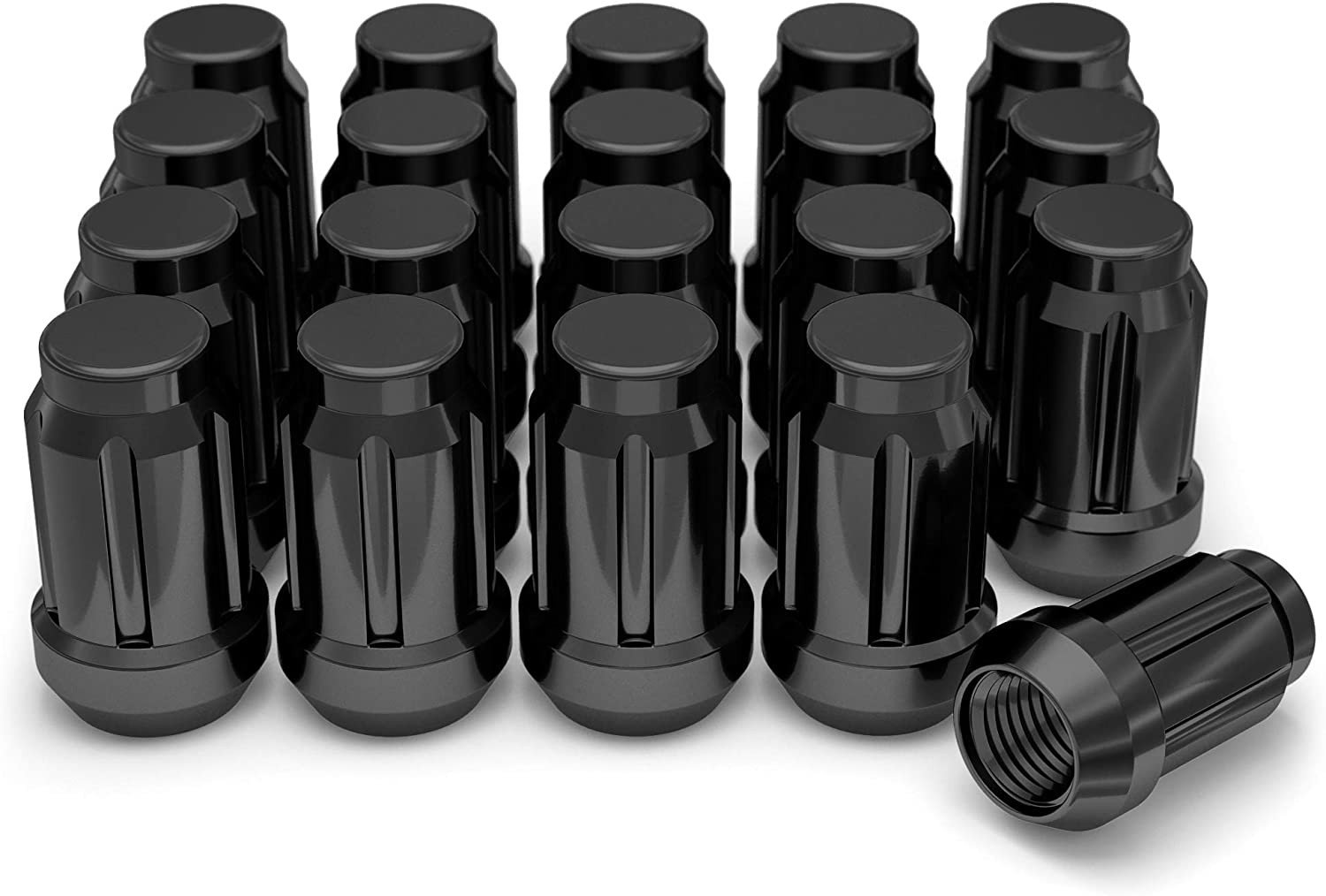
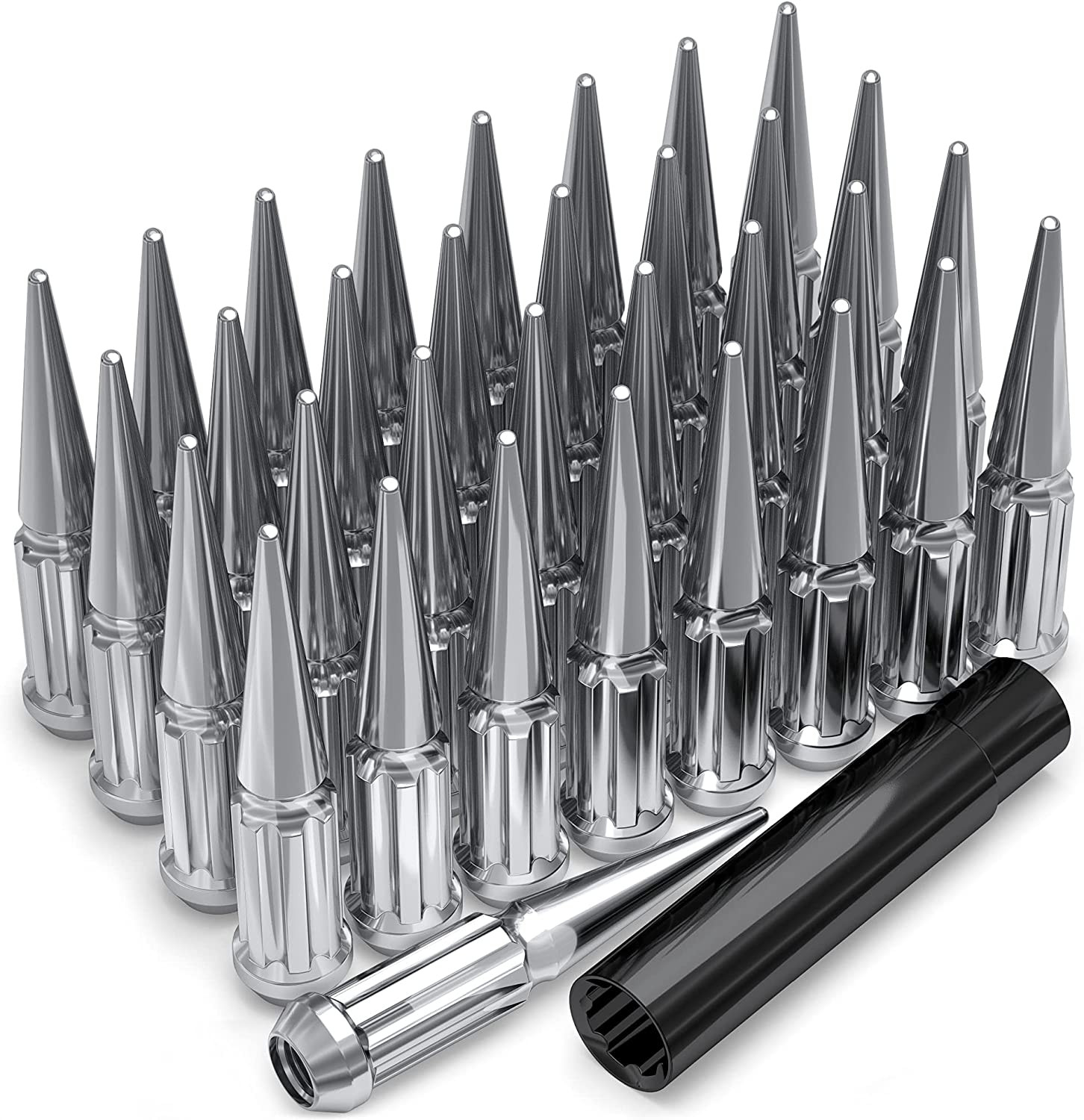
- Check the wheel’s bolt-seat type and ensure the lug nuts match the wheel. Do not assume the supplied M12 x 1.5 thread size identifies the correct lug-seat shape.
- Inspect clearance with the steering turned fully left and right, and check suspension travel if the wheel or tire size changes.
- Make sure the tire does not contact the fender, liner, control arms, struts, brake hardware, or other components.
- Do not rely on a vehicle list from a seller alone. Confirm dimensions from the wheel manufacturer and compare them in the on-page calculator.
Plus Sizing And Common Upgrades
Plus sizing generally means using a larger wheel diameter with a lower-profile tire while keeping the overall tire diameter close to the original target. This can change steering response, ride comfort, speedometer behavior, wheel protection, and clearance.
The supplied information includes both a 17-inch rim diameter and an R16 tire diameter, so the correct original package must be verified before selecting a plus-size setup. Do not calculate an upgrade from the mixed values without confirming which specification applies to the vehicle.
- Use the calculator’s custom wheel and tire fields to compare overall diameter before buying.
- Keep the replacement tire’s load index and speed rating appropriate for the vehicle.
- Check that the replacement wheel’s offset and width do not move the tire too far inward or outward.
- Remember that a wider tire can increase the risk of rubbing even when its calculated diameter is similar.
- Confirm replacement sizes with an OEM source, tire manufacturer, or qualified tire professional.
Installation Tips
- Inspect the hub and wheel mounting surfaces. Remove rust, dirt, and debris without damaging the surfaces.
- Install wheels only with compatible lug nuts and the correct seat design.
- Thread lug nuts by hand first to avoid cross-threading.
- Tighten in a star or crisscross sequence, then use a calibrated torque wrench and the vehicle or wheel manufacturer’s specified torque.
- Never lubricate lug studs or lug seats unless the applicable manufacturer specifically requires it.
- After installation, verify tire pressure using the vehicle’s recommended cold pressure.
- Recheck lug torque after the first short drive and again according to the wheel manufacturer’s instructions.
- Stop immediately if you hear rubbing, vibration, clicking, or unusual steering changes.
Tools And Helpful Supplies
Useful equipment includes a properly rated jack, jack stands, wheel chocks, a socket set, a calibrated torque wrench, a tire-pressure gauge, and a tread or clearance inspection tool. A hub cleaning brush can help prepare the mounting surface. Never work under a vehicle supported only by a jack.
FAQs
What is the bolt pattern for the 2012 GMC Canyon?
The known bolt pattern is 6x139.7. Confirm that any replacement wheel has the same six-lug pattern and that the hole layout matches the vehicle.
What is the center bore?
The supplied center-bore specification is 100.3 mm. A wheel with a smaller center bore will not fit over the hub. A larger bore may need correctly specified hub-centric rings, subject to the wheel manufacturer’s guidance.
What lug thread size is listed?
The supplied thread size is M12 x 1.5. Thread size alone does not confirm the correct lug nut because the lug-seat shape, length, and wheel design must also match.
Can I use the listed 17-inch wheel specification with the listed R16 tire?
No. A tire marked R16 is designed for a 16-inch rim, while a 17-inch wheel requires a tire marked R17. The supplied data contains both values, so verify the actual wheel and tire package before purchasing.
Does the calculator guarantee that a donor wheel will fit?
No. It compares dimensions and helps identify potential differences, but it cannot guarantee brake, suspension, fender, hub, or load-rating compatibility. Complete a physical clearance check and confirm the wheel manufacturer’s specifications.
How do I choose a replacement tire size?
Begin with the size on the vehicle’s door-jamb label or owner’s manual. If considering another size, compare section width, aspect ratio, rim diameter, overall diameter, load index, and speed rating in the calculator, then confirm the result with a tire professional.
Is the 4.48-inch backspacing interchangeable with ET25?
Backspacing and offset describe related but different measurements, and their relationship also depends on wheel width. The supplied values are listed together, but verify both against the actual wheel specification and use the calculator when comparing a different width or offset.
Where should I confirm the final specifications?
Check the vehicle’s door-jamb label, owner’s manual, OEM parts information, the wheel manufacturer’s technical data, and the tire manufacturer’s fitment guidance. When those sources differ, pause the installation and obtain clarification from a qualified technician.