2007 GMC Canyon Wheel Interchange and Fitment Guide
Use this guide to compare wheel and tire dimensions for a 2007 GMC Canyon. The specifications below are the known OEM fitment values supplied for this page. Confirm the exact trim, drivetrain, brake package, and current vehicle requirements before purchasing or installing wheels.
Known OEM Fitment For 2007 GMC Canyon
The following values are available for the 2007 GMC Canyon:
| Specification |
Known value |
| Bolt pattern |
6x139.7, meaning 6 studs on a 139.7 mm pitch circle diameter |
| Center bore |
100.3 mm |
| Thread size |
M12 x 1.5 |
| Rim diameter |
16 inches |
| Rim width |
7.0 inches |
| Wheel offset |
ET25, or 25 mm |
| Backspacing |
4.48 inches |
| Tire section width |
205 mm |
| Tire aspect ratio |
75 percent |
| Tire rim diameter listed in the supplied data |
15 inches |
The supplied data lists a 16-inch rim diameter while also listing a 15-inch tire rim diameter. These values do not describe the same wheel and tire combination, so do not treat them as a confirmed complete OEM package. Check the driver-door tire placard, owner’s manual, factory parts information, and the sidewall of the tires currently installed. The wheel and tire must have matching rim diameters.
Do not assume that every 6x139.7 wheel will fit. Center bore, offset, width, brake clearance, load rating, stud and nut compatibility, and tire clearance also matter.
How To Use The Wheel Interchange Calculator
Use the calculator to compare a donor wheel and tire with the dimensions installed on your 2007 GMC Canyon. Select the donor vehicle or enter its wheel specifications, then enter the wheel and tire information currently intended for your Canyon.
The calculator allows you to adjust custom wheel size, including rim diameter, rim width, and offset. You can also adjust custom tire size by entering section width and aspect ratio. Changing rim diameter updates the tire diameter shown in the comparison, which helps identify changes in overall height and speedometer-related diameter.
- Enter or select the donor vehicle and record its wheel diameter, width, offset, bolt pattern, and center bore.
- Enter the intended 2007 GMC Canyon wheel and tire dimensions in the installed-on-vehicle fields.
- Use custom wheel size when the donor wheel is aftermarket or its exact dimensions are not available from the vehicle selection.
- Compare inner clearance, outer position, overall tire diameter, and any displayed difference from the reference setup.
- Use the results as a dimensional screening tool, then perform a physical clearance check before driving.
The calculator cannot confirm brake-caliper clearance, suspension movement, body interference, wheel load rating, tire load index, or whether a particular lug nut seat is correct. Those items require product specifications and vehicle inspection.
Fitment Checklist Before You Buy
Confirm the complete wheel and tire package rather than relying on bolt pattern alone.
- Verify the 6x139.7 bolt pattern and confirm that the wheel has six correctly positioned mounting holes.
- Check that the wheel center bore is 100.3 mm or larger and use a properly specified hub-centric ring only when appropriate. A smaller bore will not fit over the hub.
- Confirm the wheel offset, width, and backspacing against the calculator and the vehicle. Excessive inward movement can contact suspension or brake components, while excessive outward movement can cause fender or body interference.
- Check the wheel’s load rating against the vehicle requirements. A wheel that physically fits may still be unsuitable if its load capacity is too low.
- Verify tire size, load index, speed rating, and rim-width approval using the tire manufacturer’s specifications.
- Confirm the replacement tire’s rim diameter matches the wheel. The supplied data contains both 15-inch and 16-inch diameter entries, so this point requires special verification.
- Inspect for brake-caliper, tie-rod, strut, control-arm, and inner-fender clearance with the steering turned in both directions and the suspension loaded.
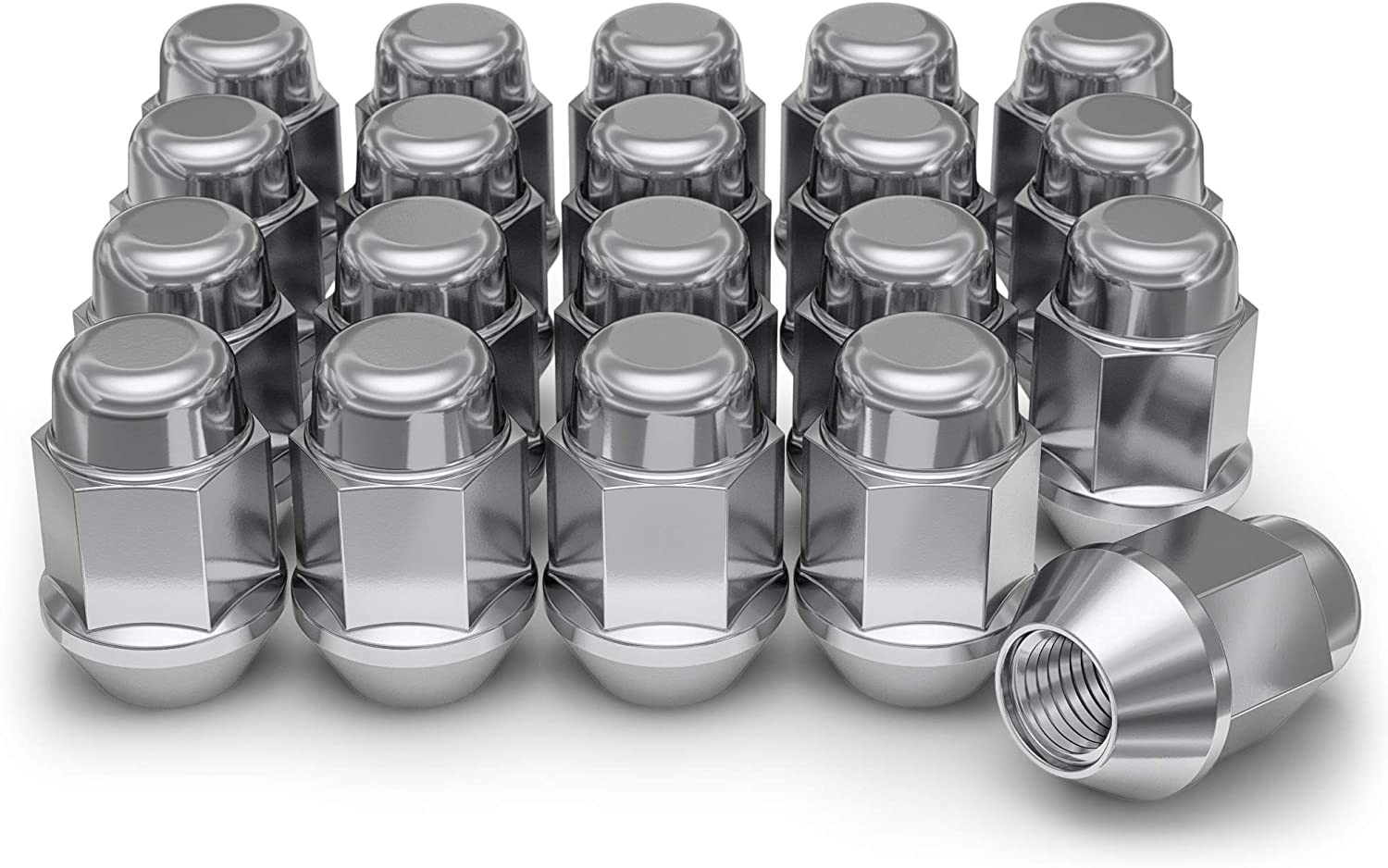
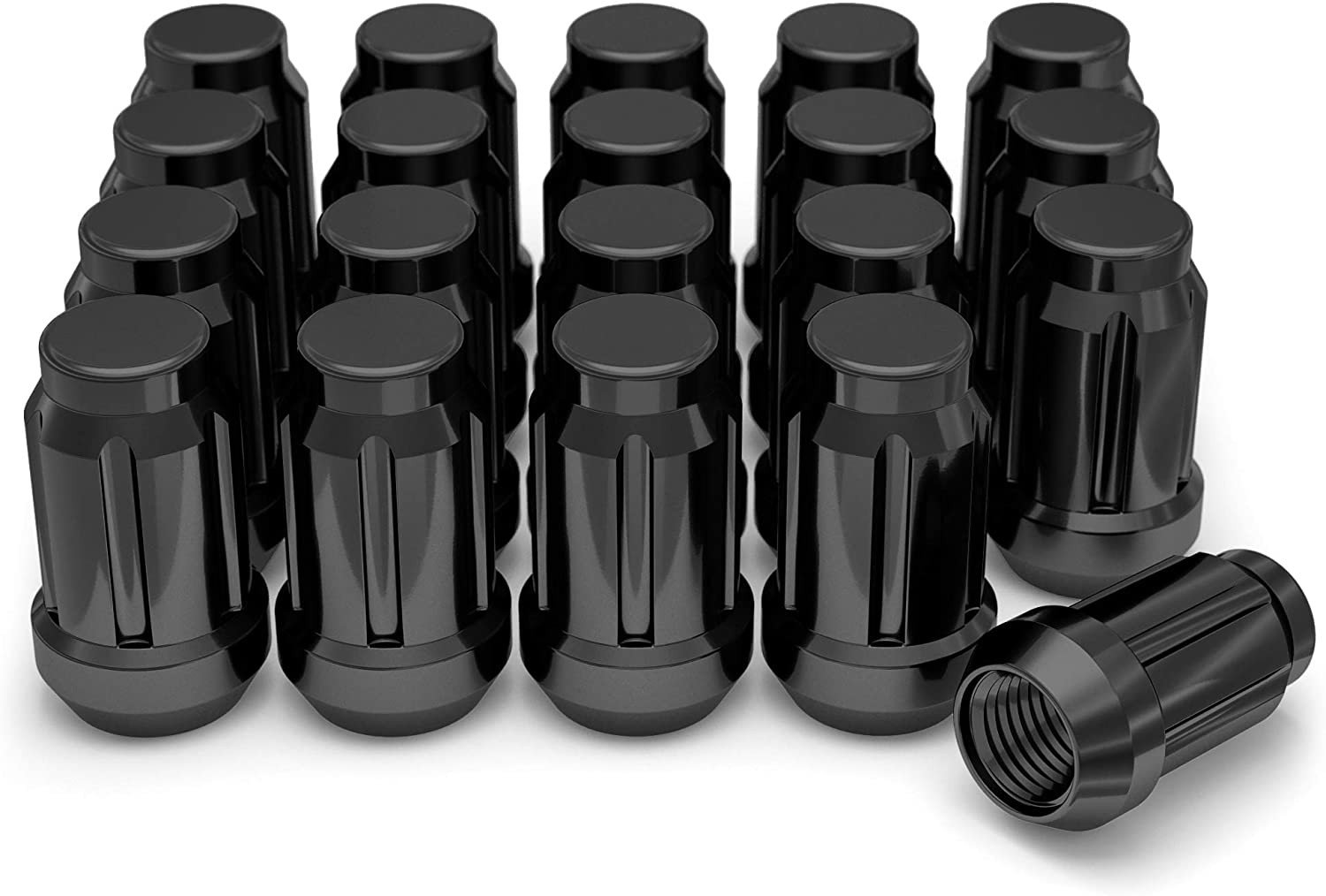
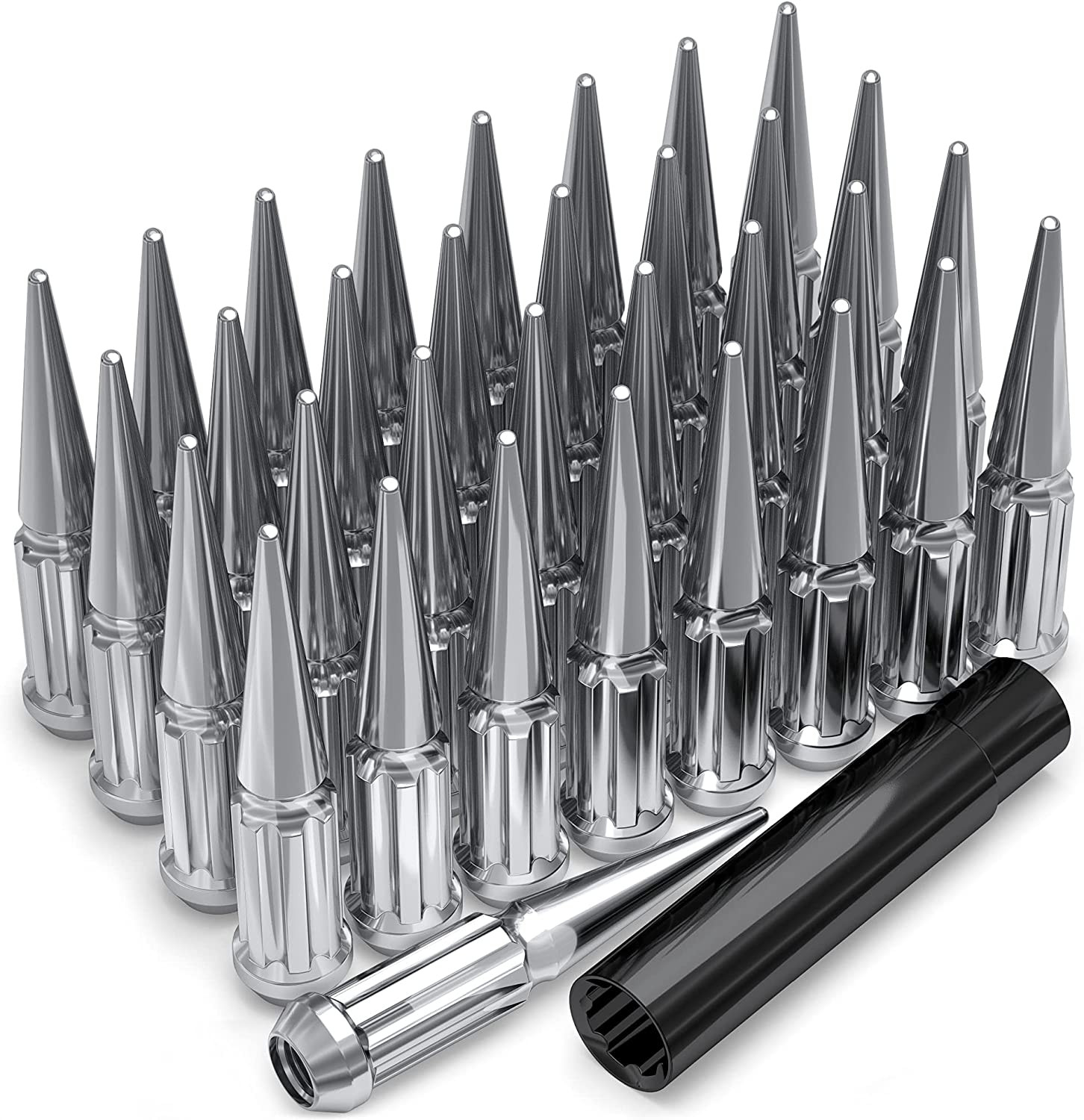
- Check that the wheel uses the correct lug nut seat, thread engagement, and stud or nut design. M12 x 1.5 thread size alone does not identify the correct lug nut seat.
Plus Sizing And Common Upgrades
Plus sizing changes the wheel diameter while aiming to keep the tire’s overall diameter near the original. It can alter ride comfort, handling response, steering effort, wheel weight, road-noise levels, and the risk of rim damage. A larger wheel is not automatically a better fit.
When comparing a proposed upgrade, use the calculator to enter the exact custom wheel diameter, width, and offset, followed by the exact tire section width and aspect ratio. Compare the calculated overall diameter and wheel position with the known reference values. Because the supplied OEM data has a 15-inch tire-rim entry alongside a 16-inch rim entry, verify the baseline before judging any plus-size change.
Do not reduce tire load capacity or sidewall protection without confirming that the new tire meets the vehicle manufacturer’s requirements. Keep the same tire type and axle matching requirements specified by the tire manufacturer, and check whether the vehicle’s monitoring system requires a compatible sensor or relearn procedure.
Installation Tips
Before installation, clean the hub face and wheel mounting surface. Remove rust, paint buildup, dirt, and debris that could prevent the wheel from seating flat. Never stack spacers, use damaged hardware, or force a wheel onto a hub with an undersized center bore.
Install the correct lug nuts by hand for several turns to avoid cross-threading. Tighten them in a star or crisscross pattern, then torque them to the vehicle or wheel manufacturer’s specified value using a calibrated torque wrench. The correct torque value is not provided here and must be confirmed from an OEM or wheel manufacturer source.
After installation, rotate the steering from lock to lock while checking clearance. If possible, check clearance with the suspension compressed and inspect the inside and outside of each wheel. Recheck lug torque after the initial driving interval specified by the vehicle or wheel manufacturer, and stop immediately if you notice vibration, rubbing, looseness, or air loss.
Tools And Helpful Supplies
Useful equipment includes a calibrated torque wrench, correctly sized socket, wheel chocks, a suitable jack and jack stands, a tire-pressure gauge, a tread-depth gauge, and a flashlight for inspecting clearance. Use jack stands on a solid, level surface and follow the vehicle owner’s lifting points. A torque wrench may be found through Amazon automotive torque wrench listings.
A hub-cleaning brush, non-abrasive cleaner, and a tire pressure monitoring tool can also help, provided they are used according to the product and vehicle instructions. Do not apply lubricant to wheel studs or lug nut threads unless the applicable manufacturer specifically requires it, because lubrication can change the resulting clamping force.
FAQs
What is the bolt pattern for the 2007 GMC Canyon?
The supplied known fitment is 6x139.7. Confirm the wheel’s bolt pattern from its manufacturer documentation before purchase.
What center bore is listed for the 2007 GMC Canyon?
The supplied center bore is 100.3 mm. An aftermarket wheel with a larger bore may require correctly specified hub-centric rings, while a wheel with a smaller bore will not fit over the hub.
What lug thread size is listed?
The supplied thread size is M12 x 1.5. This does not by itself confirm the correct lug nut seat, nut length, or final torque specification.
Is the OEM wheel size 15 or 16 inches?
The supplied wheel data lists a 16-inch rim diameter, while the supplied tire data lists a 15-inch tire rim diameter. Because a tire’s rim diameter must match the wheel diameter, this apparent conflict must be verified using the vehicle’s tire placard, owner’s manual, OEM parts information, and the calculator’s installed setup.
Can any 6x139.7 wheel fit this GMC Canyon?
No. Bolt pattern is only one part of fitment. You must also check center bore, offset, width, backspacing, brake clearance, load rating, lug hardware, and tire clearance.
What offset and backspacing are listed?
The supplied values are ET25, or 25 mm offset, and 4.48 inches of backspacing. Verify the stamped or documented specifications of any replacement wheel rather than estimating them from appearance.
Can I use the calculator to confirm a wheel is safe?
The calculator can compare dimensional changes between donor and installed wheel and tire setups, including custom wheel size and custom tire size. It cannot replace a physical clearance inspection or confirm structural load rating, brake clearance, lug hardware, tire load index, or manufacturer approval.
What should I do if the calculator and the vehicle label disagree?
Pause the purchase and investigate the difference. Give priority to the vehicle-specific tire placard, owner’s manual, OEM service or parts information, and the exact specifications supplied by the wheel and tire manufacturers. If the trim or drivetrain is uncertain, have a qualified technician verify the vehicle before installation.