2013 GMC Terrain Wheel Fitment Guide
Use this page to compare replacement wheels and tire sizes for a 2013 GMC Terrain. The specifications below are the known OEM fitment values supplied for this vehicle. Fitment can vary by trim, package, production configuration, and replacement parts, so confirm the measurements on the vehicle and with GMC service information before ordering.
Known OEM Fitment For 2013 GMC Terrain
The following specifications are the known reference values for the 2013 GMC Terrain. They should be treated as a starting point rather than a guarantee that every wheel or tire will fit every configuration.
| Specification |
Known value |
| Bolt pattern |
5x120 |
| Center bore |
66.9 mm |
| Thread size |
M14 x 1.5 |
| Rim diameter |
17 inches |
| Rim width |
7.0 inches |
| Wheel offset |
ET43, or 43 mm |
| Backspacing |
5.19 inches |
| Reference tire size |
225/65R17 |
| Tire section width |
225 mm |
| Tire aspect ratio |
65 percent |
| Tire rim diameter |
17 inches |
Wheel diameter and width alone do not establish fitment. The 5x120 bolt pattern, 66.9 mm center bore, offset, brake clearance, load rating, and tire dimensions must all be checked. Confirm the original equipment size using the driver-door certification label, the owner’s manual, the existing wheel markings, and GMC parts or service information for the specific vehicle identification number.
How To Use The Wheel Interchange Calculator
Start with the calculator’s “Wheels from donor vehicle” fields and enter the donor wheel’s diameter, width, and offset. Enter the donor vehicle’s bolt pattern and center bore when those fields are available. Then use the “Installed on your vehicle” fields for the 2013 GMC Terrain and compare the results.
The calculator also allows a custom wheel size. Change rim diameter, rim width, or offset to evaluate a proposed setup. Enter a custom tire section width and aspect ratio to compare tire dimensions. When rim diameter changes, the calculator updates the tire diameter in the comparison, which helps identify changes that could affect speedometer readings, ground clearance, and suspension or body clearance.
Use calculator results as a screening tool, not as a substitute for a physical test fit. The calculator cannot verify every brake-caliper shape, spoke profile, hub feature, wheel load rating, tire manufacturer tolerance, or clearance at full steering lock and full suspension travel.
Fitment Checklist Before You Buy
Before purchasing a wheel or tire package, compare the complete specification rather than relying on the donor vehicle’s make, model, or year.
- Confirm the wheel uses the 5x120 bolt pattern and has the correct seat type for the wheel nuts.
- Check that the wheel’s center bore is compatible with the 66.9 mm hub. A smaller bore will not fit over the hub. A larger bore may require properly sized hub-centric rings if the wheel manufacturer permits them.
- Compare offset and backspacing. A different offset can move the wheel toward the suspension or outward toward the fender, even when the bolt pattern matches.
- Verify brake-caliper and spoke clearance with a physical test fit when possible.
- Confirm the wheel’s load rating is suitable for the vehicle and intended use.
- Check tire load index, speed rating, overall diameter, section width, and approved rim-width range.
- Inspect clearance at the front and rear of the wheel, inside the fender, near struts and control arms, and around brake components with the steering turned fully left and right.
- Confirm that tire pressure monitoring hardware, valve stems, and wheel nuts are compatible with the replacement wheels.
- Verify the final tire pressure from the vehicle’s tire information label, not from the maximum pressure molded into the tire sidewall.
Plus Sizing And Common Upgrades
Plus sizing generally uses a larger wheel diameter with a lower-profile tire to keep the overall tire diameter close to the original reference size. For the known reference setup, the baseline is a 17-inch rim that is 7.0 inches wide with a 225/65R17 tire. Do not assume that a larger diameter or wider tire is compatible without checking the calculator and the vehicle in person.
A larger wheel can improve steering response and change appearance, but it can also reduce sidewall cushioning, increase the chance of wheel or tire damage, add weight, and reduce clearance. A wider tire can contact suspension parts or fender liners, especially with a different offset or when the suspension is compressed.
Use the calculator to compare overall tire diameter, section width, rim width, and offset against the known reference. After selecting a candidate size, confirm that the tire is approved for the wheel width and that the complete assembly meets load, clearance, and speedometer requirements. The correct alternative sizes for a particular 2013 GMC Terrain trim are not established by the information provided here, so confirm them through GMC documentation, the tire manufacturer, and a qualified tire professional.
Installation Tips
Inspect used wheels for cracks, bends, corrosion around the bead, damaged mounting faces, and altered lug holes. Do not install a wheel that does not sit fully against the hub or that requires force to mount. Clean rust and debris from the hub face and wheel mounting surface, while avoiding lubricants or anti-seize on wheel nut threads unless the vehicle or fastener manufacturer specifically directs it.
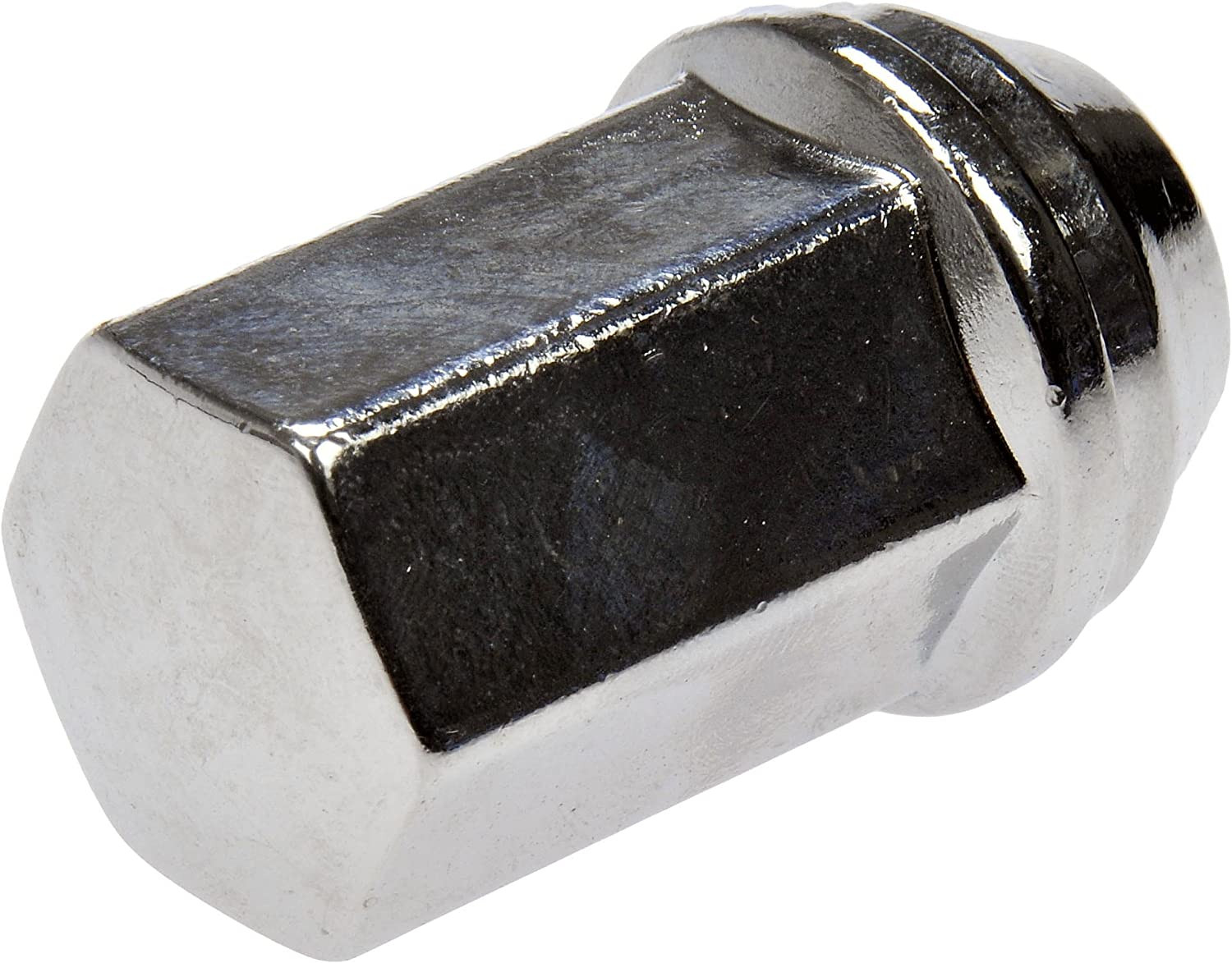
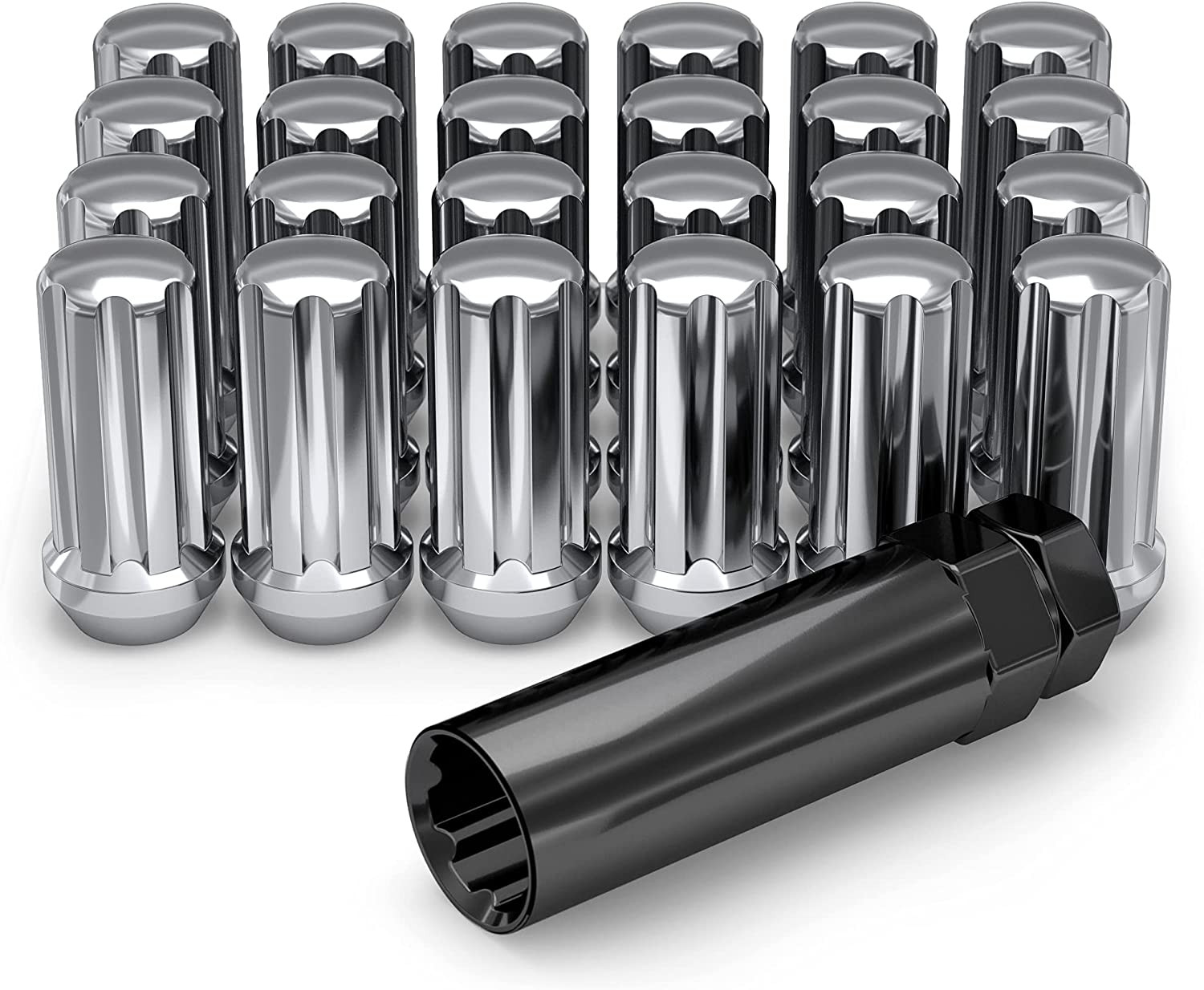
Install the correct wheel nuts for the wheel’s seat design and thread specification. The known thread size is M14 x 1.5, but thread size alone does not confirm the correct nut seat or nut length. Start all nuts by hand, lower the vehicle enough to prevent rotation, and tighten in a star pattern using the vehicle manufacturer’s torque specification.
Recheck torque after the first short drive and again according to the wheel manufacturer’s instructions. After installation, check for vibration, rubbing, steering changes, and warning lights. If a tire pressure monitoring system is fitted, confirm that the sensors are recognized and that the pressures match the vehicle label.
Tools And Helpful Supplies
A calibrated torque wrench, suitable socket, jack, jack stands, wheel chocks, and a tire pressure gauge are useful for a careful wheel installation. Use jack stands on solid, level ground and never work beneath a vehicle supported only by a jack.
- Automotive torque wrench for tightening wheel nuts to the specified torque.
- Digital tire pressure gauge for checking cold tire pressure accurately.
- Wire brush or hub-cleaning tool for removing rust and debris from the mounting face.
- Vehicle-specific jack stands and wheel chocks for safe support during installation.
Tool links are provided for convenience. Select equipment with a suitable capacity and follow the tool, vehicle, wheel, and tire manufacturer instructions.
FAQs
What is the bolt pattern for a 2013 GMC Terrain?
The known bolt pattern is 5x120. Confirm the vehicle-specific specification before ordering, especially if the wheel is being sourced from a donor vehicle.
What is the center bore for the 2013 GMC Terrain?
The known center bore is 66.9 mm. A replacement wheel must clear the hub. A wheel with a smaller center bore will not mount, while a larger bore may need correctly sized hub-centric rings when appropriate.
What is the known OEM wheel and tire reference size?
The supplied reference is a 17 x 7.0-inch wheel with ET43 offset and a 225/65R17 tire. This information may not cover every trim or package, so verify the label on the vehicle and applicable GMC documentation.
Can I use wheels from another vehicle with the same 5x120 bolt pattern?
Not automatically. The donor wheel must also be checked for center bore, offset, backspacing, brake clearance, wheel-nut compatibility, load rating, and spoke clearance. Enter both vehicles in the wheel interchange calculator, then perform a physical clearance check before driving.
Can I install a larger wheel on a 2013 GMC Terrain?
A larger wheel may be possible, but the tire must be selected to maintain an appropriate overall diameter and provide adequate clearance. Use the calculator to compare the proposed wheel and tire with the known 17-inch reference, then confirm the tire’s approved rim width, load rating, and vehicle clearance.
Does a wider wheel always require a wider tire?
No. Every tire has an approved rim-width range, and the correct choice depends on the tire manufacturer’s specifications. A wider wheel or tire can also change clearance and handling, so verify the complete assembly rather than matching width by appearance.
How do I confirm the correct wheel-nut torque?
Use the 2013 GMC Terrain owner’s manual, service information, or a GMC dealer for the vehicle-specific torque specification. The M14 x 1.5 thread size does not identify the correct torque or nut seat by itself.
What should I do if the calculator shows a fit but the wheel rubs?
Stop driving until the cause is identified. Recheck offset, backspacing, tire width, wheel width, suspension condition, and clearance at full steering lock and suspension travel. A physical inspection by a qualified technician is required because calculator comparisons cannot measure every component shape or movement.