2014 GMC Terrain Wheel Fitment and Interchange
Known OEM Fitment For 2014 GMC Terrain
The following specifications are the known OEM fitment values provided for the 2014 GMC Terrain. Fitment can vary by trim, package, brake configuration, and market, so confirm your vehicle details before purchasing wheels or tires.
| Specification |
Known value |
| Bolt pattern |
5x120 |
| Center bore |
66.9 mm |
| Thread size |
M14 x 1.5 |
| Rim diameter |
17 inches |
| Rim width |
7.0 inches |
| Wheel offset |
ET43, or 43 mm |
| Backspacing |
5.19 inches |
| Known tire size |
225/65R17 |
| Tire section width |
225 mm |
| Tire aspect ratio |
65 percent |
| Tire rim diameter |
17 inches |
These values describe the supplied fitment data, not a guarantee that every 2014 GMC Terrain trim uses the same wheel. Check the driver-door tire label, owner’s manual, existing wheel markings, and GMC service information for your specific vehicle.
How To Use The Wheel Interchange Calculator
Use the calculator to compare wheels from a donor vehicle with wheels installed on your 2014 GMC Terrain. Enter or select the donor vehicle in the “Wheels from” field and your Terrain in the “Installed on” field.
Review the bolt pattern, center bore, wheel diameter, width, offset, and tire dimensions in the comparison. A wheel should not be considered compatible based on bolt pattern alone. The center bore, brake clearance, offset, width, and load rating also matter.
The calculator lets you adjust custom wheel size values for rim diameter, rim width, and offset. You can also enter a custom tire section width and aspect ratio. When you change rim diameter, the calculator updates the tire diameter in the comparison. Use those results to identify dimensional changes, then verify actual clearance on the vehicle before ordering.
If a specification is not shown or differs between sources, treat it as unknown until confirmed through the calculator, the wheel manufacturer, or GMC OEM documentation.
Fitment Checklist Before You Buy
Confirm the wheel uses the 5x120 bolt pattern and is designed for M14 x 1.5 wheel fasteners. Verify that the center bore is suitable for the Terrain’s 66.9 mm hub. A wheel with a larger bore may require correctly sized hub-centric rings, while a smaller bore generally will not fit over the hub.
Compare the proposed wheel’s width and offset with the known 7.0-inch width and ET43 reference. Offset changes can affect inner suspension clearance, outer fender clearance, steering feel, and tire position. Backspacing should also be checked, especially when comparing wheels with different widths or offsets.
Confirm brake-caliper clearance using the wheel manufacturer’s application data or a physical test fit. Check the wheel’s load rating, diameter, valve-stem compatibility, TPMS compatibility, and seat type for the fasteners. Do not assume that a wheel with the correct bolt pattern clears the brakes or accepts the original hardware.
Before purchase, verify the complete tire size, load index, speed rating, rolling diameter, and recommended inflation pressure against the vehicle placard and OEM information. Never rely on an online listing alone when the trim or package is unclear.
Plus Sizing And Common Upgrades
Plus sizing normally changes wheel diameter while selecting a tire with a different aspect ratio to keep overall tire diameter close to the original. The correct replacement size cannot be determined from wheel diameter alone, and no additional compatible size is confirmed by the information provided here.
Use the calculator’s custom wheel and tire fields to compare a proposed setup with the known 225/65R17 reference. Review changes in tire diameter, section width, wheel width, and offset. A larger wheel can reduce sidewall height and may increase the risk of impact damage, while a wider tire can create clearance or rubbing concerns.
Before installing any upgraded combination, obtain written fitment and load-rating information from the wheel and tire manufacturers. Test clearance through steering lock and suspension compression checks, and confirm that the tire does not contact the strut, control arms, fender liner, or bodywork.
Installation Tips
Inspect the hub face, wheel mounting surface, studs or lug hardware, and wheel center bore. Remove rust, paint buildup, and debris from mating surfaces without damaging the hub. Do not install a wheel that is cracked, bent, heavily corroded, or missing required manufacturer markings.
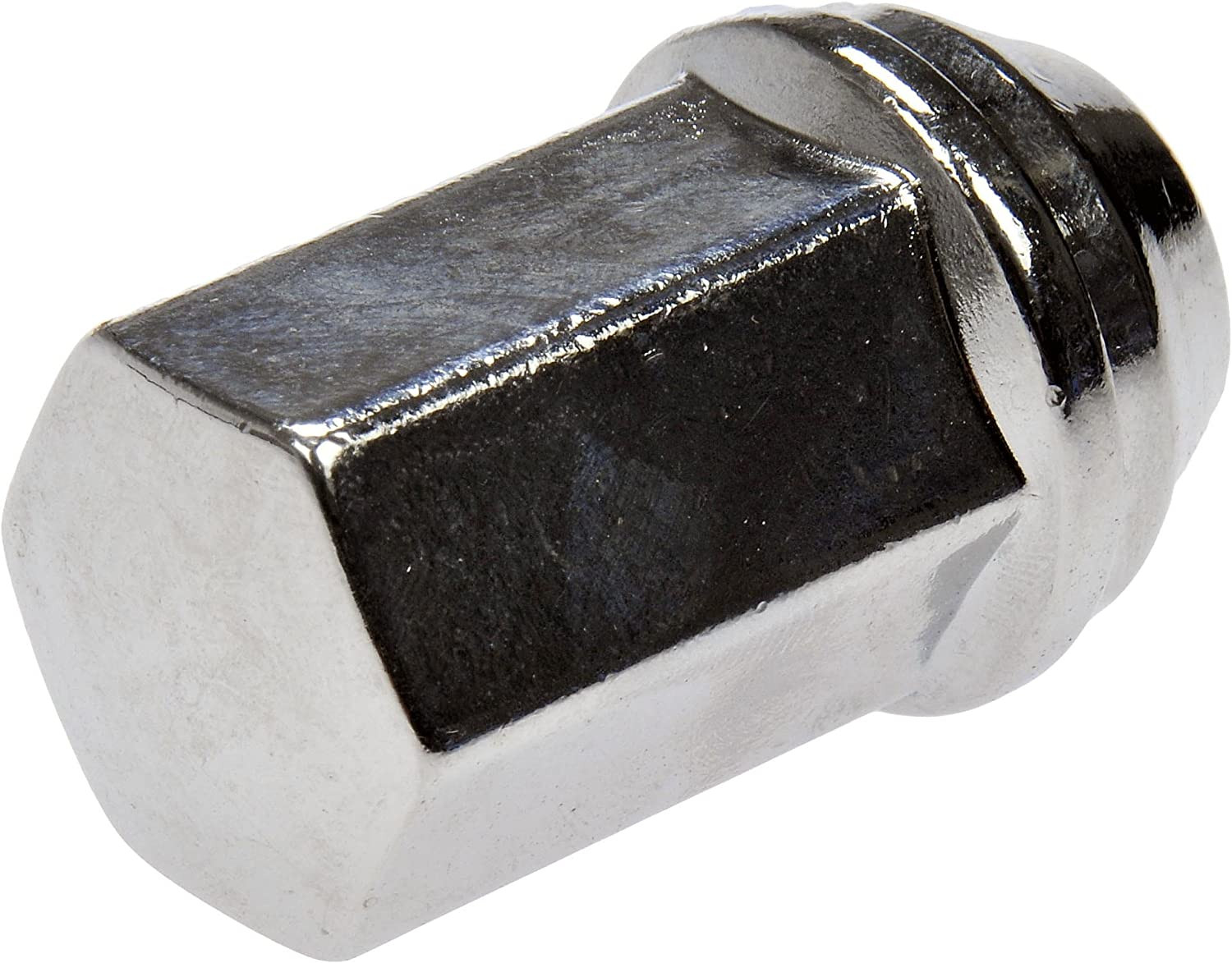
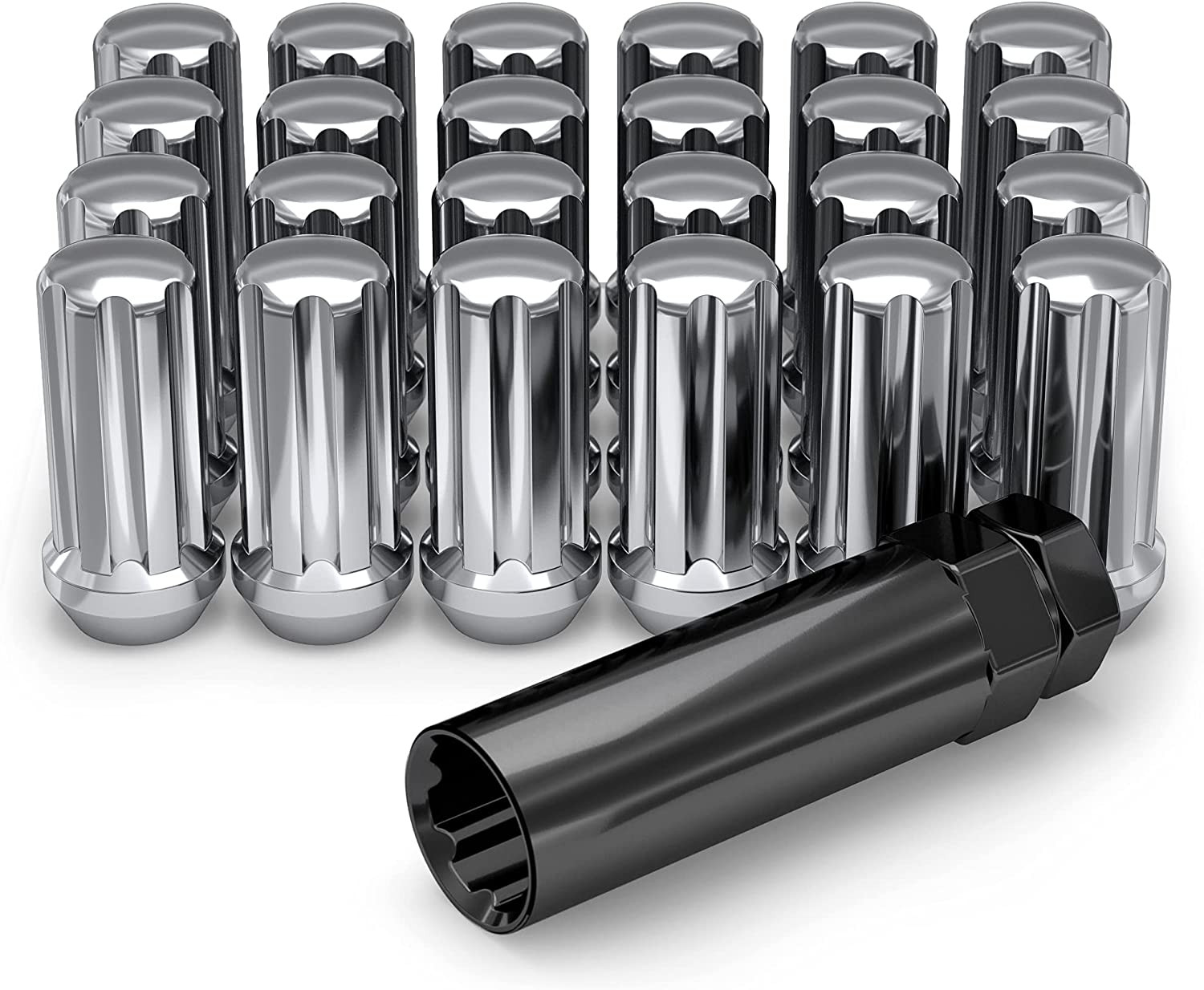
Use the correct M14 x 1.5 fasteners and the correct seat style for the wheel. Original hardware may not be suitable for an aftermarket wheel. Start all fasteners by hand, lower the vehicle enough to prevent the wheel from turning, and tighten in a star or crisscross pattern.
Use the GMC-specified wheel-fastener torque from the owner’s manual or service information. Do not substitute a guessed torque value. Recheck torque after the initial driving period specified by the wheel manufacturer or service procedure, and stop immediately if you notice vibration, noise, loosening, or contact.
Tools And Helpful Supplies
Useful equipment includes a properly rated floor jack, jack stands, wheel chocks, a torque wrench, the correct socket, a tire-pressure gauge, and a wire brush or suitable hub-cleaning tool. Use jack stands on solid, level ground and follow the vehicle’s approved lifting points.
A torque wrench can help you tighten wheel fasteners accurately, but always set it to the OEM or wheel-manufacturer specification. A set of automotive wheel chocks can help prevent vehicle movement during lifting and installation.
FAQs
What is the bolt pattern for the 2014 GMC Terrain?
The known bolt pattern provided for this vehicle is 5x120. Confirm the pattern for your specific trim before purchasing.
What is the center bore?
The known center bore is 66.9 mm. A replacement wheel must fit over the hub, and a larger bore may need properly sized hub-centric rings.
What wheel size is listed for this fitment?
The supplied OEM reference is a 17-inch diameter wheel, 7.0 inches wide, with ET43 offset and 5.19-inch backspacing.
What tire size is listed?
The supplied tire reference is 225/65R17. Confirm the required tire size, load index, and speed rating on the vehicle’s tire placard and in OEM documentation.
Can I use wheels from another vehicle?
Possibly, but the donor wheel must pass more than a bolt-pattern check. Compare center bore, diameter, width, offset, backspacing, brake clearance, load rating, fastener requirements, and TPMS compatibility in the calculator and with the wheel manufacturer.
Does the calculator confirm physical clearance?
No. The calculator compares the entered dimensions and updates tire diameter when rim diameter changes. Physical brake, suspension, fender, and steering clearance still require manufacturer data and careful inspection or test fitting.
Do all 2014 GMC Terrain trims use the same wheels?
This information does not establish that every trim uses identical fitment. Check the door-placard information, owner’s manual, original wheel markings, and GMC service sources for your specific trim and package.
What should I do if a listing shows different specifications?
Do not guess. Compare the listing with the calculator, inspect the wheel markings, and request application and load-rating confirmation from the seller or wheel manufacturer before buying.