2010 GMC Terrain Wheel Fitment Guide
Known OEM Fitment For 2010 GMC Terrain
The following specifications are the known fitment data provided for the 2010 GMC Terrain. Equipment can vary by trim, package, market, and replacement wheel, so confirm the specifications on your vehicle before ordering.
| Specification |
Known value |
| Bolt pattern |
5x120 |
| Center bore |
66.9 mm |
| Thread size |
M14 x 1.5 |
| Rim diameter |
17 inches |
| Rim width |
7.0 inches |
| Wheel offset |
ET43, or 43 mm |
| Backspacing |
5.19 inches |
| Known tire size |
225/65R17 |
| Tire section width |
225 mm |
| Tire aspect ratio |
65 percent |
| Tire rim diameter |
17 inches |
These values are not a complete trim-by-trim compatibility list. Confirm your exact vehicle's original tire size, load rating, speed rating, wheel specifications, and inflation pressure using the driver's door placard, owner's manual, VIN-based OEM information, or a GMC dealer.
How To Use The Wheel Interchange Calculator
Use the calculator to compare a donor vehicle's wheels with the wheels you plan to install on your 2010 GMC Terrain. Enter the donor wheel and tire details under “Wheels from” and enter the Terrain details under “Installed on.”
- Start with the known Terrain reference values: 5x120 bolt pattern, 66.9 mm center bore, 17x7.0 wheel size, ET43 offset, and 225/65R17 tire size.
- Enter the donor wheel's diameter, width, and offset from the wheel stamp, manufacturer documentation, or a verified catalog listing.
- Enter the donor tire's section width, aspect ratio, and rim diameter. Do not rely only on the donor vehicle name.
- Use “Custom wheel size” to test a different rim diameter, width, or offset.
- Use “Custom tire size” to compare a different section width or aspect ratio.
- Review changes in inner clearance, outer position, and overall tire diameter where shown by the calculator.
- Remember that changing rim diameter updates the tire diameter comparison. A different wheel diameter normally requires a tire with a suitable sidewall height to maintain a similar overall diameter.
The calculator is a comparison aid, not a substitute for physical clearance checks or OEM confirmation. It cannot verify brake clearance, spoke clearance, hub fit, lug-seat compatibility, tire load capacity, or whether a particular tire is approved for your vehicle.
Fitment Checklist Before You Buy
- Confirm the wheel has the 5x120 bolt pattern and the correct number of mounting holes.
- Confirm the center bore. A wheel bore smaller than 66.9 mm will not fit over the hub. A larger bore may require correctly sized hub-centric rings, but the wheel manufacturer or a qualified technician should confirm the installation.
- Compare the wheel's diameter, width, and offset with the known 17x7.0 ET43 reference.
- Check inner clearance to the brake caliper, strut, suspension components, and steering parts.
- Check outer clearance to the fender, liner, and body during steering and suspension movement.
- Confirm the tire size, load index, and speed rating meet or exceed the vehicle requirements shown on the door placard or in the owner's manual.
- Confirm the tire is approved for the wheel width and that the wheel is rated for the vehicle's axle loads.
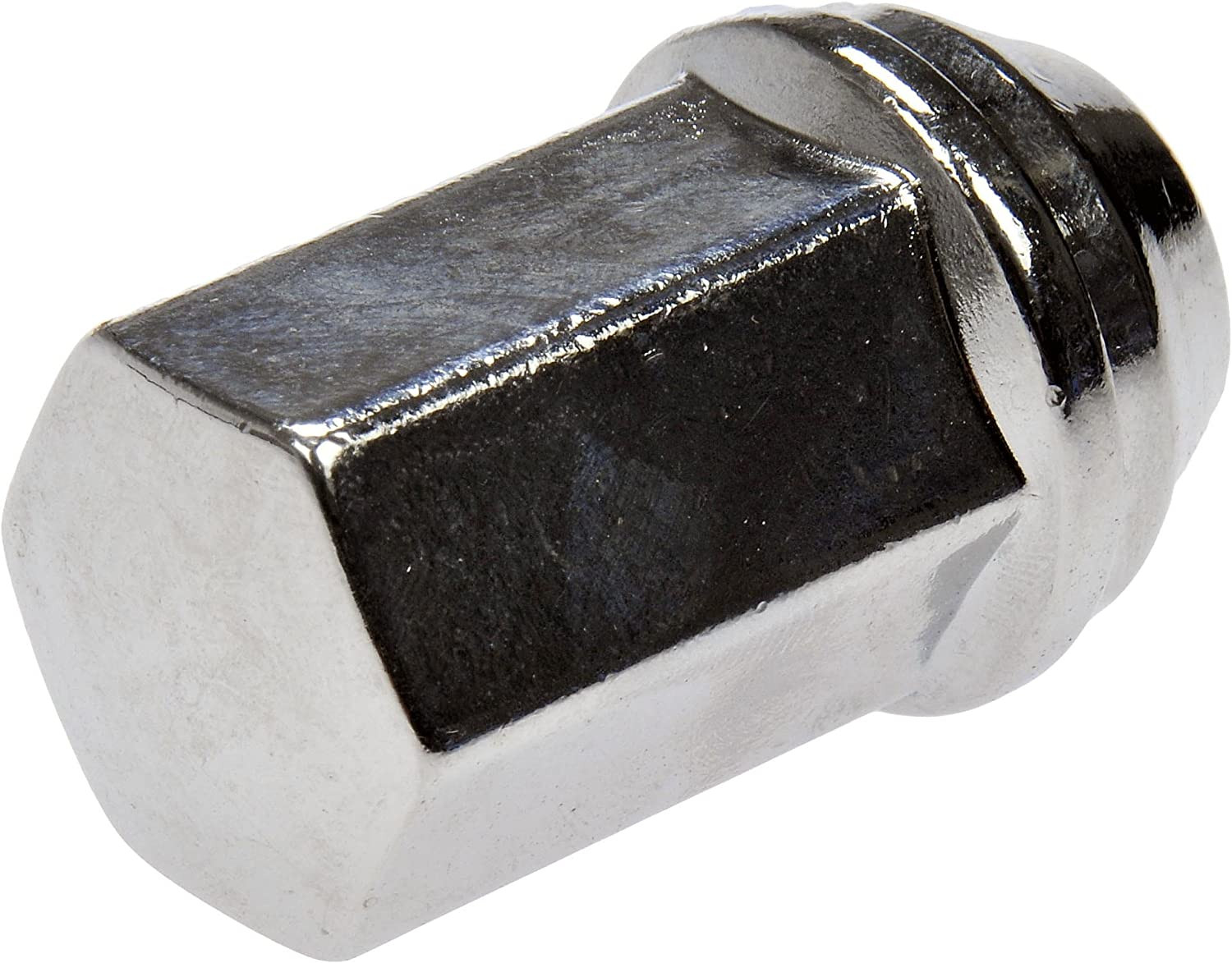
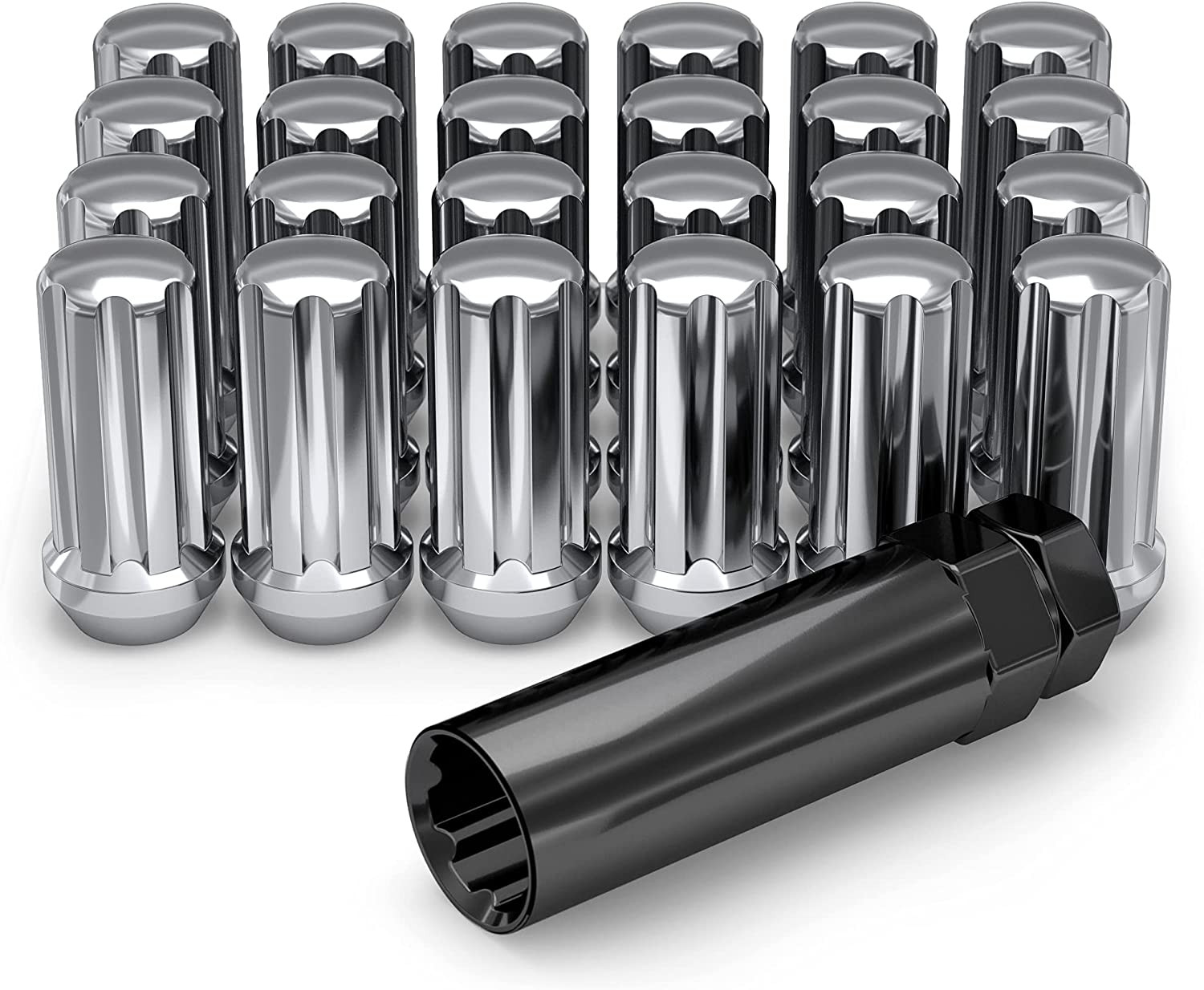
- Verify the M14 x 1.5 thread specification and the correct lug-nut seat and nut type. Thread size alone does not identify the required lug-nut seat.
- Inspect used wheels for cracks, bends, corrosion around the bead seat, damaged mounting holes, and missing manufacturer markings.
- After installation, check for vibration, rubbing, warning lights, and correct tire-pressure-monitoring operation.
Plus Sizing And Common Upgrades
Plus sizing means using a larger wheel diameter with a lower-profile tire while attempting to keep the overall tire diameter close to the original size. The supplied reference tire is 225/65R17. No specific larger wheel or tire combination is confirmed here as compatible with every 2010 GMC Terrain trim.
If you are testing a custom setup, compare the proposed wheel and tire in the calculator first. Then verify actual brake, suspension, fender, and steering clearance on the vehicle. A larger or wider tire can increase the chance of rubbing, while a different offset can move the wheel closer to suspension components or farther toward the fender.
Do not choose a replacement tire based on diameter alone. Check load index, speed rating, approved rim width, winter or all-season requirements, and the vehicle manufacturer's recommendations. Use the door placard and OEM sources to confirm the exact requirements for your trim.
Installation Tips
- Install wheels only after confirming bolt pattern, center bore, offset, brake clearance, and lug-nut compatibility.
- Clean the hub face and wheel mounting surface. Remove rust and debris without removing material needed for proper seating.
- Install lug nuts by hand for several turns to prevent cross-threading.
- Use the vehicle manufacturer's specified lug-nut torque. The M14 x 1.5 thread size provided here does not establish the correct torque value.
- Tighten in a star or cross pattern, then torque with a calibrated torque wrench.
- Perform a slow initial test drive in a safe area. Listen for contact and check for steering or vibration problems.
- Recheck lug torque after the interval specified by the wheel manufacturer or installer, especially after the first drive cycles.
- Set tire pressure using the door placard or owner's manual, not the maximum pressure molded on the tire sidewall.
- Have the assembly balanced and obtain an alignment if the vehicle pulls, the steering wheel is off-center, or uneven tire wear is present.
Tools And Helpful Supplies
Basic tools can help with inspection and installation, but wheel work must be performed carefully. A professional tire shop should handle tire mounting, bead seating, balancing, and any repair of damaged wheels or tires.
- Use a calibrated automotive torque wrench for final lug-nut tightening.
- Keep a lug-nut socket, breaker bar, wheel chocks, and a properly rated jack and jack stands available.
- Use a tire-pressure gauge and inspect pressure when the tires are cold.
- A tire tread depth gauge can help evaluate used tires before purchase.
- Use a flashlight and straightedge to inspect wheel damage, bead areas, and possible clearance points.
- Do not work under a vehicle supported only by a jack.
FAQs
What is the bolt pattern for the 2010 GMC Terrain?
The known bolt pattern provided for the 2010 GMC Terrain is 5x120. Confirm the marking or specifications of any replacement wheel before purchase.
What is the center bore?
The known center bore is 66.9 mm. A wheel with a smaller bore will not fit over the hub. A larger bore may need properly sized hub-centric rings, subject to wheel and vehicle manufacturer guidance.
What wheel size is listed for this vehicle?
The supplied reference wheel is 17 inches in diameter, 7.0 inches wide, with an ET43 offset. Trim-level variation is possible, so verify the original wheel and OEM information for your vehicle.
What tire size is provided for the 2010 GMC Terrain?
The known reference tire size is 225/65R17. Confirm the correct size, load index, and speed rating on the driver's door placard or through VIN-based OEM information.
Can I use wheels from another vehicle with a 5x120 bolt pattern?
Not automatically. Matching the bolt pattern is only one part of fitment. You must also verify center bore, wheel width, offset, brake clearance, lug-seat type, load rating, and tire compatibility.
Does M14 x 1.5 identify the correct lug nuts?
No. M14 x 1.5 identifies the thread size and pitch, but the lug-nut seat and overall shape must also match the wheel. Check the wheel manufacturer's specifications or consult a qualified technician.
Can I install a wider tire?
A wider tire may be possible in some configurations, but no wider tire size is confirmed here as universally compatible. Test the proposed size in the calculator, then verify approved rim width and physical clearance at full steering lock and through suspension travel.
Why does changing wheel diameter affect the calculator comparison?
The calculator updates tire diameter when the custom rim diameter changes. Maintaining a similar overall tire diameter usually requires adjusting tire sidewall height, but load rating, clearance, gearing effects, speedometer variation, and OEM approval must also be considered.
Where should I confirm the final fitment?
Use the driver's door placard, owner's manual, wheel markings, tire sidewall information, VIN-based GMC data, and the wheel or tire manufacturer. If any specification conflicts, pause the installation and have the combination checked by a qualified tire and wheel professional.