1993 Honda Prelude Wheel Fitment Guide
Use the information below as a starting point for checking wheels and tires for a 1993 Honda Prelude. Some OEM specifications are not available here, so confirm the bolt pattern, thread size, load requirements, and exact trim information before purchasing or installing replacement wheels.
Known OEM Fitment For 1993 Honda Prelude
| Specification |
Known value |
Fitment note |
| Bolt pattern |
Unknown |
Confirm the number of studs and the PCD from an OEM service source or by measuring correctly. Do not order wheels until this is verified. |
| Center bore |
64.1 mm |
The wheel center hole must be compatible with the vehicle hub. A larger bore may require properly sized hub-centric rings, while a smaller bore will not fit over the hub. |
| Thread size |
Unknown |
Confirm the correct lug nut thread, seat type, and torque specification before installation. |
| Rim diameter |
14 inches |
Listed OEM rim diameter provided for this page. |
| Rim width |
5.5 inches |
Listed OEM rim width provided for this page. |
| Wheel offset |
ET45 |
Offset affects inner suspension clearance, outer fender position, steering feel, and tire clearance. |
| Backspacing |
4.52 inches |
Use this as a comparison reference together with wheel width and offset. |
| Original tire size |
185/70R14 |
Based on the provided section width, aspect ratio, and rim diameter. Verify the sidewall label and door-jamb placard on the individual vehicle. |
The listed 185/70R14 tire has an approximate calculated overall diameter of 24.2 inches. This is a mathematical estimate, not a substitute for the tire manufacturer's measured dimensions or the vehicle manufacturer's specifications.
How To Use The Wheel Interchange Calculator
The calculator compares Wheels from a donor vehicle with Installed on your 1993 Honda Prelude. Select the donor vehicle only when its wheel specifications are known and reliable. The calculator can help compare rim diameter, rim width, offset, and tire dimensions, but it cannot make an unsafe or incompatible wheel safe.
- Enter or select the donor vehicle under Wheels from.
- Set the 1993 Honda Prelude as the vehicle under Installed on.
- Review the wheel diameter, width, offset, center bore, bolt pattern, and tire dimensions.
- Use Custom wheel size to test a wheel diameter, width, or offset when the desired wheel is not listed.
- Use Custom tire size to compare section width and aspect ratio.
- When you change rim diameter, review the updated tire diameter comparison. A change in tire diameter can affect speedometer readings, ground clearance, gearing, braking systems, and electronic vehicle systems.
- Confirm the calculator results against the wheel manufacturer's specifications, the tire manufacturer's fitment data, and Honda service information.
The calculator is a comparison tool, not a substitute for a physical test fit. It may not account for brake caliper shape, spoke clearance, wheel design, tire brand variation, suspension modifications, or body damage.
Fitment Checklist Before You Buy
- Confirm the exact bolt pattern, including stud count and PCD. This value is unknown in the supplied OEM data and must be verified before purchase.
- Confirm that the wheel center bore is compatible with the 64.1 mm hub specification provided for this vehicle.
- Compare wheel width, offset, and backspacing with the original values of 5.5 inches, ET45, and 4.52 inches.
- Check the wheel's load rating against the vehicle's requirements.
- Verify the wheel's lug-hole seat type and the correct lug nut thread size. The thread size is unknown here.
- Confirm that the brake calipers, wheel weights, spokes, and inner barrel have adequate clearance.
- Check tire load index, speed rating, overall diameter, section width, and approved rim-width range.
- Make sure the tire does not contact the strut, spring, control arm, inner fender, or outer fender during steering and suspension movement.
- Inspect used wheels for cracks, bends, severe corrosion, repaired damage, and damaged mounting surfaces.
- Check local regulations and insurance requirements if changing wheel or tire dimensions.
Plus Sizing And Common Upgrades
Plus sizing usually means installing a larger-diameter wheel with a lower-profile tire while attempting to keep the overall tire diameter close to the original. This can improve appearance and may change steering response, but it can also reduce sidewall cushioning, increase impact damage risk, and make clearance problems more likely.
Use the calculator's custom wheel and tire fields to compare possible dimensions rather than assuming that a larger wheel will fit. Keep the calculated tire diameter reasonably close to the known 185/70R14 reference, then confirm the actual tire manufacturer's specifications. A lower aspect ratio does not by itself guarantee adequate clearance.
Do not select a replacement wheel based only on diameter. Bolt pattern, center bore, offset, backspacing, brake clearance, load rating, lug hardware, and tire compatibility all need to match. Because the bolt pattern and thread size are unknown in the supplied data, no specific donor vehicle or upgrade wheel can be confirmed from this page alone.
Installation Tips
- Clean the hub face and wheel mounting surface before installation. Remove rust and debris without removing metal from the mating surfaces.
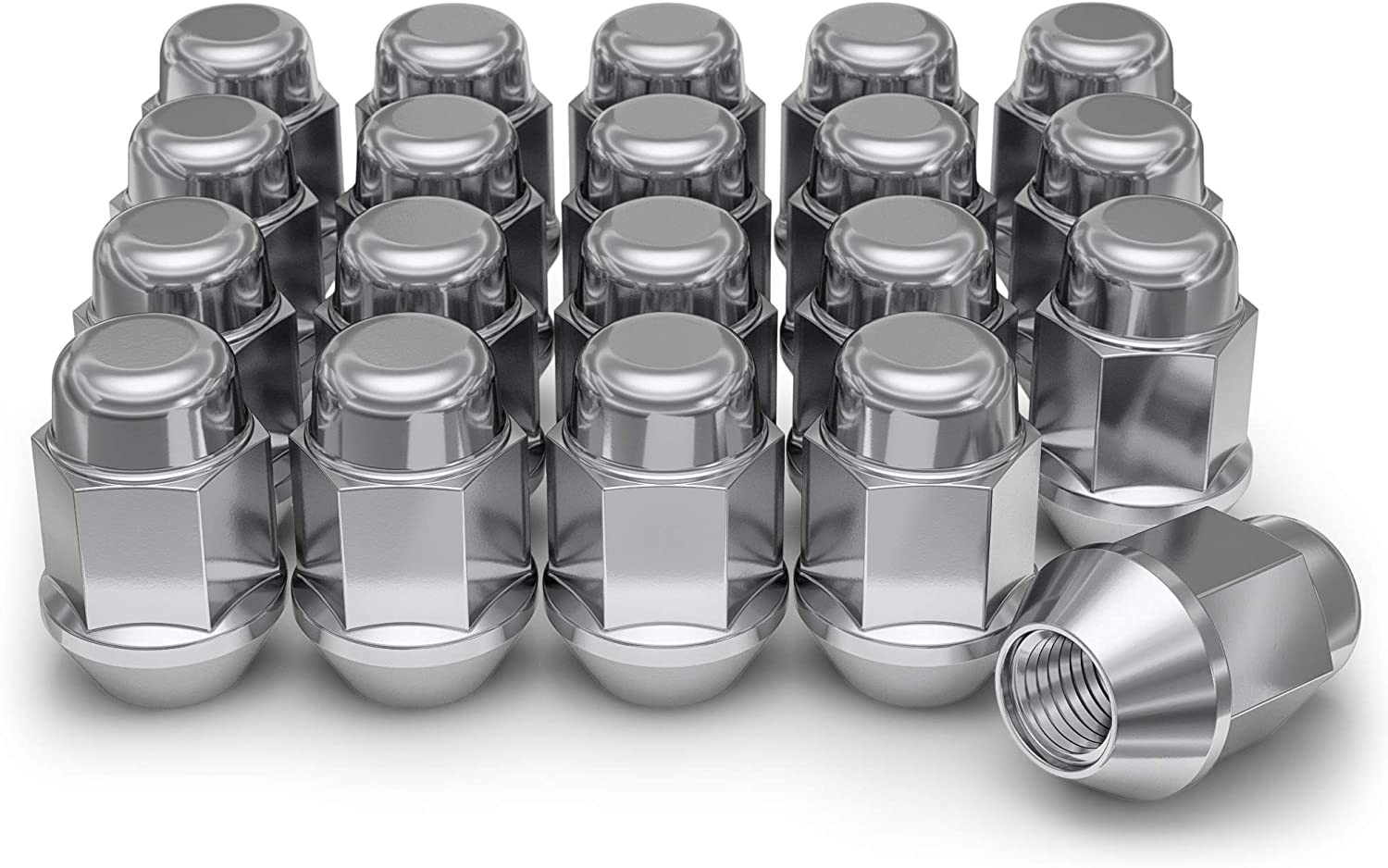
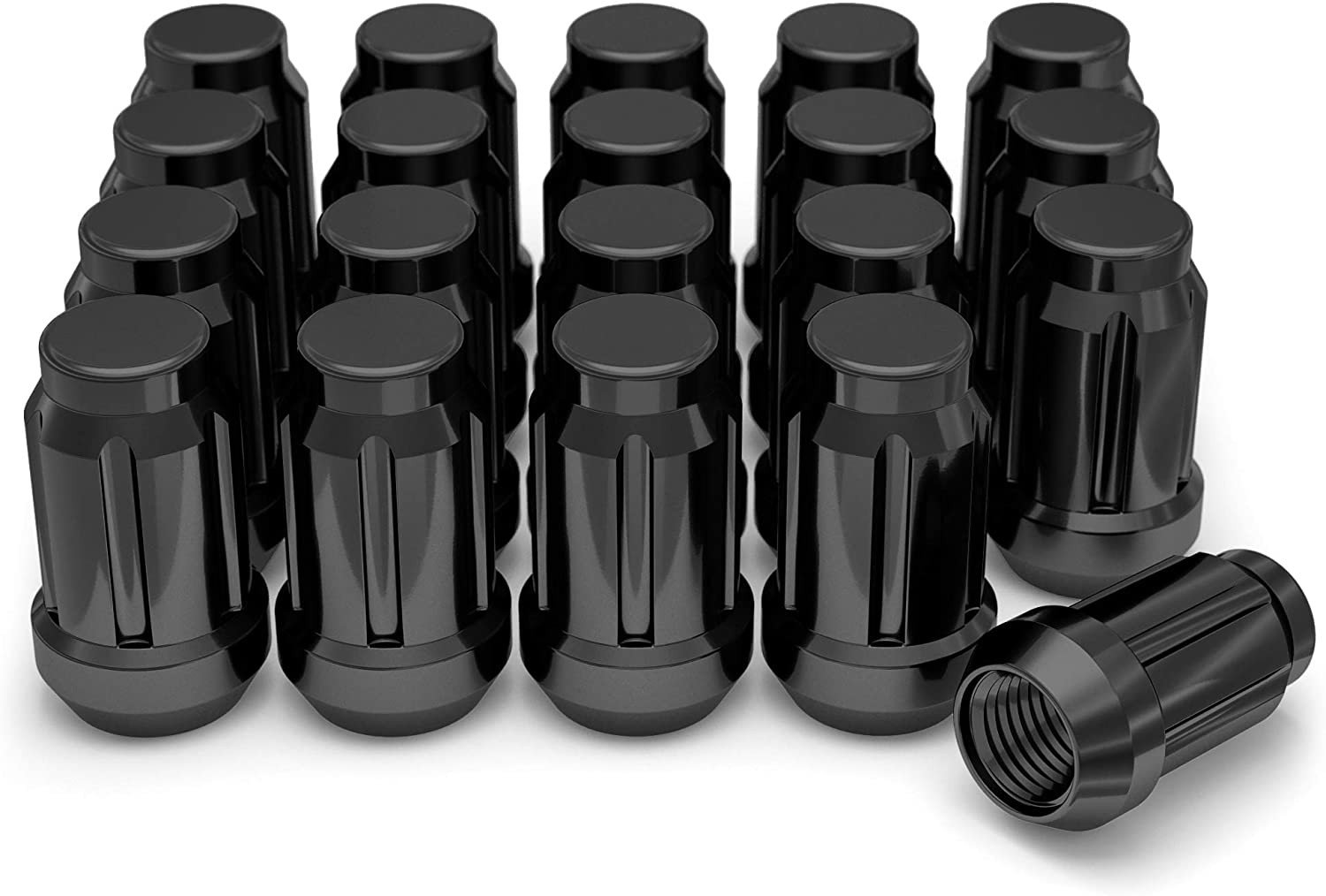
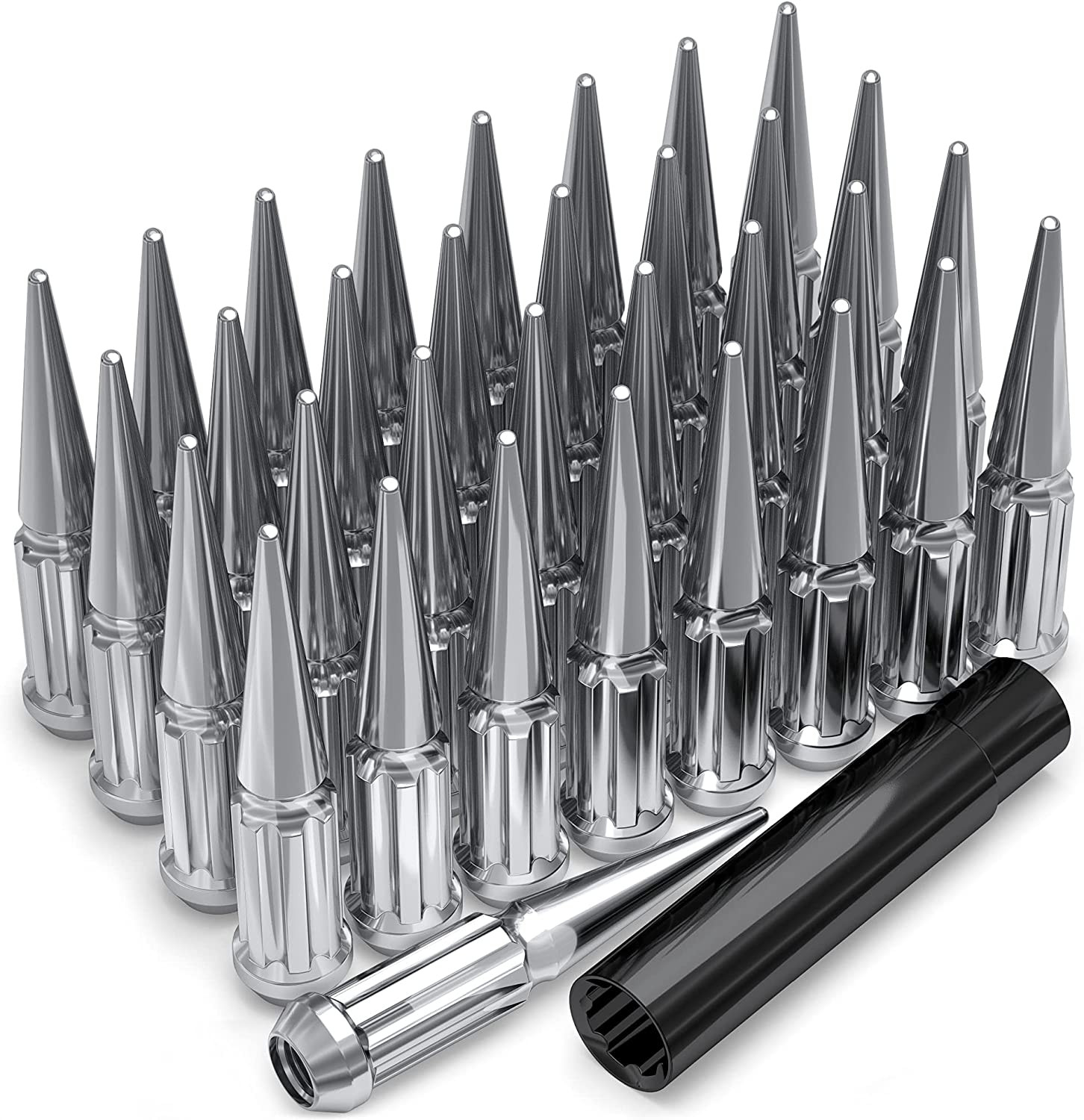
- Install only the correct lug nuts for the wheel's seat design and the vehicle's confirmed thread size.
- Hand-start every lug nut to avoid cross-threading.
- Tighten lug nuts in a star or crisscross sequence, then torque them to the vehicle or wheel manufacturer's specification.
- Never use an impact wrench as the final method of tightening unless it is specifically controlled and approved for that purpose.
- Check for brake, suspension, and fender clearance with the wheels turned fully left and right. If safe support equipment is available, also inspect clearance through suspension travel.
- After installation, verify tire pressure using the vehicle placard or tire manufacturer's guidance, not the maximum pressure molded on the tire sidewall.
- Recheck lug torque after the first short drive and again according to the wheel manufacturer's instructions.
- Stop driving if there is rubbing, vibration, steering pull, loss of pressure, or unusual noise.
Tools And Helpful Supplies
A calibrated torque wrench is important for final lug nut tightening. A tire pressure gauge, suitable jack stands, a vehicle-specific jack point reference, and a tread or clearance inspection light can also help with a careful installation.
- Automotive torque wrench for controlled final tightening.
- Digital tire pressure gauge for checking cold tire pressure.
- Correctly rated jack stands and wheel chocks for safe vehicle support.
- A wire brush or approved hub-cleaning brush for removing rust and debris from mating surfaces.
- A PCD measuring tool or a reliable measurement procedure to confirm the unknown bolt pattern.
FAQs
What is the OEM wheel size listed for the 1993 Honda Prelude?
The provided OEM reference lists a 14-inch diameter wheel that is 5.5 inches wide, with an ET45 offset and 4.52-inch backspacing.
What tire size is provided for this Honda Prelude?
The provided tire dimensions are 185/70R14. Confirm the actual vehicle's door-jamb placard, owner's manual, and current tire label before replacing tires.
What is the bolt pattern for a 1993 Honda Prelude?
The bolt pattern is unknown in the supplied data. Confirm both the number of studs and the PCD using an OEM source, a service manual, a reputable wheel catalog, or accurate physical measurement. Do not guess this specification.
What is the center bore?
The provided center bore is 64.1 mm. Confirm whether this value applies to the exact vehicle and trim, and compare it with the wheel manufacturer's center-bore specification.
Can I install wheels with a larger center bore?
A larger wheel center bore may be usable with correctly sized hub-centric rings when the bolt pattern, wheel dimensions, load rating, and other fitment requirements are correct. A smaller center bore generally will not pass over the vehicle hub. Confirm the wheel and ring specifications before installation.
Can I use a different wheel offset?
A different offset changes the wheel's position relative to the suspension and fender. Use the calculator to compare offset and backspacing, then perform a physical clearance check. A calculator result does not confirm brake, tire, or body clearance.
Is a larger wheel automatically an upgrade?
No. A larger wheel may require a lower-profile tire and can increase weight, impact damage risk, rubbing risk, and replacement cost. Keep the tire diameter, load rating, clearance, and overall vehicle requirements within approved limits.
What lug nuts should I buy?
The thread size is unknown in the supplied data, and the correct lug nut seat depends on the wheel. Confirm the vehicle thread specification and the wheel's conical, ball, or other required seat type before ordering lug hardware.
Does the calculator guarantee that a donor wheel will fit?
No. It provides a dimensional comparison between donor wheels and the installed vehicle. Final fitment must also be confirmed through OEM information, wheel and tire manufacturer data, load ratings, lug hardware compatibility, brake clearance, and a careful physical inspection.