1994 Honda Prelude Wheel Fitment
Use the information below as a starting point for checking wheel and tire fitment on a 1994 Honda Prelude. The supplied OEM data is partial, and specifications can vary by trim, market, brake package, or replacement equipment. Confirm all critical measurements with the vehicle, the wheel manufacturer, and Honda service documentation before purchasing.
Known OEM Fitment For 1994 Honda Prelude
The following specifications are the known values provided for this page. A missing value should not be assumed.
| Specification |
Known value |
Notes |
| Bolt pattern |
Unknown |
Confirm the stud count and pitch circle diameter from an OEM source or by measuring the vehicle. |
| Center bore |
64.1 mm |
The wheel center bore must be compatible with the hub. Hub-centric rings may be needed only when appropriate for the wheel and hub combination. |
| Thread size |
Unknown |
Confirm the correct lug nut thread, seat style, and engagement before installation. |
| Rim diameter |
14 inches |
Known reference diameter. |
| Rim width |
5.5 inches |
Known reference width. |
| Wheel offset |
ET45 |
Known reference offset in millimeters. |
| Backspacing |
4.52 inches |
Known reference value. Verify how the measurement was taken because wheel width and flange measurement methods can affect backspacing. |
| Reference tire size |
185/70R14 |
Section width: 185 mm. Aspect ratio: 70 percent. Rim diameter: 14 inches. |
The approximate calculated outside diameter of a 185/70R14 tire is 24.2 inches. Actual tire dimensions vary by brand and model, so use the tire manufacturer's data when clearance is critical.
How To Use The Wheel Interchange Calculator
Start with the calculator's “Wheels from” field and select the donor vehicle you are considering. Then set “Installed on” to your 1994 Honda Prelude. The comparison is intended to help identify differences in wheel diameter, width, offset, center fit, and tire dimensions, but it does not replace a physical clearance check.
When the donor vehicle or a catalog entry is unavailable, use the custom wheel size controls. Enter the proposed rim diameter, rim width, and offset. Use the custom tire size controls to enter the proposed tire section width and aspect ratio. The calculator updates tire diameter when rim diameter changes, which helps you compare overall size rather than looking only at the sidewall percentage.
Because the Prelude's bolt pattern and thread size are not provided here, do not treat a calculator match as confirmation that the wheel can be bolted on. Verify the missing specifications using the vehicle identification information, the owner's or service manual, a Honda dealer, or a reputable wheel manufacturer catalog.
Fitment Checklist Before You Buy
Confirm the exact Prelude trim and market specification. Check the vehicle's bolt pattern, hub center, lug thread, and lug seat type. A wheel with the correct diameter and offset can still be unsafe or unusable if its bolt pattern, center bore, or lug hardware is wrong.
Compare the proposed wheel's diameter, width, offset, and backspacing with the known reference values. Check inner clearance to the brake caliper, suspension, steering components, and strut area. Check outer clearance to the fender, liner, and body during steering and suspension movement.
Verify that the selected tire is approved for the wheel width and has an adequate load index and speed rating for the vehicle. Confirm that the overall tire diameter does not create unacceptable clearance, gearing, speedometer, or electronic-system concerns. Do not rely on appearance alone.
If using spacers or adapters, confirm that they are purpose-built, correctly centered, properly retained, and approved for the application. They can change effective offset and may require different lug hardware. Professional inspection is recommended when clearance is close or the vehicle has modified suspension or brakes.
Plus Sizing And Common Upgrades
Plus sizing generally means increasing rim diameter while reducing tire sidewall height to maintain a similar overall tire diameter. The correct replacement size cannot be determined from rim diameter alone. Use the calculator to compare custom rim width, offset, section width, and aspect ratio, then verify the result against tire manufacturer specifications.
A wider wheel or tire may improve steering response, but it can also increase the risk of fender, liner, suspension, or brake interference. A larger wheel may reduce sidewall cushioning and increase the chance of wheel or tire damage from impacts. Do not select an upgrade solely because it fits the hub.
Keep the replacement tire's load index and speed rating at or above the vehicle manufacturer's requirements. If the vehicle uses different front and rear sizes, or if its alignment or suspension has been modified, confirm the complete setup with a qualified tire professional.
Installation Tips
Before mounting tires, test-fit each bare wheel on the intended corner when practical. Rotate the wheel by hand and check the caliper, hub, strut, tie rod, and inner barrel areas. With the vehicle safely supported, check steering clearance from lock to lock without placing any body part under an unsupported vehicle.
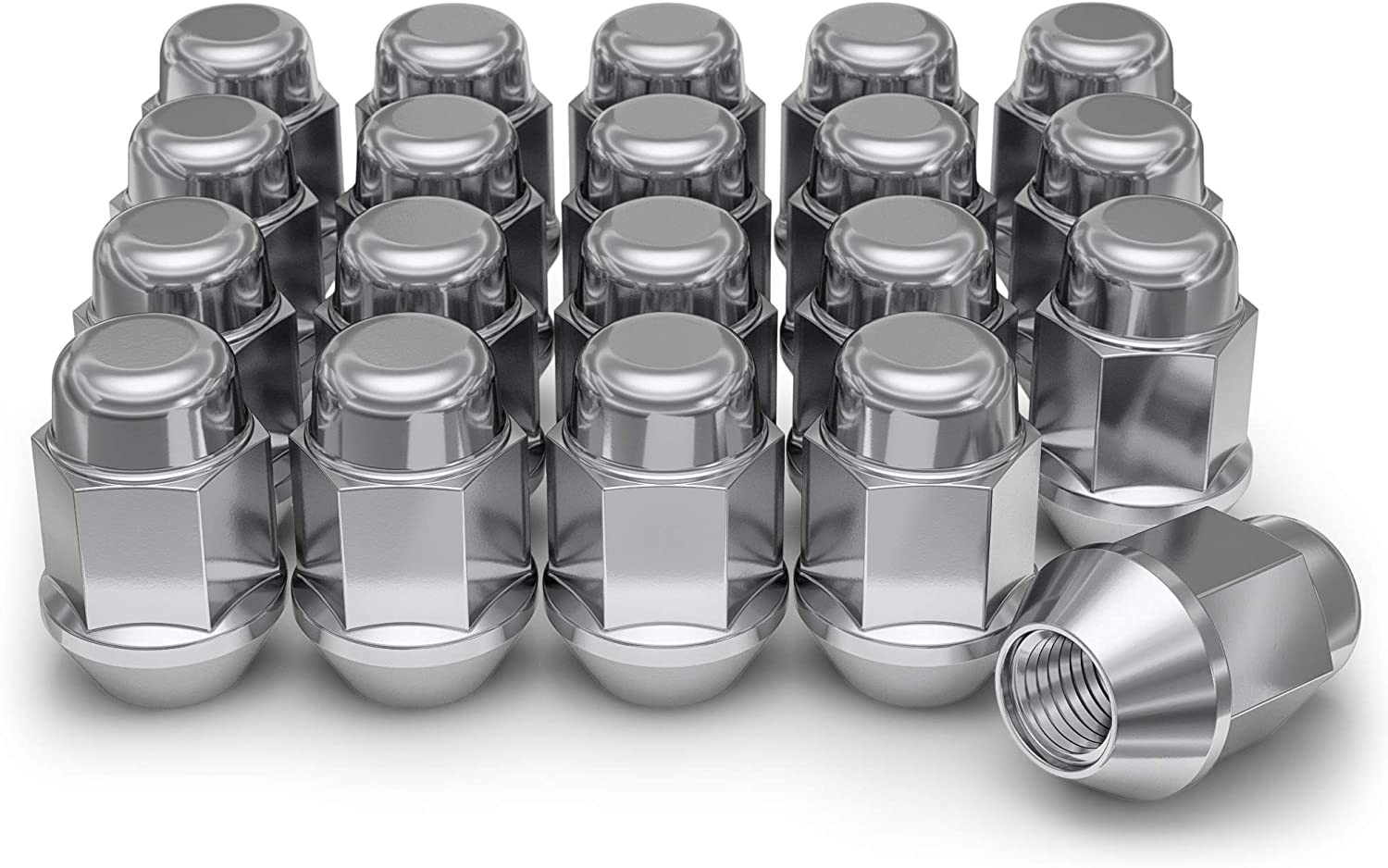
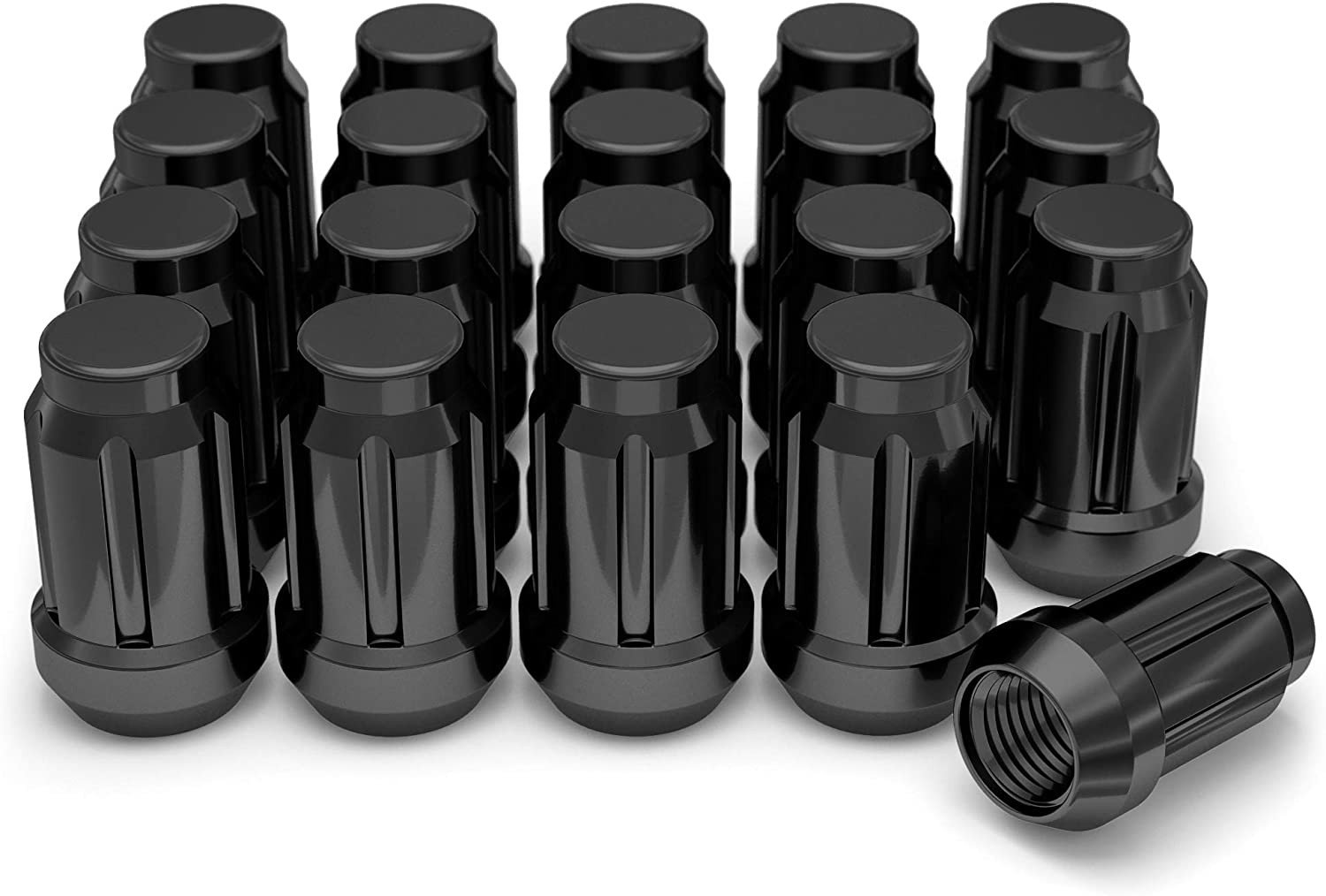
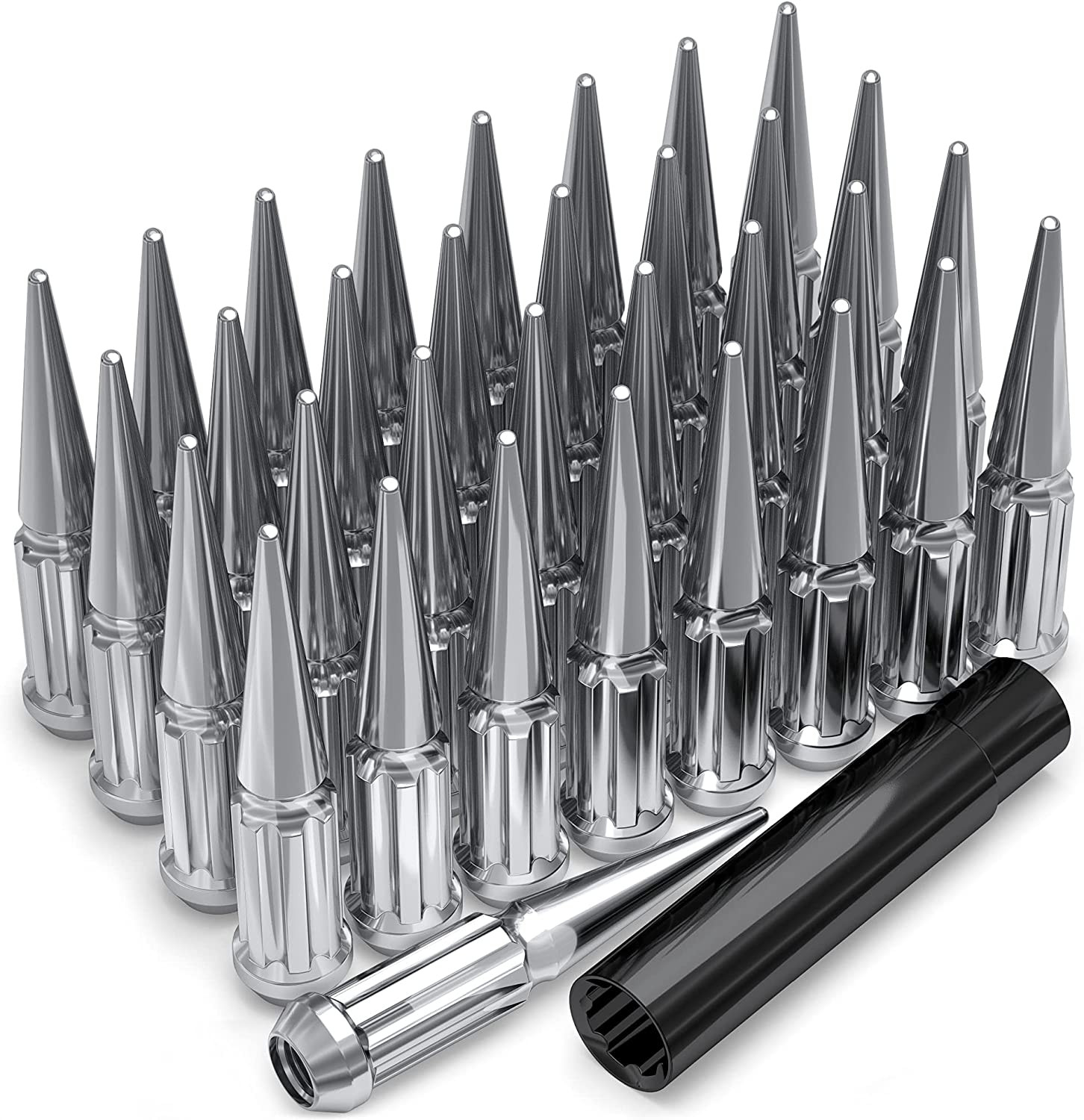
Use only lug nuts that match both the wheel's seat design and the confirmed vehicle thread. Do not force incompatible hardware. Clean the hub and wheel mounting faces, keep the mating surfaces free of paint flakes and corrosion, and never use lubricants on the friction faces unless the manufacturer specifically requires it.
Tighten lug nuts in a star pattern with a calibrated torque wrench to the vehicle or wheel manufacturer's specified torque. Recheck torque after the initial drive and follow the wheel maker's instructions. Inflate tires to the pressure specified for the vehicle and verify pressure with a gauge.
After installation, check for vibration, rubbing, steering changes, warning lights, and abnormal noise. Stop driving and inspect the vehicle if any contact or handling problem appears.
Tools And Helpful Supplies
Useful supplies include a calibrated torque wrench, correct socket, jack and approved jack stands, wheel chocks, a tire pressure gauge, a tread or clearance measuring tool, and a straightedge for checking offset or backspacing. A suitable automotive torque wrench and digital tire pressure gauge can help with basic installation checks.
Use the vehicle owner's manual and wheel manufacturer's instructions for lifting points, lug torque, pressure, and hardware requirements. A tire shop should handle tire mounting, balancing, and any repair involving tire bead or sidewall damage.
FAQs
What is the bolt pattern for a 1994 Honda Prelude?
The bolt pattern is not provided in the known specifications for this page. Confirm the stud count and pitch circle diameter using an OEM source, a trusted fitment database, or direct measurement before ordering wheels.
What is the center bore?
The known center bore is 64.1 mm. The wheel's center bore should fit the hub correctly. A larger wheel bore may require an accurately sized hub-centric ring, while a smaller bore generally will not fit over the hub.
What is the reference wheel size?
The known reference wheel is 14 by 5.5 inches with ET45 offset. The supplied backspacing value is 4.52 inches. Confirm the actual wheel markings because replacement wheels may not match the original specification.
What is the reference tire size?
The supplied reference tire size is 185/70R14. Its approximate calculated outside diameter is 24.2 inches, but actual dimensions vary by tire brand and model.
Can I install wheels from another vehicle?
Only after checking every critical measurement. Compare bolt pattern, center bore, lug hardware, diameter, width, offset, backspacing, brake clearance, and tire size. Use the wheel interchange calculator for comparison, then confirm the result with a physical test-fit and manufacturer data.
What thread size do the lug nuts use?
The thread size is unknown from the supplied data. Do not guess or reuse lug nuts based only on appearance. Confirm thread size, seat style, and required thread engagement with Honda documentation or a qualified wheel and tire professional.
Will a larger wheel improve handling?
It may change steering response, but results depend on tire construction, width, pressure, wheel weight, alignment, and suspension condition. Larger wheels can also reduce ride comfort and clearance. Compare the complete wheel and tire package rather than the rim diameter alone.
Is a calculator result a guarantee of fitment?
No. Calculator results are a comparison aid. They cannot account for every brake shape, suspension modification, wheel spoke profile, tire casing, or manufacturing variation. Confirm fitment with OEM or manufacturer sources and inspect the vehicle before driving.