1999 Honda Prelude Wheel Fitment Guide
Known OEM Fitment For 1999 Honda Prelude
The following specifications are the known OEM reference values supplied for the 1999 Honda Prelude. Fitment can vary by trim, market, brake package, wheel design, or replacement parts, so confirm the markings on your vehicle and compare any replacement wheel before installation.
| Specification |
Known value |
| Bolt pattern |
5x114.3 |
| Center bore |
64.1 mm |
| Thread size |
M12 x 1.5 |
| Rim diameter |
16 inches |
| Rim width |
6.5 inches |
| Wheel offset |
ET55 |
| Backspacing |
5.42 inches |
| Tire size reference |
205/50R16 |
These values describe the supplied OEM reference setup. They do not confirm that every 16-inch aftermarket wheel will clear the brakes or suspension. Wheel spoke shape, barrel profile, brake clearance, and actual manufacturing tolerances must also be checked.
How To Use The Wheel Interchange Calculator
Use the calculator to compare wheels from a donor vehicle with wheels installed on your 1999 Honda Prelude. Enter or select the donor vehicle in the “Wheels from” area, then enter the Prelude as the vehicle in the “Installed on” area.
- Compare bolt pattern, center bore, wheel width, diameter, and offset before considering a swap.
- Use the “Custom wheel size” controls to test a wheel diameter, width, and offset that are not represented by a listed vehicle.
- Use the “Custom tire size” controls to compare tire section width and aspect ratio.
- When rim diameter changes, review the calculator’s updated tire diameter comparison. A different wheel diameter generally requires a carefully selected tire size to maintain suitable overall diameter and clearance.
- Treat the calculator as a comparison and screening tool, not as a substitute for a physical test fit or vehicle-specific service information.
If your trim or market is not clearly identified, confirm the original wheel label, owner’s manual, tire placard, and Honda service information before ordering. Do not assume that another 1999 Prelude trim has identical brake or wheel clearance.
Fitment Checklist Before You Buy
- Confirm the wheel uses a 5x114.3 bolt pattern.
- Confirm the wheel’s center bore is 64.1 mm or larger, then use correctly sized hub-centric rings if required. Never use rings to correct an incompatible bolt pattern.
- Compare the proposed offset and width with the known ET55 and 6.5-inch reference setup.
- Check inner clearance to the brake caliper, strut, spring, control arms, and other suspension components.
- Check outer clearance to the fender lip and inner wheel well through steering and suspension travel.
- Confirm the wheel’s load rating is suitable for the vehicle and intended use.
- Verify the wheel’s lug-seat type matches the lug nuts. Thread size alone does not confirm lug-seat compatibility.
- Confirm tire size, load index, speed rating, sidewall condition, and approved rim-width range.
- Ask the seller for the exact wheel width, offset, center bore, bolt pattern, and brake-clearance information. Do not rely only on a general vehicle fitment label.
Plus Sizing And Common Upgrades
Plus sizing means changing wheel diameter while selecting a tire with a different aspect ratio. The goal is usually to preserve a similar overall tire diameter while changing sidewall height and wheel appearance. The supplied OEM reference is 205/50R16, but no specific larger-diameter replacement is confirmed here.
Use the calculator’s custom wheel and tire fields to compare proposed sizes. Review overall diameter, section width, offset, and clearance rather than selecting a size based on diameter alone. A wider tire or a lower offset can increase contact with suspension parts or fenders, while a higher offset can reduce inner clearance.
Any upgrade should also preserve adequate load capacity, speed rating, steering clearance, suspension-travel clearance, and safe tire inflation guidance. Confirm the final size with a qualified tire professional and OEM or manufacturer fitment data.
Installation Tips
- Inspect wheels for cracks, bends, corrosion, damaged seats, and repaired areas before mounting them.
- Clean the hub and wheel mounting faces so the wheel sits flat. Do not place spacers, washers, or coatings between mating surfaces unless the application specifically requires an approved component.
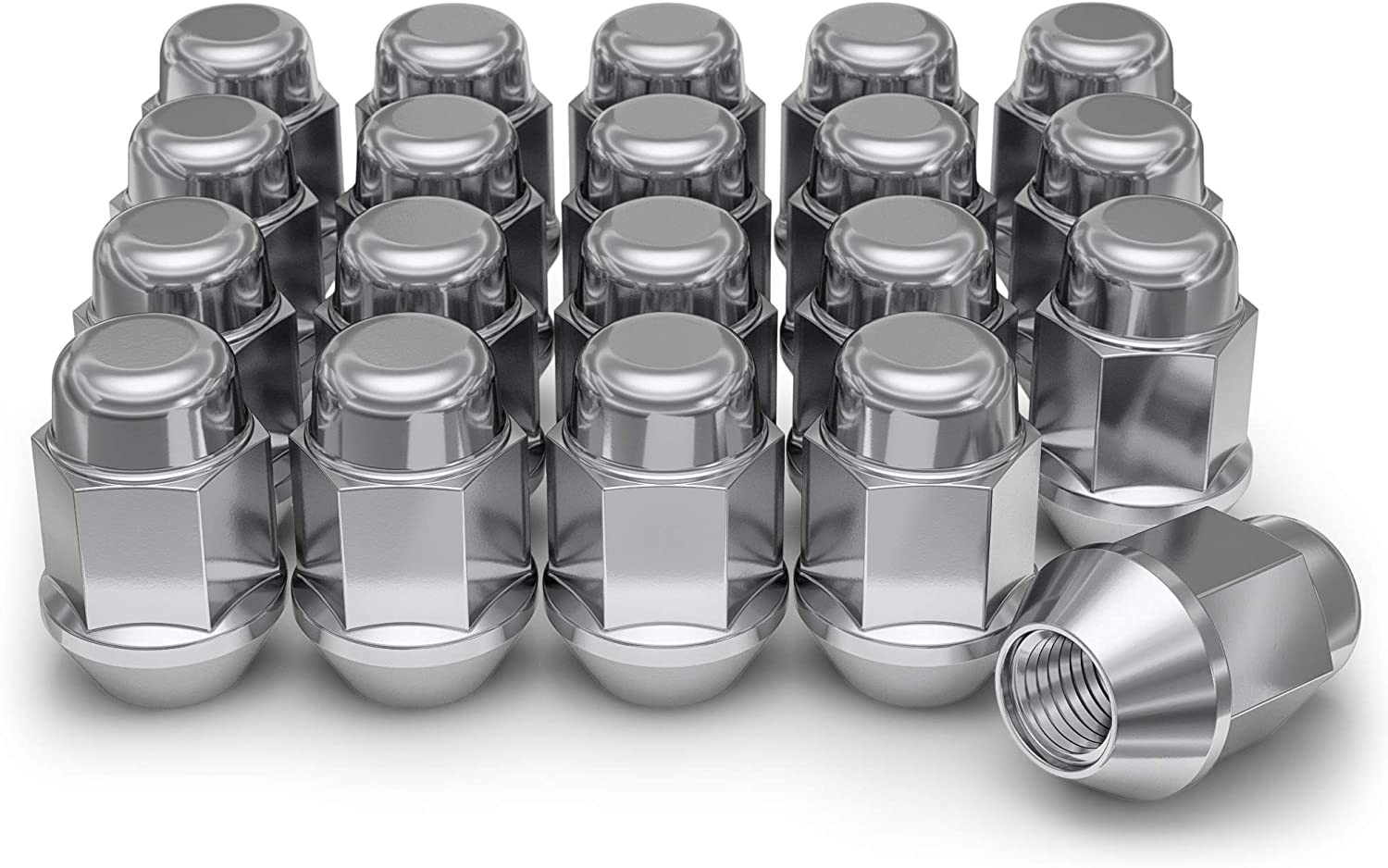
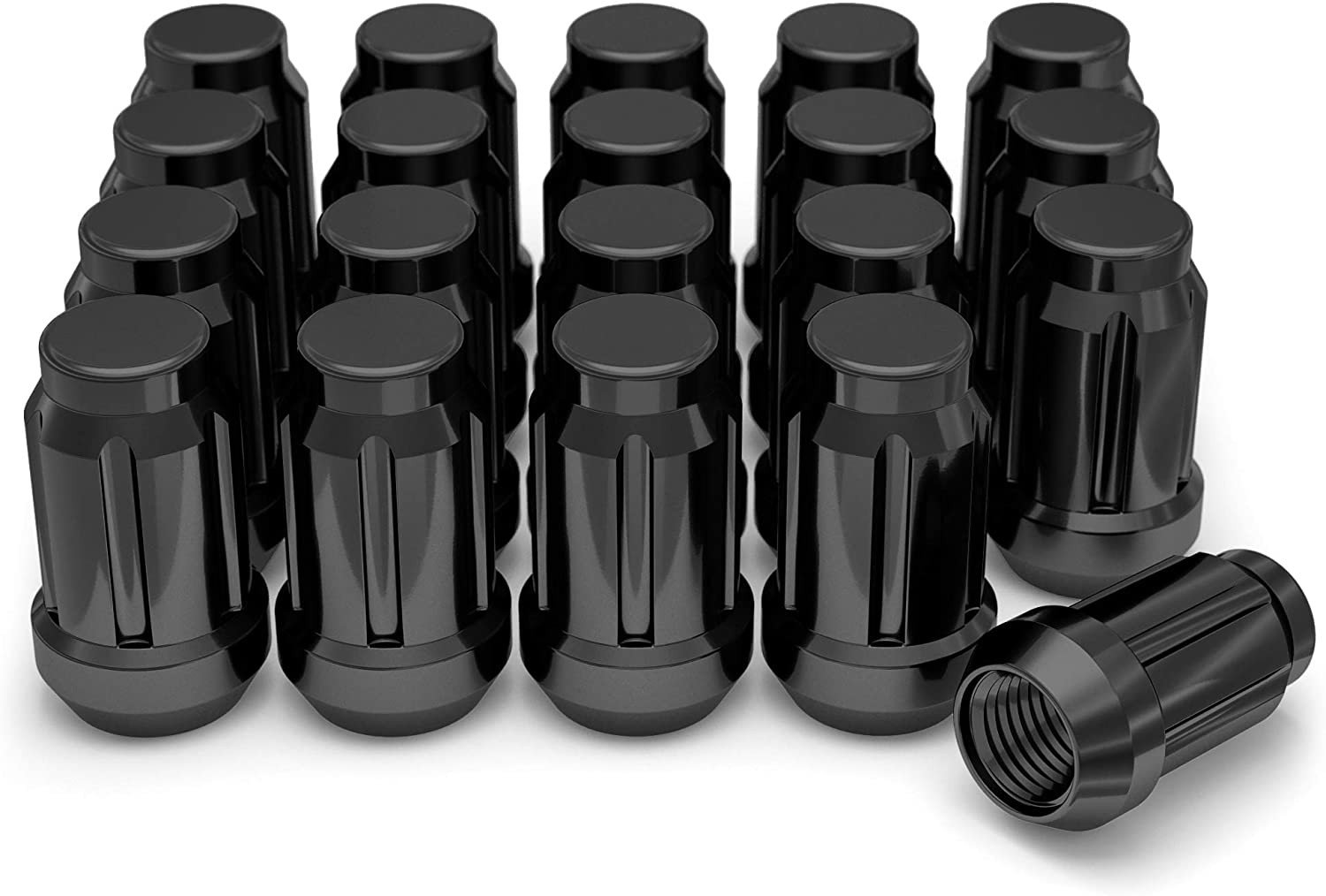
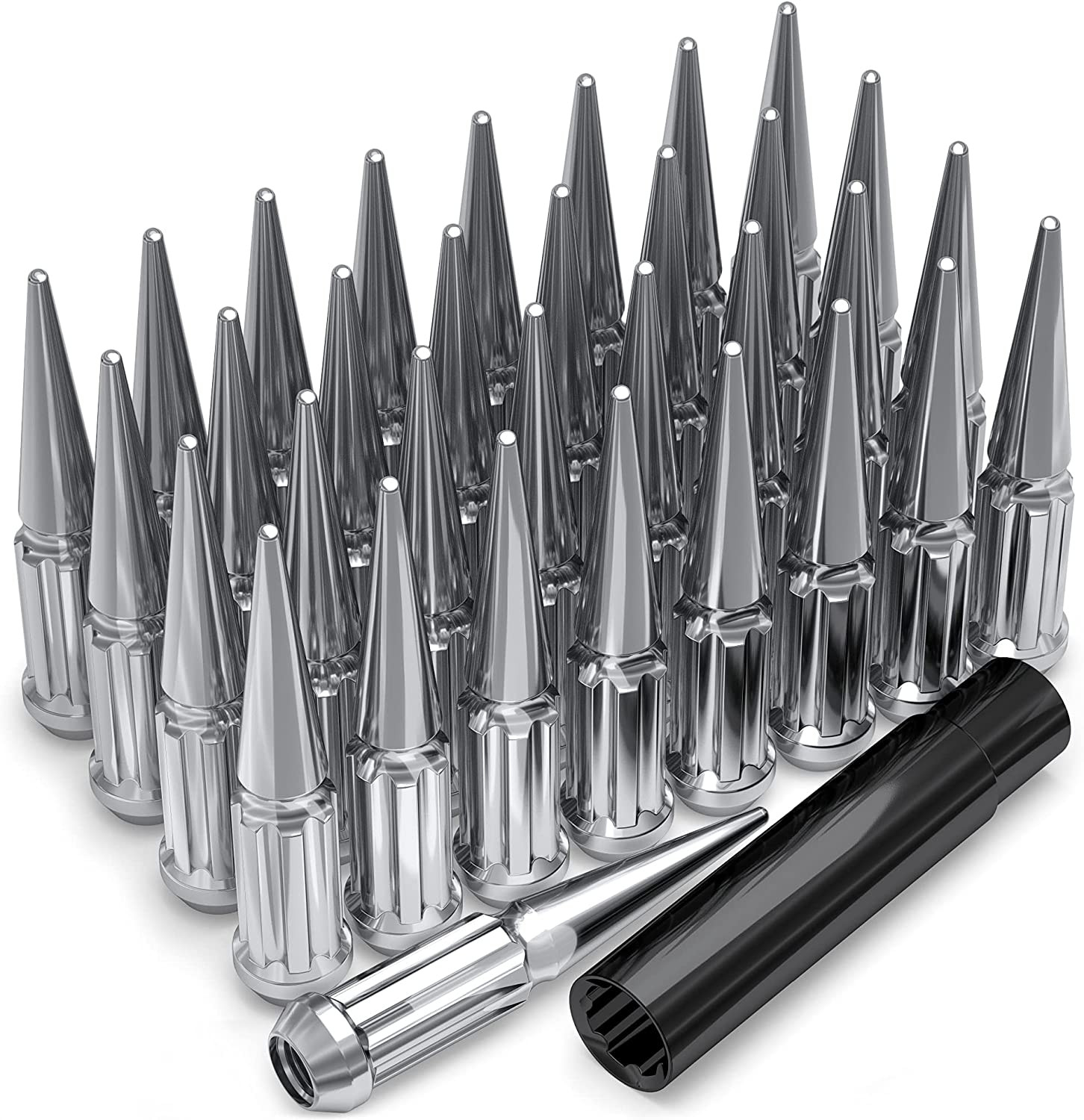
- Install the correct lug nuts for the wheel’s seat design and thread specification. The known thread size is M12 x 1.5, but the correct lug-seat shape must still be verified.
- Start every lug nut by hand to avoid cross-threading.
- Torque lug nuts in a star or crisscross pattern using the vehicle or wheel manufacturer’s specified torque. Do not guess the torque value.
- After installation, check for interference with the steering turned fully left and right, and inspect clearance through normal suspension movement where practical.
- Recheck lug torque after the manufacturer’s recommended break-in distance and whenever the wheels have been removed.
- After fitting tires, verify inflation pressure using the vehicle’s tire placard rather than the maximum pressure molded into the tire sidewall.
Tools And Helpful Supplies
Useful equipment may include a torque wrench, correctly sized socket, jack and jack stands or an approved lift, a tire pressure gauge, a tread-depth gauge, and a hub or wheel measuring tool. Use properly rated lifting equipment and support the vehicle securely; never work under a vehicle supported only by a jack.
For compatible tools and supplies, see automotive torque wrenches on Amazon and wheel center-bore measuring tools on Amazon. Product compatibility, accuracy, and ratings should be checked before purchase.
FAQs
What is the bolt pattern for the 1999 Honda Prelude?
The supplied OEM reference is 5x114.3. Confirm the vehicle and wheel specifications before ordering because a matching bolt pattern alone does not prove complete fitment.
What is the center bore?
The supplied reference center bore is 64.1 mm. A wheel with a larger bore may require properly sized hub-centric rings. A wheel with a smaller bore will not fit over the hub without an approved, correctly engineered solution.
What is the OEM wheel and tire reference?
The supplied reference is a 16 x 6.5-inch wheel with ET55 offset and a 205/50R16 tire. These values may not cover every trim or market, so confirm them against the vehicle’s original equipment information.
Can I install wheels from another vehicle?
Possibly, but the donor wheel must be checked for bolt pattern, center bore, diameter, width, offset, brake clearance, load rating, and lug-seat compatibility. Use the wheel interchange calculator for an initial comparison, then perform a physical clearance check.
Does a 5x114.3 wheel automatically fit?
No. Bolt pattern is only one requirement. Center bore, offset, width, brake clearance, lug hardware, wheel load rating, and tire clearance must also be compatible.
Can I use a different wheel diameter?
A different diameter may be possible with a properly matched tire, but no specific alternative size is confirmed here. Use the calculator’s custom wheel and tire fields, review the updated tire-diameter comparison, and verify clearance and tire specifications with OEM or tire manufacturer sources.
What lug nuts should I use?
The supplied thread reference is M12 x 1.5, but the correct lug nut also depends on the wheel’s seat type and design. Confirm the required lug hardware with the wheel manufacturer and never assume the original lug nuts fit an aftermarket wheel.
Where can I confirm fitment for my exact trim?
Check the vehicle’s tire placard, owner’s manual, original wheel markings, Honda service information, and the wheel and tire manufacturers’ specifications. If those sources conflict, have the vehicle inspected by a qualified tire or wheel technician before purchase or installation.