2008 Honda Ridgeline Wheel Interchange and Fitment Guide
Use this page to compare replacement wheels and tires for a 2008 Honda Ridgeline. The specifications below are the known reference values provided for this vehicle. Equipment can vary by trim, package, market, or previous modifications, so confirm measurements on the vehicle and check Honda documentation before ordering.
Known OEM Fitment For 2008 Honda Ridgeline
The following specifications are the available reference values for the 2008 Honda Ridgeline. They should be treated as a starting point, not a guarantee that every wheel with these measurements will clear the brakes, suspension, or bodywork.
| Specification |
Known value |
| Bolt pattern |
5x120 |
| Center bore |
64.1 mm |
| Thread size |
M14 x 1.5 |
| Rim diameter |
17 inches |
| Rim width |
7.5 inches |
| Wheel offset |
ET45, or 45 mm |
| Backspacing |
5.52 inches |
| Tire section width |
245 mm |
| Tire aspect ratio |
65% |
| Tire rim diameter |
R17 |
These values do not identify every compatible donor vehicle or prove that a specific aftermarket wheel will fit. Verify the wheel's bolt pattern, center bore, width, offset, load rating, brake clearance, and tire requirements before purchase. Confirm the vehicle's exact trim specifications through the owner's manual, the vehicle information label, or a Honda dealer.
How To Use The Wheel Interchange Calculator
Use the calculator to compare a wheel from a donor vehicle with the wheel you plan to install on your 2008 Honda Ridgeline. Select the donor vehicle in the “Wheels from” fields and select the Ridgeline in the “Installed on” fields. Review the differences in diameter, width, offset, backspacing, tire size, and overall tire diameter.
You can also select “Custom wheel size” to enter a proposed rim diameter, rim width, and offset. Use “Custom tire size” to enter the tire section width and aspect ratio. When you change rim diameter, the calculator updates the tire diameter in the comparison, which helps you evaluate overall height and speedometer-related differences.
Calculator results are dimensional comparisons, not a clearance certification. A result that appears close should be checked against the brake caliper, suspension, fender, steering lock, and wheel-well clearances on the actual vehicle. Test fit before driving whenever possible.
Fitment Checklist Before You Buy
Start by confirming the wheel has the 5x120 bolt pattern and that its center bore is suitable for the Ridgeline's 64.1 mm hub. A larger center bore may require correctly sized hub-centric rings, while a smaller center bore generally will not fit over the hub. Do not use rings to correct an incorrect bolt pattern.
Check the wheel offset and width against the known ET45 and 7.5-inch reference dimensions. A different offset changes the wheel's position relative to the suspension and fender. Confirm that the proposed wheel has enough inner clearance for the brake assembly and enough outer clearance for the fender and bodywork through the full steering and suspension range.
Verify that the wheel's load rating meets or exceeds the vehicle requirement. Confirm the tire's load index, speed rating, rim-width range, outside diameter, and inflation requirements. Tire clearance must be checked with the vehicle loaded and with the steering at both full-lock positions.
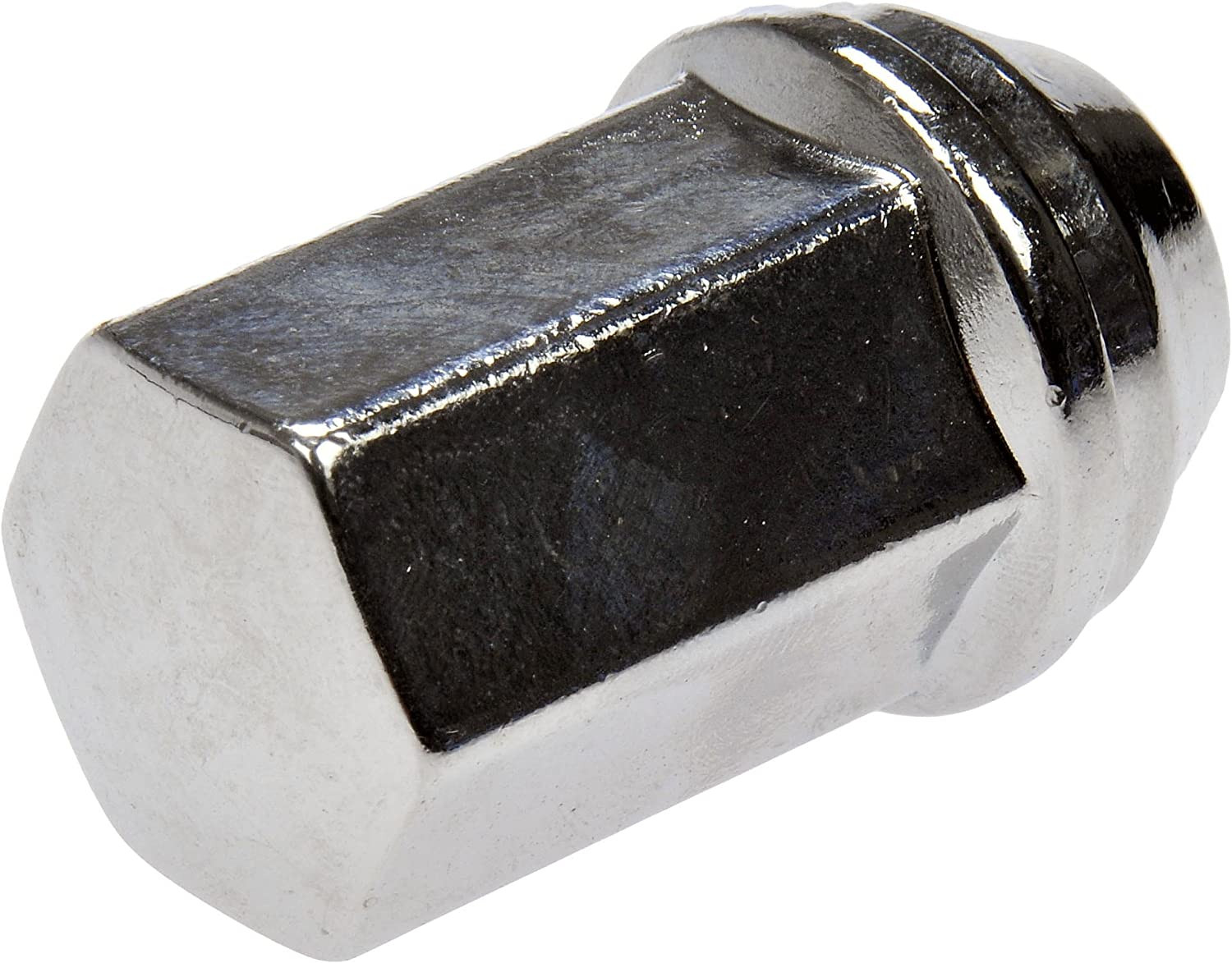
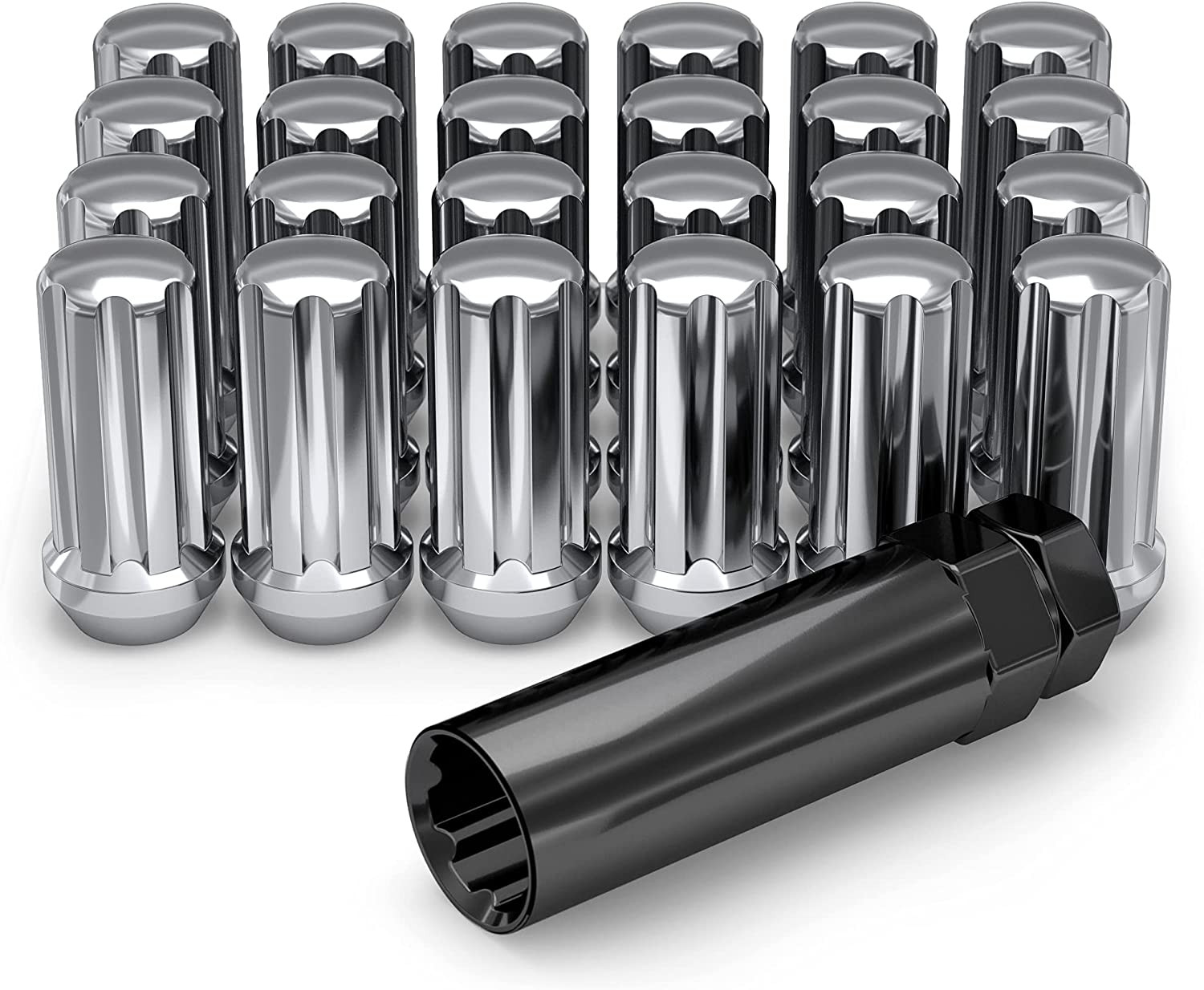
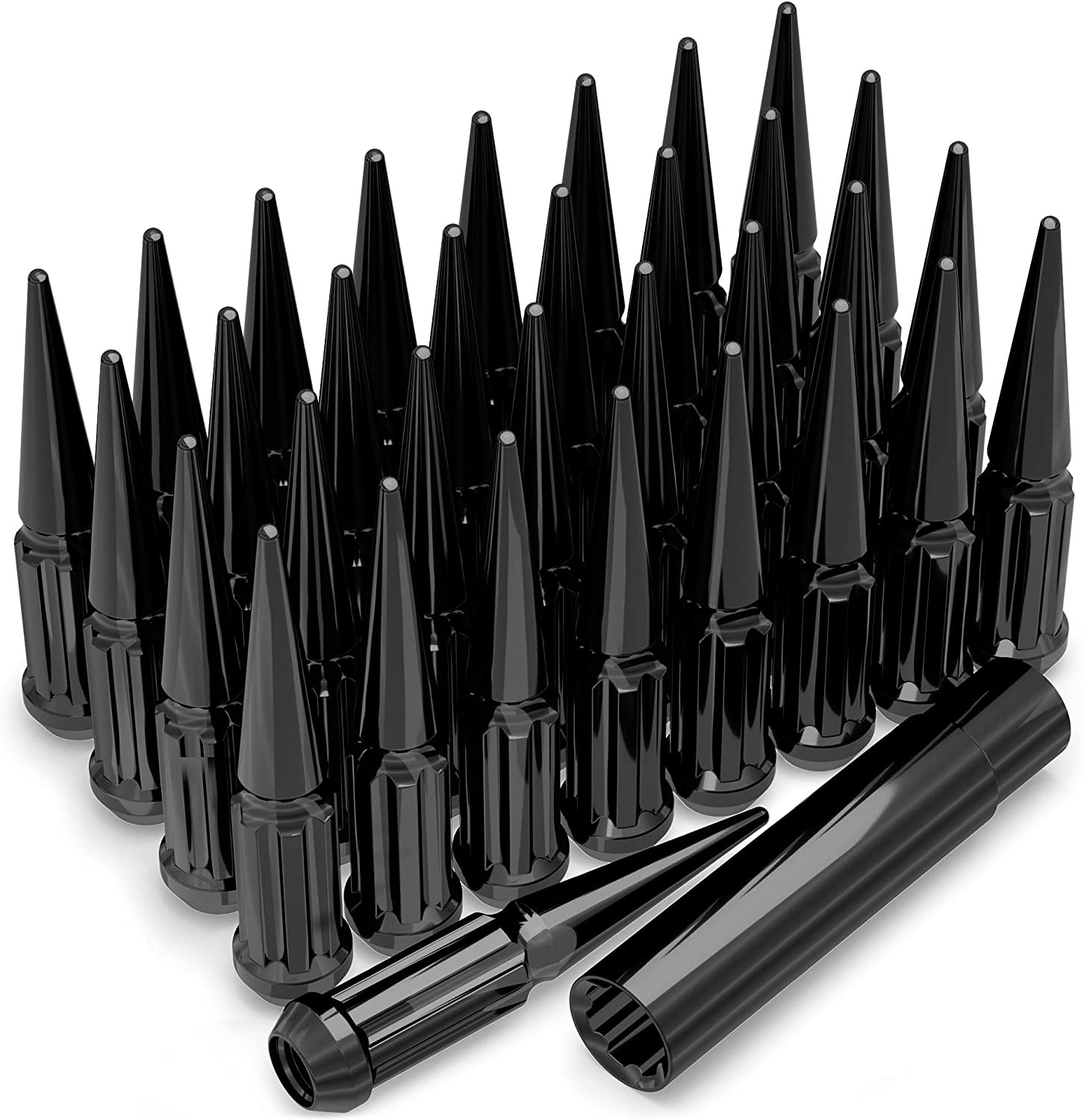
Inspect used wheels for cracks, bends, repaired areas, corrosion around the bead seat, damaged lug seats, and missing or incorrect hardware. Confirm whether the wheel requires conical-seat or ball-seat lug nuts. The thread size alone does not identify the correct lug-nut seat.
Use the calculator for comparison, then confirm the final specifications with the wheel manufacturer, tire manufacturer, Honda documentation, and a qualified tire professional.
Plus Sizing And Common Upgrades
Plus sizing means using a larger rim diameter with a lower-profile tire while attempting to keep overall tire diameter close to the reference size. It can change steering response, ride comfort, road noise, wheel vulnerability, tire cost, and clearance. It may also affect the accuracy of the speedometer and electronic systems if the outside diameter changes significantly.
For any proposed upgrade, enter the custom rim diameter, width, and offset in the calculator, then enter the proposed tire section width and aspect ratio. Compare the calculated tire diameter with the known 245/65 R17 reference information. The calculator can show dimensional differences, but it cannot account for every brake, suspension, fender, tire-construction, or load-rating issue.
Do not select a narrower or lower-load tire solely to obtain clearance. Maintain appropriate load capacity and confirm the tire is approved for the selected rim width. If the vehicle has a spare tire, tire-pressure monitoring components, aftermarket suspension parts, or modified bodywork, verify those items separately.
Installation Tips
Before installation, clean the hub face and wheel mounting surface. Remove rust, paint buildup, dirt, and debris that could prevent the wheel from seating flat. Never place fingers between the wheel and hub while positioning a heavy wheel.
Install the correct lug nuts by hand first to avoid cross-threading. Tighten them in a crisscross pattern, then torque them to the vehicle or wheel manufacturer's specified value using a calibrated torque wrench. The correct torque value is not provided here, so obtain it from the owner's manual, an official Honda service source, or the wheel manufacturer.
After tightening, check that the wheel rotates freely and that there is no contact with the caliper, suspension, inner wheel well, or fender. Lower the vehicle fully, recheck torque as specified by the manufacturer, and inspect for interference during a slow, controlled test drive. Recheck lug torque after the interval recommended by the wheel manufacturer or installer.
Never rely on wheel spacers, adapters, or improperly sized hub rings to correct an uncertain fit. Any spacer or adapter changes wheel position and may require longer wheel studs or different hardware. Use only products with documented vehicle compatibility and professional installation guidance.
Tools And Helpful Supplies
Useful equipment includes a calibrated torque wrench, a suitable socket, a jack and jack stands rated for the vehicle, wheel chocks, a tire-pressure gauge, and a tread-depth gauge. Use the vehicle's designated lifting points and support the vehicle securely. Do not work beneath a vehicle supported only by a jack.
A hub-cleaning brush and approved corrosion-removal supplies can help prepare the mounting surface. A straightedge or clearance gauge may assist with a preliminary check, but physical test fitting remains the safer confirmation for tight clearances.
For a torque-wrench option, see automotive torque wrenches on Amazon. For basic wheel removal and installation equipment, see wheel lug socket sets on Amazon. Confirm tool ratings and product details before purchase.
FAQs
What is the bolt pattern for the 2008 Honda Ridgeline?
The known bolt pattern is 5x120. Confirm the wheel manufacturer's specification before ordering, because a similar-looking pattern is not interchangeable.
What is the center bore for this Ridgeline?
The known center bore is 64.1 mm. A wheel with a larger bore may require properly sized hub-centric rings. A wheel with a smaller bore generally cannot seat over the vehicle hub.
What wheel offset is listed for the 2008 Honda Ridgeline?
The listed reference offset is ET45, or 45 mm, with a 7.5-inch rim width. Different width and offset combinations can move the wheel inward or outward, so use the calculator and perform a physical clearance check.
Can I use wheels from another vehicle?
Do not assume compatibility based only on the bolt pattern. Compare center bore, diameter, width, offset, backspacing, load rating, lug-seat type, brake clearance, and tire size. The calculator can compare donor and installed dimensions, but it does not certify a specific donor vehicle.
Can I install a larger wheel?
A larger rim may be possible, but the tire must maintain suitable load capacity and an appropriate overall diameter. Enter the custom wheel and tire sizes in the calculator, then verify clearance and manufacturer approvals before installation.
Does changing wheel diameter change tire diameter?
Changing wheel diameter normally requires a different tire aspect ratio to maintain a similar outside diameter. In this calculator, changing rim diameter updates the tire diameter shown in the comparison. Confirm the final tire size separately with the tire manufacturer and vehicle documentation.
What lug-nut thread size is listed?
The known thread size is M14 x 1.5. The correct lug-nut seat shape, length, and overall design must also match the wheel. Do not select lug nuts by thread size alone.
How do I confirm the final fit before driving?
Confirm the specifications with OEM and wheel documentation, test-fit the wheels, check brake and suspension clearance, verify full-lock steering clearance, confirm tire load ratings, and torque the hardware to the correct manufacturer specification. If any measurement or clearance is uncertain, have the installation inspected by a qualified tire or wheel technician.