2005 Honda Odyssey Wheel Fitment Guide
This guide summarizes the wheel and tire data provided for the 2005 Honda Odyssey. Because fitment can vary by trim, wheel package, brake clearance, and prior modifications, confirm every measurement with the vehicle, the wheel manufacturer, and the Honda service information before purchasing or installing parts.
Known OEM Fitment For 2005 Honda Odyssey
The following specifications were supplied for this vehicle. They should be treated as reference values, not a substitute for confirming the exact fitment of your trim and current vehicle configuration.
| Specification |
Provided value |
What to verify |
| Bolt pattern |
5x120 |
Confirm five studs and a 120 mm pitch circle diameter before ordering. |
| Center bore |
64.1 mm |
Confirm the vehicle hub measurement and the wheel's center-bore specification. |
| Thread size |
M12 x 1.5 |
Confirm the correct lug hardware and thread engagement for the replacement wheel. |
| Rim diameter |
19 inches |
Verify wheel diameter, brake clearance, and the approved tire size for the wheel. |
| Rim width |
8.0 inches |
Check the tire maker's approved rim-width range. |
| Wheel offset |
ET45 |
Check inner suspension clearance, outer fender clearance, and steering clearance. |
| Backspacing |
5.77 inches |
Measure the actual wheel if possible, since wheel design and measurement methods can affect the result. |
| Tire section width |
235 mm |
Confirm the complete tire designation and approved width range. |
| Tire aspect ratio |
65% |
Confirm the tire sidewall ratio on the vehicle or tire sidewall. |
| Tire rim diameter |
R16 |
Confirm the tire's rim diameter before mounting it to any wheel. |
Important: the supplied wheel diameter is 19 inches, while the supplied tire rim diameter is 16 inches. A tire marked 235/65R16 cannot be mounted on a 19-inch wheel. These values may describe different configurations or contain a data mismatch. Do not combine them as one wheel-and-tire package. Confirm the tire marking, wheel marking, and vehicle placard before purchase.
How To Use The Wheel Interchange Calculator
Use the calculator to compare a donor vehicle's wheels with the wheels installed on your 2005 Honda Odyssey. Enter the donor vehicle or donor wheel measurements in the “Wheels from” fields, then enter the Odyssey measurements in the “Installed on” fields.
- Compare the bolt pattern, center bore, wheel diameter, width, and offset.
- Use the custom wheel size fields when the donor wheel is not listed or when evaluating an aftermarket wheel.
- Enter custom tire section width and aspect ratio when comparing a different tire size.
- Review the calculated inner and outer position changes, then inspect the vehicle for actual brake, suspension, and fender clearance.
- When you change rim diameter, the calculator updates the tire diameter comparison. Recheck overall diameter, speedometer effects, load rating, and clearance after every change.
The calculator is a screening tool, not a guarantee of safe fitment. It cannot replace a physical test fit, tire manufacturer specifications, wheel load-rating information, or OEM documentation.
Fitment Checklist Before You Buy
- Confirm the 5x120 bolt pattern and verify that the wheel is manufactured for the correct lug-hole geometry.
- Confirm the 64.1 mm center-bore requirement. A wheel with a larger bore may require properly sized hub-centric rings, while a wheel with a smaller bore will not fit over the hub.
- Confirm the wheel diameter, width, and ET offset from the manufacturer's stamped or published specifications.
- Check brake-caliper clearance. Matching bolt pattern and offset alone does not prove that a wheel clears the brakes.
- Check inner clearance to struts, control arms, steering components, and other suspension parts.
- Check outer clearance to the fender and wheel-well liner at normal ride height and through steering and suspension travel.
- Use a tire size approved for the wheel's diameter and width. Do not mount a 16-inch tire on a 19-inch wheel.
- Confirm tire load capacity, speed rating, overall diameter, and inflation requirements using the tire manufacturer and the vehicle placard.
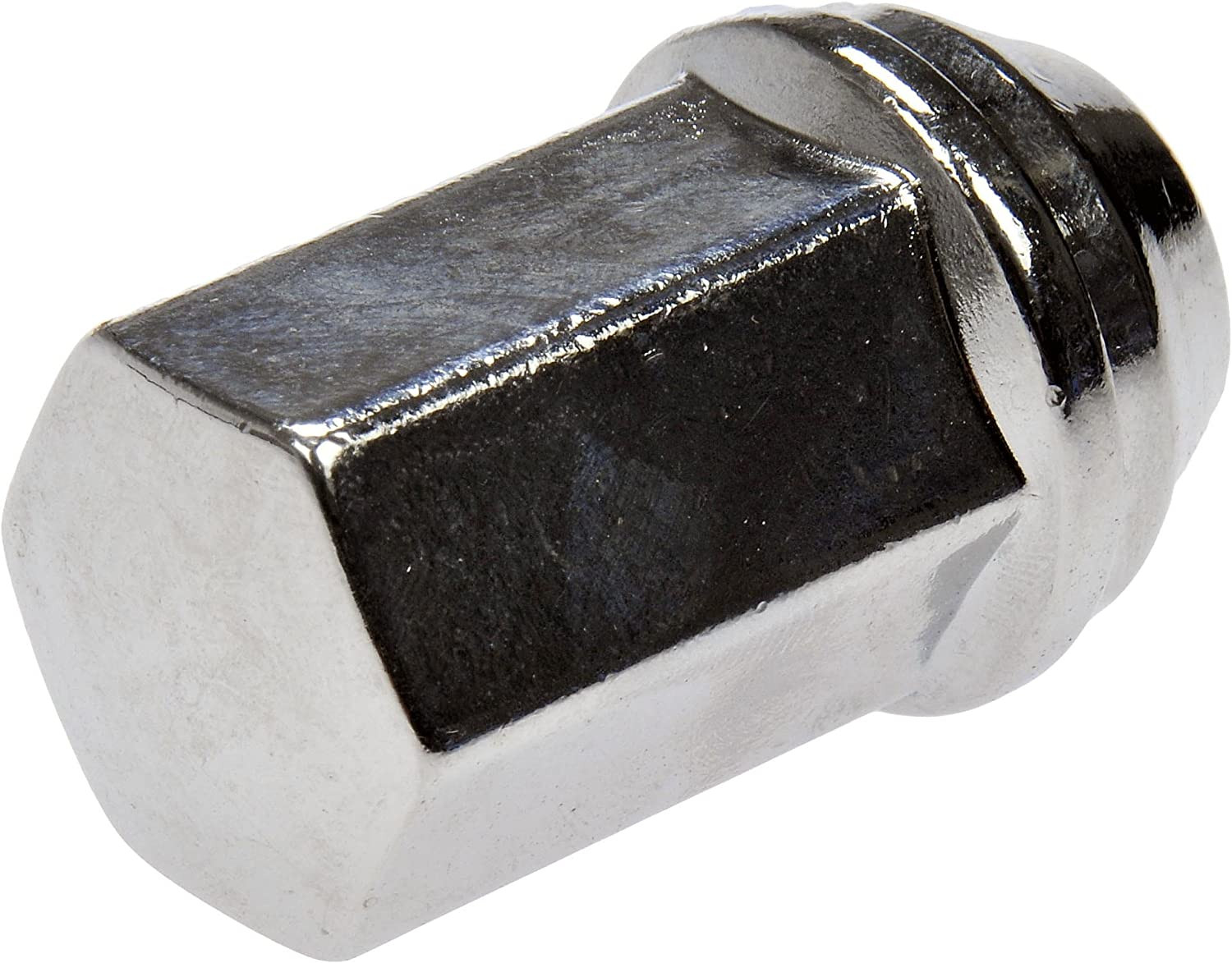
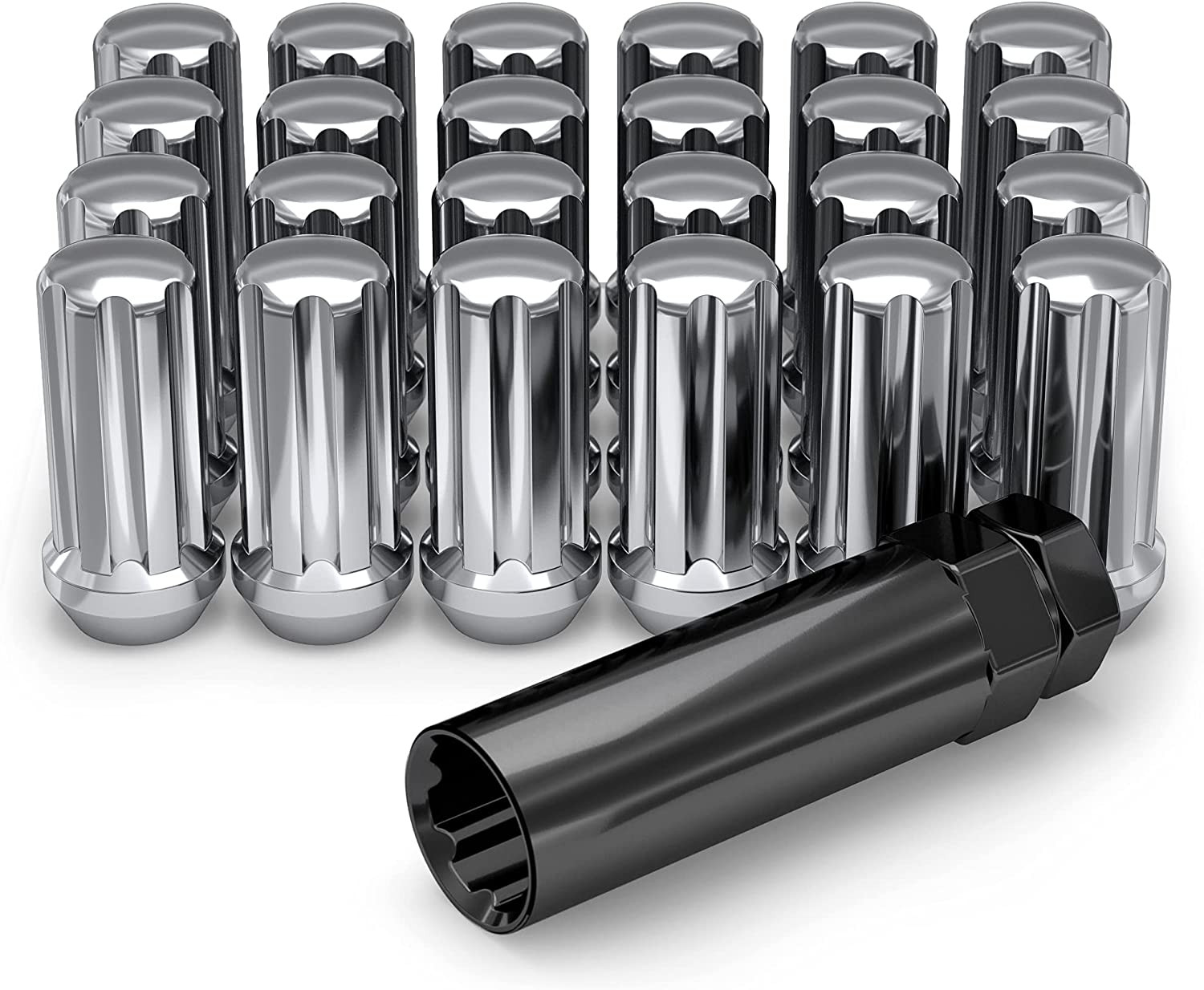
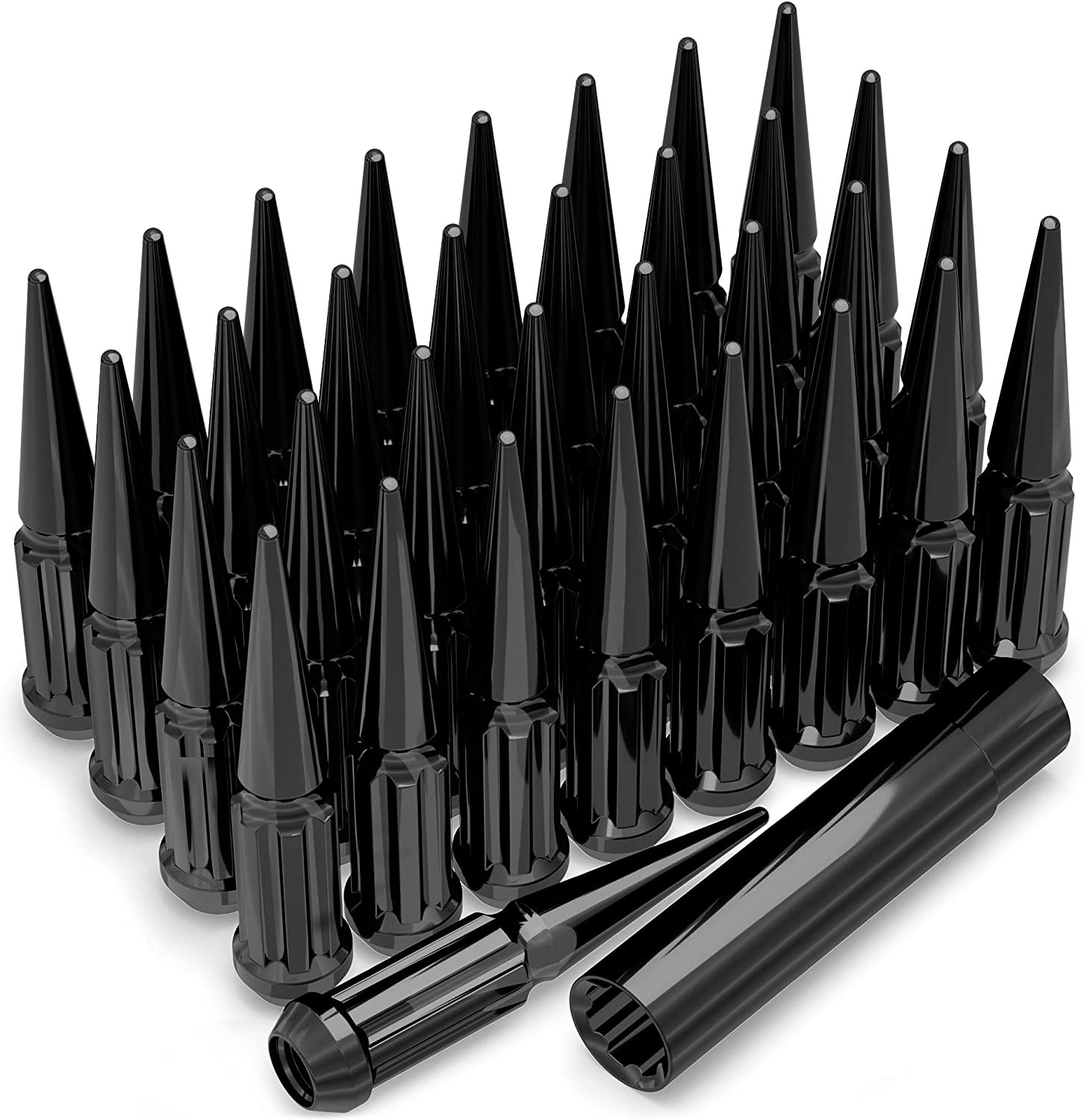
- Verify lug-nut seat type, thread size, stud engagement, and whether the wheels require special hardware. The supplied thread size is M12 x 1.5, but lug-seat compatibility still must be confirmed.
- Confirm wheel load rating and any restrictions from the wheel manufacturer.
Plus Sizing And Common Upgrades
Plus sizing changes the wheel diameter while selecting a tire with a lower sidewall to help keep overall tire diameter near the original configuration. The calculator can show how a custom rim diameter changes the tire-diameter comparison, but it does not establish that a size is approved for the vehicle.
For any upgrade, keep the wheel's bolt pattern, center bore, offset, load rating, and brake clearance within verified limits. A wider wheel or different offset can move the inner edge closer to suspension components or move the outer edge closer to the fender. A lower-profile tire can also reduce ride comfort and increase the risk of wheel or tire damage from potholes.
Because the supplied data includes both a 19-inch wheel and a 16-inch tire rim diameter, verify the intended configuration before considering a plus-size setup. Use the vehicle tire placard, the owner's manual, Honda service information, and the wheel and tire manufacturers' fitment charts as the controlling references.
Installation Tips
- Inspect the wheel, tire, studs, lug nuts, hub face, and mounting surfaces before installation.
- Remove rust, dirt, and loose debris from the hub and wheel mounting faces without altering the mating surfaces.
- Install only compatible lug hardware. Do not force a conical lug nut into a ball-seat wheel or use the wrong seat style.
- Thread lug nuts by hand first to prevent cross-threading.
- Lower the vehicle enough to keep the wheel from rotating, then tighten the lugs in a star or crisscross pattern.
- Apply the torque specification stated by Honda or the wheel manufacturer. Do not guess if the specification is unavailable.
- After installation, check for clearance with the steering turned in both directions and inspect for contact during suspension movement.
- Recheck lug torque after the initial drive and again according to the wheel manufacturer's instructions.
- Monitor tire pressure and confirm that any tire-pressure monitoring system operates correctly.
Tools And Helpful Supplies
A calibrated torque wrench, suitable socket, jack stands, wheel chocks, and a tire-pressure gauge help support a safer installation. Use the vehicle owner's manual for jacking points and never rely on a jack alone while working under or beside a raised vehicle.
FAQs
Can a 235/65R16 tire be installed on the supplied 19-inch wheel?
No. A tire marked R16 is designed for a 16-inch rim, not a 19-inch rim. Confirm which wheel and tire configuration actually applies before buying parts.
Does a 5x120 bolt pattern guarantee that a wheel fits?
No. Bolt pattern is only one requirement. Center bore, offset, wheel width, brake clearance, lug-seat design, load rating, and tire compatibility must also be checked.
What center bore should I look for?
The supplied center-bore value is 64.1 mm. Confirm the actual vehicle hub and wheel bore. A wheel bore smaller than the hub will not fit, while a larger bore may require correctly sized hub-centric rings.
Is ET45 automatically safe for every 2005 Honda Odyssey?
No. ET45 is the supplied reference value, but safe fitment also depends on wheel width, spoke design, brake clearance, suspension condition, tire size, and vehicle trim or modifications. Use the calculator and perform a physical clearance check.
Can I use the calculator instead of test-fitting a wheel?
No. The calculator estimates dimensional differences from the values entered. It cannot verify spoke-to-caliper clearance, tire bulge, manufacturing tolerances, damaged components, or contact through suspension travel.
What lug nuts should be used with M12 x 1.5 studs?
Use lug nuts with the correct M12 x 1.5 thread and the wheel manufacturer's specified seat type, diameter, and engagement. Thread size alone does not identify the correct lug nut.
Where should I confirm the original tire pressure and size?
Check the vehicle's tire-information placard and owner's manual, then compare that information with Honda service documentation and the tire manufacturer's specifications. Do not rely on an unverified online fitment list.