2007 Hyundai Accent Wheel Interchange and Fitment Guide
This guide covers the supplied OEM wheel and tire information for the 2007 Hyundai Accent. Fitment can vary by trim, market, brake package, and replacement parts, so confirm the vehicle details and compare every critical measurement before purchasing used or aftermarket wheels.
Known OEM Fitment For 2007 Hyundai Accent
The following specifications are the known values provided for this page. They should be treated as a starting point rather than a guarantee that every 2007 Hyundai Accent uses the same wheel configuration.
| Specification |
Known value |
| Bolt pattern |
4x100, meaning 4 studs on a 100 mm pitch circle diameter |
| Center bore |
54.1 mm |
| Thread size |
M12 x 1.5 |
| Rim diameter |
14 inches |
| Rim width |
5.5 inches |
| Wheel offset |
ET46, or 46 mm |
| Backspacing |
4.56 inches |
| Tire section width |
175 mm |
| Tire aspect ratio |
70 percent |
| Tire rim diameter |
R14 |
Confirm the original equipment label, owner's manual, door-jamb placard, wheel markings, and Hyundai service information for your specific car. Also verify the required load rating, speed rating, tire pressure, and lug hardware before installation. The specifications above do not include a confirmed OEM load rating, speed rating, or lug-seat style.
How To Use The Wheel Interchange Calculator
Use the calculator to compare a donor vehicle's wheels with the wheels installed on your 2007 Hyundai Accent. Enter the donor vehicle information in the Wheels from section and enter the Accent information in the Installed on section.
- Compare the donor and vehicle bolt patterns first. A different bolt pattern is generally not a direct-fit condition.
- Compare center bore, wheel diameter, width, and offset. These measurements affect hub seating, suspension clearance, and fender clearance.
- Use the custom wheel size fields to test a rim diameter, rim width, and offset when the donor vehicle is not listed or when evaluating aftermarket wheels.
- Use the custom tire size fields to enter section width and aspect ratio. Keep the tire rim diameter matched to the selected wheel diameter.
- Changing the rim diameter updates the tire diameter in the comparison. Review the resulting diameter change because it can affect ground clearance, speedometer accuracy, gearing, and body clearance.
- Use the calculator as a comparison tool, not as a substitute for a physical test fit. It cannot confirm brake-caliper clearance, spoke clearance, lug-seat compatibility, or every suspension and fender interference issue.
Fitment Checklist Before You Buy
- Confirm that the vehicle is a 2007 Hyundai Accent and identify its trim and market.
- Verify the vehicle's bolt pattern, center bore, thread size, and original wheel measurements against OEM sources.
- Check the wheel's stamped diameter, width, offset, bolt pattern, and center-bore marking. Do not rely only on a seller's title or description.
- Confirm that the wheel has an adequate load rating for the vehicle and that the tire has the required load and speed ratings.
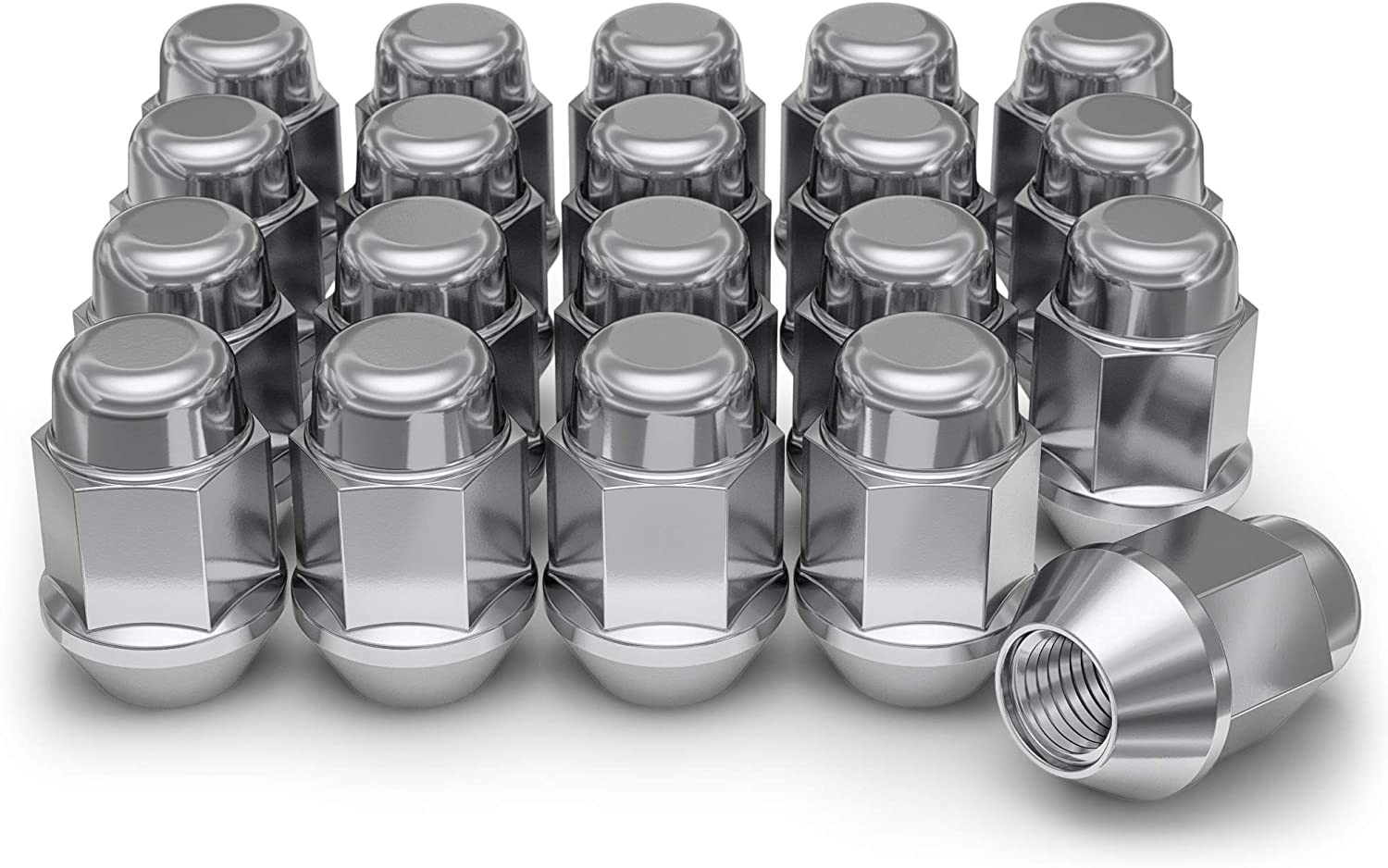
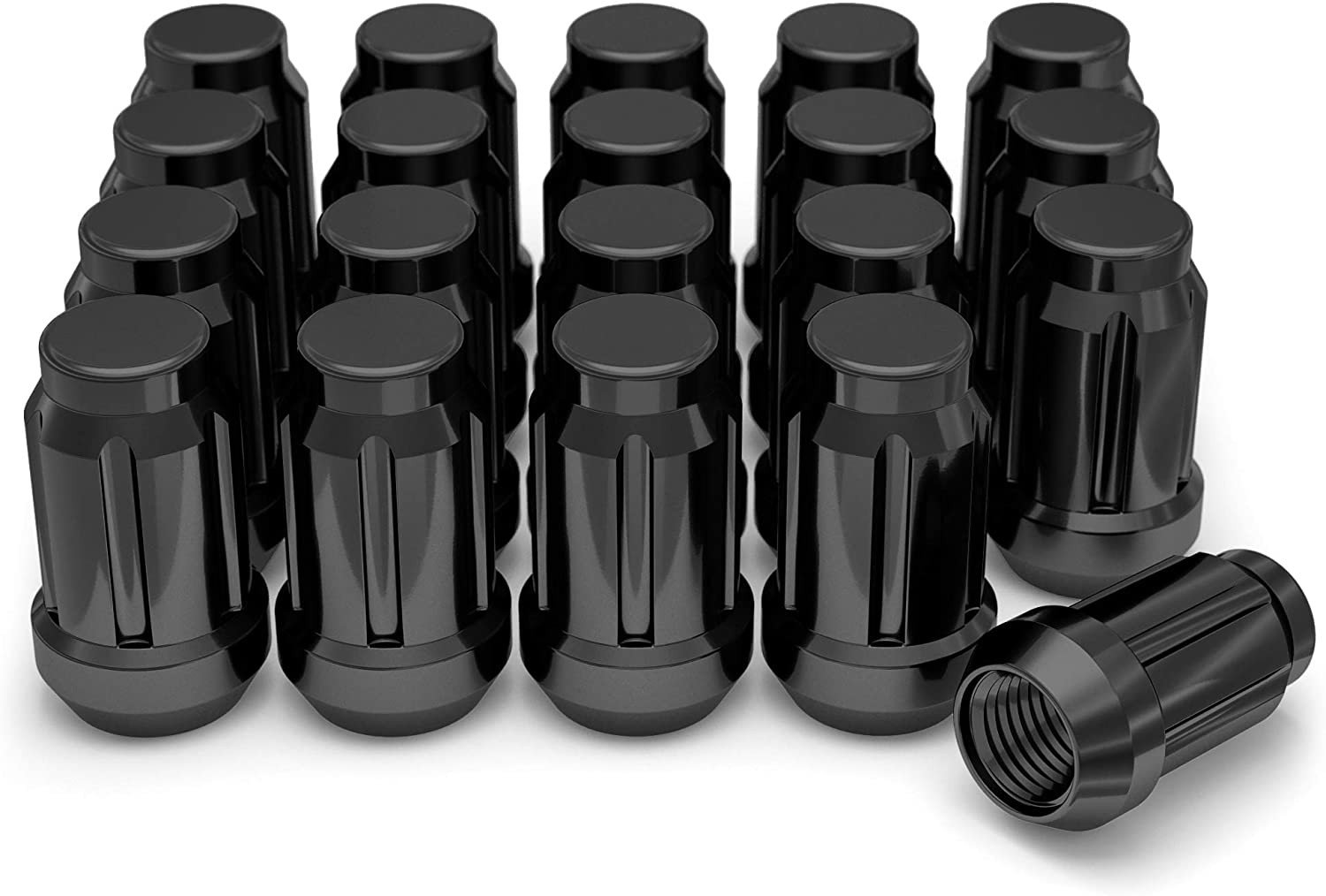
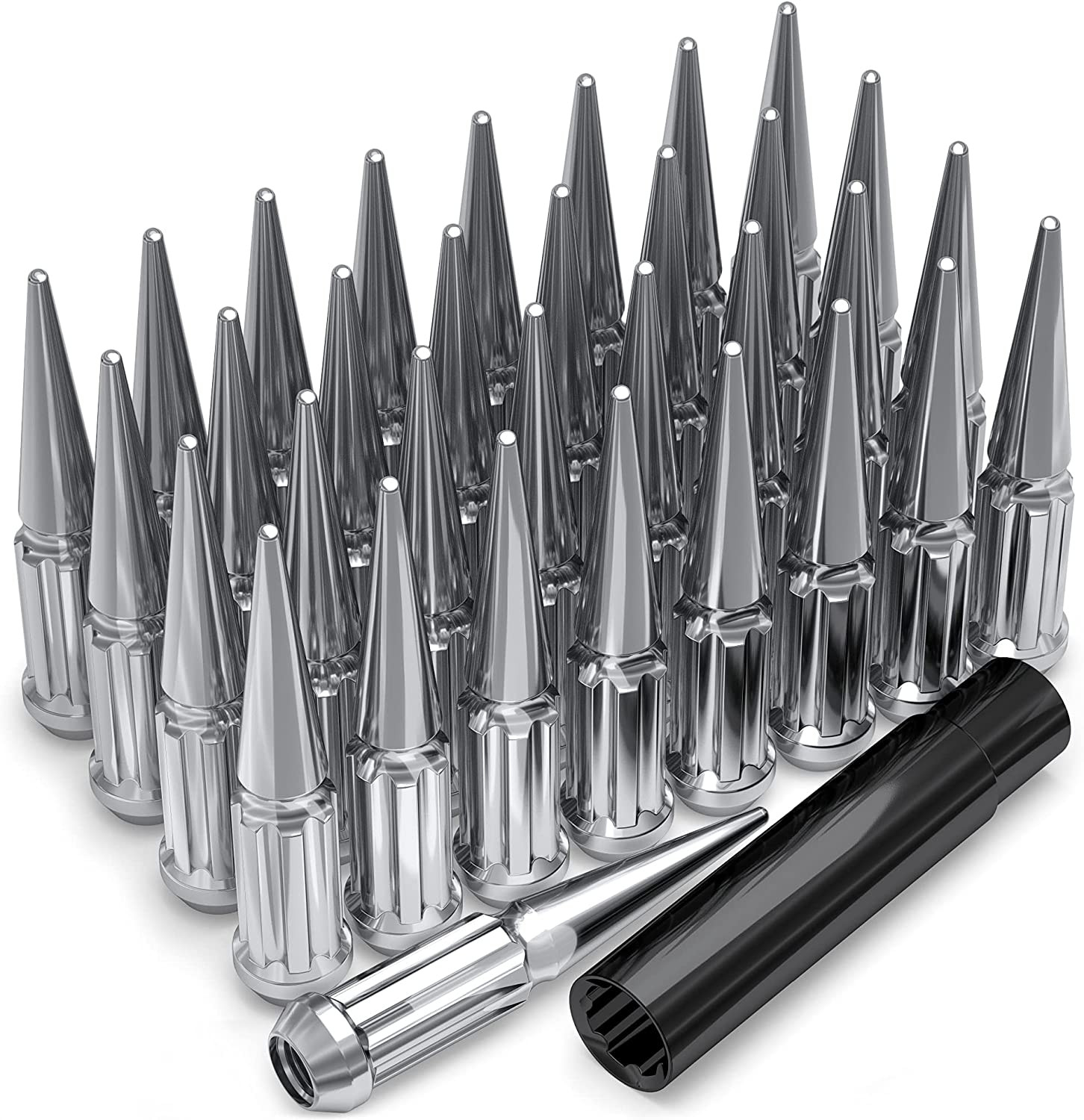
- Check the lug-nut seat type and thread engagement. M12 x 1.5 describes the thread size, but it does not identify the correct lug-seat shape or nut design.
- Inspect used wheels for cracks, bends, corrosion around the bead seat, damaged threads, and repairs.
- Check inner clearance to the strut, spring perch, brake caliper, steering components, and suspension arms.
- Check outer clearance at the fender lip during steering and suspension movement.
- Confirm that the tire does not rub at full steering lock or when the suspension is compressed.
- Make sure the tire diameter is appropriate and that the tire does not contact the vehicle's body or mechanical components.
Plus Sizing And Common Upgrades
Plus sizing means using a larger wheel diameter with a lower-aspect-ratio tire to maintain a similar overall tire diameter. The supplied OEM reference uses a 14-inch rim with a 175 mm section width and a 70 percent aspect ratio. No specific larger wheel or tire combination is confirmed for this vehicle here.
To evaluate an upgrade, enter the proposed rim diameter, width, and offset under Custom wheel size, then enter the proposed tire section width and aspect ratio under Custom tire size. Compare the calculated tire diameter with the known setup and inspect the resulting changes in sidewall height, wheel position, and clearance.
A wider tire or a different offset can move the tire closer to suspension components or the fender. A larger overall diameter can change speedometer readings and available clearance. Before buying, confirm the selected tire manufacturer's approved rim-width range and the wheel manufacturer's load rating and application requirements.
Installation Tips
- Clean the hub face and wheel mounting surface before installation. Remove rust and debris without removing necessary metal.
- Install wheels only with lug hardware that matches the wheel's seat design and the vehicle's thread requirements.
- Thread lug nuts by hand first. Stop if the nut binds, cross-threads, or fails to provide adequate engagement.
- Tighten the lug nuts in a crisscross pattern, then torque them to the vehicle or wheel manufacturer's specified value. That torque value is not provided here and must be confirmed from an OEM or manufacturer source.
- Do not use impact-gun torque as the final tightening method.
- Check for free rotation and clearance before lowering the vehicle completely. Turn the steering from lock to lock where appropriate.
- After installation, check tire pressure and inspect for leaks. Recheck lug torque after the manufacturer-recommended break-in distance or after the first drive, following the applicable service instructions.
- Stop driving if there is rubbing, vibration, loss of pressure, loose hardware, or unusual steering behavior.
Tools And Helpful Supplies
Useful equipment includes a calibrated torque wrench, correctly sized socket, jack and jack stands rated for the vehicle, wheel chocks, a tire-pressure gauge, and a tread-depth gauge. A hub-cleaning brush and a straightedge or measuring tool can also help when inspecting wheel mounting surfaces and clearances.
Search for a calibrated automotive torque wrench or a digital tire-pressure gauge. Verify tool specifications and safe working limits before use.
FAQs
What is the bolt pattern listed for the 2007 Hyundai Accent?
The known bolt pattern provided for this page is 4x100. Confirm it on the vehicle and wheel before purchase, especially if the vehicle has non-original hubs or wheels.
What center bore is listed for this Accent?
The known center bore is 54.1 mm. A wheel with a larger center bore may require correctly sized hub-centric rings, while a wheel with a smaller bore generally will not seat over the hub. Confirm the wheel maker's requirements before using rings.
What wheel offset is listed?
The supplied wheel offset is ET46, or 46 mm. Offset changes the wheel's position relative to the suspension and fender, so wheels with a different offset require a clearance check.
Can any 4x100 wheel fit this vehicle?
No. Matching 4x100 does not by itself confirm fitment. You must also check center bore, diameter, width, offset, load rating, lug-seat design, brake clearance, tire size, and fender and suspension clearance.
Does M12 x 1.5 identify the correct lug nuts?
It identifies the listed thread size and pitch, but not the lug-nut seat style, nut length, washer design, or required torque. Match the hardware to the wheel and verify the specification using Hyundai or wheel manufacturer documentation.
Can I install a larger wheel diameter?
A larger diameter may be possible, but no specific upgrade is confirmed in the supplied data. Use the custom wheel and tire fields in the calculator, compare overall diameter and clearances, and verify the final combination through the wheel and tire manufacturers and a physical test fit.
Why did the calculator change the tire diameter?
The calculator updates tire diameter when the selected rim diameter changes so that the tire comparison reflects the new wheel size. Review the resulting diameter, sidewall, and clearance changes before treating the combination as suitable.
Where can I confirm the final specifications?
Check the driver-door or door-pillar tire label, owner's manual, Hyundai service information, the markings cast or stamped into the wheel, and documentation from the wheel and tire manufacturers. If measurements conflict, do not install the parts until the conflict is resolved.