2009 Hyundai Accent Wheel Fitment Guide
This page summarizes the known OEM wheel and tire specifications for the 2009 Hyundai Accent and explains how to compare replacement or donor wheels safely. The supplied specifications may be partial and can vary by trim, market, or original equipment package. Confirm the information on the vehicle, in the owner’s documentation, or through Hyundai OEM service and parts sources before purchasing.
Known OEM Fitment For 2009 Hyundai Accent
| Specification |
Known value |
| Bolt pattern |
4x100 |
| Center bore |
54.1 mm |
| Thread size |
M12 x 1.5 |
| Rim diameter |
14 inches |
| Rim width |
5.5 inches |
| Wheel offset |
ET46 |
| Backspacing |
4.56 inches |
| Tire size |
175/70R14 |
| Tire section width |
175 mm |
| Tire aspect ratio |
70% |
| Tire rim diameter |
14 inches |
These are the known values supplied for this vehicle page. A complete trim-specific record may also require tire load index, speed rating, wheel fastener seat type, brake-clearance information, and any market-specific equipment details. Those values are not provided here, so verify them before installation.
How To Use The Wheel Interchange Calculator
Use the calculator to compare Wheels from a donor vehicle with Installed on your 2009 Hyundai Accent. Enter the donor wheel information, then review how its bolt pattern, center bore, diameter, width, and offset compare with the known Accent specifications above.
You can also select a custom wheel size and enter a custom rim diameter, width, and offset. For the tire comparison, enter the section width and aspect ratio. When you change the rim diameter, the calculator updates the tire diameter in the comparison. This helps show changes in overall diameter, sidewall height, and likely speedometer effect, but it does not replace a physical test fit.
A calculator result is a screening tool, not a guarantee that a wheel is safe or compatible. Confirm brake clearance, hub fit, fastener compatibility, suspension clearance, fender clearance, and tire load capacity before driving.
Fitment Checklist Before You Buy
Compare the complete wheel and tire specifications rather than relying only on the vehicle name or a seller’s compatibility label.
- Confirm the 4x100 bolt pattern.
- Check that the wheel center bore is suitable for the 54.1 mm hub. A smaller bore will not fit over the hub. A larger bore may require correctly sized hub-centric rings when appropriate.
- Compare wheel width and offset with the known 5.5-inch width and ET46 specification.
- Verify that the wheel clears the brake caliper, rotor, suspension components, and steering components through the full range of motion.
- Check that the tire has adequate load capacity and the correct speed rating for the vehicle.
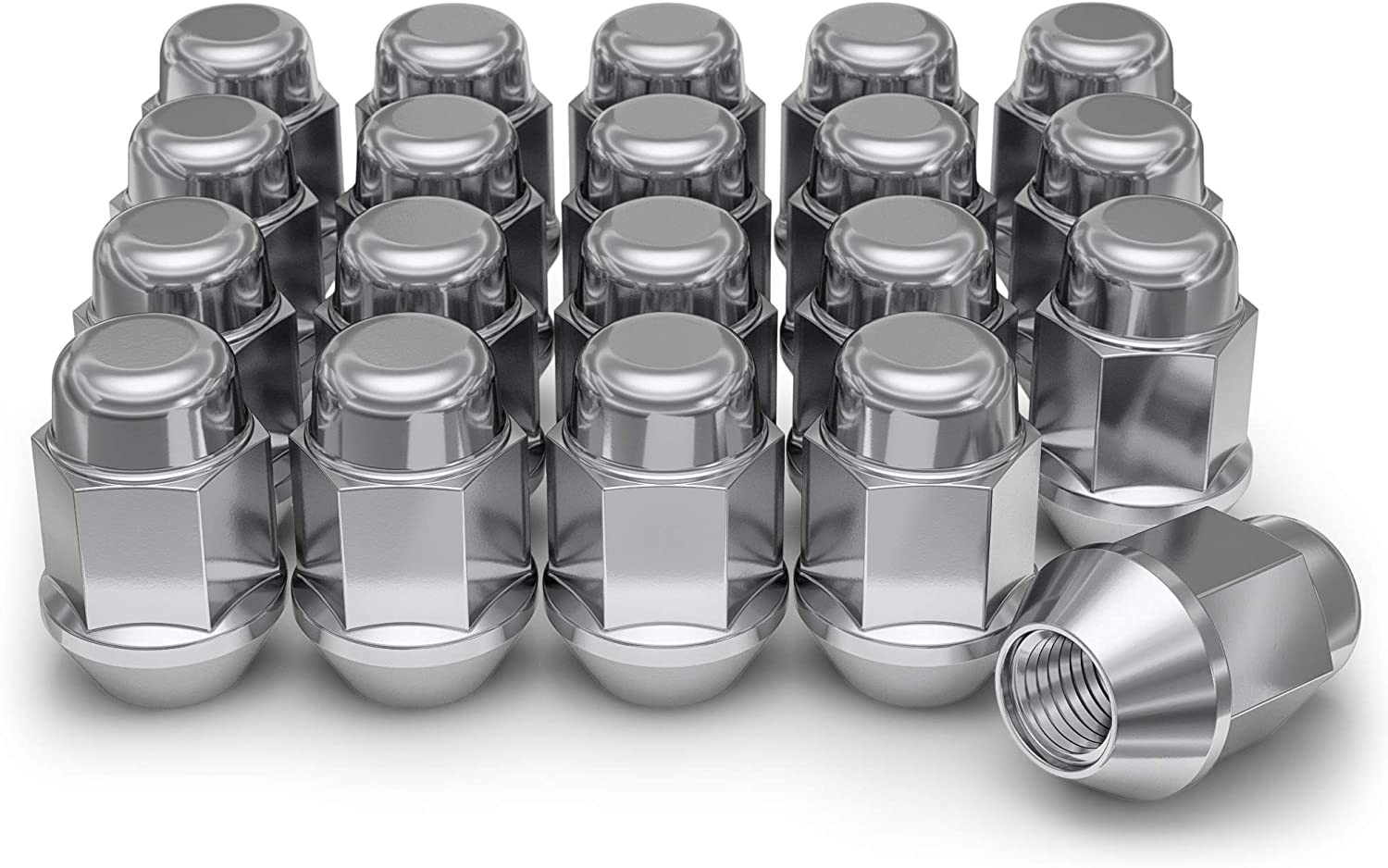
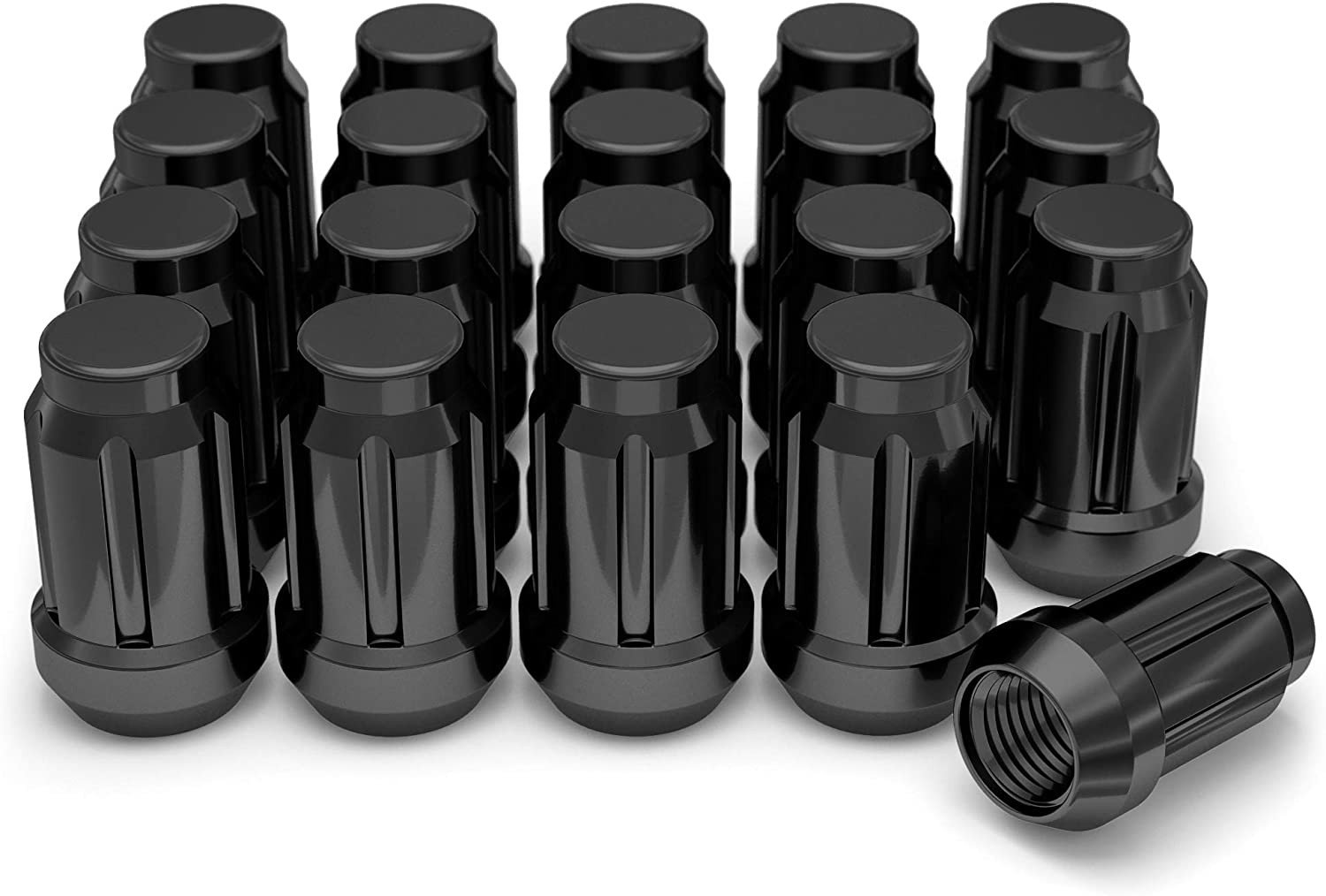
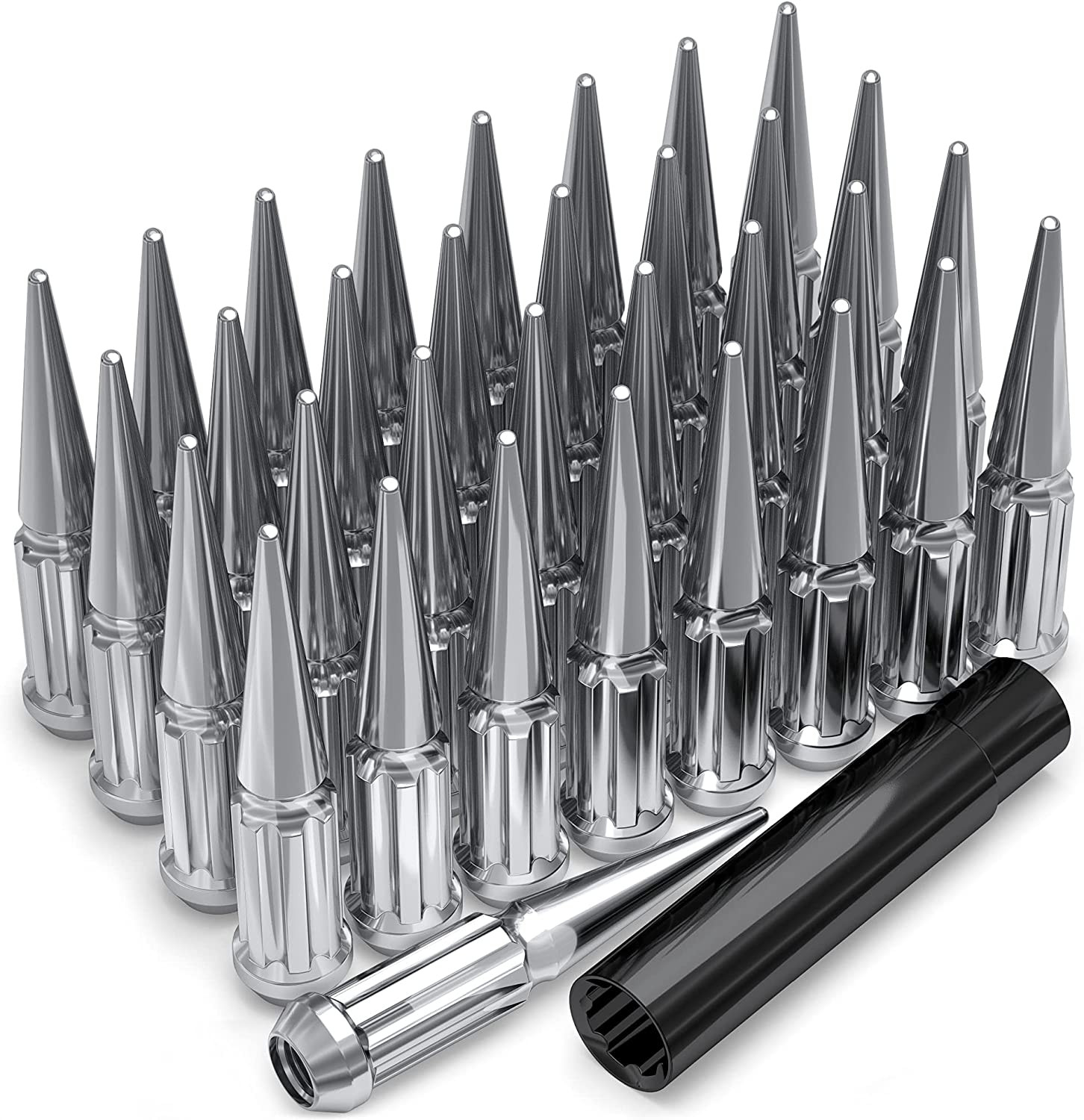
- Inspect the wheel fastener seat and thread engagement. The known thread size is M12 x 1.5, but the correct nut or bolt seat type still must be confirmed.
- Check that the tire does not contact the strut, inner liner, fender, or suspension at full steering lock and under compression.
- Confirm the vehicle placard and OEM documentation for the required cold tire pressure and any trim-specific tire size.
Plus Sizing And Common Upgrades
Plus sizing generally uses a larger rim diameter with a lower-profile tire to keep the overall tire diameter reasonably close to the original. The supplied OEM tire is 175/70R14, but no approved alternative sizes are provided here. Do not treat a calculator comparison as an OEM approval or as a complete list of compatible upgrade sizes.
When considering a larger wheel, compare the calculated overall diameter with the original size and then confirm the physical fit. A larger or wider tire can increase the risk of rubbing, while a different offset can move the wheel inward toward suspension parts or outward toward the fender. Lower-profile tires can also reduce ride comfort and increase the risk of wheel or tire damage from impacts.
Use Hyundai documentation, the vehicle tire-information placard, and a qualified tire or wheel professional to confirm any upgrade. Tire load capacity, clearance, wheel construction, and road-law requirements must all be considered.
Installation Tips
Clean the hub mounting surface and the wheel’s mating surface before installation. Rust, dirt, paint buildup, or debris can prevent the wheel from seating correctly and can contribute to loosening.
Install only the correct fasteners for the wheel design and verify that the threads engage properly without bottoming out. Tighten fasteners in a crisscross pattern, then use the vehicle manufacturer’s specified torque procedure. If the required torque value is not available in your OEM documentation, do not guess.
After installation, check clearance with the steering turned from lock to lock and inspect for contact. Recheck fastener torque after the first short drive and follow the wheel manufacturer’s instructions. Stop driving if you feel vibration, hear rubbing, or notice pulling or loss of tire pressure.
Tools And Helpful Supplies
A torque wrench, properly sized socket, tire-pressure gauge, jack, and approved jack stands are useful for a wheel change. Use jack stands on a solid, level surface and follow the vehicle’s designated lifting points. Never work under a vehicle supported only by a jack.
See a selection of automotive torque wrenches on Amazon for a tool suited to the fastener torque range specified by Hyundai. A digital tire-pressure gauge can help verify pressure after installation, but the vehicle placard remains the reference for the correct cold pressure.
FAQs
What is the bolt pattern for the 2009 Hyundai Accent?
The known bolt pattern is 4x100, meaning four studs or fasteners on a 100 mm pitch circle diameter. Confirm the pattern on the vehicle or through OEM documentation before purchase.
What is the center bore?
The known center bore is 54.1 mm. A wheel with a smaller center bore will not fit over the hub. A larger-bore wheel may need suitable hub-centric rings, depending on the wheel and installation.
What is the original wheel and tire size?
The supplied OEM specification is a 14 x 5.5-inch wheel with ET46 offset and a 175/70R14 tire. Trim and market differences should be checked against the vehicle’s tire placard and OEM records.
Can any 4x100 wheel fit this Hyundai Accent?
No. Bolt pattern is only one part of fitment. Center bore, offset, width, brake clearance, fastener seat, thread engagement, tire load capacity, and fender and suspension clearance must also be correct.
Can I use a wheel with a different offset?
A different offset changes the wheel’s position relative to the suspension and fender. The calculator can help compare the change, but the result must be confirmed with clearance checks and, when necessary, a professional test fit.
Does the calculator confirm that a donor wheel is safe?
No. It compares the specifications entered by the user and shows dimensional differences. It cannot verify hidden damage, wheel construction, brake clearance, fastener compatibility, tire load rating, or the accuracy of donor-vehicle data.
What should I confirm if the trim specification is unknown?
Check the tire-information placard, owner’s manual, Hyundai service or parts information, and the markings on the existing wheel and tire. Use the calculator to compare the confirmed values rather than assuming that every 2009 Hyundai Accent has identical equipment.