2013 Hyundai Accent Wheel Interchange and Fitment Guide
Use this guide to compare replacement wheels and tires for a 2013 Hyundai Accent. The specifications below are the known fitment data supplied for this vehicle, but equipment can vary by trim, market, and factory package. Confirm the original equipment markings on your vehicle before purchasing parts.
Known OEM Fitment For 2013 Hyundai Accent
The following specifications are available for the 2013 Hyundai Accent. They should be treated as reference values, not as proof that every listed dimension belongs to one factory wheel-and-tire package.
| Specification |
Known value |
Important note |
| Bolt pattern |
4x100 |
Four studs on a 100 mm pitch circle diameter |
| Center bore |
54.1 mm |
A larger-bore wheel may require correctly sized hub-centric rings |
| Thread size |
M12 x 1.5 |
Confirm the required lug nut seat and style before installation |
| Known rim diameter |
16 inches |
Trim and market variations are possible |
| Known rim width |
6.0 inches |
Verify the stamped width on the wheel |
| Known wheel offset |
ET52 mm |
Offset affects clearance to suspension parts and the fender |
| Known backspacing |
5.05 inches |
Use offset and actual wheel width when comparing alternatives |
| Known tire section width |
175 mm |
Do not mount a tire unless its approved rim-width range includes the wheel |
| Known tire aspect ratio |
70% |
Aspect ratio is the sidewall height as a percentage of section width |
| Known tire rim diameter |
R14 |
This differs from the known 16-inch rim entry and must be verified before combining dimensions |
The supplied data includes both a 16-inch rim entry and a tire rim diameter of R14. Do not assume that 175/70R14 is the correct tire for a 16-inch wheel, or that the 16-inch wheel specification is the only factory configuration. Check the driver's door-jamb tire label, the current tire sidewall, the wheel markings, the owner's manual, and a Hyundai parts source using the vehicle identification number.
How To Use The Wheel Interchange Calculator
The calculator lets you compare Wheels from a donor vehicle with wheels Installed on your 2013 Hyundai Accent. Use the donor fields to enter the wheel's diameter, width, offset, bolt pattern, and center bore when those values are known. Use the installed-vehicle fields to represent the current or proposed setup.
- Start with the known 2013 Hyundai Accent data, then compare one donor wheel at a time.
- Check the bolt pattern before considering diameter or style. A visual match does not make a wheel safe to install.
- Compare center-bore dimensions. A wheel bore smaller than the hub cannot be installed without a properly engineered solution.
- Use the custom wheel size controls to test rim diameter, width, and offset changes.
- Use the custom tire size controls to test section width and aspect ratio changes.
- When you change rim diameter, review the calculator's updated tire-diameter comparison. A wheel diameter change requires a tire designed for that wheel.
- Treat calculator results as a screening tool. Confirm brake, suspension, fender, tire-load, and speed-rating clearances on the actual vehicle.
Fitment Checklist Before You Buy
- Confirm the vehicle year, make, model, trim, market, and drivetrain where applicable.
- Confirm the wheel uses the 4x100 bolt pattern and the correct M12 x 1.5 hardware specification.
- Measure or verify the center bore. The supplied reference is 54.1 mm.
- Compare wheel diameter, width, offset, and backspacing rather than relying on wheel appearance.
- Check inner clearance to the brake caliper, strut, spring, steering components, and other suspension parts.
- Check outer clearance to the fender, liner, and body during steering and suspension movement.
- Confirm the tire is approved for the wheel's width and diameter.
- Maintain an appropriate tire load index and speed rating. Do not choose a tire solely by section width or appearance.
- Verify the wheel's load rating and inspect used wheels for cracks, bends, corrosion, or damaged mounting seats.
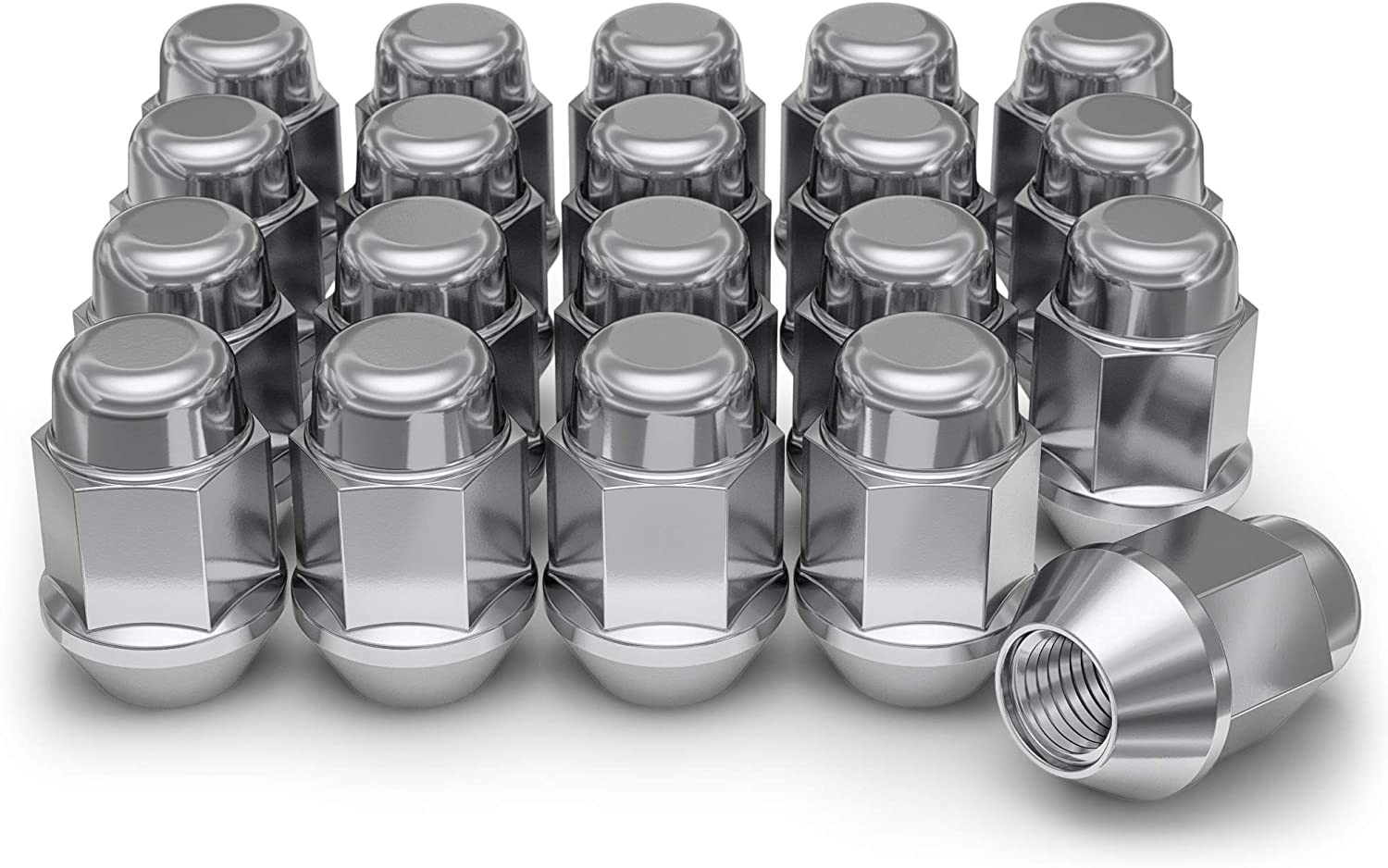
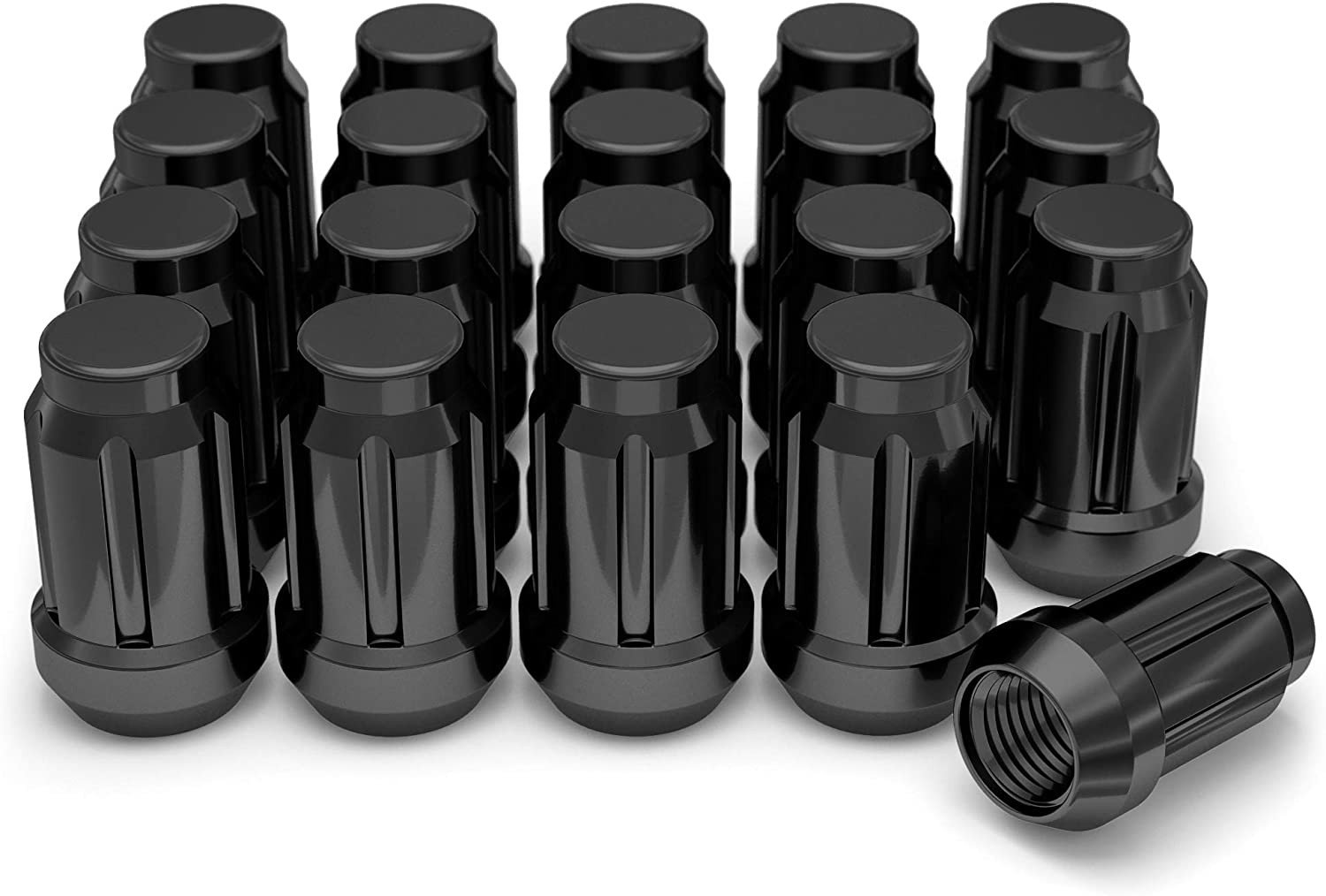
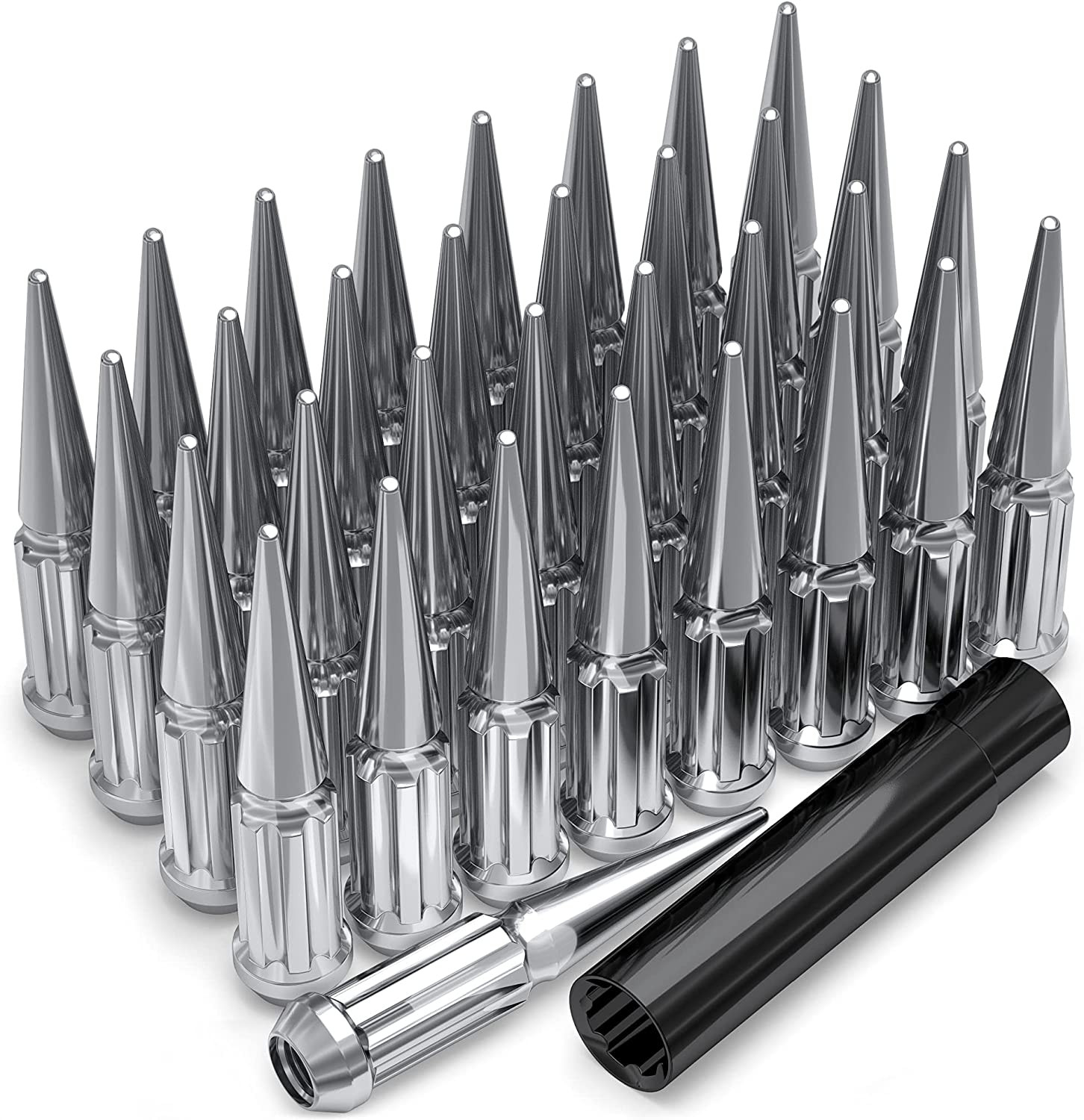
- Confirm lug nut seat type, thread engagement, and any required TPMS components before ordering.
- After installation, check tire pressure using the vehicle manufacturer's recommended cold pressure.
Plus Sizing And Common Upgrades
Plus sizing generally means using a larger wheel diameter with a lower-profile tire while maintaining a similar overall tire diameter. The purpose is usually to preserve speedometer behavior and available clearance while changing wheel appearance or handling response. It is not automatically safe simply because the calculator shows a similar diameter.
For this Accent, the supplied data contains both a known 16-inch rim and a known R14 tire diameter designation. That inconsistency must be resolved from the vehicle's actual tire label and wheel markings before selecting a plus-size combination. Do not infer a factory tire size that was not provided.
When testing a proposed upgrade in the calculator, compare overall diameter, section width, wheel offset, and backspacing. A wider wheel or tire can reduce clearance even when its overall diameter is close to the original. Any final tire size must fit the wheel, carry the vehicle's required load, and clear all components through the full steering and suspension range.
Installation Tips
- Install only wheels and tires that have been confirmed for the vehicle and inspected for damage.
- Clean the hub and wheel mounting surfaces. Rust, dirt, or paint buildup can prevent proper seating.
- Use only the lug hardware specified for the wheel's seat design and the vehicle's M12 x 1.5 thread specification.
- Start every lug nut by hand to avoid cross-threading.
- Snug the hardware in a star or crisscross pattern, lower the vehicle enough to prevent rotation, and torque it using the vehicle or wheel manufacturer's specified value.
- Do not guess the torque specification. If it is not available in the owner's manual or service information, obtain it from a Hyundai service source or the wheel manufacturer.
- Check clearance with the steering turned fully left and right, and inspect for contact after the vehicle is lowered.
- Recheck lug torque after the manufacturer's recommended short-distance inspection interval.
- Set tire pressure from the door-jamb label, not from the maximum pressure molded into the tire sidewall.
- If the vehicle uses tire-pressure monitoring, confirm that the sensors are compatible, installed correctly, and recognized by the vehicle.
Tools And Helpful Supplies
A basic installation may require a properly sized socket, a breaker bar, a calibrated torque wrench, a tire-pressure gauge, and equipment for safely lifting and supporting the vehicle. Use jack stands or an appropriate vehicle lift. Never rely on a jack alone while working underneath or beside the vehicle.
- Automotive torque wrench for final lug tightening
- Automotive tire-pressure gauge for checking cold inflation pressure
- Wheel chocks and correctly rated jack stands
- A socket that matches the verified lug nut size and a breaker bar
- A wire brush or approved hub-cleaning tool for removing corrosion from mounting surfaces
- A tread-depth gauge and flashlight for inspecting used tires and wheels
FAQs
What is the bolt pattern for the 2013 Hyundai Accent?
The supplied OEM fitment value is 4x100. Confirm the vehicle and wheel specifications before purchase, especially when buying used wheels.
What is the center bore?
The supplied center-bore value is 54.1 mm. A larger wheel bore may be workable with correctly sized hub-centric rings, but a wheel bore smaller than the vehicle hub will not fit over the hub.
What lug thread size is listed?
The supplied thread specification is M12 x 1.5. Thread size alone does not identify the correct lug nut seat, overall shape, or required torque.
Can I use the listed 175/70R14 tire on a 16-inch wheel?
No. A tire marked R14 is designed for a 14-inch rim, not a 16-inch rim. The supplied data contains both R14 and 16-inch entries, so verify which configuration applies to the vehicle before ordering.
Is every 4x100 wheel compatible with this Accent?
No. Bolt pattern is only one part of fitment. You must also confirm center bore, wheel width, offset, backspacing, brake and suspension clearance, lug hardware, wheel load rating, and tire compatibility.
How do I compare a donor vehicle's wheels?
Enter the donor dimensions in the calculator's Wheels from fields and compare them with the 2013 Hyundai Accent in the Installed on fields. Review custom diameter, width, offset, and tire settings, then verify the result on the actual vehicle.
Does changing wheel diameter change the tire size?
Yes. The calculator updates the tire-diameter comparison when rim diameter changes. A larger or smaller wheel requires a tire with the matching rim diameter, and the complete tire specification must be checked for clearance and load capacity.
Where can I confirm the correct factory tire and wheel package?
Check the driver's door-jamb label, the current tire and wheel markings, the owner's manual, Hyundai service information, or a Hyundai dealer using the vehicle identification number. These sources can resolve trim and market differences not established by the supplied data.