2010 Hyundai Genesis Coupe Wheel Fitment
Known OEM Fitment For 2010 Hyundai Genesis Coupe
The following wheel and tire information is available for the 2010 Hyundai Genesis Coupe. This is a reference starting point, not a substitute for checking the vehicle label, owner’s manual, wheel markings, and the exact trim level.
| Specification |
Known value |
| Bolt pattern |
5x114.3 |
| Center bore |
66.7 mm |
| Thread size |
M12 x 1.5 |
| Rim diameter |
19 inches |
| Rim width |
8.0 inches |
| Wheel offset |
ET35 |
| Backspacing |
5.38 inches |
| Tire section width |
225 mm |
| Tire aspect ratio |
45 percent |
| Tire rim diameter |
R18 |
The supplied data lists a 19-inch rim diameter and an R18 tire rim diameter. Because a tire must match the diameter of the wheel, confirm which specification applies to your particular Genesis Coupe before ordering. The listed width, offset, and backspacing should also be checked against the original wheel and a reliable OEM source, since these measurements may represent different configurations or records.
Do not install a wheel solely because the bolt pattern matches. The wheel must also clear the brake assembly, fit the hub correctly, provide adequate suspension and body clearance, and accept the selected tire.
How To Use The Wheel Interchange Calculator
Use the wheel interchange calculator on this page to compare a donor vehicle with your 2010 Hyundai Genesis Coupe. Select the donor vehicle under “Wheels from” and select the Genesis Coupe under “Installed on your vehicle.” The comparison helps show how the donor wheel’s diameter, width, and offset may change its position relative to the vehicle.
- Enter or select the donor wheel diameter, width, and offset.
- Compare those values with the known Genesis Coupe measurements, while confirming the correct trim and wheel package.
- Use the custom wheel size controls to test a different rim diameter, width, or offset.
- Use the custom tire size controls to enter section width and aspect ratio.
- Review the calculated changes in inner clearance, outer position, and overall tire diameter where available.
- Remember that changing rim diameter updates the tire diameter in the comparison. Select a tire with the same rim diameter as the wheel being tested.
The calculator is a comparison tool, not a guarantee of physical fitment. Confirm brake clearance, steering clearance, suspension travel, fender clearance, load rating, and tire manufacturer requirements before installation.
Fitment Checklist Before You Buy
- Confirm the vehicle is a 2010 Hyundai Genesis Coupe and verify the exact trim, brake package, and original wheel package.
- Match the 5x114.3 bolt pattern. A different pattern is not made safe by using force or improperly fitted hardware.
- Check the wheel center bore against the 66.7 mm hub measurement. A larger bore may require correctly sized hub-centric rings, while a smaller bore will not fit over the hub.
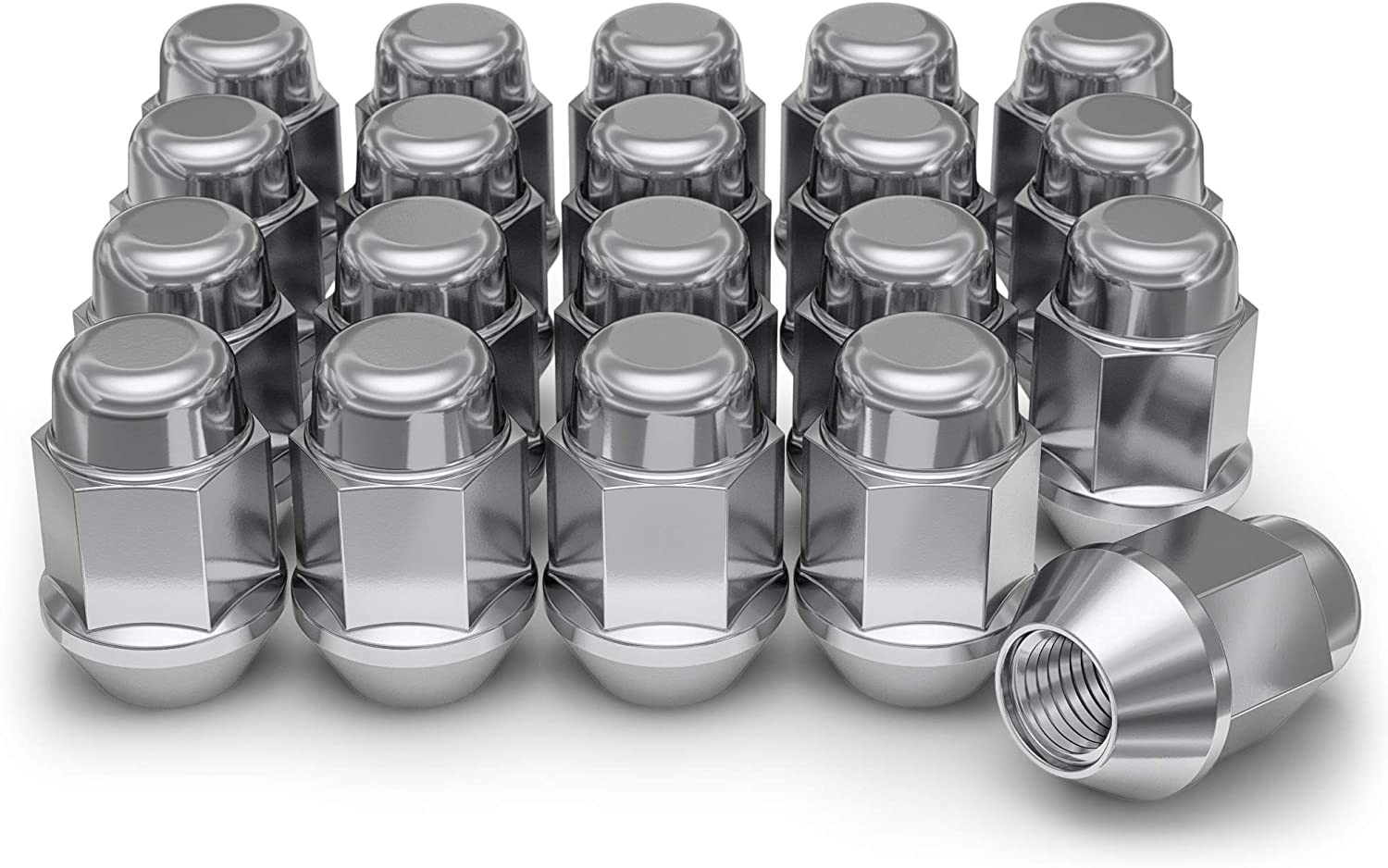
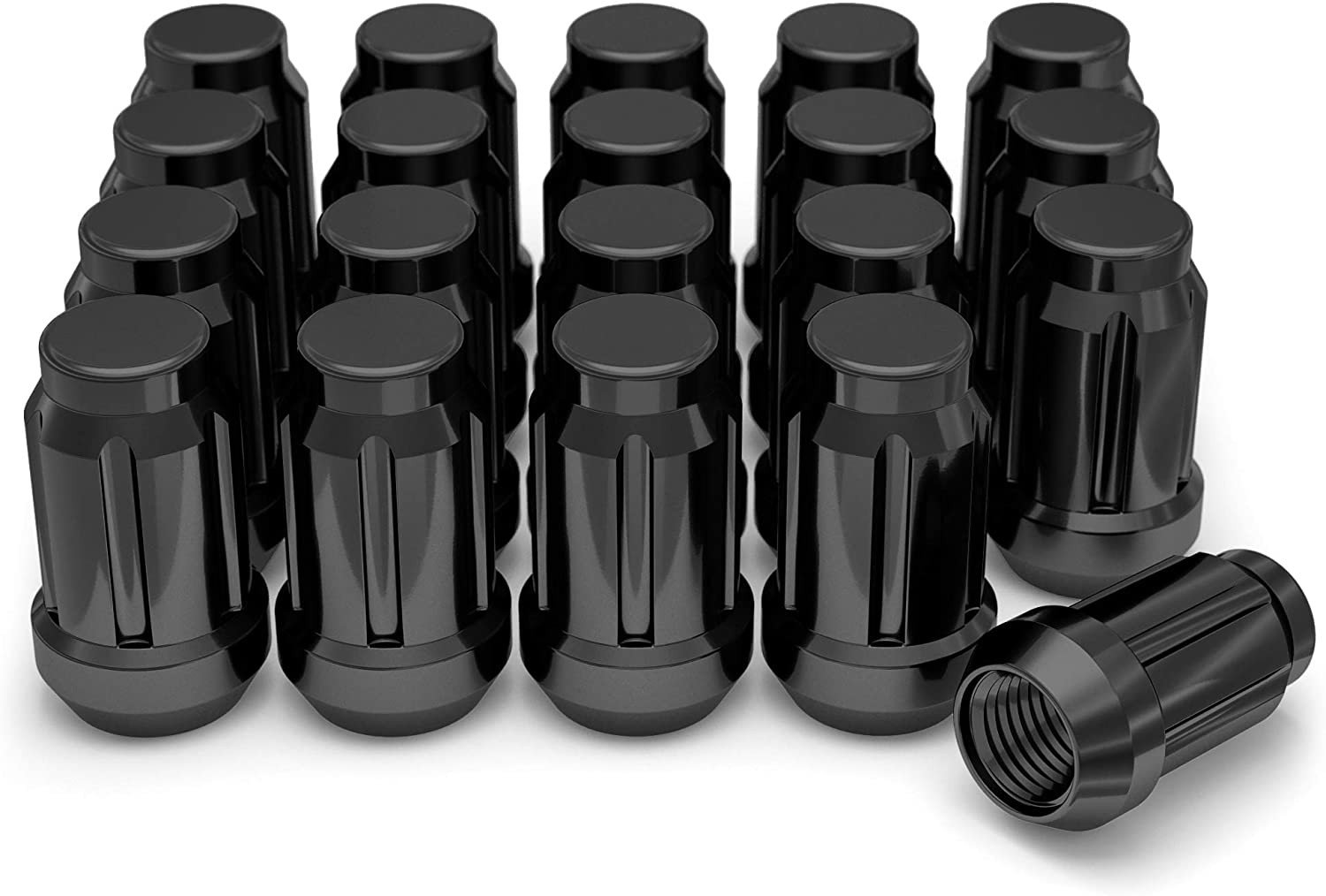
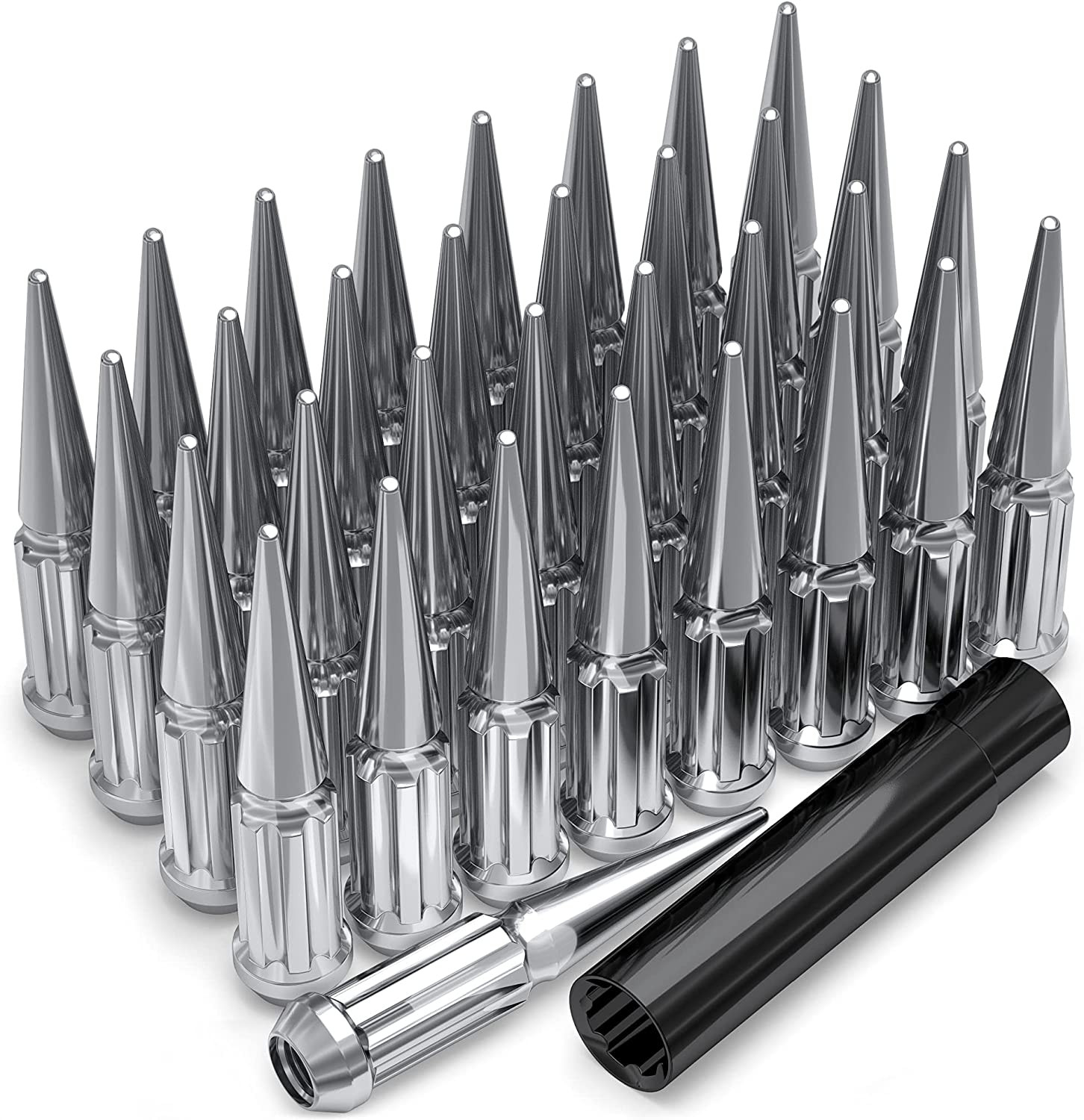
- Confirm the wheel uses compatible M12 x 1.5 wheel hardware and the correct seat type. Do not assume that existing lug nuts fit an aftermarket wheel.
- Verify diameter, width, offset, and backspacing from the wheel manufacturer. Do not rely only on an online listing title.
- Check inner clearance to the strut, spring, control arms, and brake caliper.
- Check outer clearance to the fender lip and inner liner through the full steering range and suspension movement.
- Confirm tire load index, speed rating, approved rim width range, and overall diameter.
- Inspect for damage, bends, cracks, corrosion, and previous repairs on used wheels.
- After installation, verify that the tire does not rub and that the wheel rotates freely before driving at road speed.
Plus Sizing And Common Upgrades
Plus sizing changes the wheel diameter while maintaining a similar overall tire diameter by using a lower tire sidewall. It can improve steering response and appearance, but it may reduce ride comfort and increase the risk of wheel or tire damage from potholes.
For this vehicle, do not assume that a listed 19-inch wheel and an R18 tire are interchangeable. An 18-inch tire must be mounted on an 18-inch wheel, and a 19-inch tire must be mounted on a 19-inch wheel. Use the calculator to compare the proposed wheel and tire combination with the verified original setup.
Wider wheels and tires can improve dry-road grip but may create clearance problems, steering kickback, extra road noise, or rubbing. Lowering springs, coilovers, spacers, big-brake kits, and altered alignment can further change fitment. Recheck clearance whenever suspension or brake components are modified.
Wheel spacers should not be treated as a universal solution for poor offset. They change effective offset and increase wheel bearing and hardware demands. If spacers are used, select a properly engineered, hub-centric product with compatible extended hardware and follow the manufacturer’s installation instructions.
Installation Tips
- Clean the hub face and wheel mounting surface. Remove rust, dirt, paint buildup, and debris that could prevent the wheel from seating flat.
- Test-fit one wheel on the front and rear axle before mounting all four. Check caliper, strut, suspension, and fender clearance.
- Install the correct lug nuts or bolts for the wheel’s seat design. Never mix incompatible conical, ball-seat, or other hardware types.
- Thread the hardware by hand first to prevent cross-threading.
- Tighten in a star or crisscross pattern, then torque to the vehicle or wheel manufacturer’s specified value. The correct torque is not provided here, so confirm it in an OEM service source or the wheel manufacturer’s instructions.
- Set tire pressure using the vehicle placard or an approved tire fitment recommendation, not the maximum pressure molded into the tire sidewall.
- Check that the tire pressure monitoring system functions correctly if the wheel change affects its sensors.
- Lower the vehicle fully, recheck torque as specified by the manufacturer, and inspect for rubbing during slow turns and careful suspension movement.
- Recheck lug hardware torque after the initial driving period recommended by the wheel manufacturer.
Tools And Helpful Supplies
Useful supplies include a calibrated torque wrench, a suitable socket set, a jack and axle stands rated for the vehicle, wheel chocks, a tire pressure gauge, and a small flashlight for clearance checks. A thread-compatible lug-nut socket and a soft brush can help prevent damage while cleaning the hub and wheel mounting faces.
Shop automotive torque wrenches on Amazon
Shop automotive tire pressure gauges on Amazon
Use jack stands on a solid, level surface and never work under a vehicle supported only by a jack. If hub-centric rings are needed, measure both the vehicle hub and wheel center bore and select the exact dimensions rather than guessing.
FAQs
What is the bolt pattern for the 2010 Hyundai Genesis Coupe?
The known bolt pattern is 5x114.3. Confirm the marking and application before purchasing wheels because bolt pattern alone does not establish complete fitment.
What is the center bore?
The supplied center bore is 66.7 mm. A wheel with a smaller center bore will not fit over the hub. A larger center bore may need correctly sized hub-centric rings if the wheel manufacturer requires them.
What lug thread size is listed?
The known thread size is M12 x 1.5. The correct lug nut also depends on the wheel’s seat type, stud engagement, and manufacturer requirements.
Can I use an 18-inch tire on a 19-inch wheel?
No. The tire rim diameter must match the wheel diameter. The supplied records list both a 19-inch rim diameter and an R18 tire rim diameter, so verify the correct wheel and tire package before ordering.
Will any 5x114.3 wheel fit this Genesis Coupe?
No. In addition to the bolt pattern, you must verify center bore, offset, width, backspacing, brake clearance, suspension clearance, fender clearance, wheel hardware, and tire specifications.
How do I compare aftermarket wheels with the original setup?
Enter the donor vehicle and wheel under “Wheels from,” then select the Genesis Coupe under “Installed on your vehicle.” You can also enter custom wheel diameter, width, and offset, plus custom tire section width and aspect ratio. Treat the result as a screening tool and complete a physical test fit.
Does wheel offset affect clearance?
Yes. Offset changes how far the wheel sits inward or outward. A lower offset generally moves the wheel outward, while a higher offset generally moves it inward, but the actual result must be checked with wheel width, tire shape, brake clearance, and suspension geometry.
Where can I confirm the final specifications?
Check the vehicle certification label, tire and loading information label, owner’s manual, OEM service information, the markings on the original wheel, and documentation from the wheel and tire manufacturers. If the sources disagree, pause the purchase and have a qualified tire or wheel technician verify the vehicle.