2011 Hyundai Genesis Coupe Wheel Fitment Guide
Use this page to compare wheel and tire dimensions for a 2011 Hyundai Genesis Coupe. The specifications below are the known data provided for this vehicle, but fitment can vary by trim, brake package, market, and wheel design. Always confirm the vehicle placard, owner’s manual, and OEM or manufacturer catalog before purchasing.
Known OEM Fitment For 2011 Hyundai Genesis Coupe
The following specifications are available for comparison:
| Specification |
Known value |
| Bolt pattern |
5x114.3, meaning 5 studs on a 114.3 mm pitch circle diameter |
| Center bore |
66.7 mm |
| Thread size |
M12 x 1.5 |
| Rim diameter |
19 inches |
| Rim width |
8.0 inches |
| Wheel offset |
ET35, or 35 mm positive offset |
| Backspacing |
5.38 inches |
| Tire section width |
225 mm |
| Tire aspect ratio |
45 percent |
| Tire rim diameter listed in the supplied data |
R18 |
There is an internal mismatch in the supplied data: the listed wheel diameter is 19 inches, while the listed tire size components indicate a 225/45R18 tire. A 225/45R18 tire is designed for an 18-inch wheel and cannot be mounted on a 19-inch wheel. Treat these values as separate or incomplete records until confirmed against the door-jamb tire placard, owner’s manual, original wheel markings, or an OEM parts source. Do not order tires or wheels based on the conflicting diameter values alone.
The bolt pattern, center bore, thread size, offset, and brake clearance must all be suitable. A wheel with the correct bolt pattern can still fail to fit because of center-bore differences, spoke clearance, barrel clearance, offset, or load rating.
How To Use The Wheel Interchange Calculator
Use the calculator to compare Wheels from a donor vehicle with Installed on your 2011 Hyundai Genesis Coupe. Enter the donor wheel’s diameter, width, offset, bolt pattern, and center-bore information when available. Then enter the known or verified specifications for your Hyundai.
The calculator also allows you to set a custom wheel size and custom tire size. Use the custom wheel fields to test changes to rim diameter, rim width, and offset. Use the custom tire fields for section width and aspect ratio. When rim diameter changes, the calculator updates the tire diameter used in the comparison, so review the resulting tire dimensions rather than comparing wheel diameter alone.
For this vehicle, begin with the known 5x114.3 bolt pattern and 66.7 mm center bore. Enter ET35 and 8.0 inches only when those values match the specific wheel or verified vehicle record you are evaluating. If a donor specification is unknown, leave it unconfirmed and verify it from the wheel manufacturer or OEM catalog instead of assuming it matches.
Calculator results are a dimensional screening tool, not a substitute for a physical test fit. Confirm caliper clearance, inner suspension clearance, outer fender clearance, tire load rating, and speed rating before driving.
Fitment Checklist Before You Buy
Confirm the following details for both the vehicle and the replacement wheel:
- Verify the vehicle year, model, trim, drivetrain, and brake package.
- Match the 5x114.3 bolt pattern. Do not force a wheel with a different pattern.
- Confirm the wheel center bore. A wheel bore smaller than 66.7 mm will not fit over the hub. A larger bore may require correctly specified hub-centric rings.
- Check wheel width, diameter, and offset. Offset changes inner suspension clearance and outer fender position.
- Confirm the wheel’s load rating meets or exceeds the vehicle requirement.
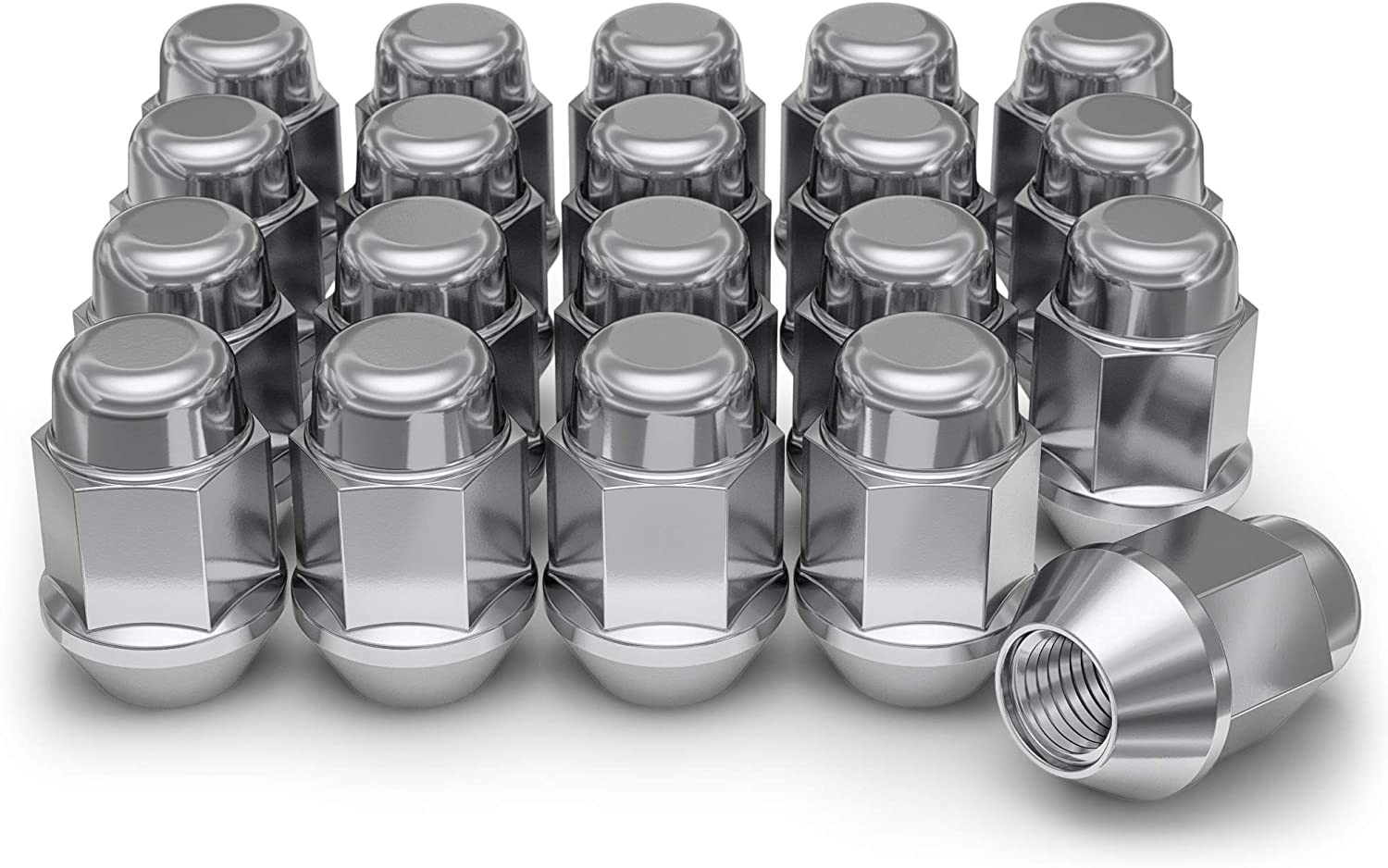
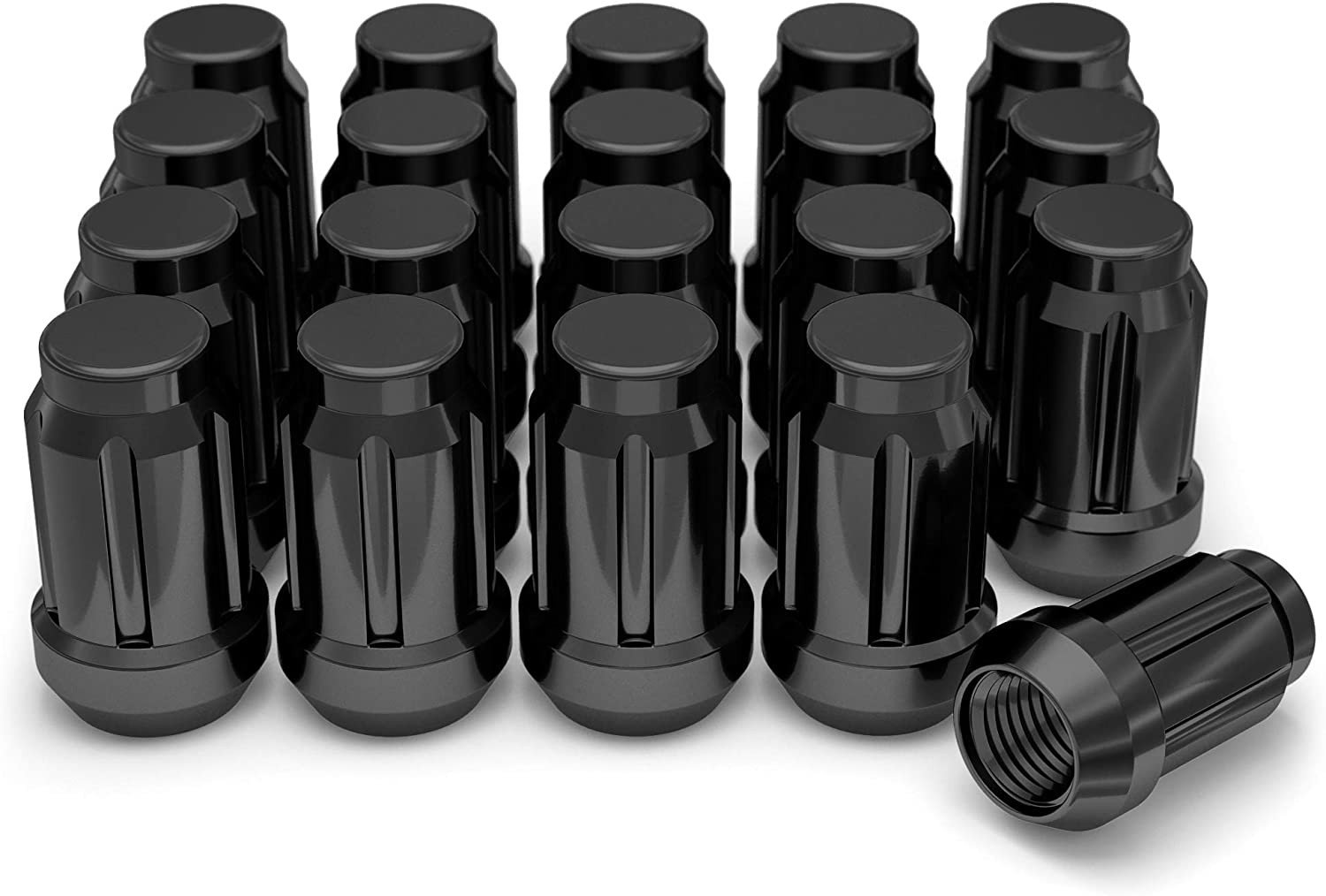
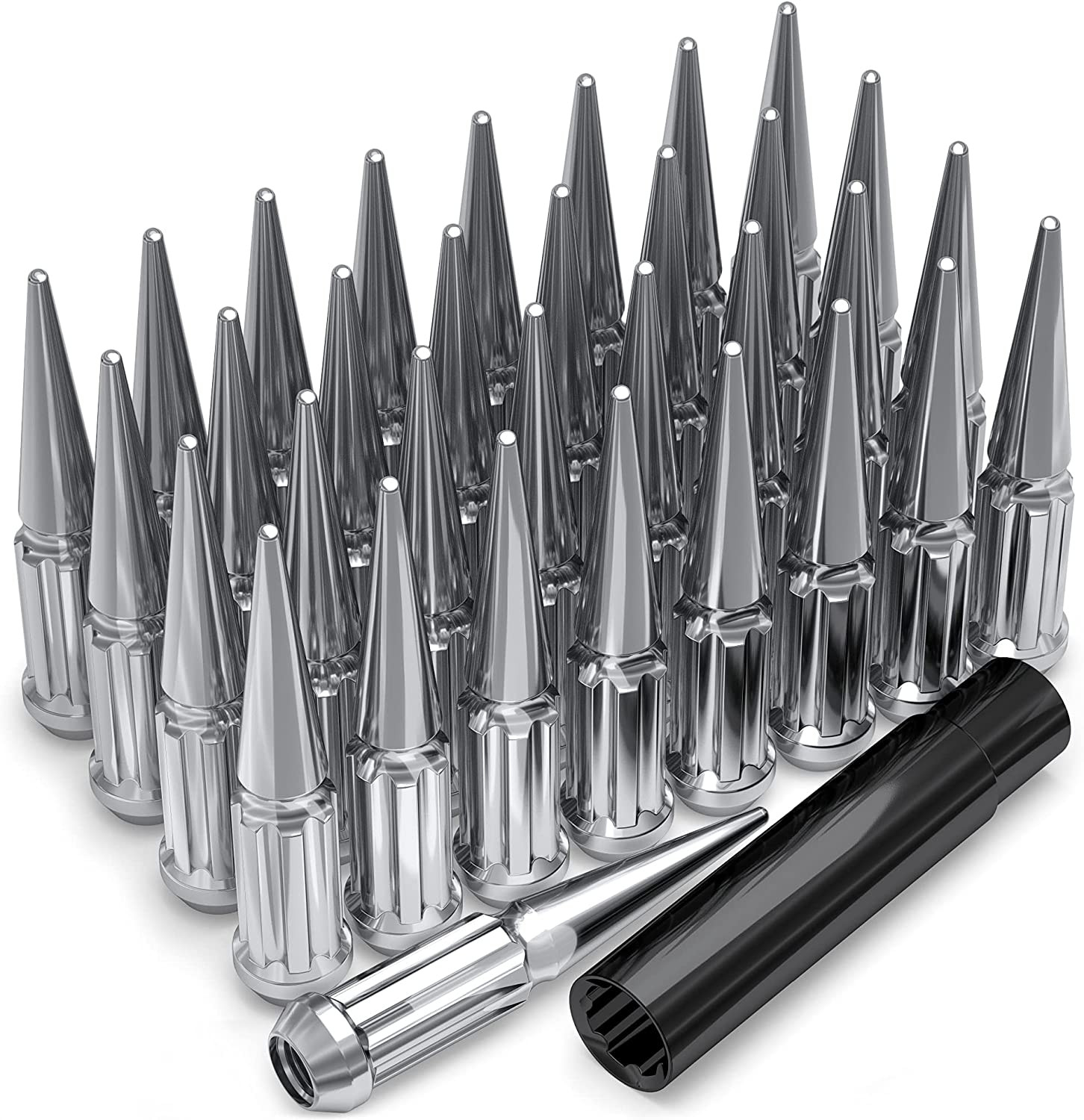
- Verify that the wheel’s lug-seat type matches the required lug nuts. Thread size alone does not identify the correct seat.
- Check brake caliper and rotor clearance with the exact wheel design, not just its advertised dimensions.
- Confirm the replacement tire’s rim diameter matches the wheel. The supplied 19-inch wheel value and R18 tire value must be resolved before purchase.
- Check tire section width, aspect ratio, load index, speed rating, and overall diameter against OEM guidance.
- After installation, check steering lock-to-lock clearance and inspect for contact through suspension travel.
Plus Sizing And Common Upgrades
Plus sizing changes the wheel diameter while selecting a tire with a lower sidewall to keep overall tire diameter reasonably close to the verified original. It is not enough to choose a larger wheel that shares the bolt pattern. The tire must fit the wheel width, maintain adequate load capacity, and clear the vehicle under compression and steering movement.
The supplied data requires special care because it contains a 19-inch rim value alongside an R18 tire value. Before considering a plus-size setup, verify whether the intended baseline is an 18-inch or 19-inch package. Use the calculator to compare section width, aspect ratio, rim diameter, and estimated tire diameter, then confirm the result with the vehicle placard and tire manufacturer specifications.
Common upgrade considerations include a wider wheel, a different positive offset, a larger wheel diameter, or a higher-performance tire. Each change can affect steering feel, ride comfort, fender clearance, wheel-bearing loads, and speedometer accuracy. Avoid selecting a wheel solely because it appears on another vehicle with the same bolt pattern.
Installation Tips
Inspect every wheel for cracks, bends, corrosion, damaged lug seats, and missing manufacturer markings before installation. Clean the hub mounting face and the wheel mounting pad so rust or debris does not create runout.
Use the correct lug nuts for the wheel’s seat design and the vehicle’s M12 x 1.5 thread specification. Start each lug nut by hand to prevent cross-threading. Tighten in a star or crisscross pattern, then use a calibrated torque wrench set to the vehicle or wheel manufacturer’s specified torque. Do not guess the torque value.
With the vehicle safely raised and supported, rotate each wheel by hand and inspect the inner barrel, spokes, brake caliper, strut, and suspension components. Lower the vehicle, recheck torque, and inspect for contact during a slow test drive. Recheck lug torque after the first short drive and again according to the wheel manufacturer’s instructions.
Tools And Helpful Supplies
Useful equipment includes a calibrated torque wrench, correctly sized socket, jack and axle stands or an approved lift, a tire-pressure gauge, a tread-depth gauge, a straightedge or clearance measuring tool, and a wire brush for cleaning the hub face. Use wheel chocks and follow safe lifting points specified by Hyundai.
A proper automotive torque wrench helps prevent under-tightening and over-tightening. A hub-centric ring sizing search may be useful only when a confirmed replacement wheel has a larger center bore. Hub rings do not correct an incorrect bolt pattern, offset, brake clearance problem, or undersized center bore.
FAQs
What is the bolt pattern for the 2011 Hyundai Genesis Coupe?
The supplied fitment data lists a 5x114.3 bolt pattern. Confirm the vehicle and trim before ordering, and never use wheel bolts or adapters as a substitute for a correctly fitting wheel unless an appropriately engineered and approved system is specifically required.
What center bore is listed for this vehicle?
The supplied center bore is 66.7 mm. A smaller wheel bore will not pass over the hub. A larger bore may require properly sized hub-centric rings, but rings cannot solve other fitment problems.
What wheel size is listed for the 2011 Genesis Coupe?
The supplied wheel data lists a 19-inch diameter, 8.0-inch width, ET35 offset, and 5.38-inch backspacing. Because the supplied tire data lists R18, verify the original wheel and tire package before relying on these dimensions.
Can a 225/45R18 tire be installed on a 19-inch wheel?
No. The final number in a tire size identifies the wheel diameter, so a 225/45R18 tire requires an 18-inch wheel. A 19-inch wheel requires a tire ending in R19. Select the tire only after confirming the correct wheel diameter and the vehicle’s approved tire sizes.
Does a matching 5x114.3 pattern guarantee that a donor wheel fits?
No. Center bore, offset, width, brake clearance, lug-seat design, load rating, and tire clearance also matter. Use the calculator for an initial dimensional comparison, then verify the donor wheel’s specifications and perform a careful physical clearance check.
Are the listed specifications correct for every 2011 Hyundai Genesis Coupe?
They are the known values supplied for this page, but they may be incomplete or may vary by trim, brake package, market, or equipment. Confirm the tire placard, owner’s manual, original wheel markings, and Hyundai or wheel manufacturer documentation for the exact vehicle.
What should I do if the calculator shows a possible fit?
Use the result as a screening guide only. Confirm wheel load rating, lug compatibility, brake and suspension clearance, fender clearance, tire load and speed ratings, and the absence of rubbing through steering and suspension travel before regular use.