2019 Chevrolet Camaro
Direct Fit- Bolt pattern5x120 · Match
- Center bore66.9 mm · Match
- Wheel geometryCompatible with OEM envelope
Geometry within known OEM envelope (approx. outer change 4.68 mm, inner change 1.67 mm vs mid OEM).
Baseline mounting dimensions used for interchange decisions.
Multiple OEM configurations exist for this vehicle. Fitment can vary by trim, brakes, and factory wheel package – confirm your exact setup before buying.
Results are evaluated from bolt pattern, center bore direction, OEM width/offset envelope, and lug hardware – not bolt pattern alone.
Geometry within known OEM envelope (approx. outer change 4.68 mm, inner change 1.67 mm vs mid OEM).
Geometry within known OEM envelope (approx. outer change -1.67 mm, inner change -4.68 mm vs mid OEM).
Geometry within known OEM envelope (approx. outer change 4.68 mm, inner change 1.67 mm vs mid OEM).
Geometry within known OEM envelope (approx. outer change -1.67 mm, inner change -4.68 mm vs mid OEM).
Geometry within known OEM envelope (approx. outer change 4.68 mm, inner change 1.67 mm vs mid OEM).
Geometry within known OEM envelope (approx. outer change 4.68 mm, inner change 1.67 mm vs mid OEM).
Geometry within known OEM envelope (approx. outer change 1.67 mm, inner change 4.68 mm vs mid OEM).
Geometry within known OEM envelope (approx. outer change 1.67 mm, inner change 4.68 mm vs mid OEM).
Geometry within known OEM envelope (approx. outer change 1.67 mm, inner change 4.68 mm vs mid OEM).
Geometry within known OEM envelope (approx. outer change 1.67 mm, inner change 4.68 mm vs mid OEM).
Required part70.3 → 66.9 mm hub-centric rings
Required: 70.3 → 66.9 mm hub-centric rings. Donor width/offset sits outside the known OEM envelope for this vehicle.
Potential requirementWheel spacer ≈ 29.38 mm
Potential requirement: 29.38 mm wheel spacer. Estimated outer position is about 29.38 mm farther inward than the mid OEM package.
Potential requirementWheel spacer ≈ 29.38 mm
Potential requirement: 29.38 mm wheel spacer. Estimated outer position is about 29.38 mm farther inward than the mid OEM package.
Potential requirementWheel spacer ≈ 37.38 mm
Potential requirement: 37.38 mm wheel spacer. Estimated outer position is about 37.38 mm farther inward than the mid OEM package.
Potential requirementWheel spacer ≈ 37.38 mm
Potential requirement: 37.38 mm wheel spacer. Estimated outer position is about 37.38 mm farther inward than the mid OEM package.
Potential requirementWheel spacer ≈ 37.38 mm
Potential requirement: 37.38 mm wheel spacer. Estimated outer position is about 37.38 mm farther inward than the mid OEM package.
Potential requirementWheel spacer ≈ 36.38 mm
Potential requirement: 36.38 mm wheel spacer. Estimated outer position is about 36.38 mm farther inward than the mid OEM package.
Potential requirementWheel spacer ≈ 36.38 mm
Potential requirement: 36.38 mm wheel spacer. Estimated outer position is about 36.38 mm farther inward than the mid OEM package.
Potential requirementWheel spacer ≈ 36.38 mm
Potential requirement: 36.38 mm wheel spacer. Estimated outer position is about 36.38 mm farther inward than the mid OEM package.
Potential requirementWheel spacer ≈ 36.38 mm
Potential requirement: 36.38 mm wheel spacer. Estimated outer position is about 36.38 mm farther inward than the mid OEM package.
Potential requirementWheel spacer ≈ 36.38 mm
Potential requirement: 36.38 mm wheel spacer. Estimated outer position is about 36.38 mm farther inward than the mid OEM package.
Potential requirementWheel spacer ≈ 36.38 mm
Potential requirement: 36.38 mm wheel spacer. Estimated outer position is about 36.38 mm farther inward than the mid OEM package.
Potential requirementWheel spacer ≈ 36.38 mm
Potential requirement: 36.38 mm wheel spacer. Estimated outer position is about 36.38 mm farther inward than the mid OEM package.
Bolt pattern data is incomplete for a full interchange decision.
Showing 24 of 35 evaluated donors. Same-model years are prioritized.
Only years with evidence-based interchange relationships are listed. Adjacent years are not assumed compatible.
Compare a donor vehicle or custom wheel against this 2020 Chevrolet Camaro.
Compare wheel compatibility between two vehicles
2020 Chevrolet Camaro





Products below are matched to required fitment dimensions from our parts inventory. Confirm seat style, thickness, and clearance before ordering.
M14 x 1.5
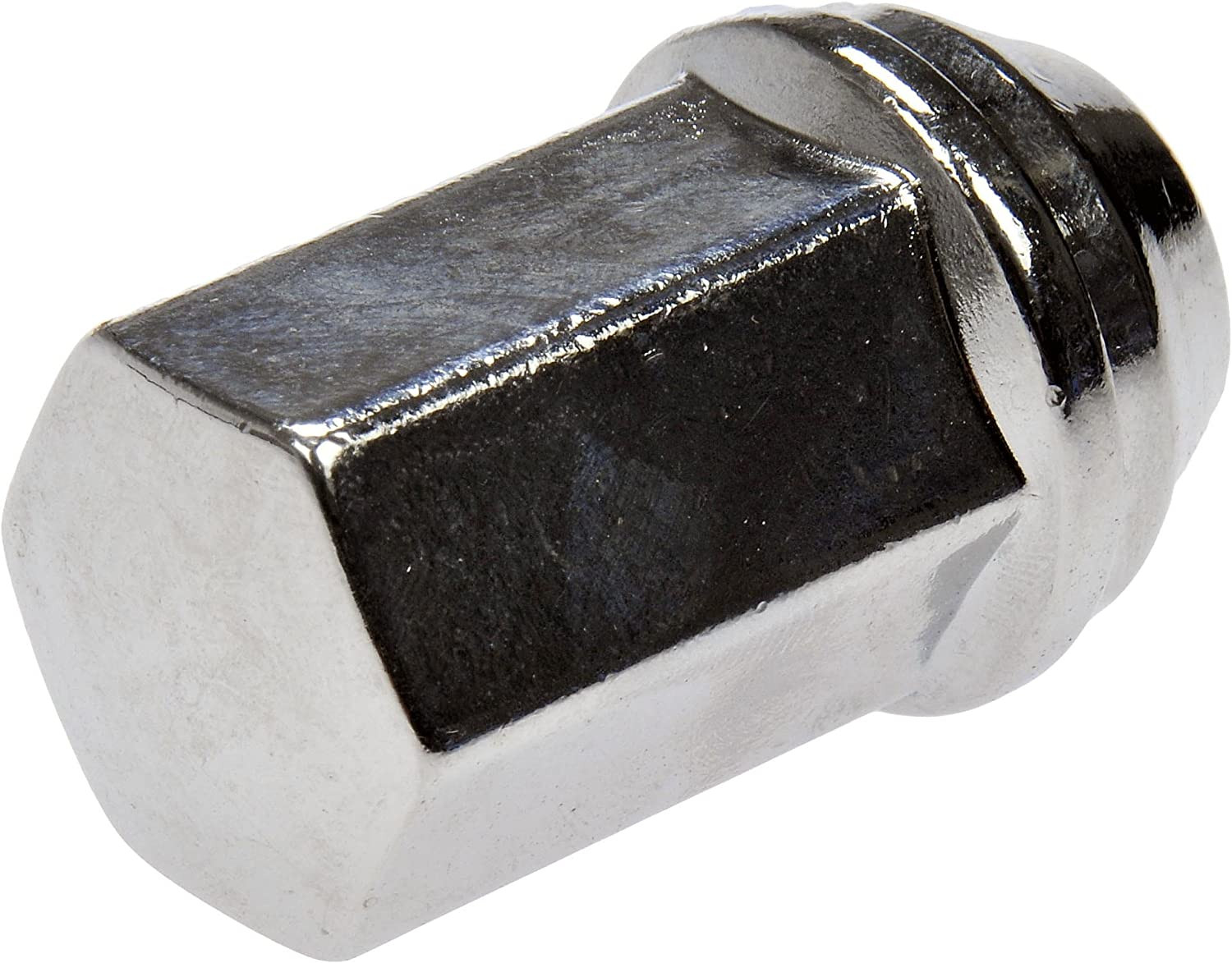
M14 x 1.5 · Confirm wheel seat style before ordering
View on Amazon →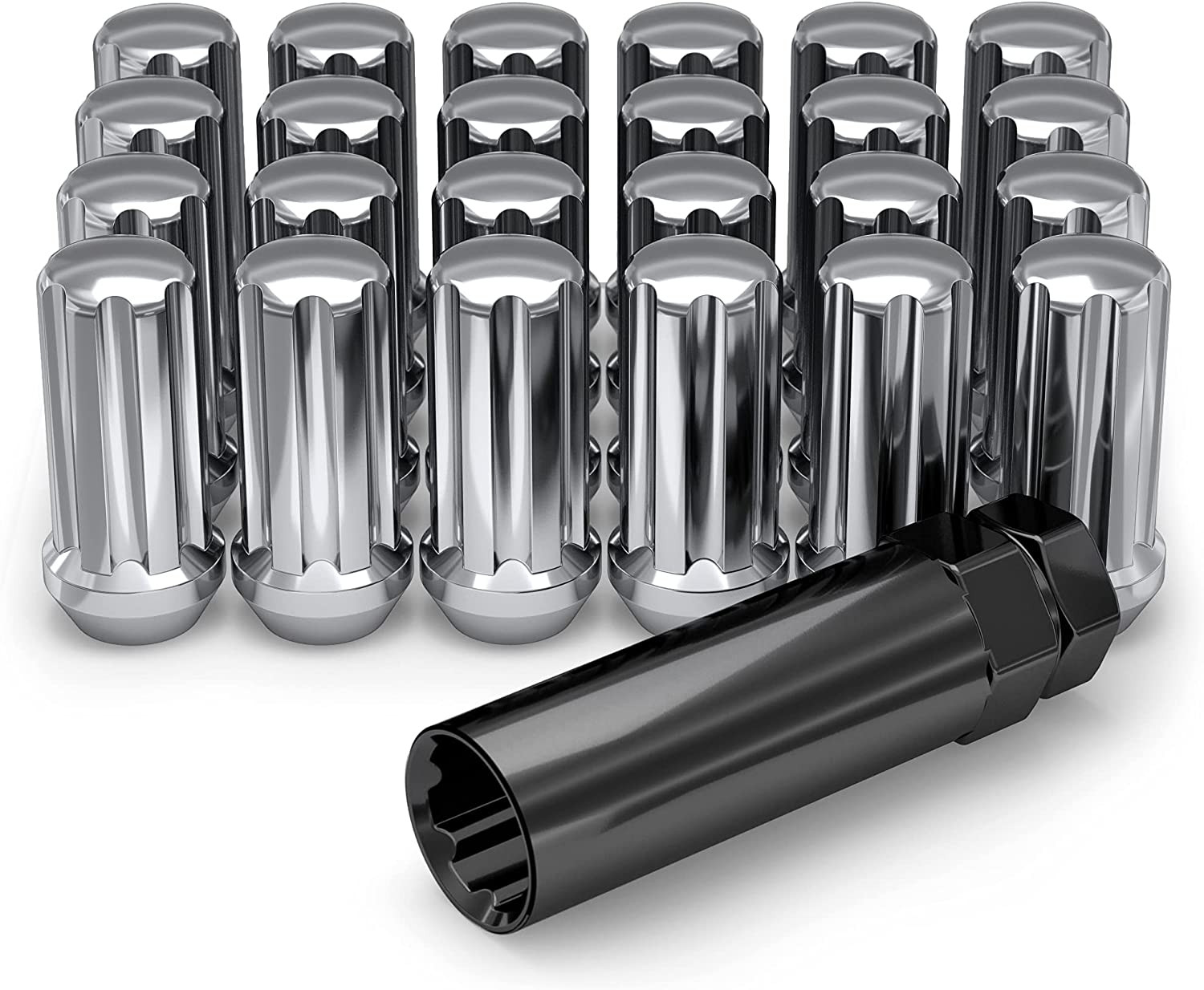
M14 x 1.5 · Confirm wheel seat style before ordering
View on Amazon →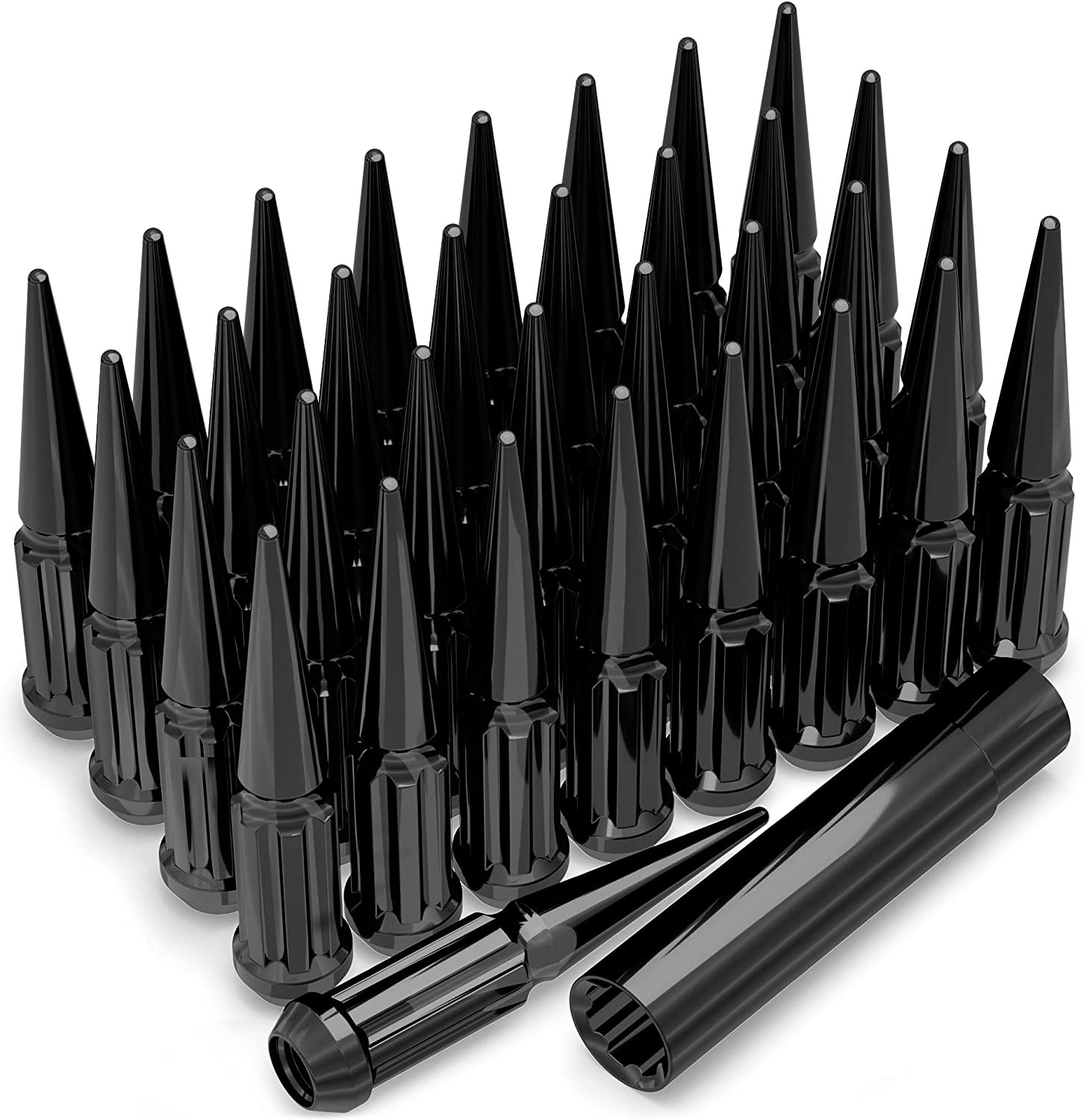
M14 x 1.5 · Confirm wheel seat style before ordering
View on Amazon →5x120 · 66.9 mm hub
Directional bolt-pattern adapters. A spacer does not change PCD.
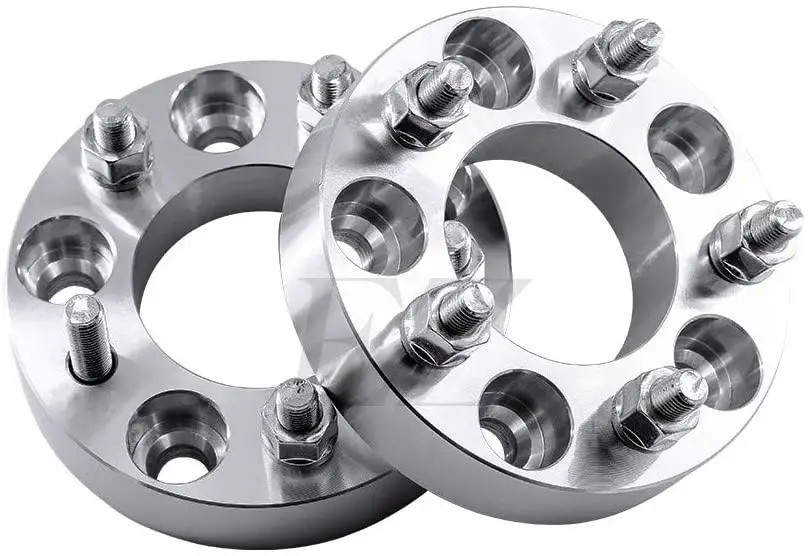
5x120 → 5x127
View on Amazon →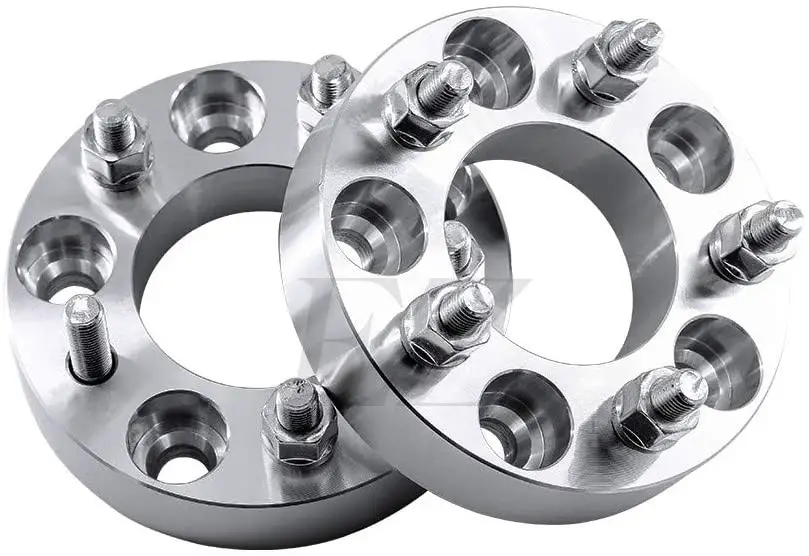
5x120 → 5x114.3
View on Amazon →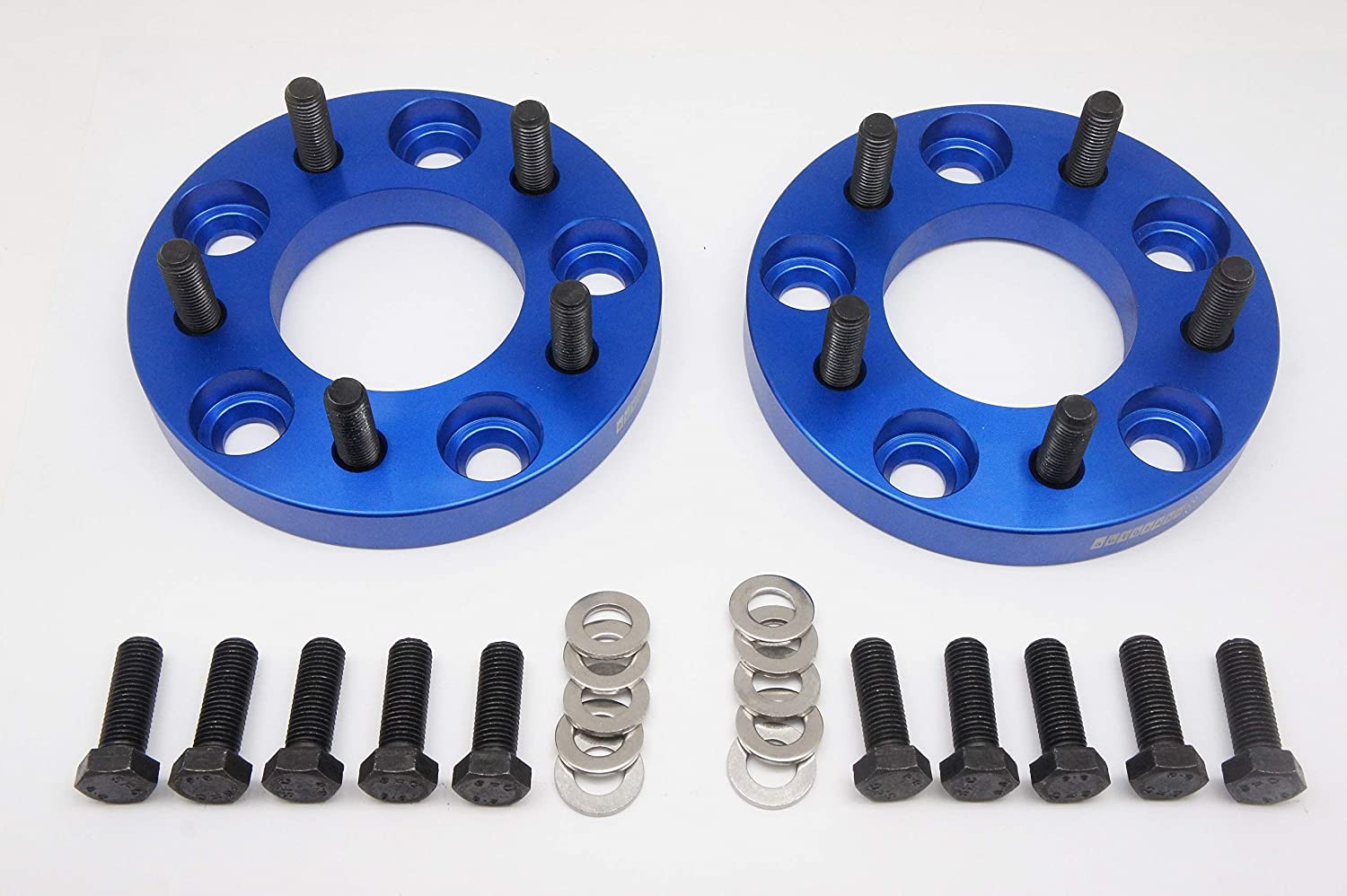
5x120 → 5x114.3
View on Amazon →As an Amazon Associate we earn from qualifying purchases. Product availability and pricing may change.
Wheel interchange depends on more than bolt pattern. Where data is available, this site compares:
A normal wheel spacer does not change bolt pattern. Hub rings cannot enlarge a wheel bore that is smaller than the hub. Brake clearance and tire package fitment still require vehicle-specific checks when not confirmed in the dataset.
The values below reflect OEM information provided for at least one 2020 Chevrolet Camaro configuration. Trim and package changes (brakes, suspension, wheel option codes) can alter some dimensions. If any value on your car differs, confirm using the on-page calculator and your VIN-specific OEM documentation or the tire placard on the driver’s door jamb.
| Bolt pattern (studs x PCD) | 5x120 |
| Center bore (mm) | 67.1 |
| Thread size | M14 x 1.5 |
| Rim diameter (in) | 18 |
| Rim width (in) | 8.5 |
| Wheel offset (ET, mm) | 32 |
| Backspacing (in) | 5.51 |
| Tire size (section/aspect/R) | 245/50R18 |
Approximate overall tire diameter for the listed 245/50R18: about 27.6 inches. If your Camaro has a different OEM wheel/tire option, use the calculator below to compare your exact baseline against potential replacements.
The calculator on wheelinterchange.com helps you compare a donor wheel/tire setup to your 2020 Camaro. It also lets you test custom rim and tire sizes before you buy.
Many Camaro owners explore larger diameters or wider wheels for appearance and performance. Results vary by trim, brake package, and suspension height. Use the calculator to model:
Because OEM options and clearances differ by trim, do not rely on generic “one size fits all” suggestions. Model your exact setup in the calculator, then confirm physically before committing.
What is the bolt pattern on the 2020 Camaro?
5x120.
What center bore does the 2020 Camaro use?
67.1 mm. Use hub-centric rings if your aftermarket wheel has a larger bore.
What lug nut thread size do I need?
M14 x 1.5. Verify the seat style required by your wheel (conical, ball, or mag) before purchasing lugs.
Will wheels with a 5x120.65 pattern fit?
No. Do not mix patterns. Use correct 5x120 wheels or consult a professional about proper adapters, then re-check stud engagement, track width, and fender clearance.
Can I run 19-inch or 20-inch wheels?
Possibly, depending on trim, brakes, and tire choice. Use the calculator to keep overall tire diameter close to stock and verify inner/outer clearances, then test fit.
What is the OEM wheel offset and backspacing?
Values provided here include an offset of 32 mm and a backspacing of 5.51 in for an 18x8.5 wheel. These may vary by trim. Confirm your VIN-specific spec and compare in the calculator.
Do I need new TPMS sensors?
If reusing your OEM sensors, ensure the new wheels accept them. If installing new sensors, they must be GM-compatible and relearned to the car.
What torque should I use on the lug nuts?
Consult your owner’s manual or OEM service information for the exact torque spec. Always use a calibrated torque wrench and re-check after 50–100 miles.
How close should my new tire diameter be to stock?
For street use, staying within about 3 percent of the OEM diameter helps maintain speedometer accuracy and driver-assist behavior. Use the calculator to verify.
What if my Camaro’s OEM size is different from 245/50R18?
Enter your actual OEM size from the door-jamb placard into the calculator as the baseline, then compare candidate setups against that value.
