OEM wheel and tire fitment specs for the 1996 Audi A4, including bolt pattern (PCD), center bore diameter, thread size, rim diameter, rim width, wheel offset, and backspacing.
Recorded OEM specifications for the 1996 Audi A4, donor years with overlapping ranges, and a calculator to compare a selected wheel. Range overlap is not a guaranteed fit.
Multiple OEM configurations exist for this vehicle. Fitment can vary by trim, brakes, and factory wheel package – confirm your exact setup before buying.
Thread-only product links are shopping examples, not verified fits. Seat style is not confirmed here. As an Amazon Associate we earn from qualifying purchases.
Donor vehicles with overlapping OEM specs
These are vehicle-year records whose recorded OEM ranges overlap this 1996 Audi A4. Overlap is not a guarantee that a specific wheel will install. Selected-wheel comparison is in the calculator below.
Evaluated 27 donor years. Listed 15 eligible overlaps (not all evaluated years are compatible). Showing all listed.
Wheel geometryOEM width/offset ranges overlap (not a specific wheel)
Recorded OEM bolt pattern, center bore, and width/offset ranges overlap. This is not a guarantee that every wheel from the donor year fits this vehicle.
Compare a donor vehicle or custom wheel against this 1996 Audi A4. Use Compare in calculator on a donor row above to fill the donor side of this same calculator.
Compare
Compare wheel compatibility between two vehicles
Wheels from (donor vehicle)
Selected Car:
Custom wheel size (optional)
Tip: change values here to simulate custom wheels and immediately see the impact in the comparison below.
Custom tire size (optional)
Installed on (your vehicle)
Selected Car:
1996 Audi A4
Compare Rims
Specification
Wheels from
Installed on
Result (Click it)
Bolt Pattern
The total number of bolt holes and the diameter of the circle they form.
-
5x112
Center Bore
The hole in the center of the wheel that fits over the vehicle’s hub.
-
57.1 mm
Thread Size
The size and spacing of the threads on the bolts or nuts that hold the wheel in place.
-
M14 x 1.5
Rim Diameter
The wheel diameter in inches that determines which tire sizes will fit.
-
15"
Rim Width
The distance between the inner edges of the wheel is measured in inches.
-
6.0"
Wheel Offset
How far the wheel sits inward or outward relative to the hub mounting surface.
-
45 mm
Backspacing
Shows how much space the wheel takes up toward the inside of the vehicle.
-
-
Wheel Fasteners
The type of hardware used to secure the wheel to the vehicle.
-
-
Compare Tires
Specification
Wheels from
Installed on
Result (Click it)
Section Width
The width of the tire from sidewall to sidewall, measured in millimeters.
-
-
Aspect Ratio
The height of the tire’s sidewall expressed as a percentage of its width.
-
-
Diameter
The wheel diameter for which the tire is designed to fit.
-
-
Tire Pressure
The recommended air pressure for safe and efficient driving.
-
-
Overall Diameter
The total height of the tire and wheel combined affects clearance and speedometer accuracy.
-
-
Wheel Fitment Parts for the 1996 Audi A4
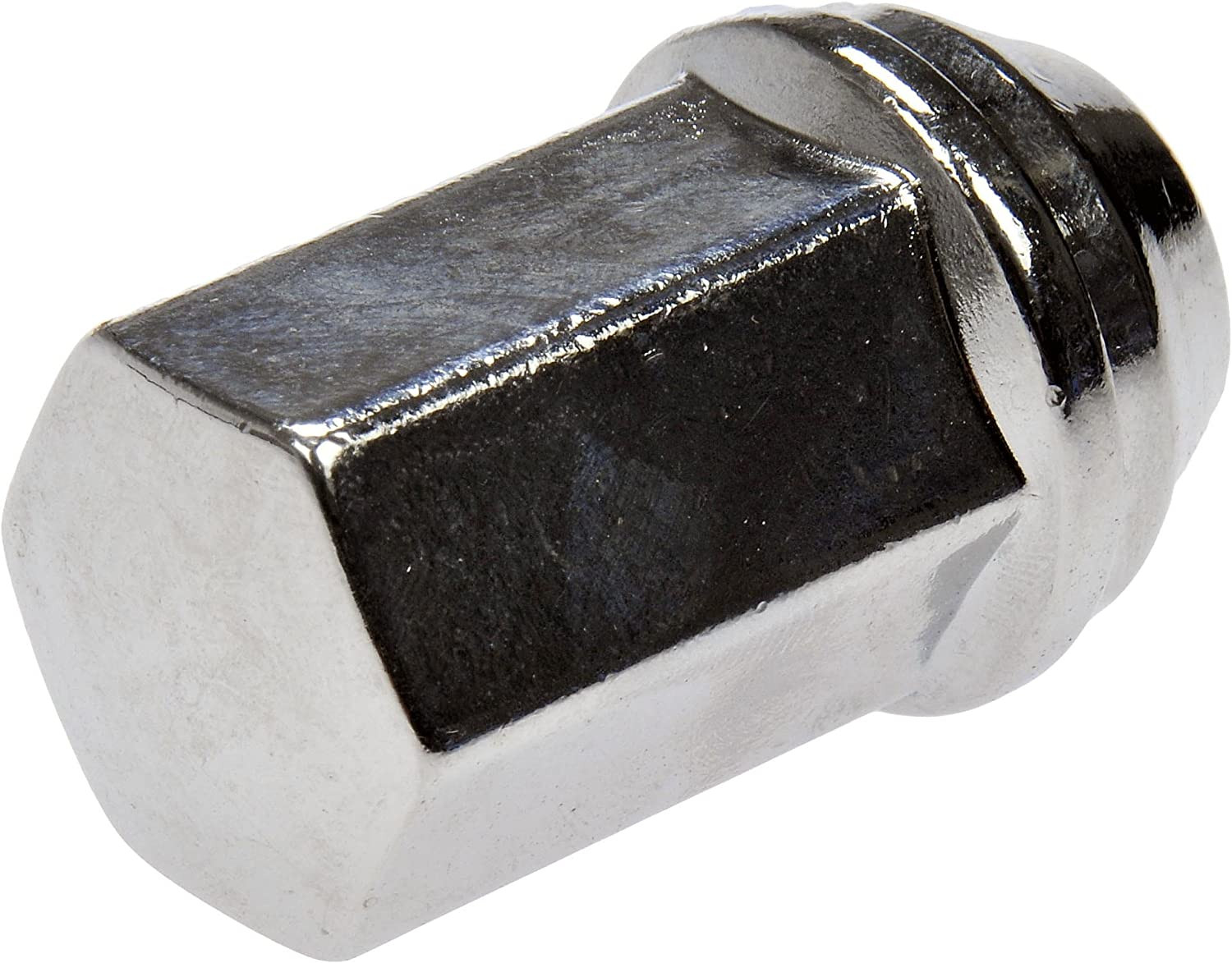
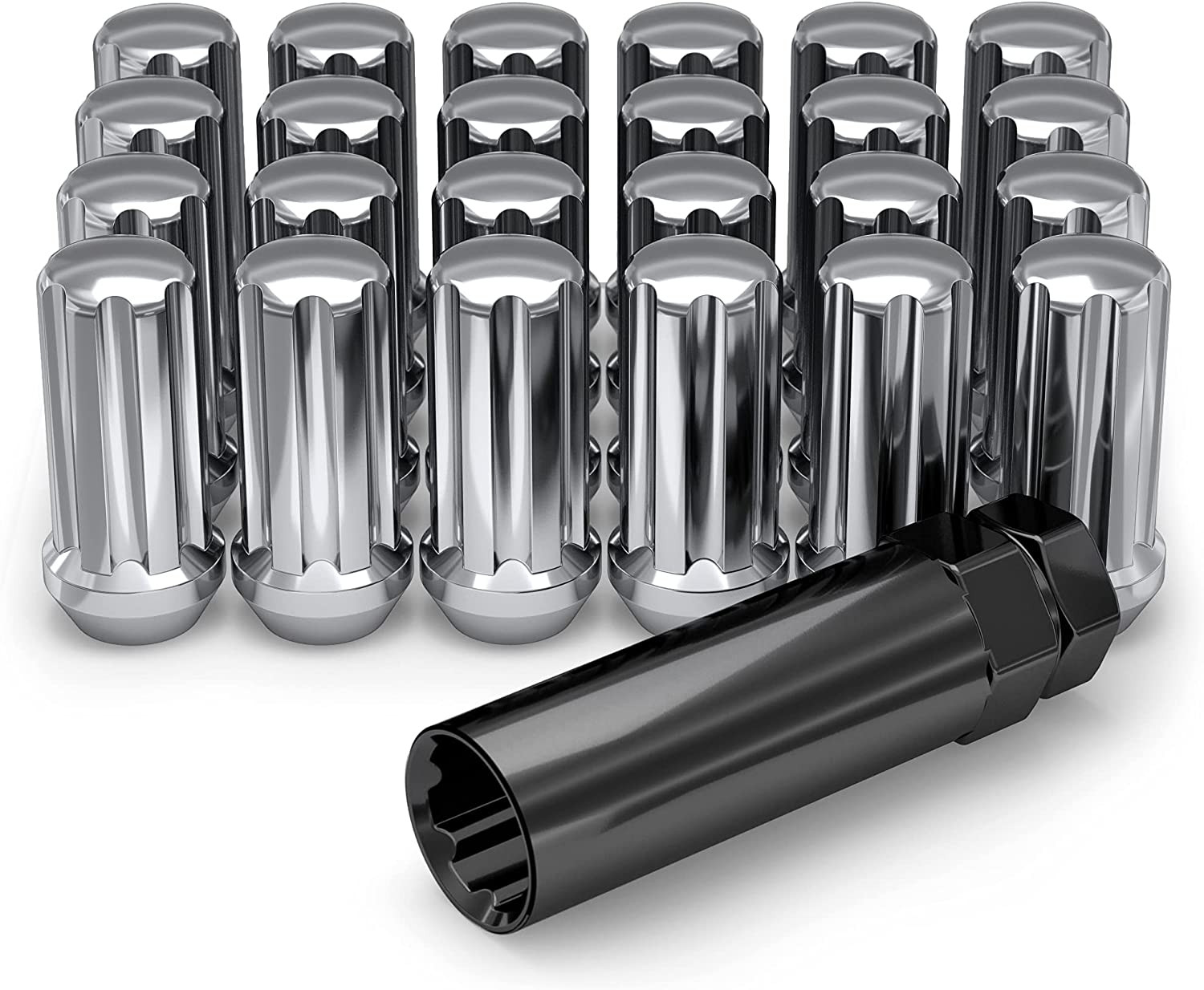
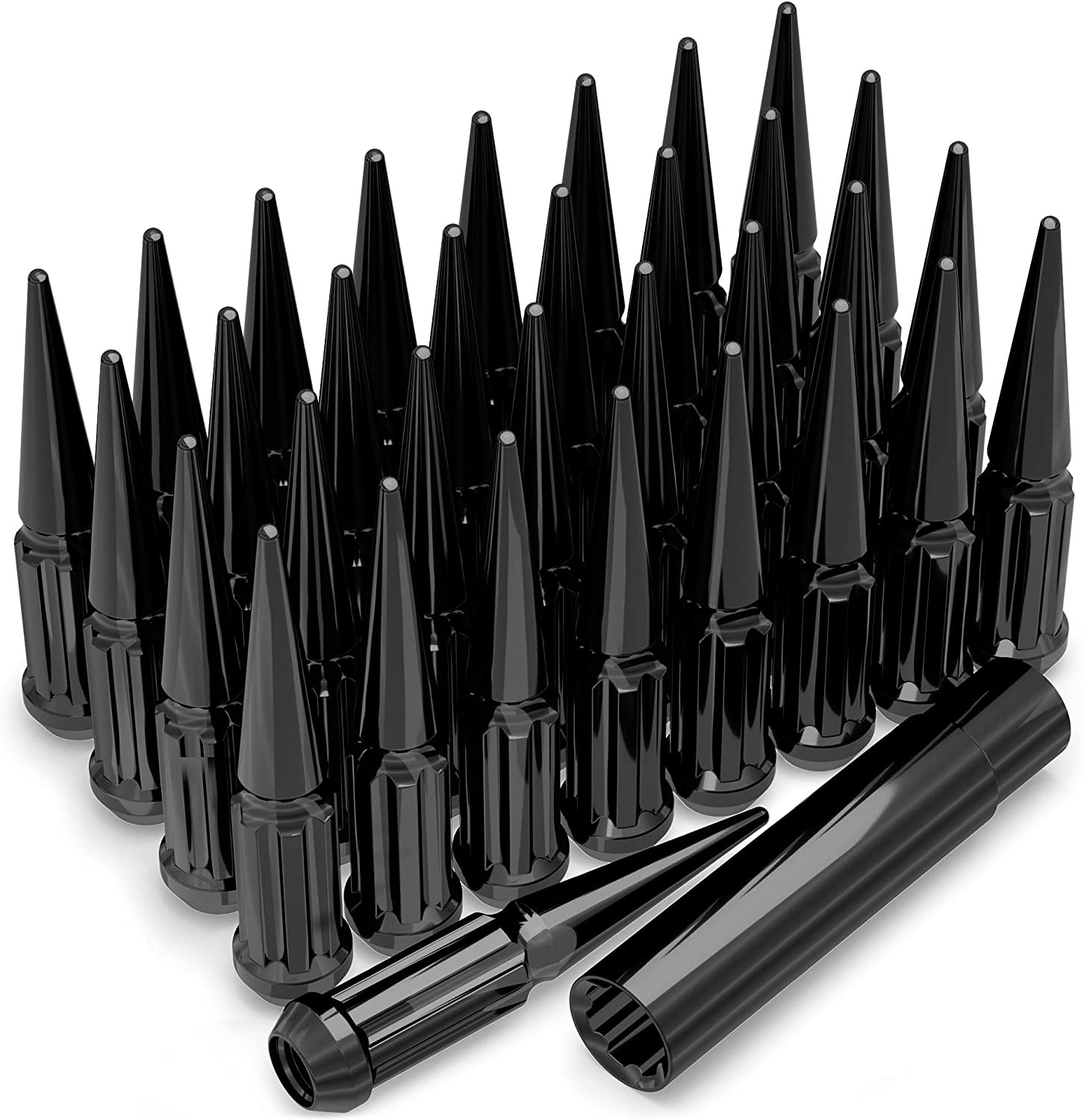
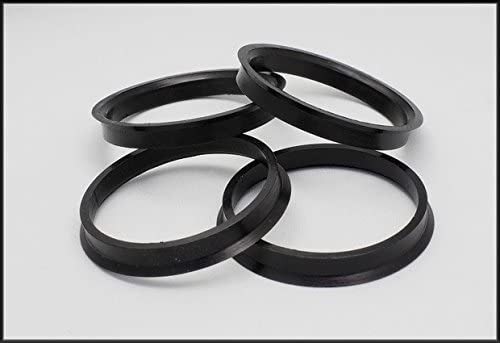
Example products matched to recorded thread, hub, or spacer dimensions. They are not verified fits. Confirm seat style, thickness, and clearance before ordering.
As an Amazon Associate we earn from qualifying purchases. Product availability and pricing may change.
1996 Audi A4 Wheel Fitment and Interchange Guide
You want a straight answer that avoids risk. I get it. I steward wheel fitment decisions for a living, and I’ve seen simple swaps turn into costly problems. Let’s build up carefully, confirm unknowns, and lean on the on-page calculator before buying anything.
1. Baseline
Below is what’s known for the 1996 Audi A4 from the data provided. Anything not listed as known should be confirmed using the calculator and OEM sources before you act.
Parameter
Value
Notes
Bolt pattern
Unknown
Confirm with OEM info or measure PCD.
Center bore
Unknown
Measure or confirm with OEM specs.
Thread size
Unknown
Verify pitch and length before ordering hardware.
Rim diameter
15 in
Known OEM baseline.
Rim width
6.0 in
Known OEM baseline.
Offset (ET)
45 mm
Known OEM baseline.
Backspacing
4.77 in
Matches the known width and offset.
Tire size
195/65R15
Known OEM baseline.
Unknowns like bolt pattern, center bore, and thread size vary in some cases by trim or market. Treat those as must-confirm items.
2. Edge cases
These are the traps I see most often. Each one can look minor, then bite later.
Inner clearance loss - Higher offset or wider wheels can hit struts or spring perches. Even 3 to 5 mm matters.
Caliper spoke clash - A wheel with the right specs can still touch the caliper due to spoke shape.
Hub bore mismatch - A smaller bore will not seat. A larger bore needs rings for proper centering.
Bolt pattern miss - A near-match PCD may seem close. Forcing it can crack studs or deform bolts.
Seat type mismatch - Ball-seat vs cone-seat hardware. Wrong seats can loosen over time.
Thread engagement risk - Spacers reduce thread engagement. Short hardware with spacers is a red flag.
Tire diameter drift - Upsizes that push overall diameter can alter ABS behavior and speedometer readout.
Load rating shortfall - Some aftermarket wheels or tires have lower ratings. That can lead to fatigue.
Winter chains - Larger diameters or wider tires may reduce chain clearance on struts and liners.
3. Detection
Use the on-page calculator
Set “Installed on” to your 1996 Audi A4. Enter the known OEM baseline above. For “Wheels from,” enter the donor wheel specs or use the Custom wheel and tire fields. Watch these outputs:
Inner clearance change - Negative numbers mean closer to strut or spring. Aim for a safe margin.
Outer poke change - Positive numbers mean further out. Check fender and liner room.
Tire diameter change - Keep overall diameter within about 2 to 3 percent when possible.
Measure what is unknown
Bolt pattern - Count lugs and measure PCD accurately. A template or careful caliper work helps.
Center bore - Measure the hub lip or the wheel’s center bore with a digital caliper. Slight errors matter.
Thread size - Verify diameter, pitch, and seat type against OEM documentation before buying hardware.
Backspacing check - Straightedge across the wheel lip, measure to hub pad. Compare to calculated values.
Inner clearance - If the calculator shows reduced inner space, consider a small spacer. Then confirm thread engagement. If your car uses bolts, you may need longer bolts equal to spacer thickness.
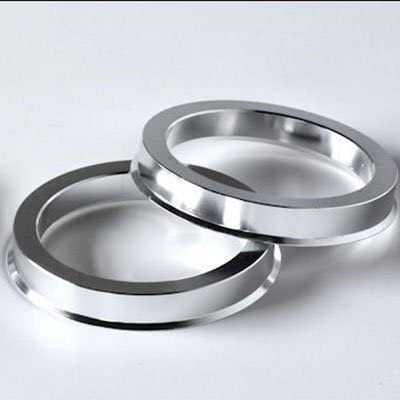
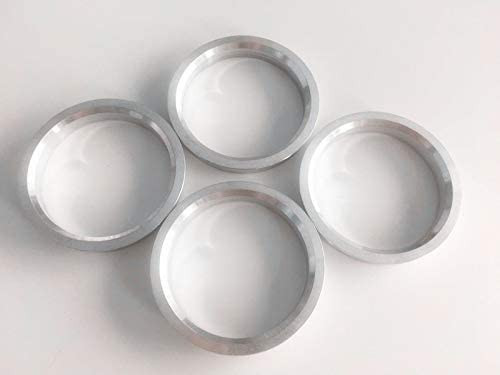
Hub-centric fit - If the donor wheel bore is larger, use hub-centric rings sized to your measured hub. Universal ring kits can help, but size must be exact.
Seat type - Match ball vs cone seats to your existing hardware. Do not mix. Replace hardware if needed.
Caliper spoke clearance - Choose wheel designs with more spoke-to-hub pad clearance. The calculator shows position, but spoke geometry still needs a visual test-fit.
Outer poke - If poke increases, choose a slightly higher offset or a narrower tire. Small changes often fix rub.
Tire diameter - Use the calculator to keep diameter close to stock. Adjust aspect ratio when up or down sizing the rim.
Load and speed ratings - Match or exceed OEM. This avoids heat and fatigue in demanding use.
5. Safe defaults
When you want the lowest-risk path, stay close to known OEM. These suggestions keep changes modest while you validate the unknowns with the calculator and OEM data.
Rim diameter - 15 in, or a careful move to 16 in after clearance checks.
Rim width - 6.0 in stock, up to 6.5 to 7.0 in with calculator confirmation.
Offset - Around ET45. Small moves in the 40 to 48 mm range can work in many cases, but verify inner and outer changes.
Tire overall diameter - Keep within about 2 to 3 percent of stock.
Hub-centric - Always center the wheel on the hub. Use exact-fit rings when the wheel bore is larger.
Hardware - Match thread size, length, and seat type before driving. Re-torque after 50 to 100 miles.
If anything conflicts, the calculator plus an OEM spec check wins over assumptions. That habit prevents surprises.
6. Checklist
Confirm bolt pattern via measurement or OEM data.
Measure center bore and ensure hub-centric fit.
Verify thread size, seat type, and required length.
Run your donor and custom sizes through the calculator.
Check inner clearance and outer poke visually and numerically.
Keep tire diameter change modest and load rating compliant.
Test-fit, spin the wheel, and check for caliper and liner contact.
Torque hardware correctly and recheck after initial miles.
Start with the calculator, confirm the missing specs, then move. Pressure fades when the numbers agree and the test-fit passes. That is the safe way to upgrade the 1996 Audi A4 without drama.
Methodology and sources
Wheel interchange depends on more than bolt pattern. Where data is available, this site compares recorded OEM values:
Bolt pattern / PCD
Center bore direction (donor wheel bore must not be smaller than the hub)
Wheel diameter, width, and offset against known OEM ranges
A normal wheel spacer does not change bolt pattern. Hub rings cannot enlarge a wheel bore that is smaller than the hub. Brake clearance and tire package fitment still require vehicle-specific checks when not confirmed in the dataset.