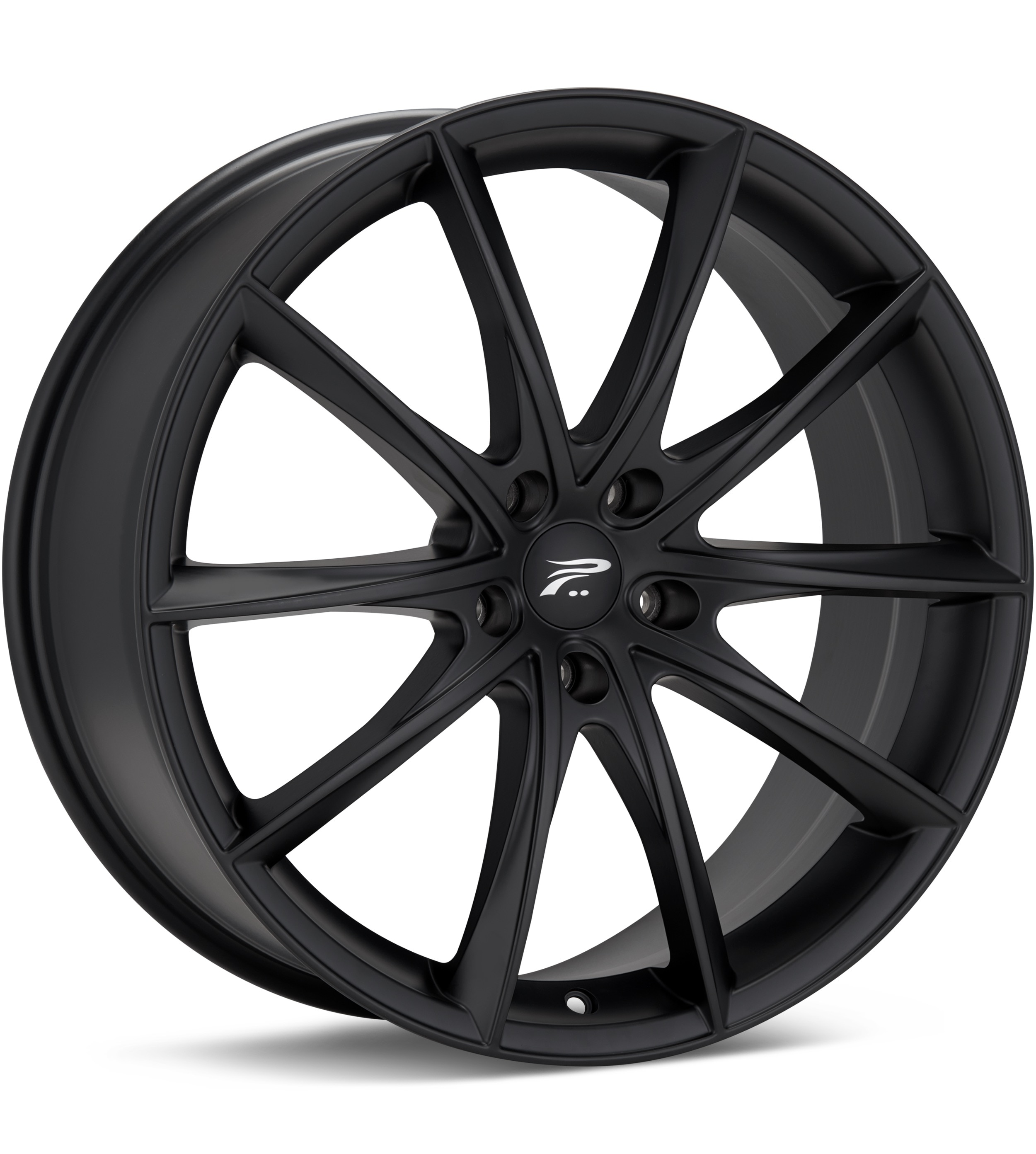
Platinum
Flux
Black
16 × 7″ · ET +40
$184.81
View at Tire Rack ↗Recorded OEM specifications for the 2008 Audi A4, donor years with overlapping ranges, and a calculator to compare a selected wheel. Range overlap is not a guaranteed fit.
Save these wheel specs to your Ownery garage
Baseline mounting dimensions used for interchange decisions.
Multiple OEM configurations exist for this vehicle. Fitment can vary by trim, brakes, and factory wheel package – confirm your exact setup before buying.
Thread-only product links are shopping examples, not verified fits. Seat style is not confirmed here. As an Amazon Associate we earn from qualifying purchases.
Selected size: 16 × 7″ · ET +42
Showing matching bolt patterns and offsets up to 20 mm lower. Confirm center bore, load rating, and clearance at Tire Rack.
Platinum
Black
16 × 7″ · ET +40
$184.81
View at Tire Rack ↗
Platinum
Machined w/Black Accent
16 × 7″ · ET +40
$197.12
View at Tire Rack ↗
Platinum
Gloss Black
16 × 7″ · ET +40
$175.81
View at Tire Rack ↗We may earn a commission when you buy through these links. Prices and availability may change.
These are vehicle-year records whose recorded OEM ranges overlap this 2008 Audi A4. Overlap is not a guarantee that a specific wheel will install. Selected-wheel comparison is in the calculator below.
Evaluated 151 donor years. Listed 24 eligible overlaps (not all evaluated years are compatible). Showing all listed.
Years grouped because recorded compatibility evidence is equivalent. Each year keeps its own page.
Approximate position vs the mid OEM package: outer change -0.17 mm, inner change -6.18 mm. This uses aggregated width/offset ranges, not a specific wheel.
Dataset suggestionHub-centric rings ≈ 66.5 → 57.1 mm – not a verified installation requirement.
Hub-centric rings of about 66.5 → 57.1 mm mm may be relevant if the wheel bore is larger than the hub; they cannot enlarge a smaller bore. Approximate position vs the mid OEM package: outer change -2.18 mm, inner change -4.18 mm. This uses aggregated width/offset ranges, not a specific wheel.
Years grouped because recorded compatibility evidence is equivalent. Each year keeps its own page.
Dataset suggestionHub-centric rings ≈ 66.5 → 57.1 mm – not a verified installation requirement.
Hub-centric rings of about 66.5 → 57.1 mm mm may be relevant if the wheel bore is larger than the hub; they cannot enlarge a smaller bore. Approximate position vs the mid OEM package: outer change -2.18 mm, inner change -4.18 mm. This uses aggregated width/offset ranges, not a specific wheel.
Years grouped because recorded compatibility evidence is equivalent. Each year keeps its own page.
Approximate position vs the mid OEM package: outer change -7.18 mm, inner change 0.83 mm. This uses aggregated width/offset ranges, not a specific wheel.
Only years with evidence-based interchange relationships are listed. Adjacent years are not assumed compatible.
Compare a donor vehicle or custom wheel against this 2008 Audi A4. Use Compare in calculator on a donor row above to fill the donor side of this same calculator.
Compare wheel compatibility between two vehicles
2008 Audi A4





Example products matched to recorded thread, hub, or spacer dimensions. They are not verified fits. Confirm seat style, thickness, and clearance before ordering.
M14 x 1.5
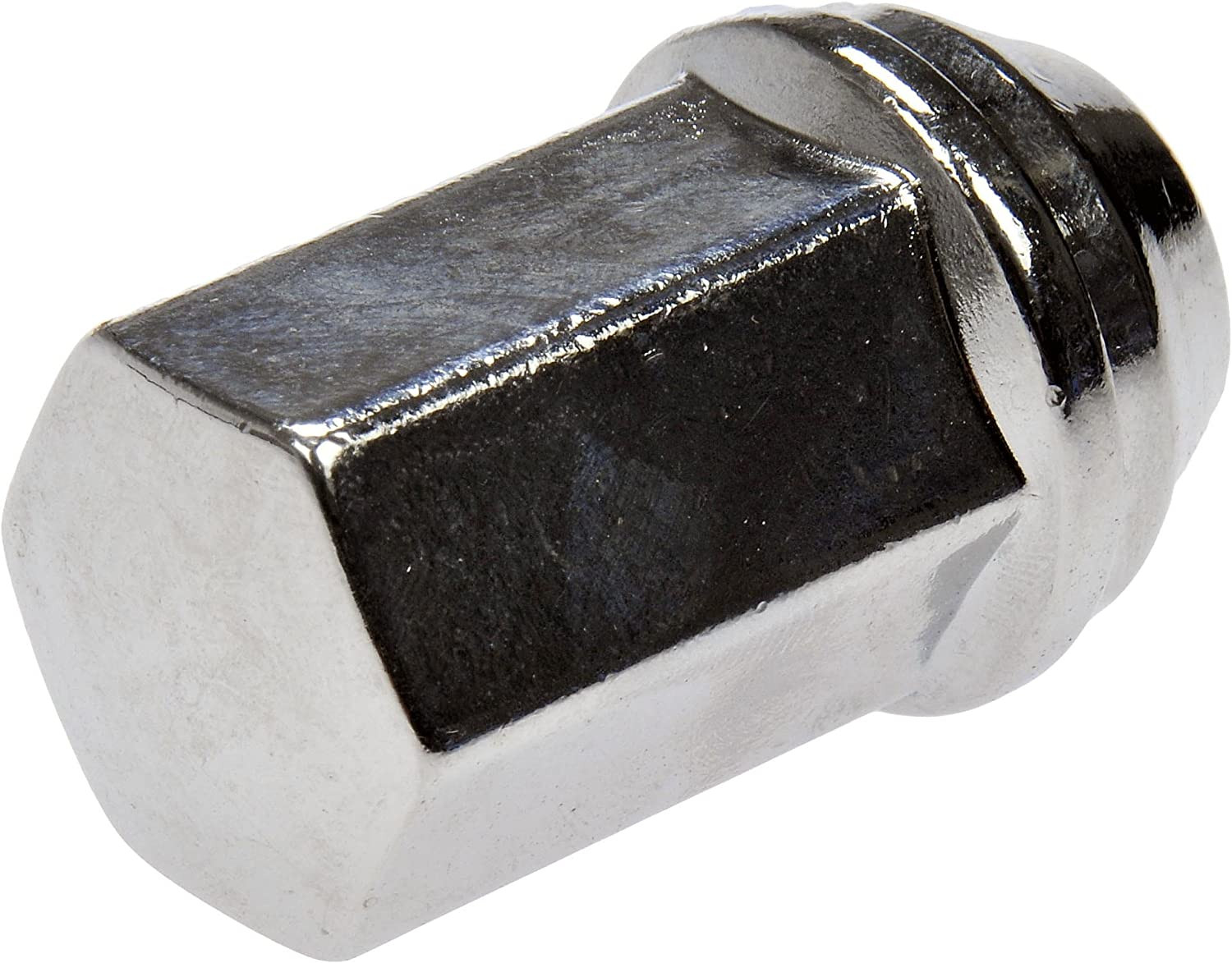
M14 x 1.5 · Thread match only; seat style is not verified
View on Amazon →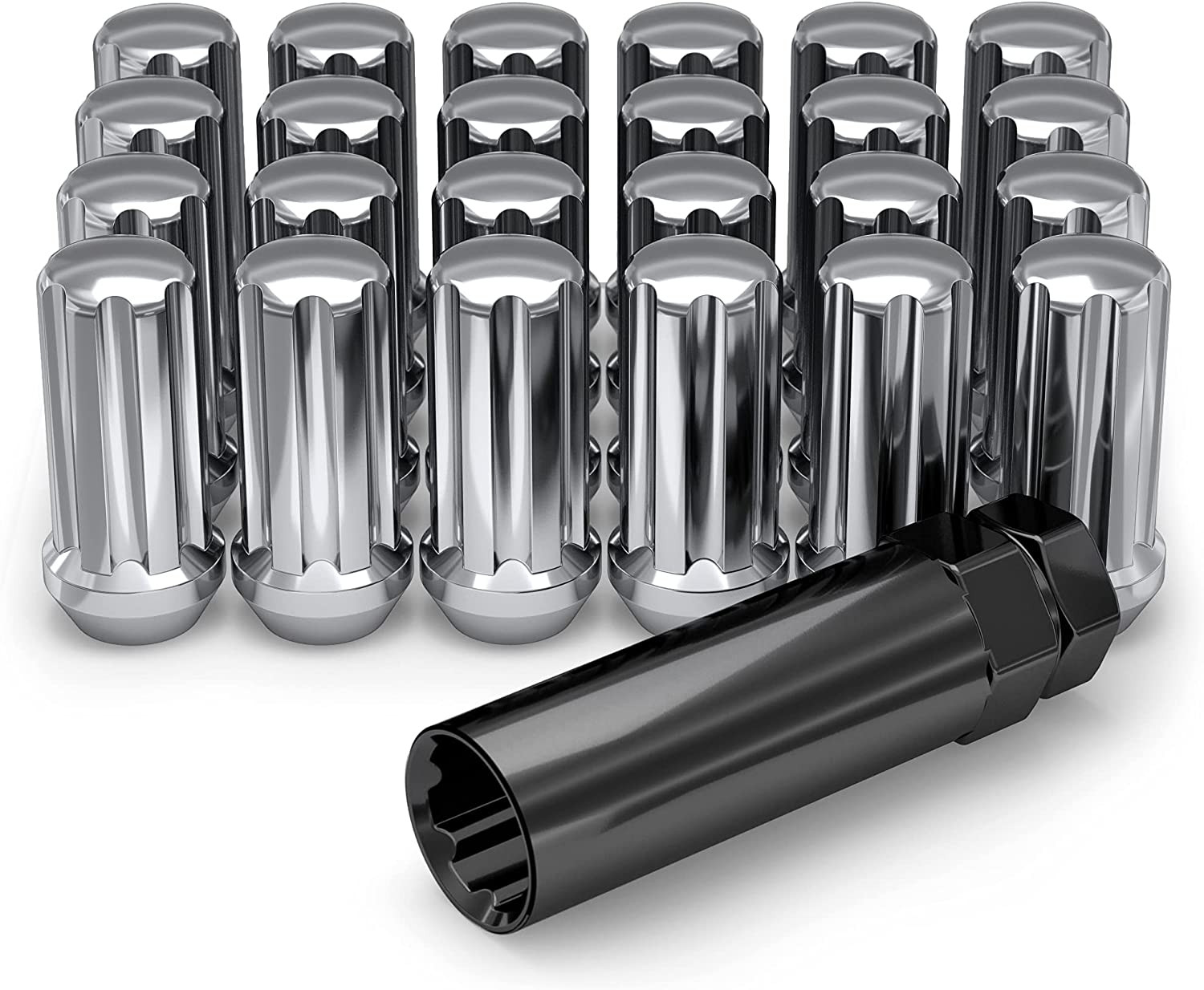
M14 x 1.5 · Thread match only; seat style is not verified
View on Amazon →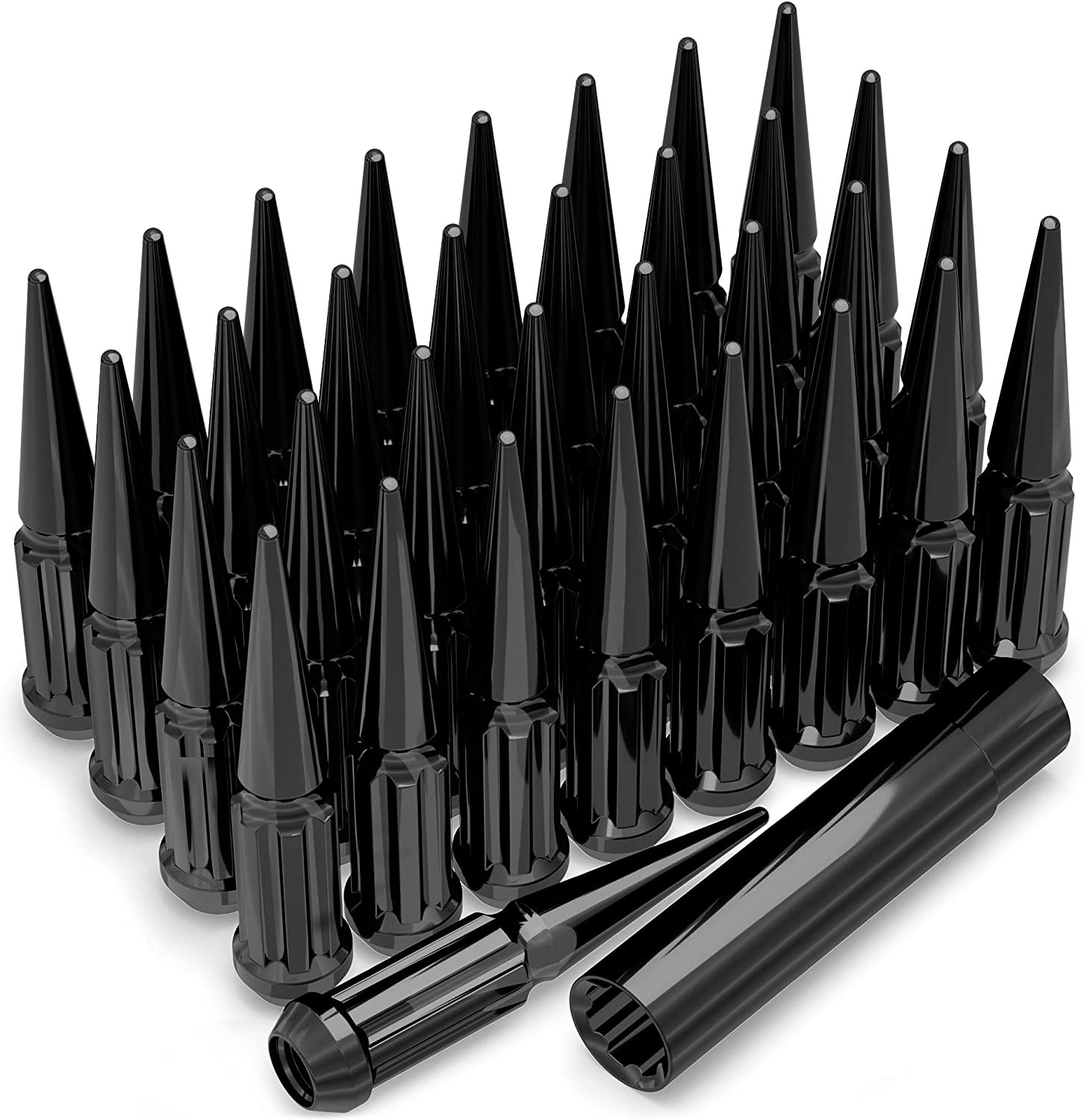
M14 x 1.5 · Thread match only; seat style is not verified
View on Amazon →Vehicle hub 57.1 mm
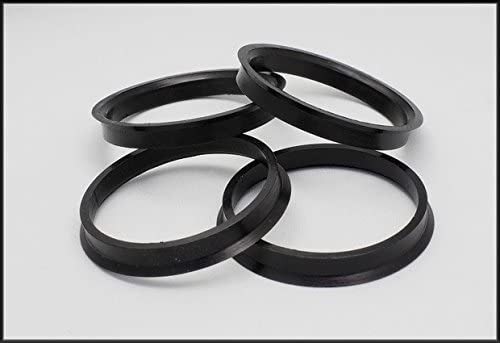
OD 66.5 mm · ID 57.1 mm
View on Amazon →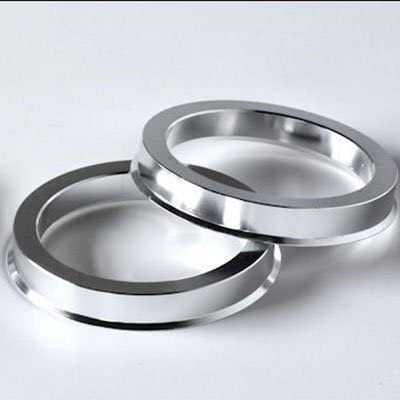
OD 66.5 mm · ID 57.1 mm
View on Amazon →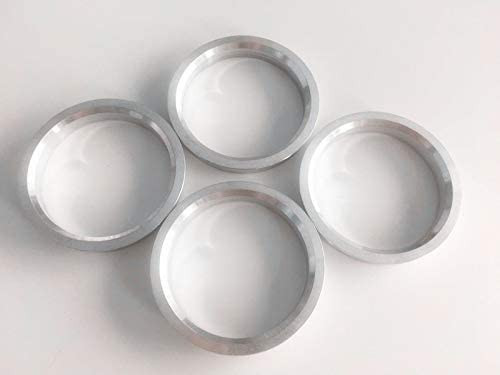
OD 66.5 mm · ID 57.1 mm
View on Amazon →As an Amazon Associate we earn from qualifying purchases. Product availability and pricing may change.
You need to choose wheels or replacement wheels for a 2008 Audi A4. I observe the decision as primarily an exercise in matching physical fitment parameters, ensuring safe load and brake clearance, and avoiding interference with suspension and electronics. The goal expressed here is to determine whether a candidate wheel will fit or whether further verification is required.
I list the available OEM evidence and known limitations so you can evaluate hypotheses about fitment without assumptions. These values come from the provided data and represent the baseline interpretation.
| Specification | Value (provided) |
|---|---|
| Bolt pattern (studs x PCD) | 5x112 |
| Center bore (mm) | 57.1 |
| Thread size | M14 x 1.5 |
| Rim diameter (in) | 17 |
| Rim width (in) | 7.5 |
| Wheel offset (ET, mm) | 45 |
| Backspacing (in) | 5.52 |
| Tire section width (mm) | 205 |
| Tire aspect ratio (%) | 55 |
| Tire rim diameter (R) | 16 (note: differs from rim diameter) |
Interpretation: there is a discrepancy between the stated rim diameter of 17 inches and the tire rim diameter R:16. This is a limitation in the provided data and should be confirmed. The calculator on this page can help reconcile tire and wheel combinations, and OEM documents or wheel stamps should be consulted to resolve conflicts.
I present pragmatic, non-presumptive options. Each option requires explicit verification with the on-page calculator and OEM sources before purchase.
Hypothesis: the safest path generally favors minimal deviation from OEM numbers, given the evidence and the risks associated with clearance and load.
I compare the known OEM baseline to a generic custom wheel scenario, focusing on fitment attributes you can measure or simulate. This is a framework to test candidate wheels using the on-page calculator and OEM verification.
| Attribute | OEM (baseline) | Custom candidate (enter in calculator) |
|---|---|---|
| Bolt pattern | 5x112 | Enter donor bolt pattern |
| Center bore | 57.1 mm | Enter bore or plan for hub-centric ring |
| Thread size | M14 x 1.5 | Confirm nut/bolt compatibility |
| Rim diameter | 17 in | Specify rim diameter; calculator updates tire diameter |
| Rim width | 7.5 in | Specify width to evaluate track change |
| Offset (ET) | 45 mm | Specify offset; calculator shows in/out movement |
| Tire size | 205/55 R16 (note: tire rim mismatch) | Choose tire to match rim; calculator recalculates overall diameter |
Interpretation: the calculator is the tool to translate a change in rim diameter or width into expected changes in rolling diameter, speedometer error, and wheel tuck or poke. Use it to generate numerical comparisons rather than relying on qualitative judgments.
Based on the evidence and the limitations, I recommend the following measured course of action. The approach is conservative and verifiable.
Confidence in fit increases when empirical checks are performed: stamping, VIN-based parts lookup, or dealer parts confirmation. That evidence reduces the need for speculative interpretation.
Tools I have found useful for these verification steps include a calibrated torque wrench, hub-centric rings, and a set of correct-thread lug nuts. You can find related items via these searches if needed.
Torque wrench search , Hub-centric rings search , Lug nuts search
I present the primary risks so you can weigh them against any potential benefit. The interpretation is cautious and evidence-driven.
Limitations in the provided data increase uncertainty. Use the on-page calculator and OEM sources to convert hypothesis into evidence before committing to purchase or installation.
Wheel interchange depends on more than bolt pattern. Where data is available, this site compares recorded OEM values:
A normal wheel spacer does not change bolt pattern. Hub rings cannot enlarge a wheel bore that is smaller than the hub. Brake clearance and tire package fitment still require vehicle-specific checks when not confirmed in the dataset.
