
Platinum
Genesis
Machined w/Black Accent
17 × 7.5″ · ET +40
$213.50
View at Tire Rack ↗Recorded OEM specifications for the 2009 Audi A4, donor years with overlapping ranges, and a calculator to compare a selected wheel. Range overlap is not a guaranteed fit.
Save these wheel specs to your Ownery garage
Baseline mounting dimensions used for interchange decisions.
Multiple OEM configurations exist for this vehicle. Fitment can vary by trim, brakes, and factory wheel package – confirm your exact setup before buying.
Center-bore records disagree: year-level hub 66.6 mm vs trim range 57.1–66.5 mm. Interchange below does not treat this as an unqualified match.
Thread-only product links are shopping examples, not verified fits. Seat style is not confirmed here. As an Amazon Associate we earn from qualifying purchases.
Selected size: 17 × 7.5″ · ET +45
Showing matching bolt patterns and offsets up to 20 mm lower. Confirm center bore, load rating, and clearance at Tire Rack.
Platinum
Machined w/Black Accent
17 × 7.5″ · ET +40
$213.50
View at Tire Rack ↗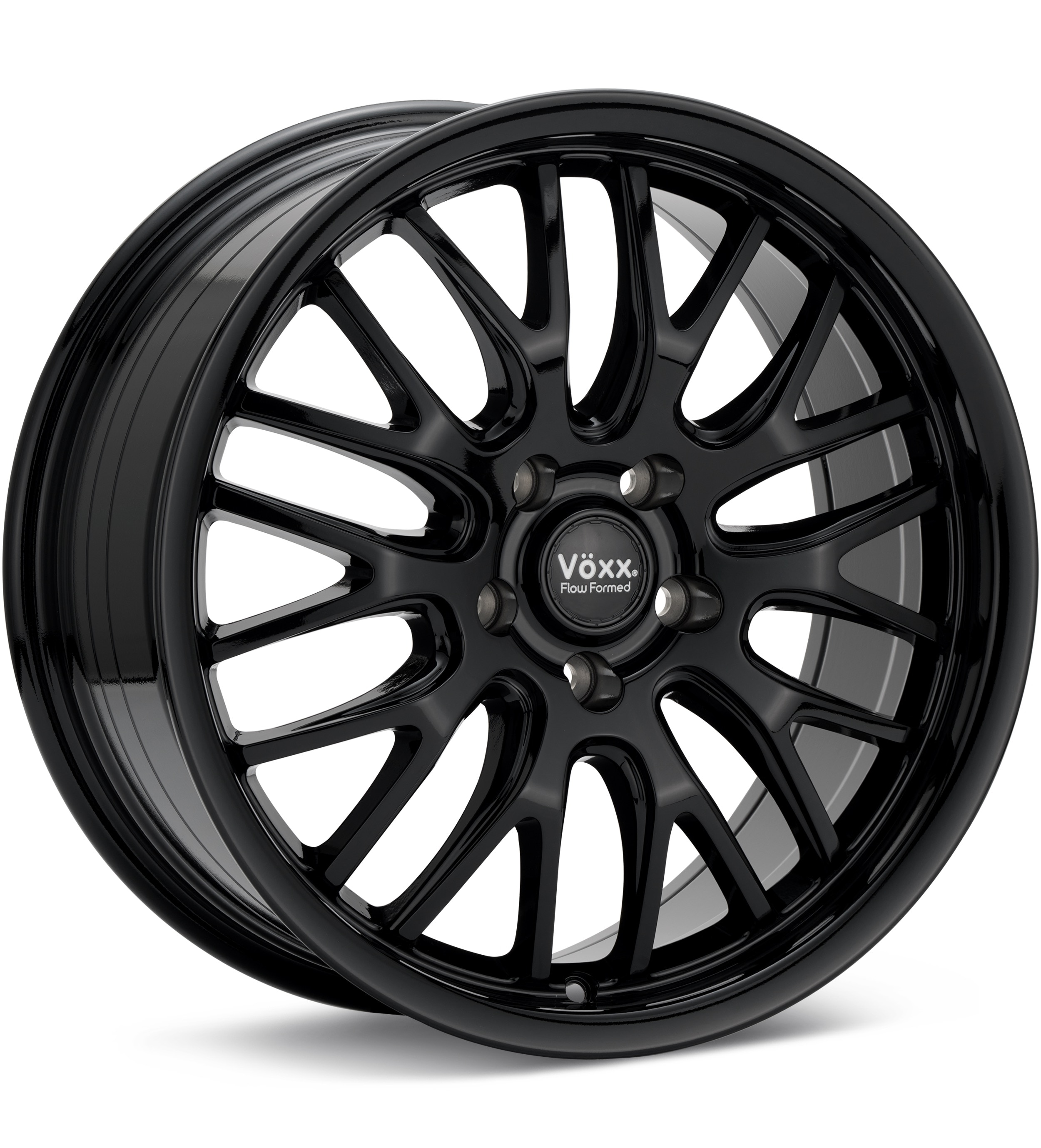
Voxx Road Wheels
Gloss Black
17 × 7.5″ · ET +40
$230.00
View at Tire Rack ↗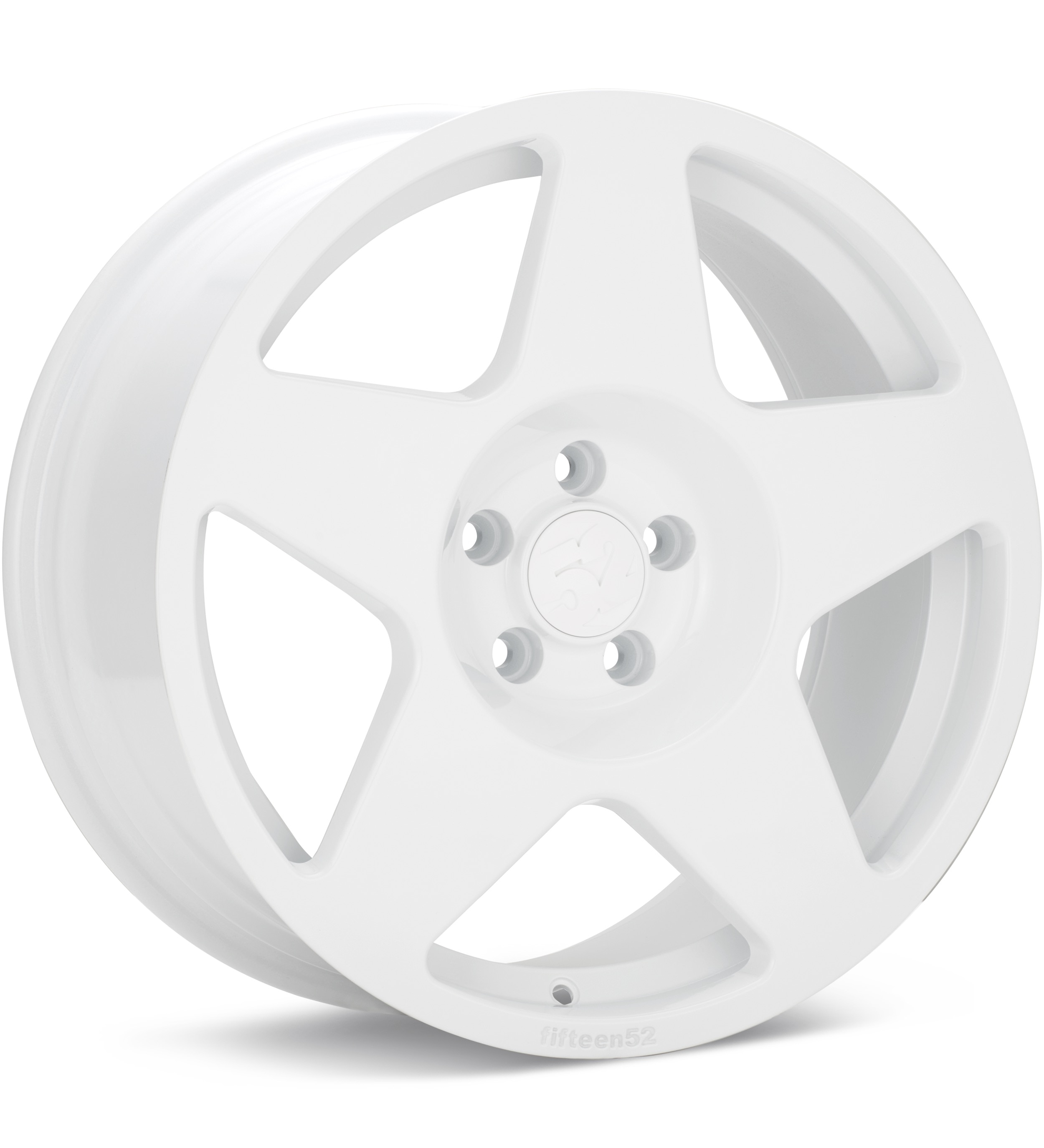
fifteen52
Gloss White
17 × 7.5″ · ET +40
$288.71
View at Tire Rack ↗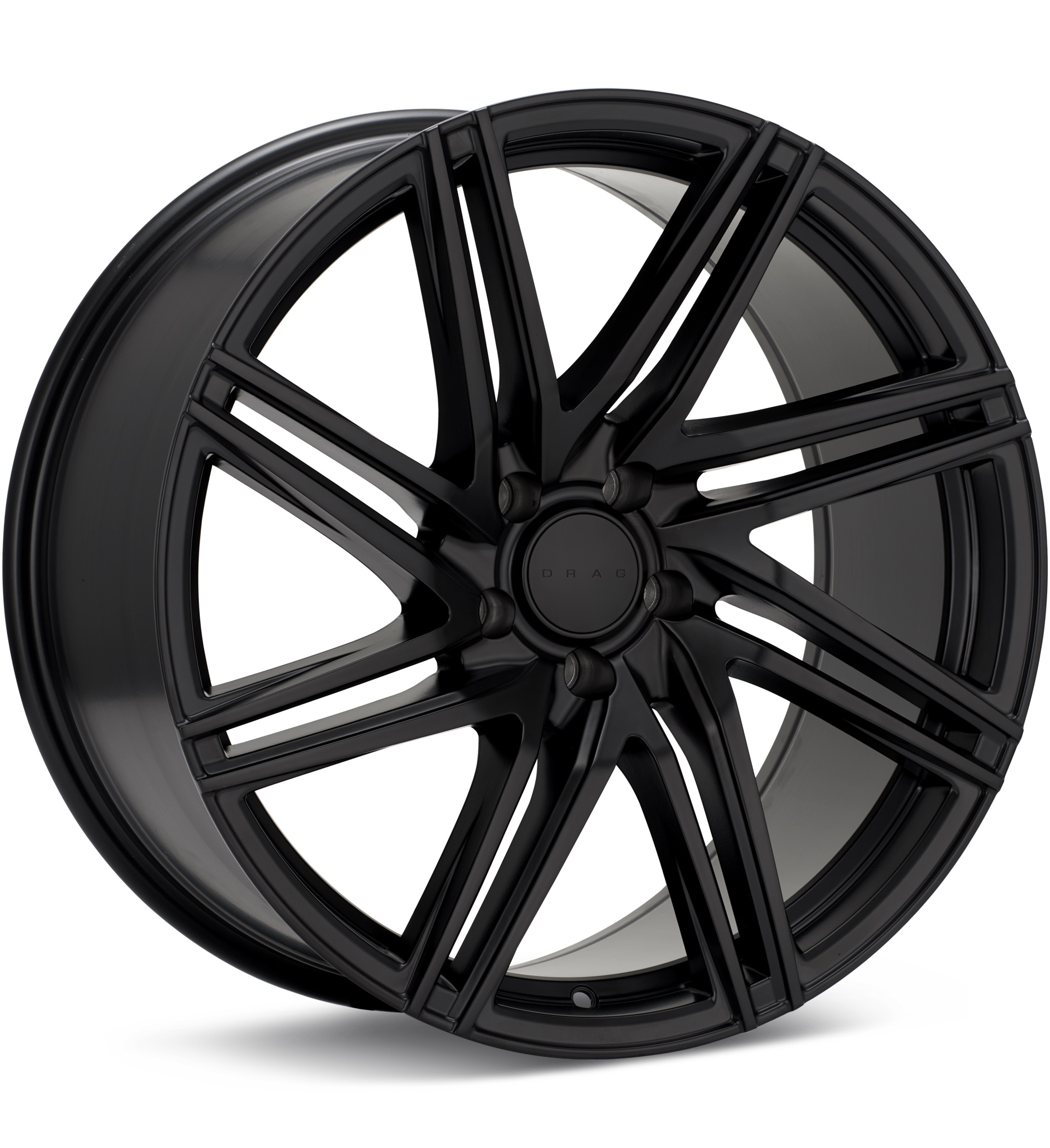
Drag
Flat Black
17 × 7.5″ · ET +38
$162.00
View at Tire Rack ↗We may earn a commission when you buy through these links. Prices and availability may change.
These are vehicle-year records whose recorded OEM ranges overlap this 2009 Audi A4. Overlap is not a guarantee that a specific wheel will install. Selected-wheel comparison is in the calculator below.
Evaluated 323 donor years. Listed 24 eligible overlaps (not all evaluated years are compatible). Showing all listed.
Years grouped because recorded compatibility evidence is equivalent. Each year keeps its own page.
Dataset suggestionHub-centric rings ≈ 66.5 → 57.1 mm – not a verified installation requirement.
Hub-centric rings of about 66.5 → 57.1 mm mm may be relevant if the wheel bore is larger than the hub; they cannot enlarge a smaller bore. Approximate position vs the mid OEM package: outer change -2.18 mm, inner change -4.18 mm. This uses aggregated width/offset ranges, not a specific wheel.
Years grouped because recorded compatibility evidence is equivalent. Each year keeps its own page.
Dataset suggestionHub-centric rings ≈ 66.5 → 57.1 mm – not a verified installation requirement.
Hub-centric rings of about 66.5 → 57.1 mm mm may be relevant if the wheel bore is larger than the hub; clearance is not verified. Donor width/offset sits outside the known OEM envelope for this vehicle. Precomputed data suggested a spacer; geometry was re-checked against OEM envelope.
Years grouped because recorded compatibility evidence is equivalent. Each year keeps its own page.
Dataset suggestionHub-centric rings ≈ 66.5 → 57.1 mm – not a verified installation requirement.
Hub-centric rings of about 66.5 → 57.1 mm mm may be relevant if the wheel bore is larger than the hub; clearance is not verified. Donor width/offset sits outside the known OEM envelope for this vehicle. Precomputed data suggested a spacer; geometry was re-checked against OEM envelope.
Only years with evidence-based interchange relationships are listed. Adjacent years are not assumed compatible.
Compare a donor vehicle or custom wheel against this 2009 Audi A4. Use Compare in calculator on a donor row above to fill the donor side of this same calculator.
Compare wheel compatibility between two vehicles
2009 Audi A4





Example products matched to recorded thread, hub, or spacer dimensions. They are not verified fits. Confirm seat style, thickness, and clearance before ordering.
M14 x 1.5
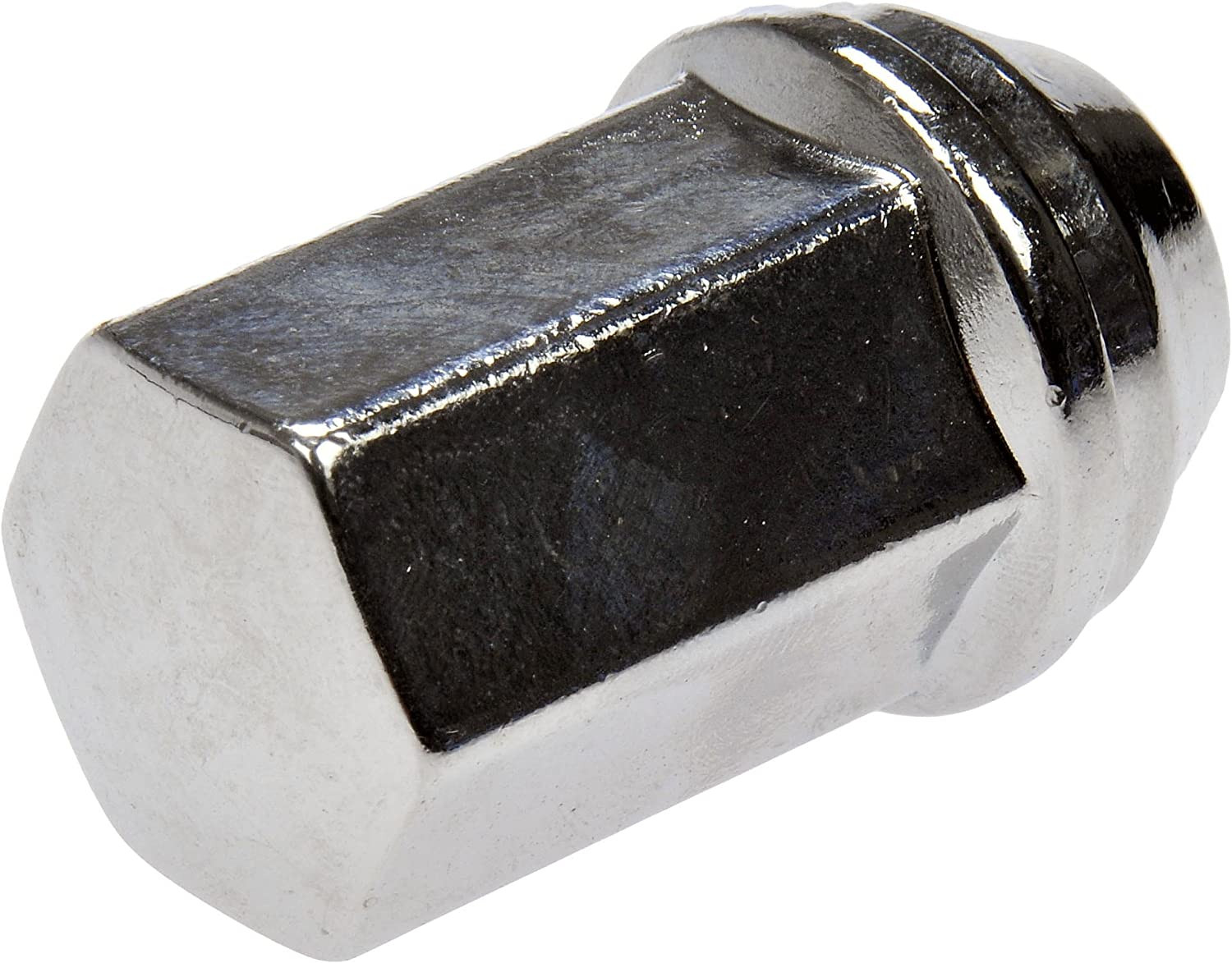
M14 x 1.5 · Thread match only; seat style is not verified
View on Amazon →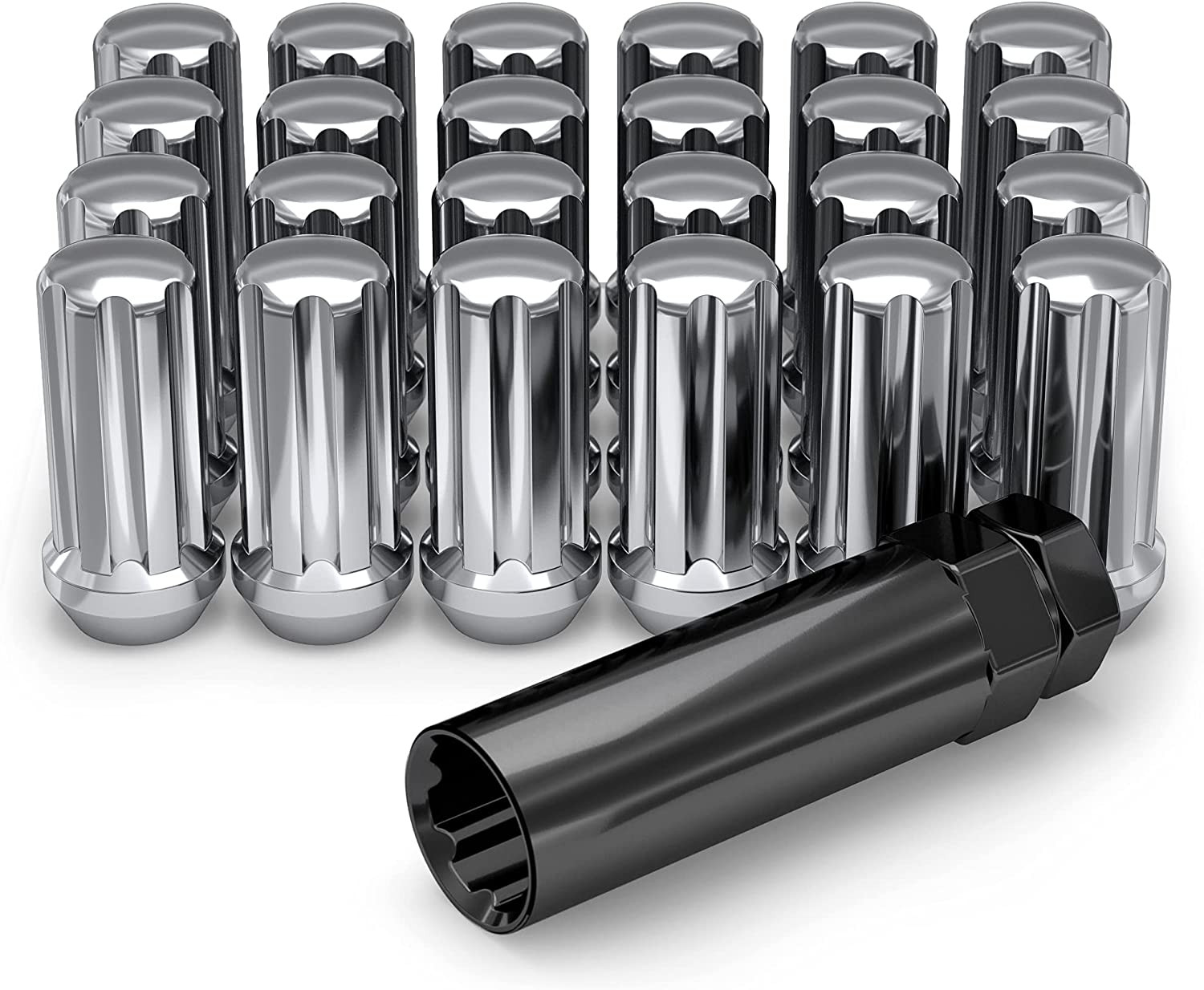
M14 x 1.5 · Thread match only; seat style is not verified
View on Amazon →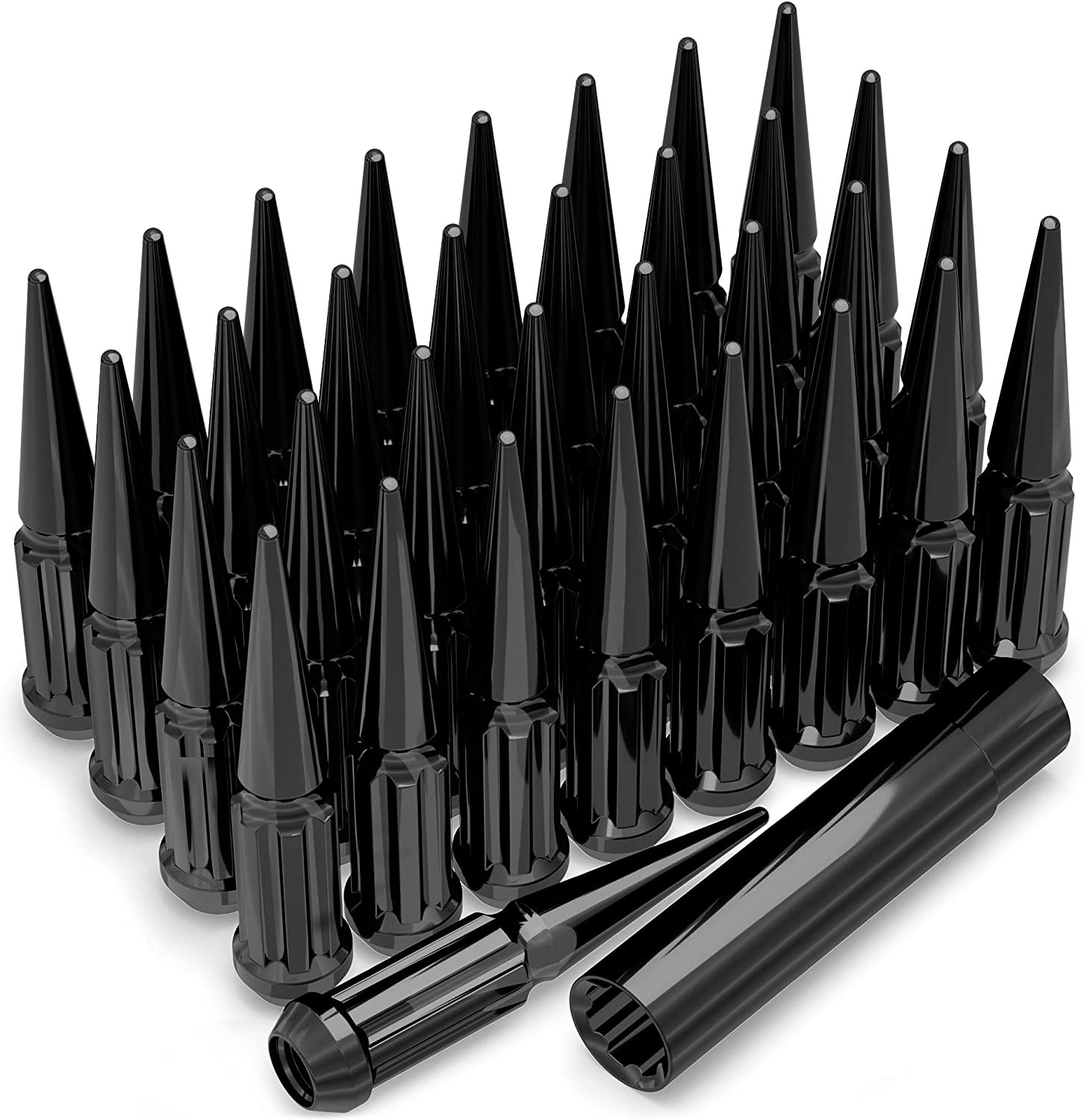
M14 x 1.5 · Thread match only; seat style is not verified
View on Amazon →Vehicle hub 57.1 mm
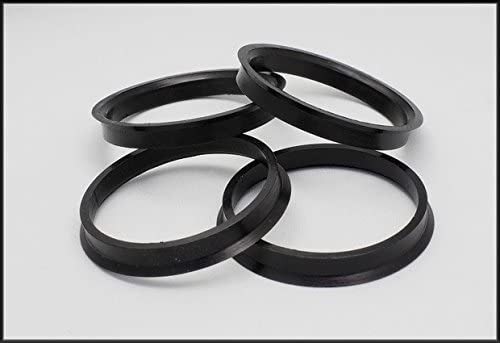
OD 66.5 mm · ID 57.1 mm
View on Amazon →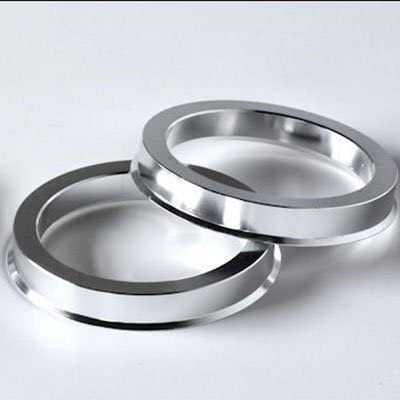
OD 66.5 mm · ID 57.1 mm
View on Amazon →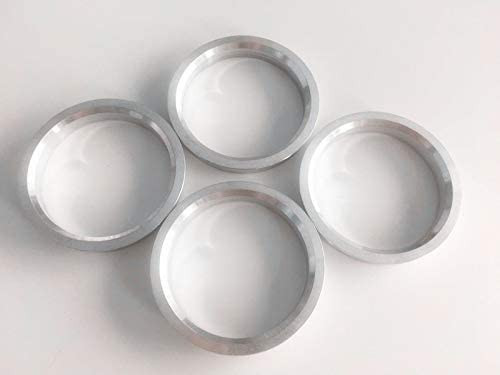
OD 66.5 mm · ID 57.1 mm
View on Amazon →As an Amazon Associate we earn from qualifying purchases. Product availability and pricing may change.
Confirm safe wheel and tire fitment for a 2009 Audi A4, and provide a clear process to select, test, and validate replacement wheels while avoiding common fitment issues.
| Bolt pattern (studs x PCD) | 5x112 |
| Center bore (mm) | 66.6 |
| Thread size | M14 x 1.5 |
| Rim diameter (in) | 17 |
| Rim width (in) | 7.5 |
| Wheel offset (ET, mm) | 45 |
| Backspacing (in) | 5.52 |
| Tire size (section/aspect/rim) | 225 / 50R17 |
Assumption: these values reflect the known OEM specification provided. Some values may vary by trim or optional packages. Use the on-page calculator and OEM sources to confirm any missing or variant specs before ordering.
Recommended Amazon searches for parts and tools: lug nuts M14 x 1.5, hub centric rings 66.6mm.
Do you need a different look, wider track, or different tire profile? Each goal creates trade-offs between clearance, handling, and speedometer error.
Start with OEM numbers listed above. Enter them as "Installed on your vehicle". Enter candidate wheel sizes as "Wheels from (donor vehicle)" or use custom wheel size. Adjust rim diameter, width, and offset. Adjust tire section and aspect ratio. The calculator updates overall diameter, track change, and offsets automatically.
Mount one wheel and hand-thread all lugs. Torque to a snug value, lower vehicle, and torque to final spec from the owner's manual or dealer. Verify clearance at full lock, ride height, and full suspension compression.
Once fit is visually and mechanically acceptable, have tires mounted and dynamically balanced. Use proper torque and a calibrated torque wrench for final tightening.
Validation confirms the wheel clears brakes, suspension, and body across conditions.
Use the on-page calculator to quantify diameter and track changes before the road test. If any measurement is unknown or varies by trim, confirm that value with OEM wheel documentation.
Cause: offset too low or wheel too wide for this offset. Solution: increase offset, decrease width, or fit a narrower tire. Consider small wheel spacers only after checking hub load and stud length.
Cause: offset too high or tire too wide. Solution: reduce offset or tire width. Fender rolling or professional trimming is a last-resort option and creates trade-offs.
Cause: imbalance, bent wheel, or hub-centric mismatch. Solution: re-balance, inspect wheel, and use proper hub-centric rings for the 66.6 mm bore if the wheel is larger than the hub bore.
If lugs cross-thread or do not seat, confirm seat type and thread pitch M14 x 1.5. Replace damaged studs or nuts and clean threads. Do not force mismatched hardware.
If a value is unknown or varies by trim, use the on-page calculator to test variants. Also consult OEM sources, dealer parts fiche, or the vehicle’s placard to validate the exact spec.
You can achieve safe, correct fitment by following a structured validation process. Start with the OEM specs listed here, use the on-page calculator to explore trade-offs, and confirm unknown values with OEM documentation. Stay conservative on offset and diameter changes to reduce risk. When in doubt, have a qualified installer mount and validate the wheels.
If you want help running a specific wheel and tire comparison in the calculator, provide the candidate rim diameter, width, offset, and tire size. I will guide you through validation.
Signed, an experienced technician and wheel fitment specialist.
Wheel interchange depends on more than bolt pattern. Where data is available, this site compares recorded OEM values:
A normal wheel spacer does not change bolt pattern. Hub rings cannot enlarge a wheel bore that is smaller than the hub. Brake clearance and tire package fitment still require vehicle-specific checks when not confirmed in the dataset.
