OEM wheel and tire fitment specs for the 2009 Audi A5, including bolt pattern (PCD), center bore diameter, thread size, rim diameter, rim width, wheel offset, and backspacing.
Recorded OEM specifications for the 2009 Audi A5, donor years with overlapping ranges, and a calculator to compare a selected wheel. Range overlap is not a guaranteed fit.
Multiple OEM configurations exist for this vehicle. Fitment can vary by trim, brakes, and factory wheel package – confirm your exact setup before buying.
Center-bore records disagree: year-level hub 66.6 mm vs trim range 66.5–66.5 mm. Interchange below does not treat this as an unqualified match.
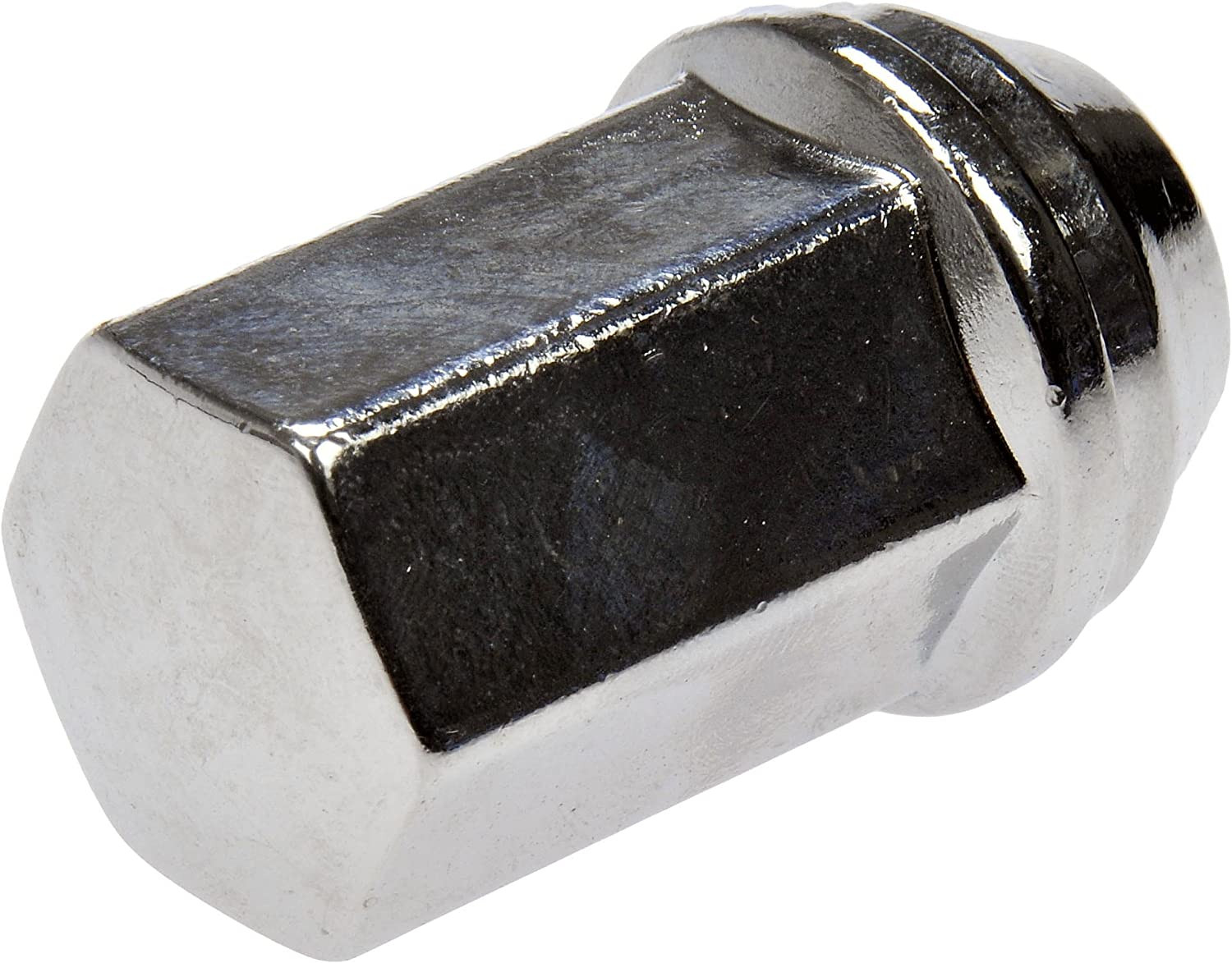
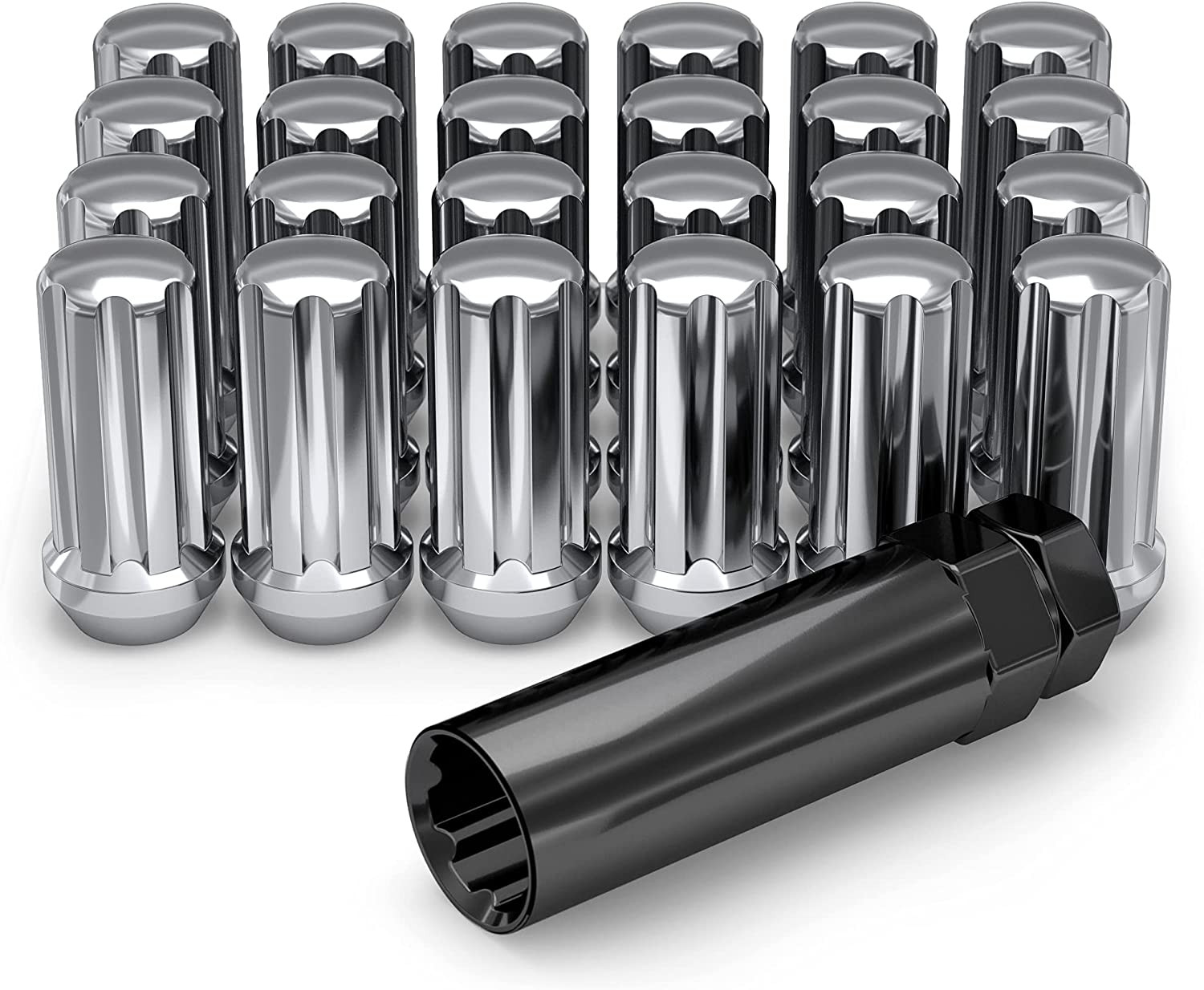
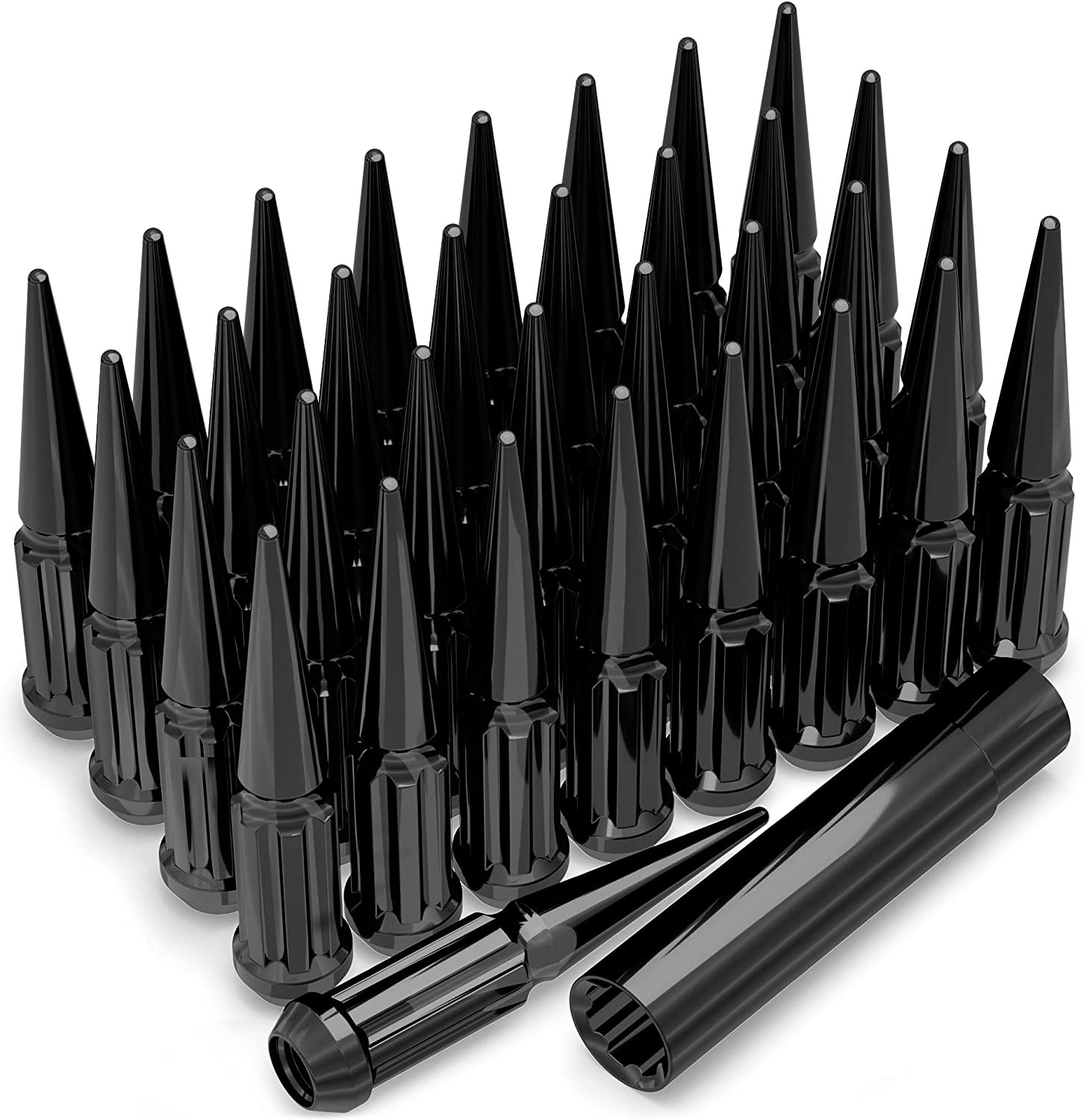
Thread-only product links are shopping examples, not verified fits. Seat style is not confirmed here. As an Amazon Associate we earn from qualifying purchases.
Donor vehicles with overlapping OEM specs
These are vehicle-year records whose recorded OEM ranges overlap this 2009 Audi A5. Overlap is not a guarantee that a specific wheel will install. Selected-wheel comparison is in the calculator below.
Evaluated 188 donor years. Listed 24 eligible overlaps (not all evaluated years are compatible). Showing all listed.
Wheel geometryOEM width/offset ranges overlap (not a specific wheel)
Center-bore records disagree (target year-level hub 66.6 mm vs trim range 66.5–66.5 mm; donor year-level hub 66.6 mm vs trim range 66.5–66.5 mm). Unqualified overlap is not claimed until the conflict is resolved. Approximate position vs the mid OEM package: outer change -1.67 mm, inner change -4.68 mm. This uses aggregated width/offset ranges, not a specific wheel.
Lug thread is not fully recorded for this comparison. Hardware must match the 2009 Audi A5 studs and the selected wheel’s seat. Unknown hardware is not a match.
Bolt pattern data is incomplete for a full interchange decision.
Dataset suggestionHub-centric rings ≈ 66.6 → 66.5 mm – not a verified installation requirement.
Hub-centric rings of about 66.6 → 66.5 mm mm may be relevant if the wheel bore is larger than the hub; clearance is not verified. Donor width/offset sits outside the known OEM envelope for this vehicle.
Dataset suggestionWheel spacer ≈ 12.68 mm – not a verified installation requirement.
A spacer of about 12.68 mm is a dataset suggestion only; clearance is not verified. Estimated outer position is about 12.68 mm farther inward than the mid OEM package.
Audi A5 Years With Compatible Wheels
Only years with evidence-based interchange relationships are listed. Adjacent years are not assumed compatible.
Compare a donor vehicle or custom wheel against this 2009 Audi A5. Use Compare in calculator on a donor row above to fill the donor side of this same calculator.
Compare
Compare wheel compatibility between two vehicles
Wheels from (donor vehicle)
Selected Car:
Custom wheel size (optional)
Tip: change values here to simulate custom wheels and immediately see the impact in the comparison below.
Custom tire size (optional)
Installed on (your vehicle)
Selected Car:
2009 Audi A5
Compare Rims
Specification
Wheels from
Installed on
Result (Click it)
Bolt Pattern
The total number of bolt holes and the diameter of the circle they form.
-
5x112
Center Bore
The hole in the center of the wheel that fits over the vehicle’s hub.
-
66.5 mm
Thread Size
The size and spacing of the threads on the bolts or nuts that hold the wheel in place.
-
M14 x 1.5
Rim Diameter
The wheel diameter in inches that determines which tire sizes will fit.
-
17"
Rim Width
The distance between the inner edges of the wheel is measured in inches.
-
7.5"
Wheel Offset
How far the wheel sits inward or outward relative to the hub mounting surface.
-
28 mm
Backspacing
Shows how much space the wheel takes up toward the inside of the vehicle.
-
-
Wheel Fasteners
The type of hardware used to secure the wheel to the vehicle.
-
-
Compare Tires
Specification
Wheels from
Installed on
Result (Click it)
Section Width
The width of the tire from sidewall to sidewall, measured in millimeters.
-
-
Aspect Ratio
The height of the tire’s sidewall expressed as a percentage of its width.
-
-
Diameter
The wheel diameter for which the tire is designed to fit.
-
-
Tire Pressure
The recommended air pressure for safe and efficient driving.
-
-
Overall Diameter
The total height of the tire and wheel combined affects clearance and speedometer accuracy.
-
-
Wheel Fitment Parts for the 2009 Audi A5
Example products matched to recorded thread, hub, or spacer dimensions. They are not verified fits. Confirm seat style, thickness, and clearance before ordering.
As an Amazon Associate we earn from qualifying purchases. Product availability and pricing may change.
2009 Audi A5 Wheel Fitment and Interchange Guide | wheelinterchange.com
1. Goal
You need to know which wheels and tires will fit your 2009 Audi A5 without rubbing, vibration, or speedometer issues. This guide starts from the practical problem. We will use the on-page calculator to compare options, explain the trade-offs, and validate against OEM baselines.
2. Prerequisites
Confirm your exact trim and brake package. Some A5 models use larger brakes. Clearance can change. If unsure, measure caliper clearance directly.
Know your current tire and wheel sizes from the sidewall and wheel stampings.
Assumption: the baseline values below represent a common OEM setup. Some markets or trims may differ. Use the calculator and your owner’s manual for final validation.
Known OEM baseline for 2009 Audi A5
Bolt pattern
5x112
Center bore
66.6 mm
Thread size
M14 x 1.5 (lug bolts)
Rim diameter
17 in
Rim width
7.5 in
Wheel offset (ET)
28 mm
Backspacing
4.85 in
Tire size
225/50R17
Approximate OEM tire diameter calculation for comparison: 225/50R17 gives a sidewall of 112.5 mm. Overall diameter is roughly 25.9 inches. The calculator will handle this math for each size you test.
3. Step by step
We will use the calculator to test interchange, visualize clearance, and plan a safe setup.
Set Installed on to your vehicle: 2009 Audi A5. The baseline above should prefill. If your car differs, adjust to match your actual current setup.
Pick a Wheels from donor vehicle to compare. Do not rely on bolt pattern alone. Interchange depends on offset, width, center bore, and hardware too.
Open Custom wheel size. Change rim diameter, width, and offset to the donor or aftermarket specs. Watch inner clearance and outer poke in the results.
Open Custom tire size. Adjust section width and aspect ratio. The tool updates total tire diameter as you change rim diameter. Keep overall diameter close to OEM. A commonly recommended tolerance is about 2 to 3 percent, depending on your constraints.
Center bore check. Your hub is 66.6 mm. If a wheel’s center bore is larger, you will need hub-centric rings sized to 66.6 mm on the hub side
66.6 hub-centric rings. If the bore is smaller than 66.6 mm, that wheel will not seat without machining.
Hardware check. Audi uses M14x1.5 lug bolts. Match the seat style to the wheel. Many OEM wheels use a ball seat, while many aftermarket wheels use a cone seat. Confirm with the wheel maker and your manual.
Brake clearance. Use the calculator’s inner clearance view as a first pass. If you have a larger brake package, leave margin. When possible, test fit or use a caliper template from the wheel manufacturer.
4. Validation
Before purchasing, run these checks to reduce risk.
Offset and backspacing sanity check. For the OEM 7.5J ET28 wheel: half width is 3.75 inches. ET28 equals 1.10 inches. 3.75 plus 1.10 equals 4.85 inches of backspacing, which matches the baseline. Use the same math to validate candidate wheels.
Clearance measurement. With the car on the ground, place a straight edge along the fender and measure outward poke change from the calculator. Inside, measure strut and liner clearance. Leave a safety margin for bushing deflection.
Diameter check. Compare the calculator’s overall tire diameter to the OEM value. Keep within your comfort range to protect ABS, speedometer accuracy, and gearing.
Test fit if possible. Spin the wheel by hand and turn lock to lock. Check caliper, knuckle, and liner clearance under compression.
Installation practice. Tighten lug bolts in a star pattern and torque to the OEM specification listed in your manual. Re-torque after a short drive cycle
torque wrench.
5. Troubleshooting
Vibration at speed. Likely hub-centric issue or balance. Use proper rings to 66.6 mm and request a road-force balance. Inspect for bent wheels or uneven tire wear.
Rubbing on fender or liner. Reduce width or aspect ratio, or select a higher offset to pull the wheel inward. If inner rub occurs on the strut, a small spacer can help, but that requires longer lug bolts and new validation. Keep the change minimal and confirm thread engagement equals the OEM standard. When in doubt, consult the service manual.
Lug bolt mismatch. Do not mix seat styles. Ball seat bolts in a cone seat wheel, or vice versa, can loosen. Match M14x1.5 and the correct seat exactly.
Center bore mismatch. Smaller than 66.6 mm will not fit. Larger needs rings to avoid vibration