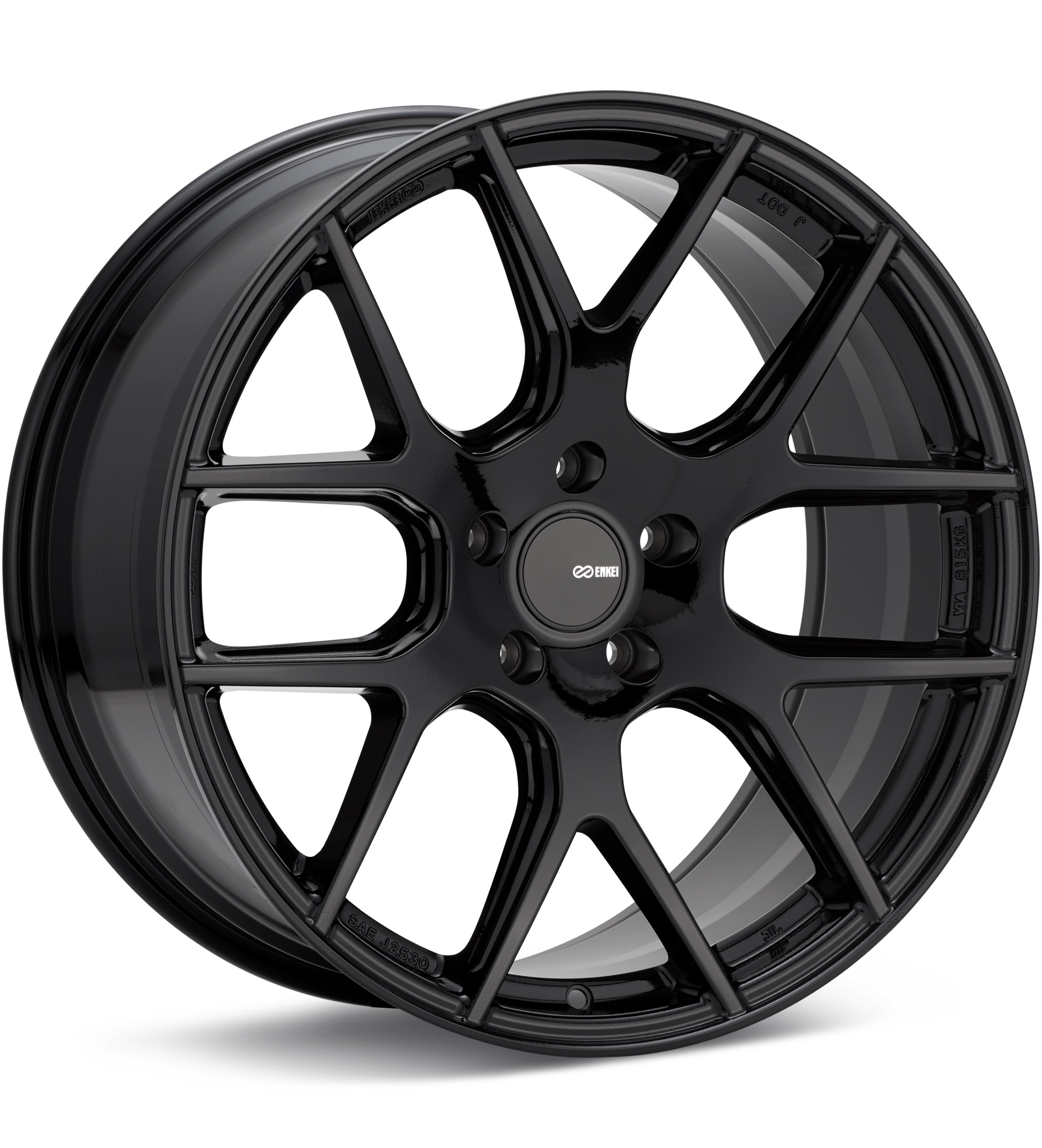
Enkei Performance
XM-6
Gloss Black
20 × 8.5″ · ET +40
$294.82
View at Tire Rack ↗Recorded OEM specifications for the 2020 Audi S6, donor years with overlapping ranges, and a calculator to compare a selected wheel. Range overlap is not a guaranteed fit.
Save these wheel specs to your Ownery garage
Baseline mounting dimensions used for interchange decisions.
Multiple OEM configurations exist for this vehicle. Fitment can vary by trim, brakes, and factory wheel package – confirm your exact setup before buying.
Thread-only product links are shopping examples, not verified fits. Seat style is not confirmed here. As an Amazon Associate we earn from qualifying purchases.
Selected size: 20 × 8.5″ · ET +43
Showing matching bolt patterns and offsets up to 20 mm lower. Confirm center bore, load rating, and clearance at Tire Rack.
Enkei Performance
Gloss Black
20 × 8.5″ · ET +40
$294.82
View at Tire Rack ↗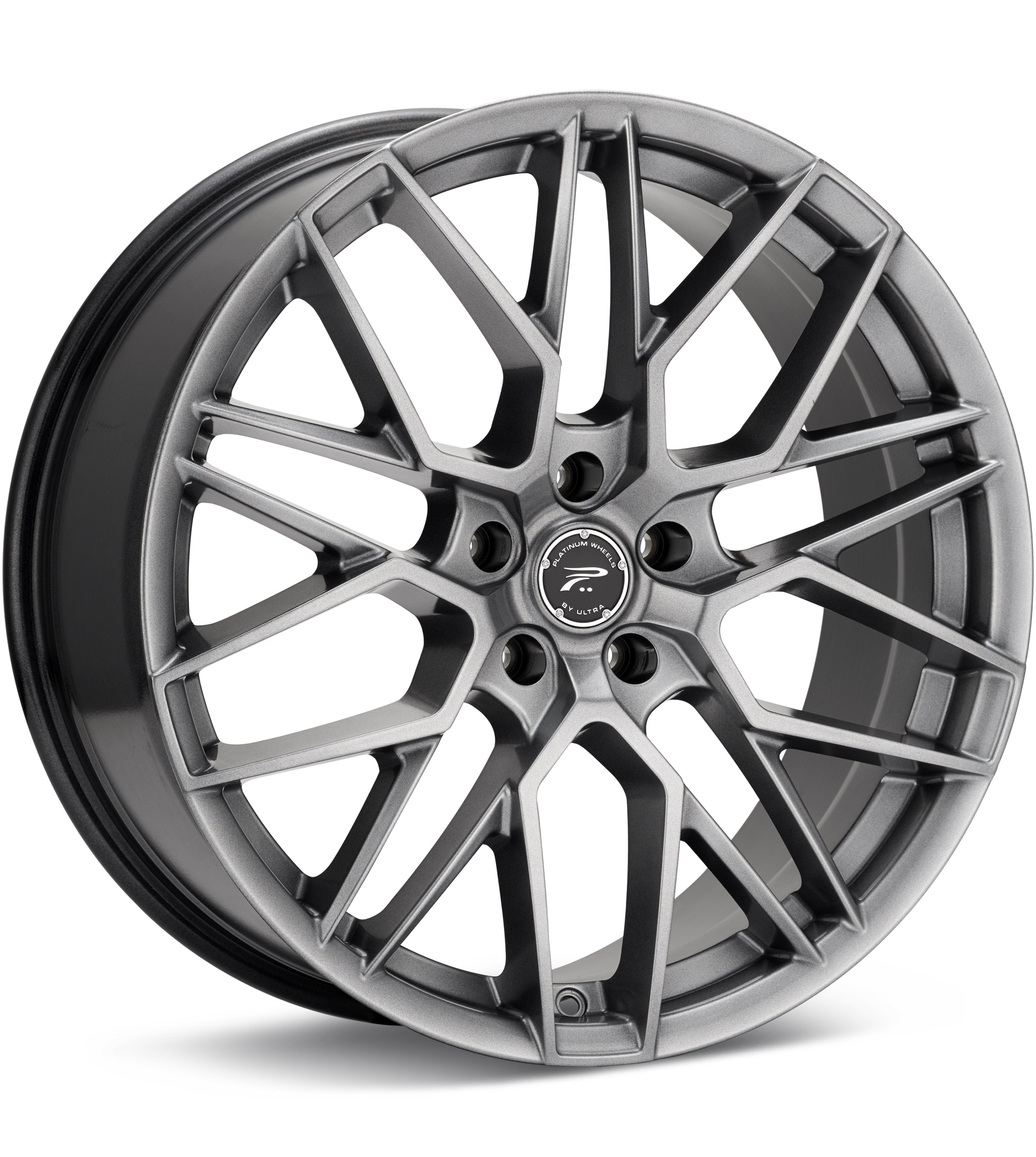
Platinum
Bright Graphite
20 × 8.5″ · ET +35
$267.67
View at Tire Rack ↗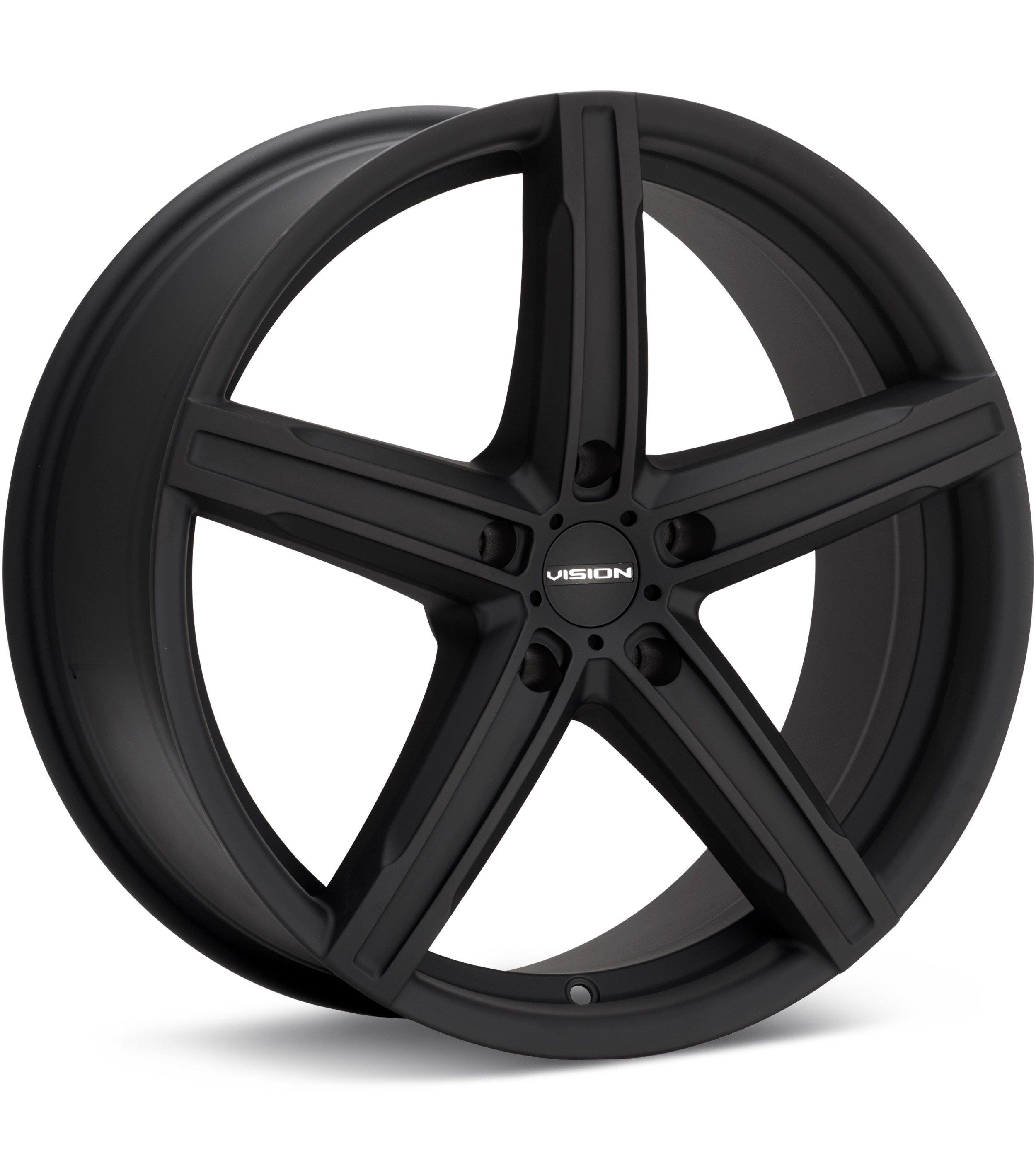
Vision Wheel
Satin Black
20 × 8.5″ · ET +35
$329.00
View at Tire Rack ↗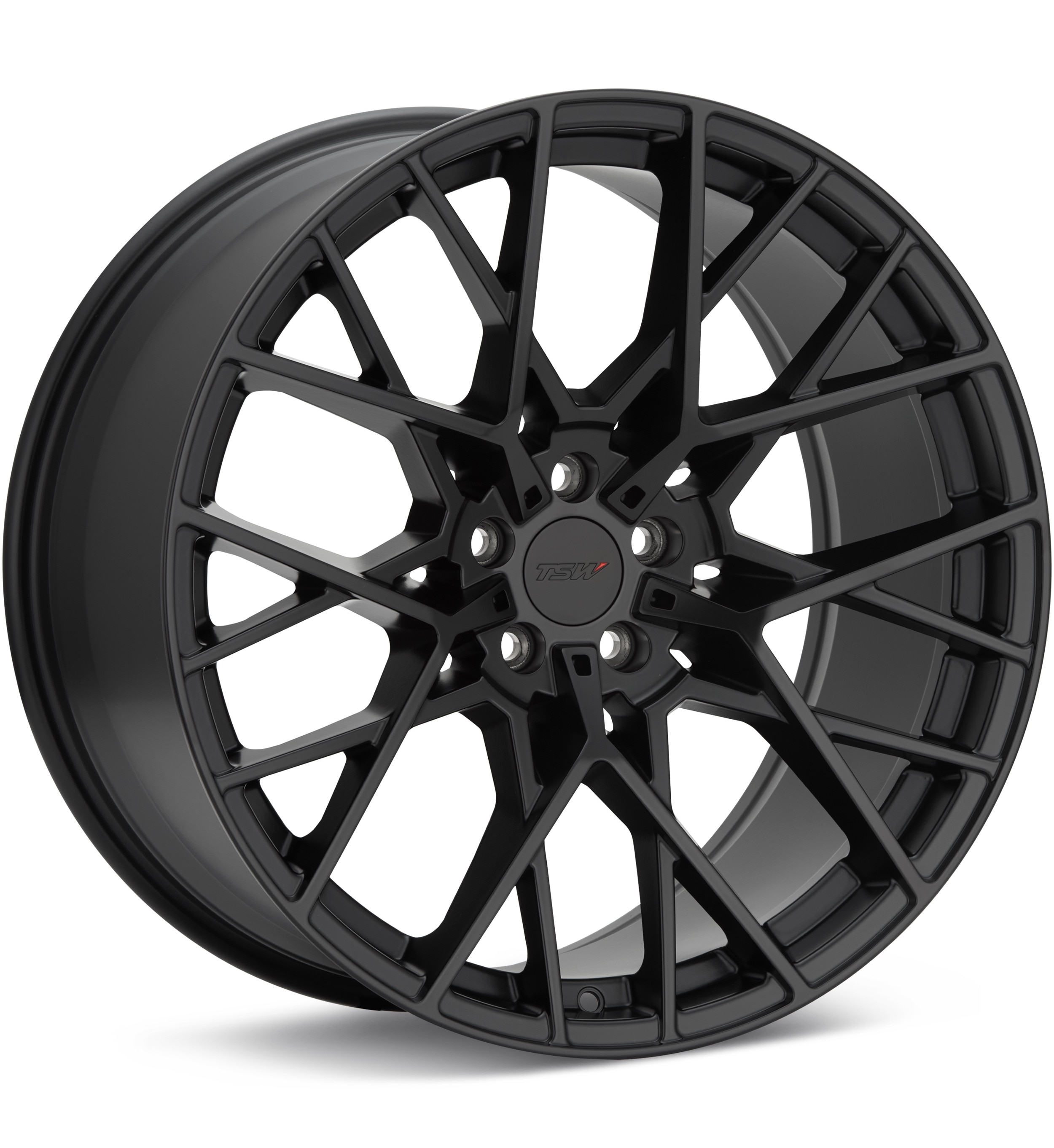
TSW
Black
20 × 8.5″ · ET +32
$438.00
View at Tire Rack ↗We may earn a commission when you buy through these links. Prices and availability may change.
These are vehicle-year records whose recorded OEM ranges overlap this 2020 Audi S6. Overlap is not a guarantee that a specific wheel will install. Selected-wheel comparison is in the calculator below.
Evaluated 97 donor years. Listed 24 eligible overlaps (not all evaluated years are compatible). Showing all listed.
Years grouped because recorded compatibility evidence is equivalent. Each year keeps its own page.
Approximate position vs the mid OEM package: outer change -1.17 mm, inner change -5.18 mm. This uses aggregated width/offset ranges, not a specific wheel.
Donor width/offset sits outside the known OEM envelope for this vehicle.
Years grouped because recorded compatibility evidence is equivalent. Each year keeps its own page.
Donor width/offset sits outside the known OEM envelope for this vehicle.
Years grouped because recorded compatibility evidence is equivalent. Each year keeps its own page.
Approximate position vs the mid OEM package: outer change -1.17 mm, inner change -5.18 mm. This uses aggregated width/offset ranges, not a specific wheel.
Years grouped because recorded compatibility evidence is equivalent. Each year keeps its own page.
Approximate position vs the mid OEM package: outer change -1.17 mm, inner change -5.18 mm. This uses aggregated width/offset ranges, not a specific wheel.
Years grouped because recorded compatibility evidence is equivalent. Each year keeps its own page.
Approximate position vs the mid OEM package: outer change -1.17 mm, inner change -5.18 mm. This uses aggregated width/offset ranges, not a specific wheel.
Years grouped because recorded compatibility evidence is equivalent. Each year keeps its own page.
Approximate position vs the mid OEM package: outer change -5.18 mm, inner change -1.17 mm. This uses aggregated width/offset ranges, not a specific wheel.
Years grouped because recorded compatibility evidence is equivalent. Each year keeps its own page.
Approximate position vs the mid OEM package: outer change -1.17 mm, inner change -5.18 mm. This uses aggregated width/offset ranges, not a specific wheel.
Only years with evidence-based interchange relationships are listed. Adjacent years are not assumed compatible.
Compare a donor vehicle or custom wheel against this 2020 Audi S6. Use Compare in calculator on a donor row above to fill the donor side of this same calculator.
Compare wheel compatibility between two vehicles
2020 Audi S6





Example products matched to recorded thread, hub, or spacer dimensions. They are not verified fits. Confirm seat style, thickness, and clearance before ordering.
M14 x 1.5
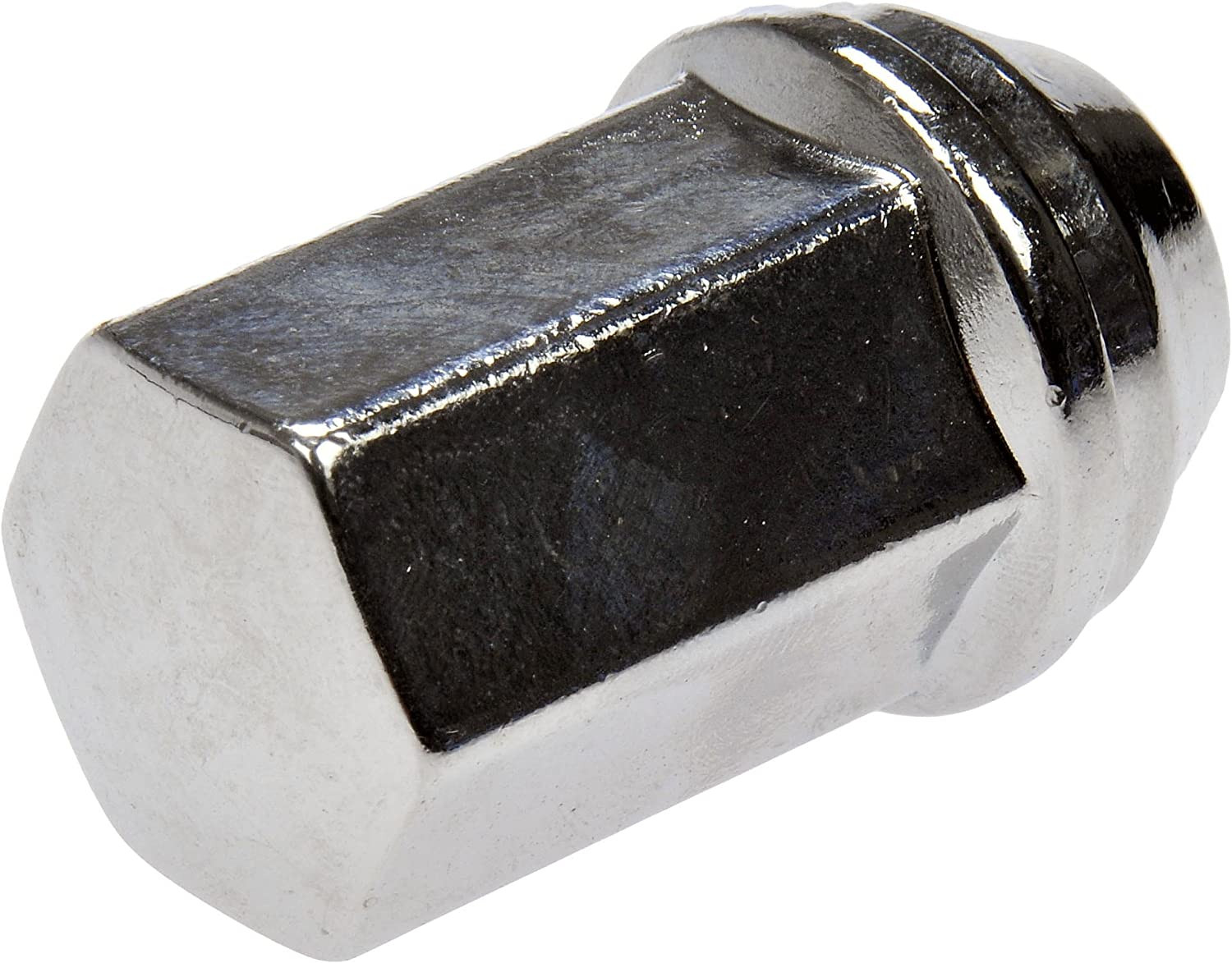
M14 x 1.5 · Thread match only; seat style is not verified
View on Amazon →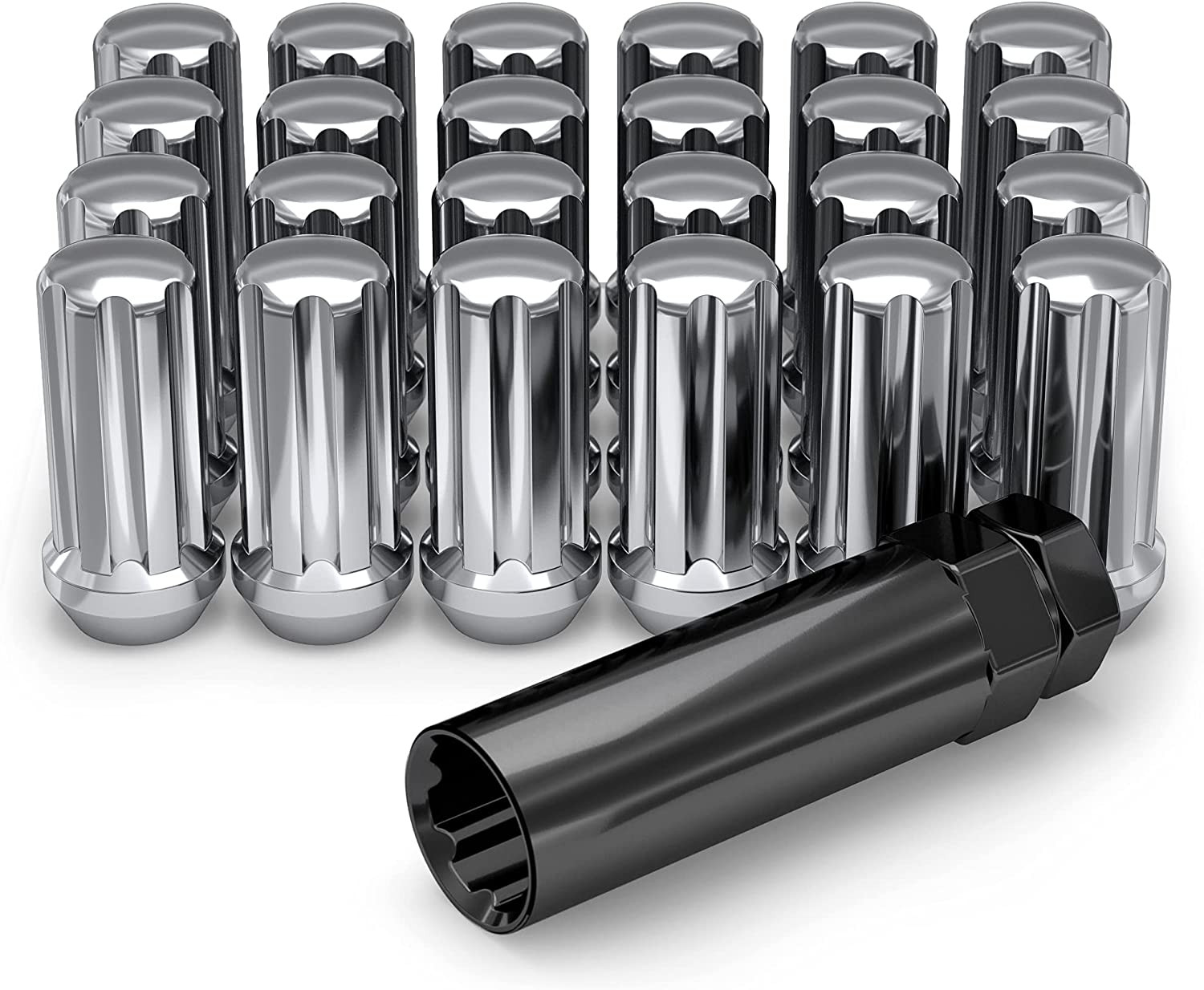
M14 x 1.5 · Thread match only; seat style is not verified
View on Amazon →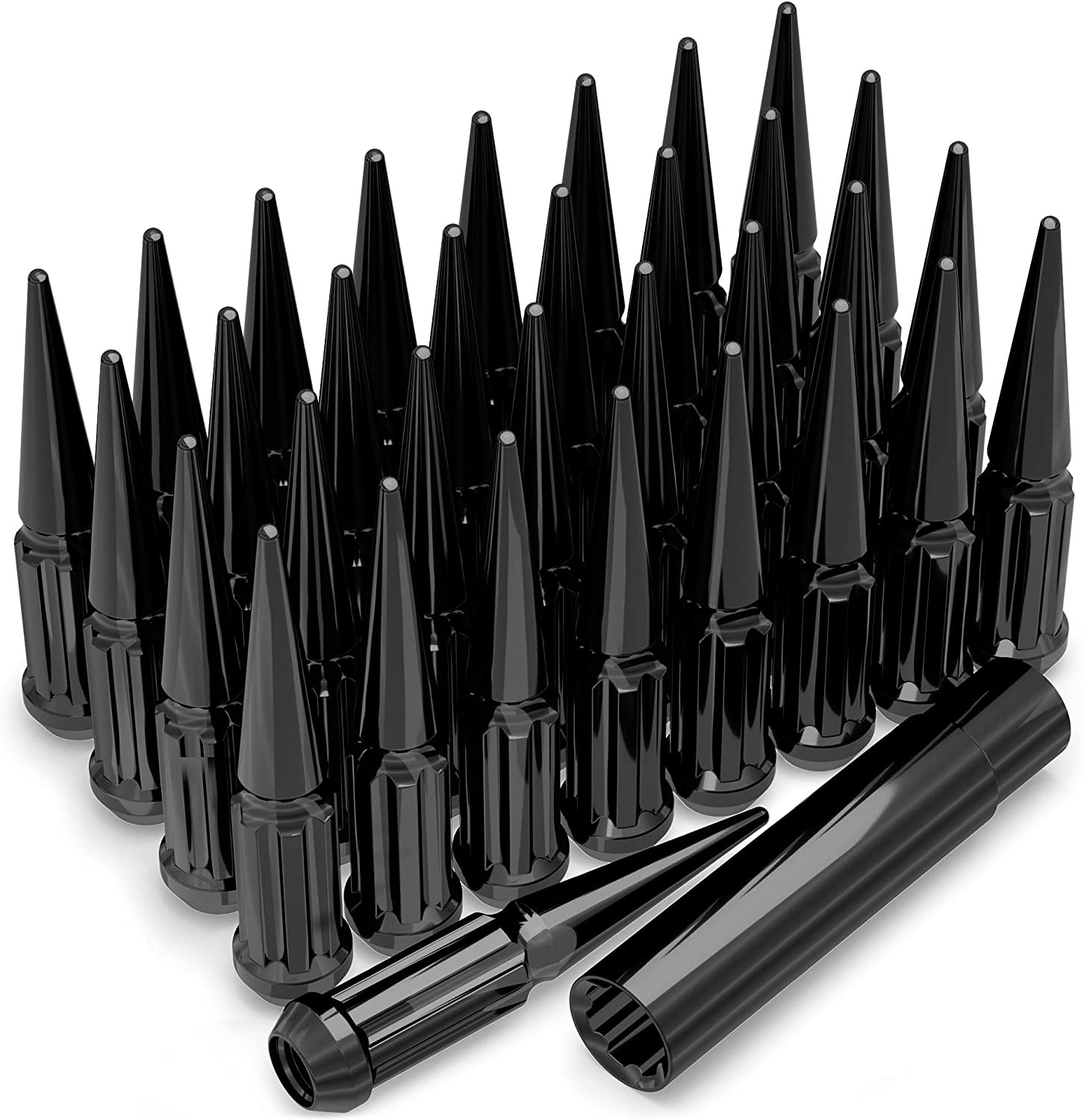
M14 x 1.5 · Thread match only; seat style is not verified
View on Amazon →As an Amazon Associate we earn from qualifying purchases. Product availability and pricing may change.
When I first set up a 2020 Audi S6 for a clean wheel change, I started with a simple mental model. Think of it as two questions: will the wheel mount correctly, and will it clear everything in motion. Mounting depends on bolt pattern, center bore, and hardware. Clearing depends on diameter, width, and offset working together with your tires and brakes. With this car, I found that beginning from the known OEM numbers kept decisions calm and straightforward.
| Spec | Value |
|---|---|
| Bolt pattern | 5x112 |
| Center bore | 66.5 mm |
| Thread size | M14 x 1.5 |
| Wheel size | 20 x 8.5 in |
| Offset (ET) | 43 mm |
| Backspacing | 5.94 in |
| Tire size | 255/40R20 |
If any values on your car differ by trim or package, that can happen. I like to confirm by checking the tire placard on the driver door jamb, the OEM wheel stamps inside the spokes, and the on-page calculator here to mirror the setup I see on the car.
The easiest early success is matching OEM-equivalent specs. That means a wheel with 5x112, a 66.5 mm hub bore or a larger bore with the right ring, M14 x 1.5 compatible hardware, and dimensions near 20 x 8.5 ET43 with a 255/40R20 tire. Using like-for-like parts keeps alignment behavior familiar and helps preserve clearance to the strut and fender.
Here is how I lock that in using the calculator:
The small win is seeing zero or minimal change in inner clearance and outer poke in the comparison. That tells me the new wheel should mount like stock, which builds confidence before I experiment.
Once the baseline feels clear, I widen the scope. The rule of thumb I use: width and offset decide where the barrel and face sit; diameter and tire profile decide rolling size and sidewall feel. Think of it as a slide-and-stretch puzzle. Adding wheel width pushes both inward and outward by half the width change, while offset acts like a front-to-back slider.
Try this in the calculator:
I like keeping overall tire diameter in a tight range for speedometer accuracy and suspension geometry feel. The calculator’s diameter delta display makes that simple to judge at a glance. Brake size may vary by trim and package, so if you simulate downsizing in diameter, I suggest using the comparison to evaluate clearance and then visually checking your calipers during test fit.
Fine-tuning is where small details help the S6 feel right. My mental model here is mount, center, seat, and spin.
If spacers are part of your plan, I treat spacer thickness as a precise dimension. I simulate the spacer by reducing offset by the same millimeter amount in the calculator, then validate hardware engagement and fender coverage during mock-up. For torque values and load ratings, I reference the owner’s manual and wheel manufacturer data rather than guessing.
Before calling a setup complete, I like a short checklist backed by OEM sources:
If anything seems uncertain, I cross-check at the dealership parts counter using the VIN, or I reference the original wheel part number stamped on the inside for exact ET and size data.
Quick recap: start from the 2020 Audi S6 baseline of 5x112, 66.5 mm center bore, M14 x 1.5 hardware, and the stock 20 x 8.5 ET43 with 255/40R20. Use that as your comparison anchor in the calculator. Expand thoughtfully by adjusting width and offset while watching inner clearance and outer poke. Refine the details with proper hub centering and matching hardware seats. Validate with OEM markings, the door placard, and a careful test fit. With that step-by-step progression, picking wheels for the S6 becomes clear, confident, and repeatable.
Wheel interchange depends on more than bolt pattern. Where data is available, this site compares recorded OEM values:
A normal wheel spacer does not change bolt pattern. Hub rings cannot enlarge a wheel bore that is smaller than the hub. Brake clearance and tire package fitment still require vehicle-specific checks when not confirmed in the dataset.
