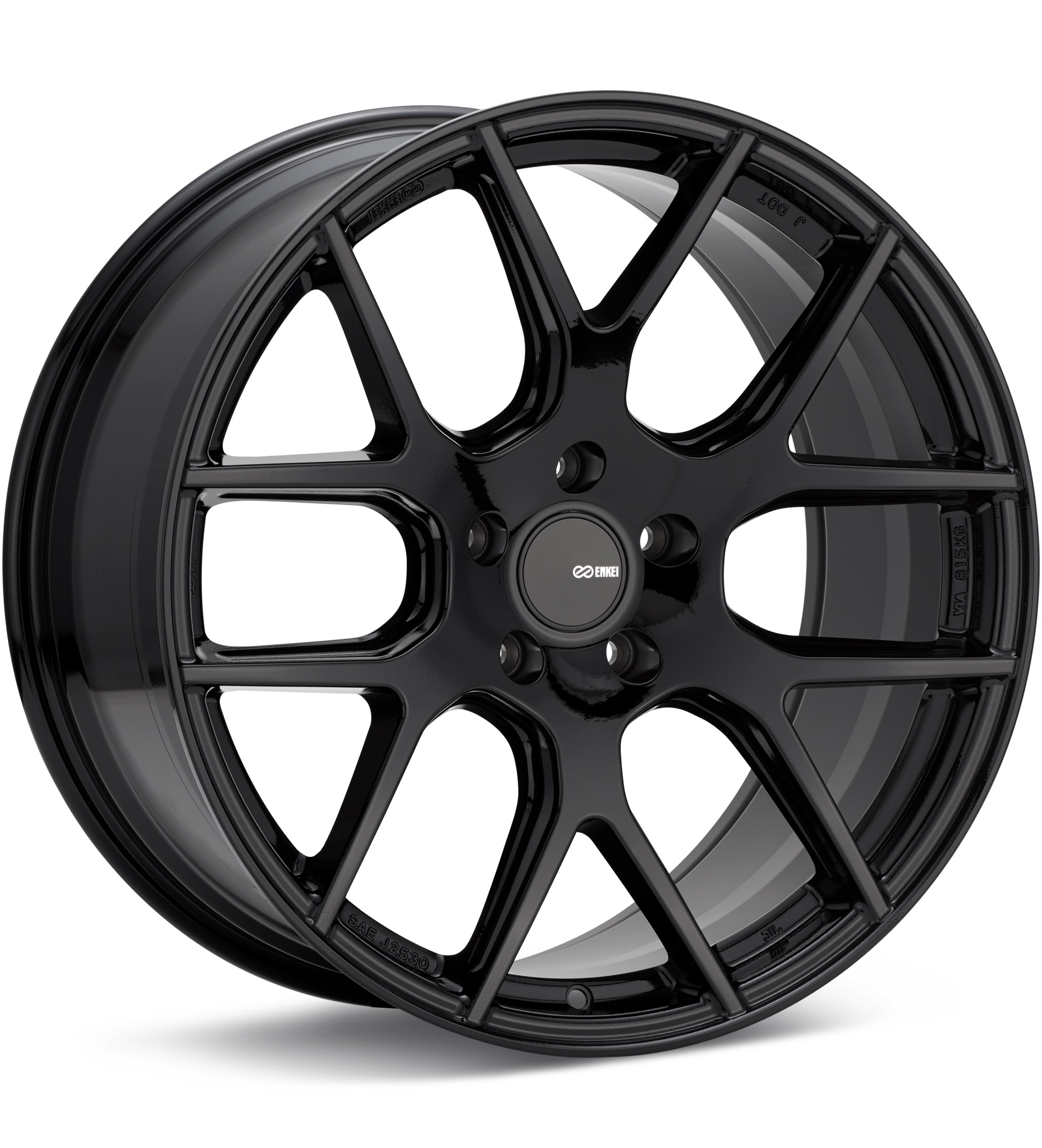
Enkei Performance
XM-6
Gloss Black
20 × 8.5″ · ET +40
$294.82
View at Tire Rack ↗Recorded OEM specifications for the 2022 Audi S6, donor years with overlapping ranges, and a calculator to compare a selected wheel. Range overlap is not a guaranteed fit.
Save these wheel specs to your Ownery garage
Baseline mounting dimensions used for interchange decisions.
Multiple OEM configurations exist for this vehicle. Fitment can vary by trim, brakes, and factory wheel package – confirm your exact setup before buying.
Thread-only product links are shopping examples, not verified fits. Seat style is not confirmed here. As an Amazon Associate we earn from qualifying purchases.
Selected size: 20 × 8.5″ · ET +43
Showing matching bolt patterns and offsets up to 20 mm lower. Confirm center bore, load rating, and clearance at Tire Rack.
Enkei Performance
Gloss Black
20 × 8.5″ · ET +40
$294.82
View at Tire Rack ↗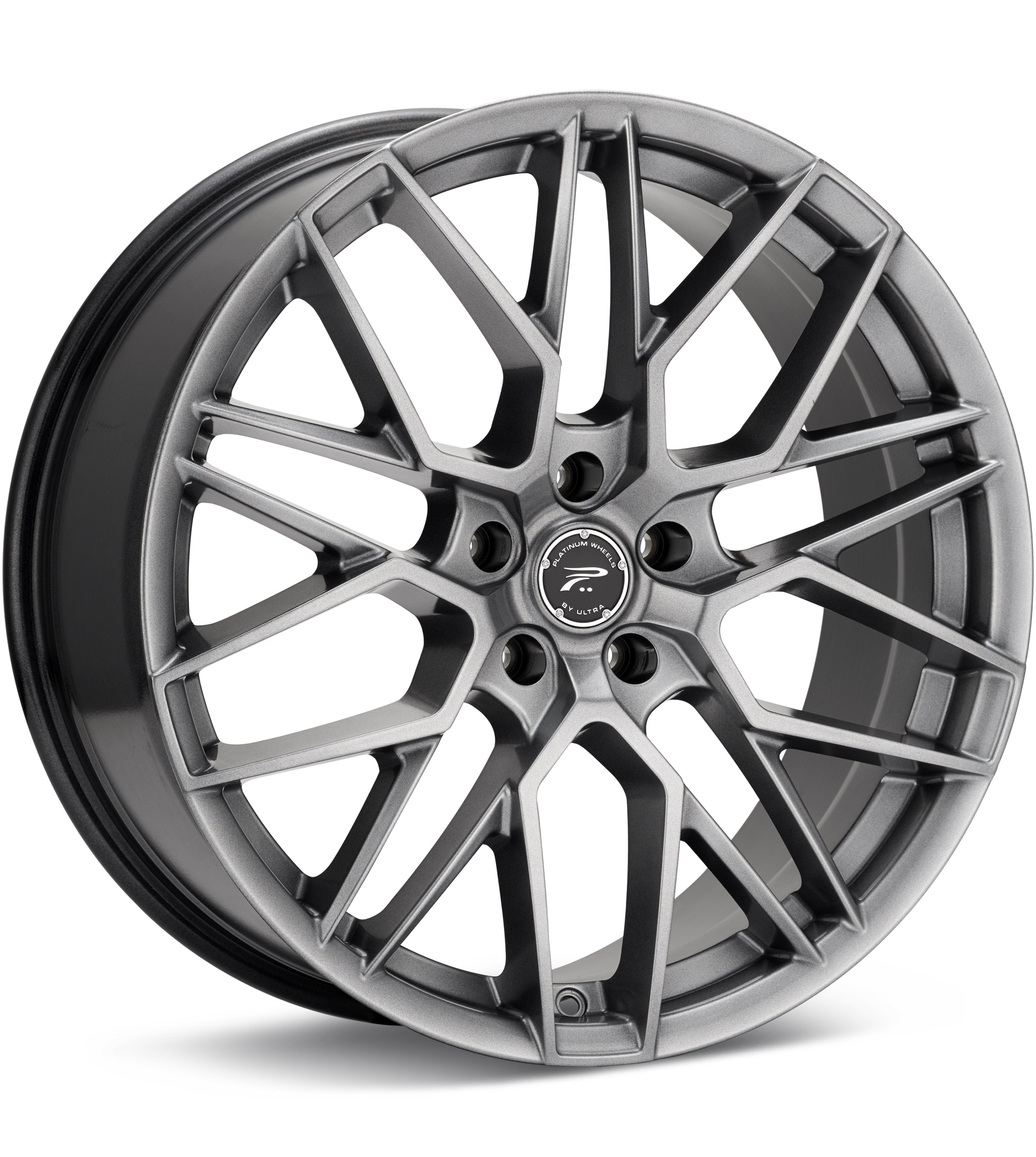
Platinum
Bright Graphite
20 × 8.5″ · ET +35
$267.67
View at Tire Rack ↗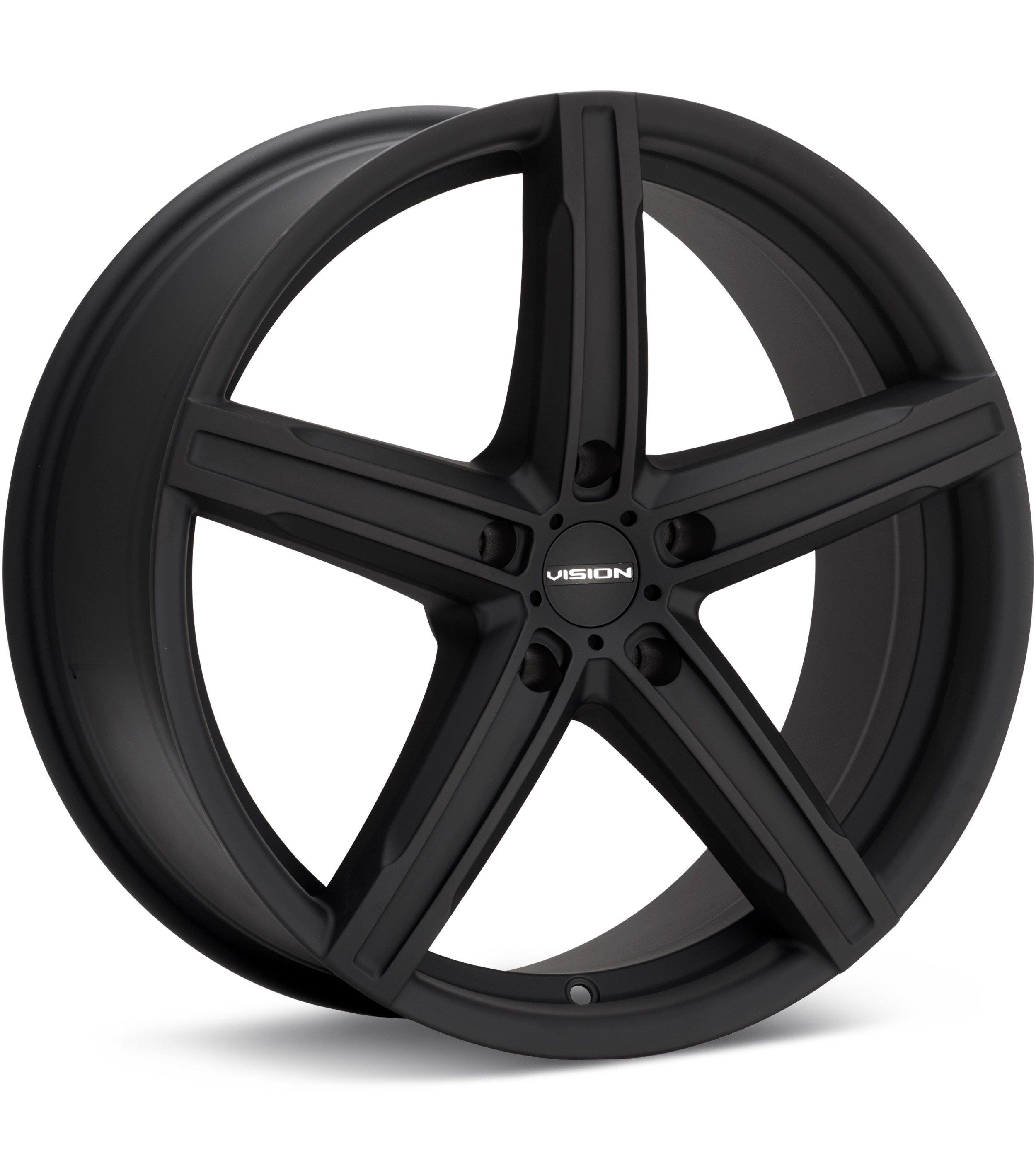
Vision Wheel
Satin Black
20 × 8.5″ · ET +35
$329.00
View at Tire Rack ↗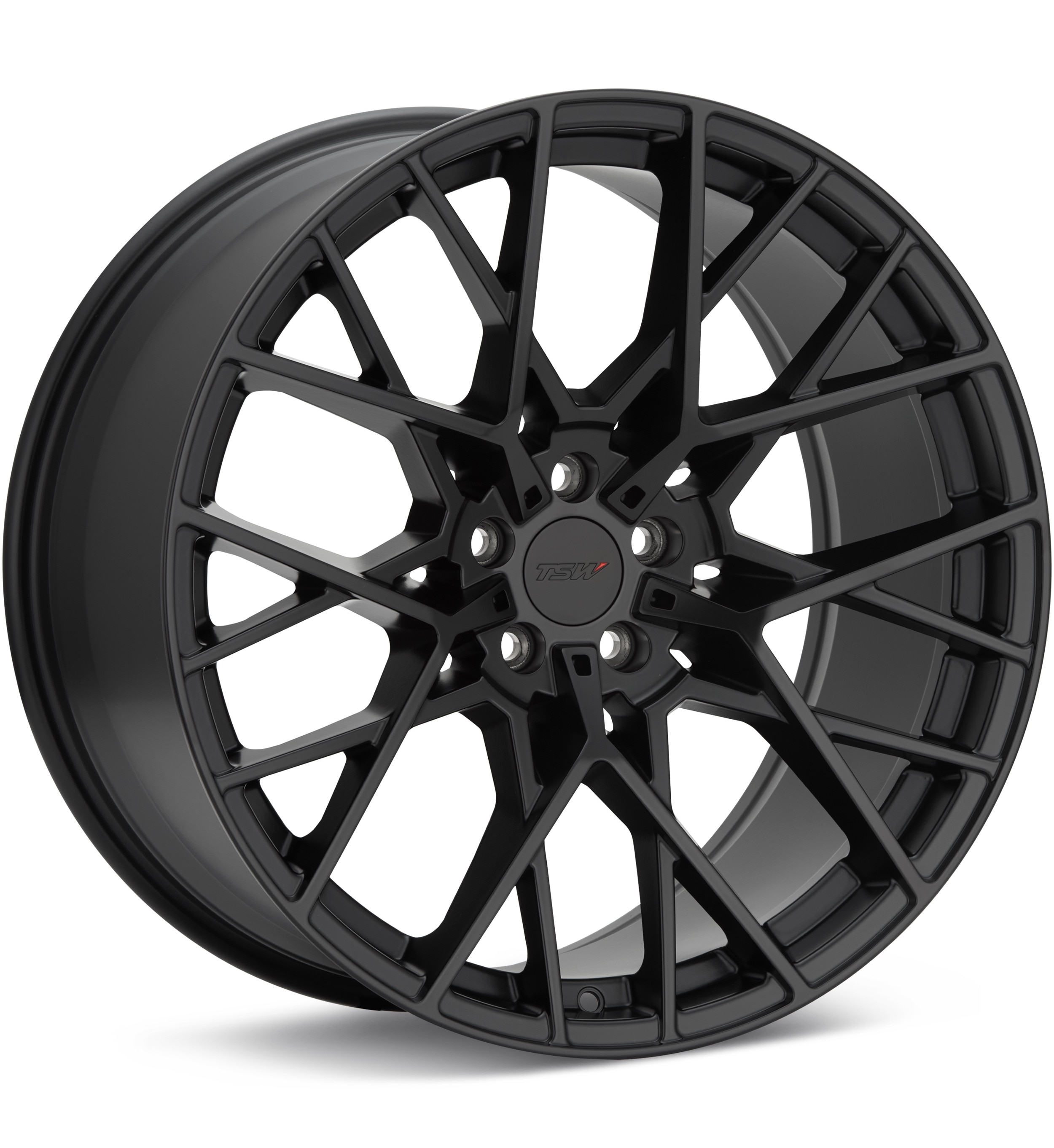
TSW
Black
20 × 8.5″ · ET +32
$438.00
View at Tire Rack ↗We may earn a commission when you buy through these links. Prices and availability may change.
These are vehicle-year records whose recorded OEM ranges overlap this 2022 Audi S6. Overlap is not a guarantee that a specific wheel will install. Selected-wheel comparison is in the calculator below.
Evaluated 97 donor years. Listed 24 eligible overlaps (not all evaluated years are compatible). Showing all listed.
Years grouped because recorded compatibility evidence is equivalent. Each year keeps its own page.
Approximate position vs the mid OEM package: outer change -1.17 mm, inner change -5.18 mm. This uses aggregated width/offset ranges, not a specific wheel.
Donor width/offset sits outside the known OEM envelope for this vehicle.
Years grouped because recorded compatibility evidence is equivalent. Each year keeps its own page.
Donor width/offset sits outside the known OEM envelope for this vehicle.
Years grouped because recorded compatibility evidence is equivalent. Each year keeps its own page.
Approximate position vs the mid OEM package: outer change -1.17 mm, inner change -5.18 mm. This uses aggregated width/offset ranges, not a specific wheel.
Years grouped because recorded compatibility evidence is equivalent. Each year keeps its own page.
Approximate position vs the mid OEM package: outer change -1.17 mm, inner change -5.18 mm. This uses aggregated width/offset ranges, not a specific wheel.
Years grouped because recorded compatibility evidence is equivalent. Each year keeps its own page.
Approximate position vs the mid OEM package: outer change -1.17 mm, inner change -5.18 mm. This uses aggregated width/offset ranges, not a specific wheel.
Years grouped because recorded compatibility evidence is equivalent. Each year keeps its own page.
Approximate position vs the mid OEM package: outer change -5.18 mm, inner change -1.17 mm. This uses aggregated width/offset ranges, not a specific wheel.
Years grouped because recorded compatibility evidence is equivalent. Each year keeps its own page.
Approximate position vs the mid OEM package: outer change -1.17 mm, inner change -5.18 mm. This uses aggregated width/offset ranges, not a specific wheel.
Only years with evidence-based interchange relationships are listed. Adjacent years are not assumed compatible.
Compare a donor vehicle or custom wheel against this 2022 Audi S6. Use Compare in calculator on a donor row above to fill the donor side of this same calculator.
Compare wheel compatibility between two vehicles
2022 Audi S6





Example products matched to recorded thread, hub, or spacer dimensions. They are not verified fits. Confirm seat style, thickness, and clearance before ordering.
M14 x 1.5
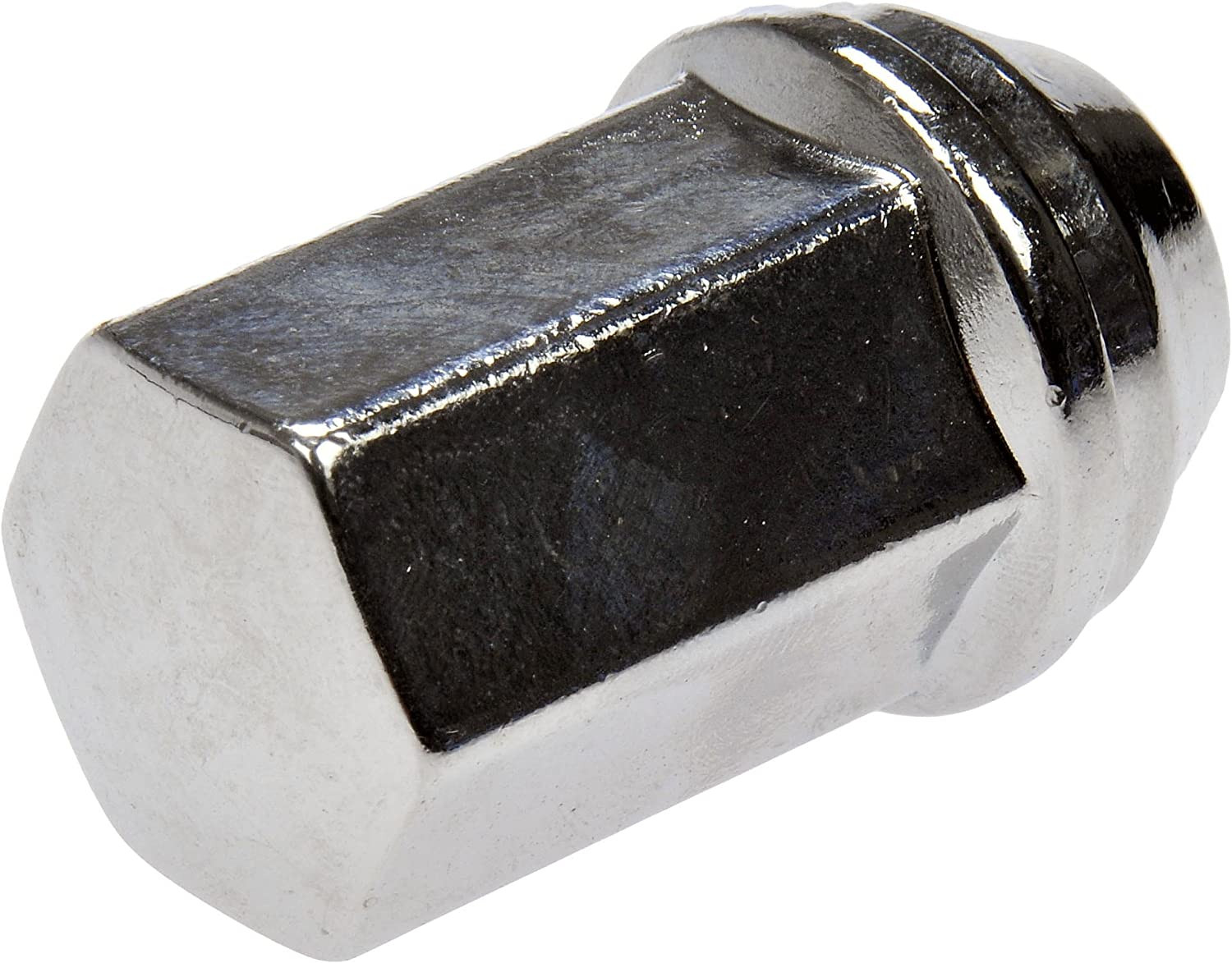
M14 x 1.5 · Thread match only; seat style is not verified
View on Amazon →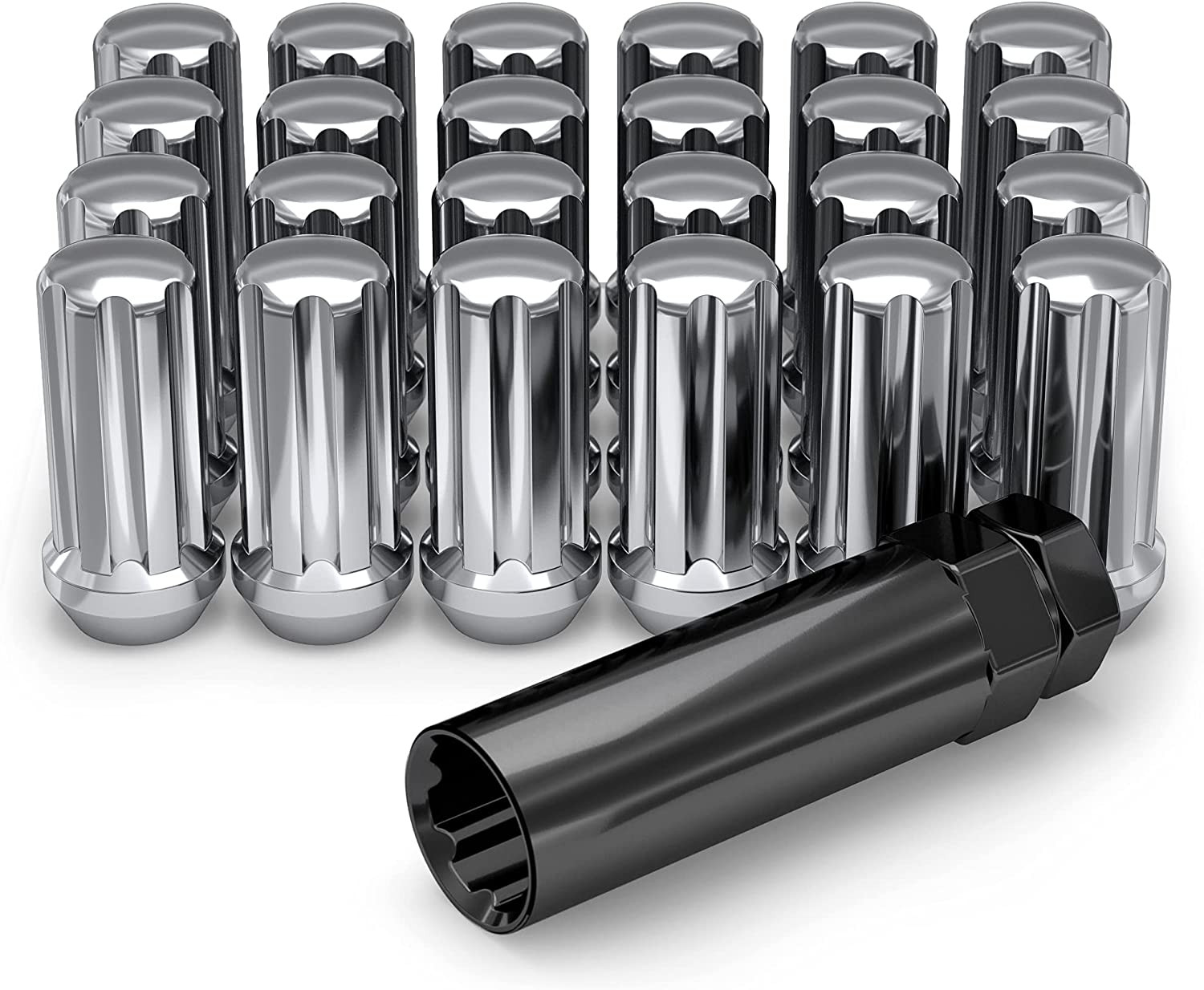
M14 x 1.5 · Thread match only; seat style is not verified
View on Amazon →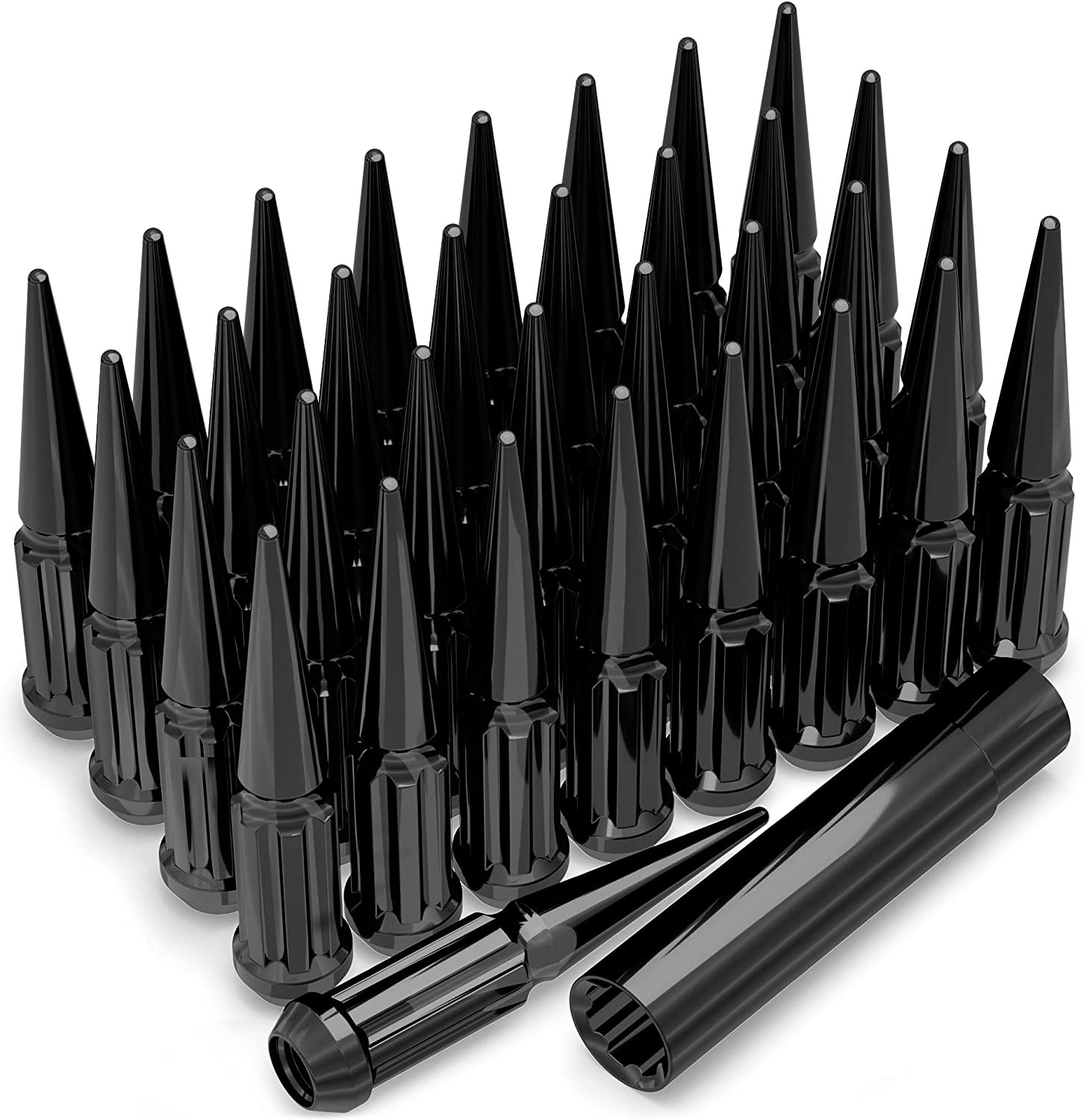
M14 x 1.5 · Thread match only; seat style is not verified
View on Amazon →As an Amazon Associate we earn from qualifying purchases. Product availability and pricing may change.
Diagnose whether replacement or aftermarket wheels and tires will fit a 2022 Audi S6. I will guide you through the specific fitment constraints, stepwise checks, and practical validations.
Have the car parked on level ground with the handbrake engaged. You will need basic tools, a torque wrench, calipers or a ruler, jack stands, and access to the on-page wheel/tire calculator.
| Specification | Value |
|---|---|
| Bolt pattern (studs x PCD) | 5x112 |
| Center bore (mm) | 66.5 |
| Thread size | M14 x 1.5 |
| Rim diameter (in) | 20 |
| Rim width (in) | 8.5 |
| Wheel offset (ET, mm) | 43 |
| Backspacing (in) | 5.94 |
| Tire size | 255/40R20 |
Assumption: these values reflect the OEM wheels for the listed model year and trim. Some trims or optional packages may vary. Use the on-page calculator and OEM sources for final confirmation.
Problem first. The typical fitment problems are incorrect bolt pattern, insufficient center bore seating, wrong thread engagement, offset causing rubbing, and brake clearance issues. Follow these steps to detect and resolve these constraints.
Confirm the wheel is 5x112 and the hub studs are M14 x 1.5 threads. If either differs, do not attempt to install without the correct adapter or replacement hardware.
Measure the wheel center bore and compare it to the hub bore of 66.5 mm. If the wheel bore is larger, plan on using hub-centric rings sized to 66.5 mm for proper centering and to reduce vibration. A suitable search for rings and related tools is here: hub centric rings 66.5 mm
The OEM rim is 20x8.5 with ET43 and backspacing 5.94 in. If you consider a different width or offset, use the on-page calculator to compare the donor wheel against "Installed on (your vehicle)". Adjust custom rim width, diameter and offset and review predicted clearance, scrub radius, and speedometer change.
OEM tire is 255/40R20. If you change diameter or sidewall height, the calculator updates overall diameter. Check rolling circumference and watch for speedometer error and rubbing at full lock.
With the vehicle lifted and wheels removed, simulate the new wheel on the hub. Check for at least small gap between wheel inner barrel and calipers at full turn and suspension droop. Spin the hub and feel for contact or asymmetric clearances.
Match seat type and thread length to the wheel. For M14 x 1.5 threads you may need OEM-compatible bolts. If you need tools, a torque wrench is recommended for correct final tightening: torque wrench
Hand-start all bolts, then torque in the recommended star pattern to the OEM torque spec. If OEM torque is unknown, consult the factory manual or dealer for the exact value. Re-torque after 50 to 100 miles as part of validation.
Drive slowly and listen for rubbing, vibration, or abnormal steering feel. Check TPMS, ABS, and traction lights. If you detect vibration, stop and recheck hub centring and lug torque.
Validation prevents unsafe outcomes. Perform these checks systematically.
Use the on-page calculator for numeric validation. It will show effective rim offset changes, scrub radius, and tire diameter differences. Confirm any remaining unknown values against Audi OEM literature before final approval.
If you hit a problem, identify the likely cause quickly and remediate with the smallest intervention.
Cause: offset too low or rim too wide. Solution: increase offset, reduce width, or fit a different tire profile. Trade-off: spacers can move wheels outboard but may stress hub studs and change scrub radius.
Cause: poor centering or uneven torque. Solution: confirm wheel is hub-centered, use centering rings if needed, and re-torque bolts in sequence. If vibration persists, have wheel and tire balanced and check hub run-out.
Cause: wrong bolt length or thread pitch mismatch. Solution: stop. Confirm thread size M14 x 1.5 and source correct bolts or studs. Search for compatible hardware if needed: M14 x 1.5 lug bolts
Cause: different overall tire diameter. Solution: use the calculator to quantify the percent change. If change is significant, program a TPMS or vehicle ECU adjustment if available, or return to a diameter closer to OEM.
Some trim levels or factory wheel options can vary. If a listed value is unclear, confirm via the on-page calculator, the vehicle placard, or the OEM parts manual. This validation step avoids assumptions and ensures safe fitment.
You started with uncertainty about fitment and now have a method to confirm compatibility for a 2022 Audi S6. Use the OEM values provided, the on-page calculator, and direct OEM documentation where numbers are unclear. Small trade-offs are common; choose the solution that preserves safety and brake clearance.
If you need parts or tools, only source hardware that matches the listed spec M14 x 1.5 and hub bore 66.5 mm. Re-check torque after the first miles and perform a cautious test drive to complete validation.
Wheel interchange depends on more than bolt pattern. Where data is available, this site compares recorded OEM values:
A normal wheel spacer does not change bolt pattern. Hub rings cannot enlarge a wheel bore that is smaller than the hub. Brake clearance and tire package fitment still require vehicle-specific checks when not confirmed in the dataset.
