2008 Buick Lucerne Wheel Fitment Guide
Known OEM Fitment For 2008 Buick Lucerne
The specifications below reflect known factory equipment for at least one 2008 Buick Lucerne configuration. Some trims may differ. If your door jamb tire label or owner’s manual list different sizes or offsets, follow those OEM values. Use the on-page calculator to compare what you have to these known specs and confirm with OEM sources before buying.
| Bolt pattern | 5x115 |
| Center bore | 70.3 mm |
| Thread size | M12 x 1.5 |
| Rim diameter | 16 in |
| Rim width | 7.0 in |
| Wheel offset | ET 46 mm |
| Backspacing | 5.31 in |
| Tire size | 225/60R16 |
How to verify OEM data for your exact trim: check the tire information label on the driver door jamb, review the owner’s manual, and match part numbers in a GM parts catalog using your VIN. If any value here differs from your vehicle, rely on your OEM sources and use the calculator to compare changes.
How To Use The Wheel Interchange Calculator
The calculator lets you compare a donor setup to your vehicle and also try custom wheel and tire sizes. It updates tire diameter automatically when you change rim diameter so you can see how speedometer and clearance will be affected.
- Set Installed on your vehicle to 2008 Buick Lucerne, then confirm the OEM values above or enter your exact door-jamb specs.
- Choose Wheels from for a potential donor vehicle or enter a Custom wheel size by rim diameter, width, and offset. You can also set a Custom tire size by section width and aspect ratio.
- Review changes in track width, inner clearance to strut or control arms, and outer poke toward the fender. The tool will display tire diameter change in percent.
- Aim to keep overall tire diameter close to stock for proper speedometer and ABS behavior. Many owners target within about 3 percent. Always inspect the car for real-world clearance.
- Use the side-by-side to decide if hub-centric rings are needed when the wheel center bore is larger than 70.3 mm. If the bore is smaller than 70.3 mm, the wheel will not seat on the hub.
Fitment Checklist Before You Buy
Go through each item to avoid vibration, rubbing, or hardware issues.
- Bolt pattern must be exactly 5x115. Do not use 5x114.3 wheels with wobble nuts.
- Center bore must be 70.3 mm or larger. If larger, plan on hub-centric rings to 70.3 mm. If smaller, the wheel will not fit the hub.
- Offset and backspacing must clear brakes and suspension. Compare with ET 46 mm and 5.31 in backspacing using the calculator and verify on the car.
- Brake caliper clearance. Spoke design varies. Test-fit or use a template when possible.
- Tire outside diameter. Keep diameter close to stock for proper speedometer and to avoid fender contact. The calculator shows percent change.
- Inner clearance. Ensure sufficient space to struts, spring perches, and liners during full steering lock and suspension compression.
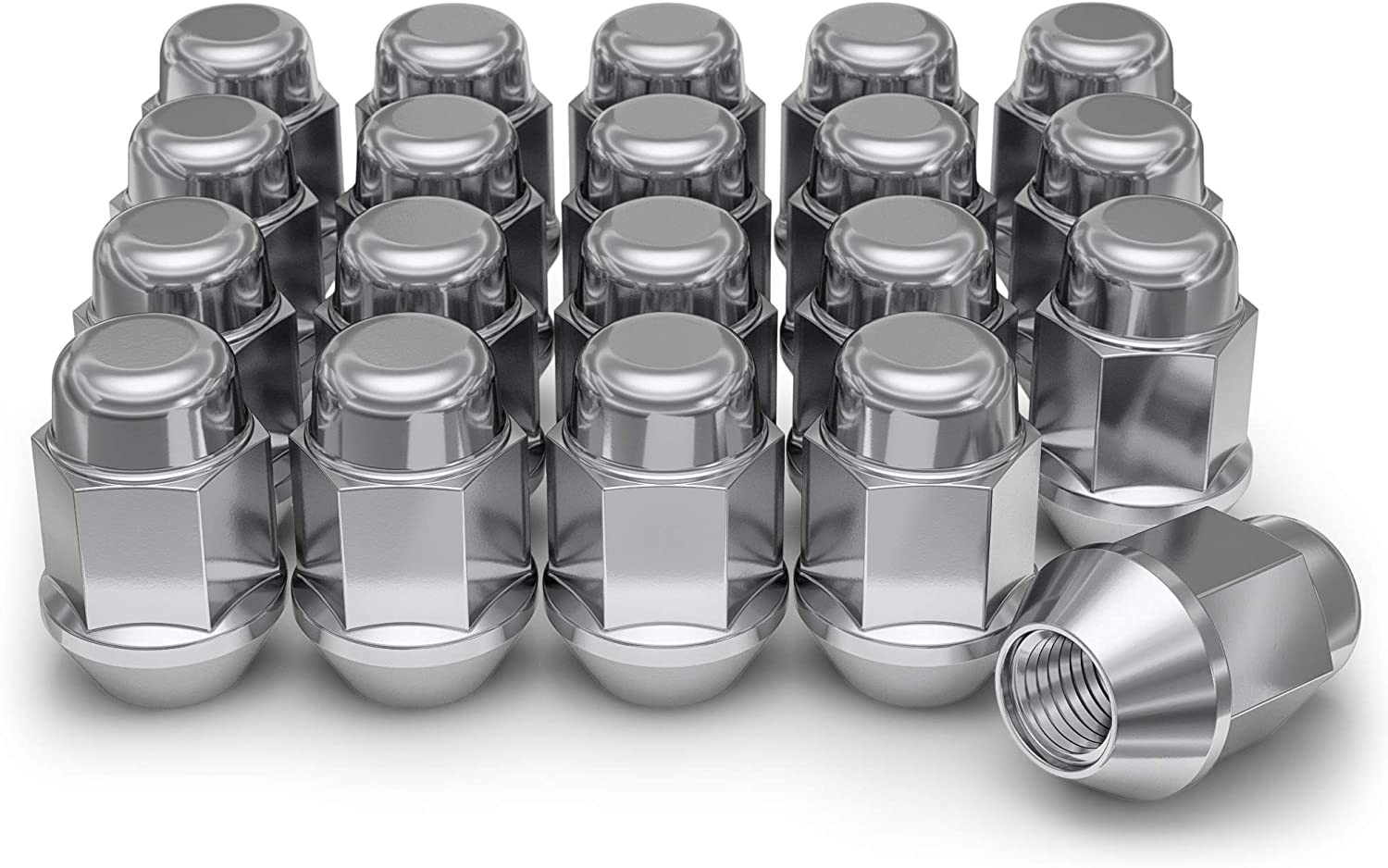
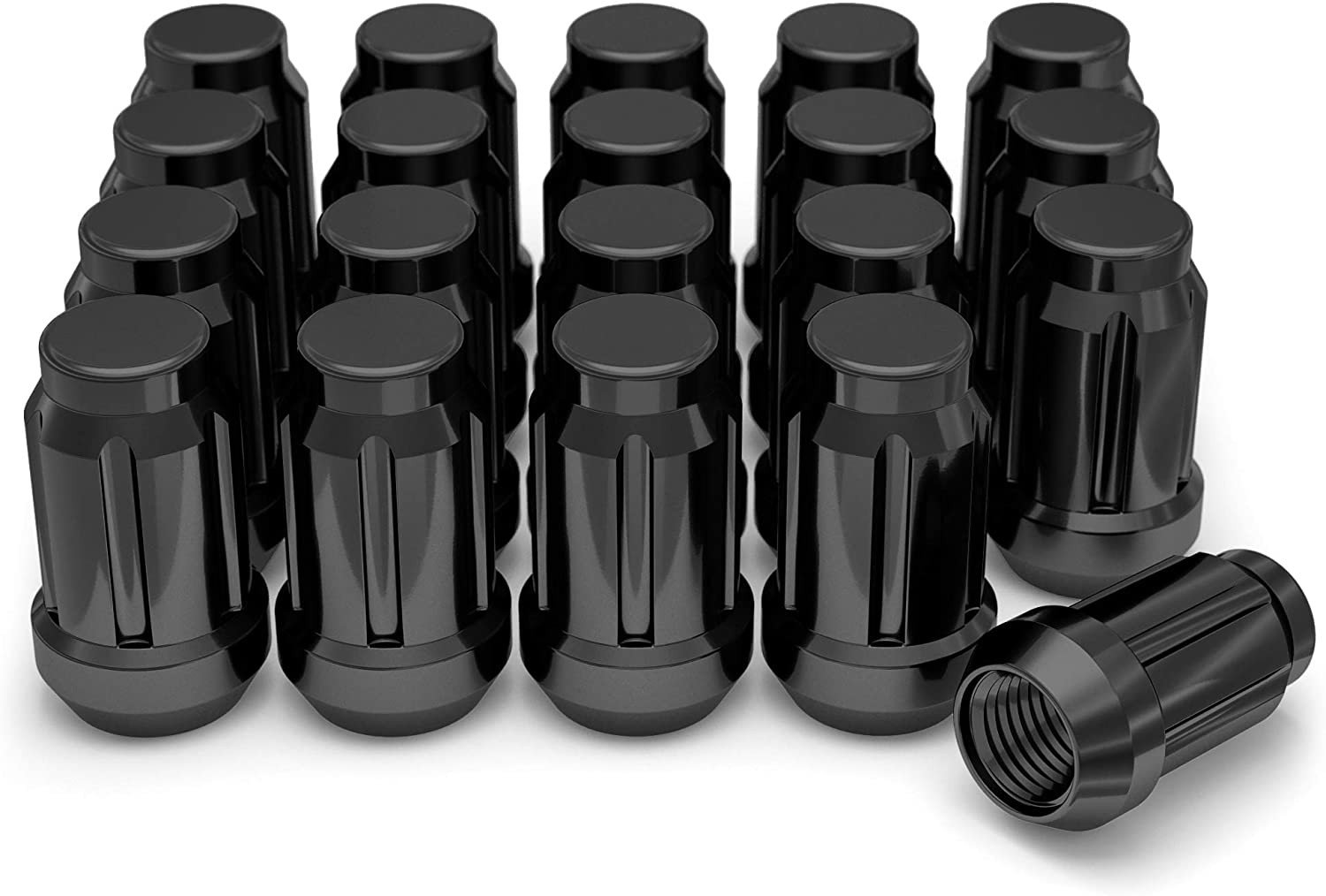
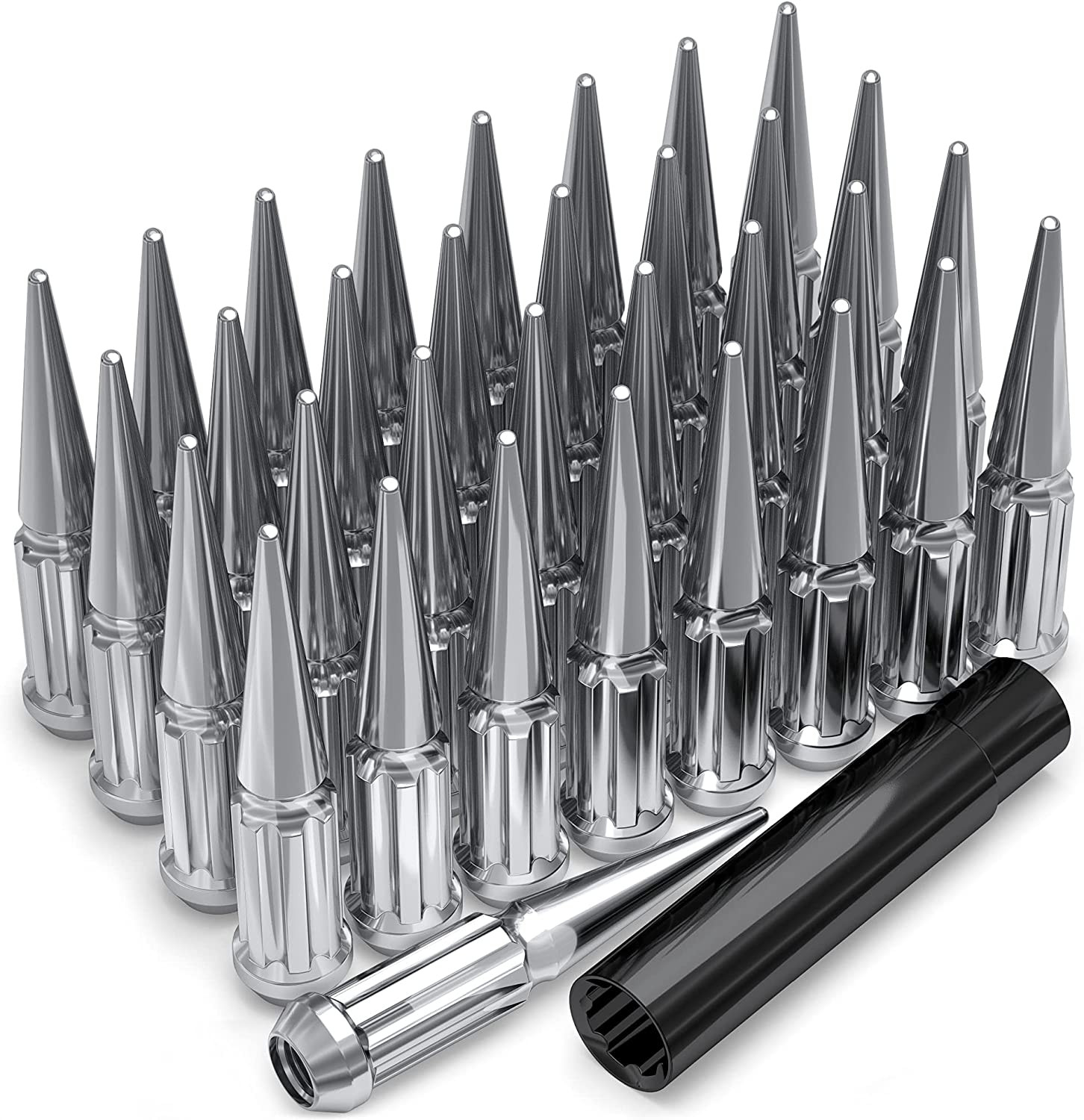
- Lug nut seat and hardware. Match the seat style to the wheel, and use M12 x 1.5 hardware. Thread engagement should be at least the full stud diameter.
- Load rating. Wheels and tires must meet or exceed the vehicle’s GAWR. Check manufacturer data sheets.
- TPMS. Plan for sensor transfer or new sensors and a relearn procedure.
- Spare tire compatibility. If you change overall diameter significantly, verify your spare is still usable.
Plus Sizing And Common Upgrades
Many Buick Lucerne owners consider larger diameters or wider tires for appearance and handling. Actual compatibility varies by trim, brake package, and suspension condition, so do not assume another size will fit.
- Use 225/60R16 on a 16x7 ET 46 baseline to model changes. Increase rim diameter and let the calculator suggest tire sizes that keep overall diameter near stock.
- When going wider, monitor inner clearance to struts and outer poke to the fender. Small offset changes can have a large effect.
- Keep diameter close to stock to protect ride quality, gearing, and ABS calibration. If the change is large, a speedometer correction may be needed.
- If aftermarket wheel center bore exceeds 70.3 mm, plan to use quality hub-centric rings for vibration control.
Because factory options may vary by trim, confirm any non-stock size against your VIN-specific OEM data and test-fit before committing.
Installation Tips
- Inspect and clean hub faces. Remove rust with a wire brush and ensure the mounting surface is flat and dry.
- Never lubricate wheel studs or lug nut seats unless the OEM procedure directs it. Install fasteners clean and dry.
- If using hub-centric rings, seat them fully on the hub before lifting the wheel into place.
- Hand start all lug nuts, snug in a star pattern, then torque to the specification in your owner’s manual. Re-torque after 50 to 100 miles.
- Verify brake line and caliper clearance, then turn lock to lock and compress the suspension to check for contact.
- After significant size or offset changes, get a four-wheel alignment and reset TPMS.
Tools And Helpful Supplies
FAQs
Are all 2008 Buick Lucerne models 5x115?
5x115 is listed in the known fitment here, but some trims and wheel packages may vary in wheel size or offset. Always verify your vehicle’s door-jamb label and OEM documentation.
Can I install 5x114.3 wheels on a 5x115 hub?
No. Do not use mismatched bolt patterns or wobble hardware. Use wheels that are exactly 5x115.
What if the aftermarket wheel has a larger center bore than 70.3 mm?
Use hub-centric rings that reduce the wheel bore to 70.3 mm. If the wheel’s bore is smaller than 70.3 mm, it will not fit.
How far can I deviate from the OEM tire diameter?
Many aim to stay within about 3 percent of stock to keep speedometer error and clearance issues low. Use the calculator to see the exact percentage and check clearances on the car.
What offset should I use with wider wheels?
Start from the known ET 46 mm reference and use the calculator to model inner and outer movement based on your new width. Final offset depends on brake and fender clearance on your specific car.
Do I need new lug nuts?
You must use M12 x 1.5 hardware with the correct seat type that matches the wheel design. If your new wheels require a different seat style, purchase compatible nuts and verify thread engagement.
What is the lug nut torque for the Lucerne?
Do not guess. Use the owner’s manual or a GM service manual for the exact torque spec for your trim and wheel material, then torque in a star pattern and re-check after driving.
Will larger diameter wheels affect ride quality?
Usually yes, due to shorter sidewalls. Keep overall diameter close to stock and use quality tires. Evaluate ride, handling, and clearance with a careful test drive.