OEM wheel and tire fitment specs for the 2009 Dodge Avenger, including bolt pattern (PCD), center bore diameter, thread size, rim diameter, rim width, wheel offset, and backspacing.
Recorded OEM specifications for the 2009 Dodge Avenger, donor years with overlapping ranges, and a calculator to compare a selected wheel. Range overlap is not a guaranteed fit.
Multiple OEM configurations exist for this vehicle. Fitment can vary by trim, brakes, and factory wheel package – confirm your exact setup before buying.
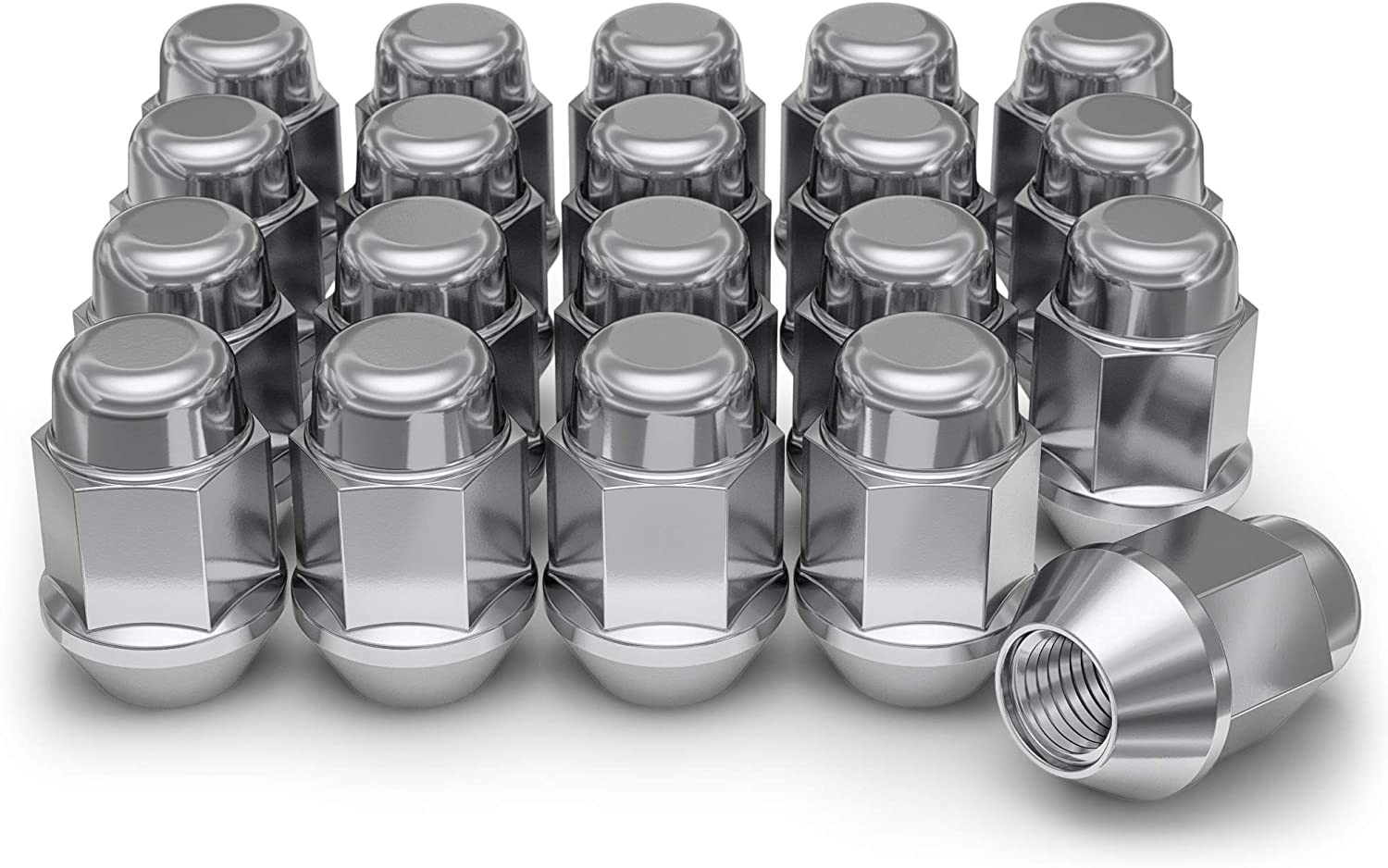
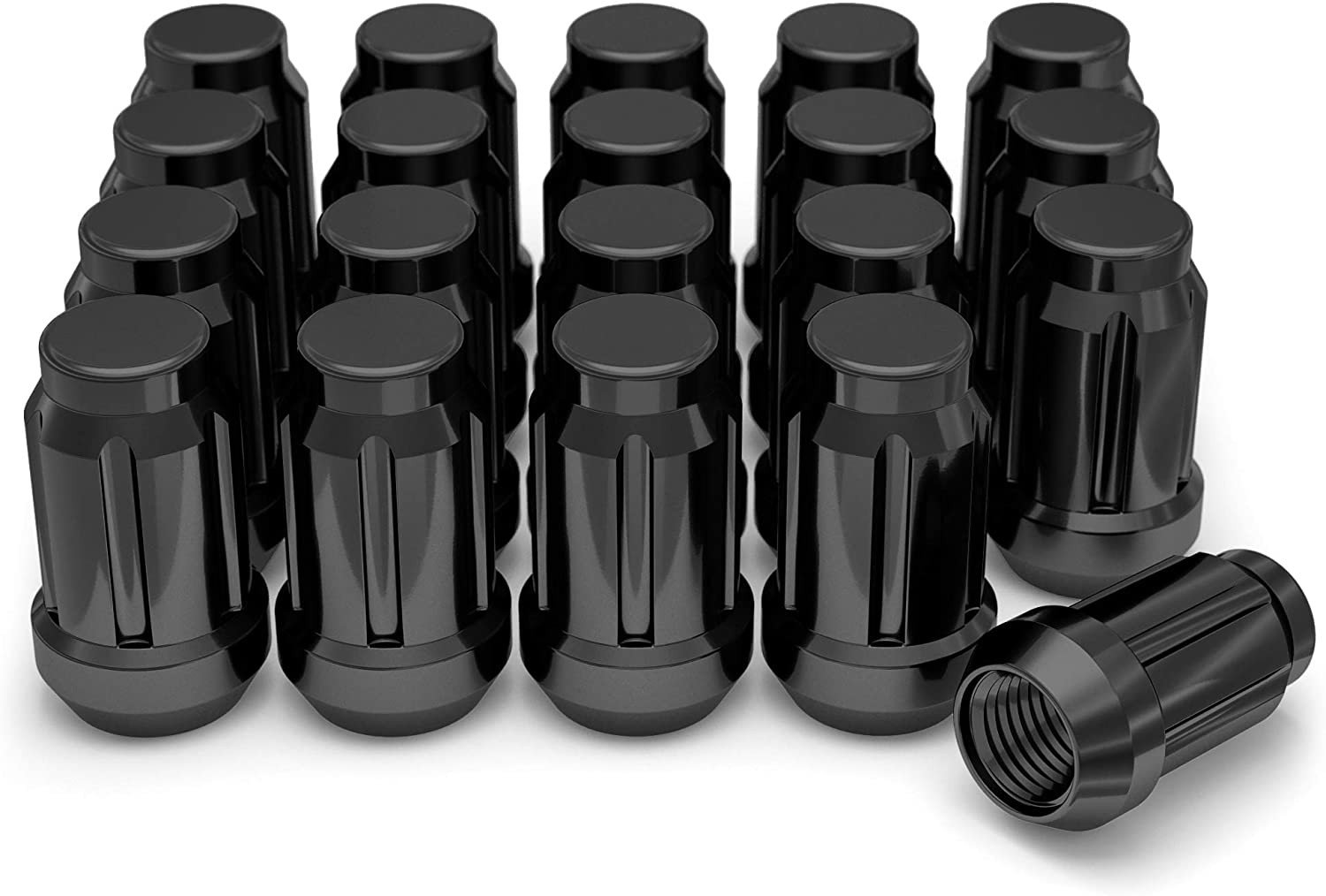
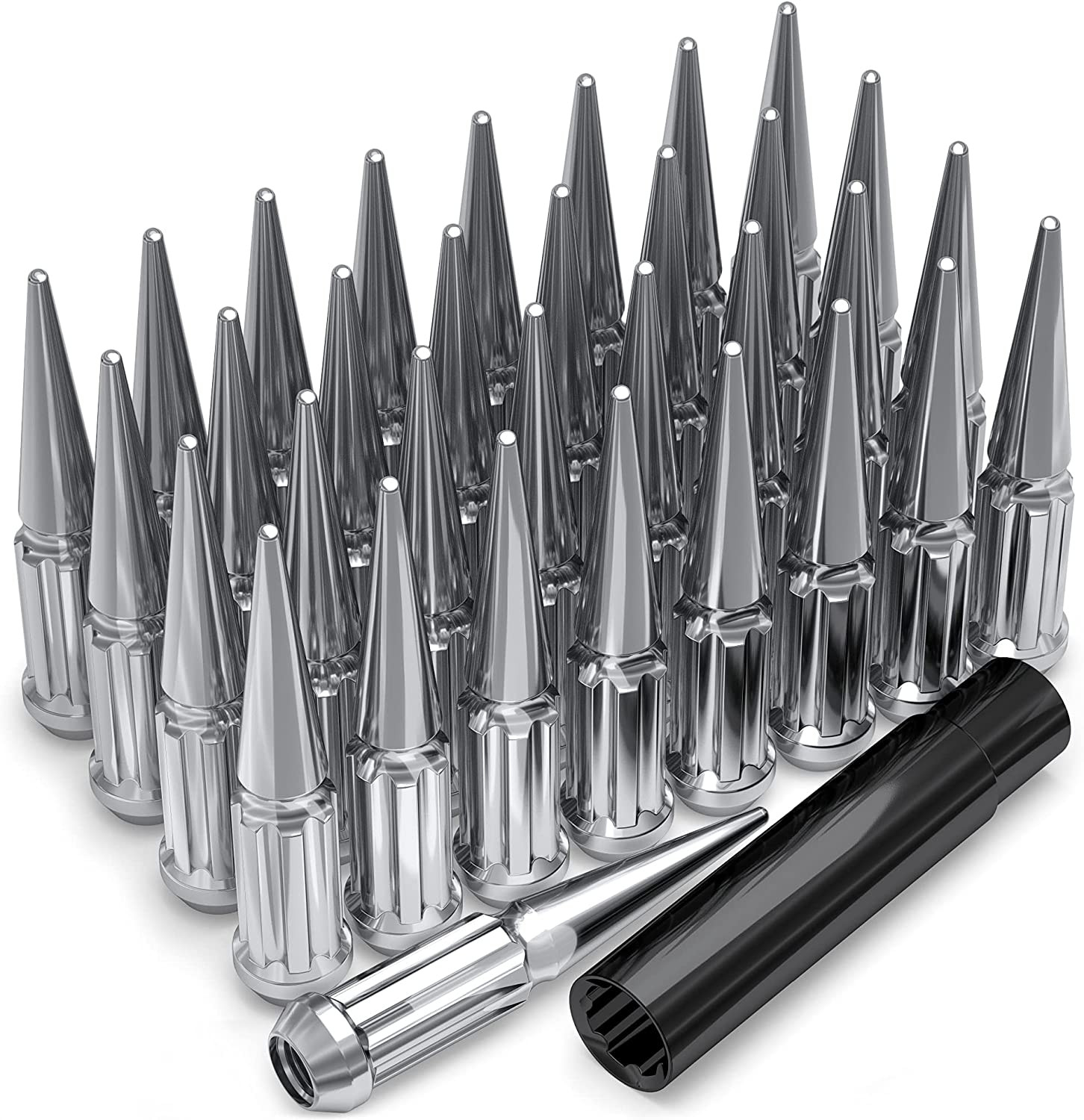
Thread-only product links are shopping examples, not verified fits. Seat style is not confirmed here. As an Amazon Associate we earn from qualifying purchases.
Donor vehicles with overlapping OEM specs
These are vehicle-year records whose recorded OEM ranges overlap this 2009 Dodge Avenger. Overlap is not a guarantee that a specific wheel will install. Selected-wheel comparison is in the calculator below.
Evaluated 14 donor years. Listed 14 eligible overlaps (not all evaluated years are compatible). Showing all listed.
Wheel geometryOEM width/offset ranges overlap (not a specific wheel)
Approximate position vs the mid OEM package: outer change -0.67 mm, inner change -5.68 mm. This uses aggregated width/offset ranges, not a specific wheel.
Wheel geometryOEM width/offset ranges overlap (not a specific wheel)
Approximate position vs the mid OEM package: outer change -0.67 mm, inner change -5.68 mm. This uses aggregated width/offset ranges, not a specific wheel.
Dodge Avenger Years With Compatible Wheels
Only years with evidence-based interchange relationships are listed. Adjacent years are not assumed compatible.
Compare a donor vehicle or custom wheel against this 2009 Dodge Avenger. Use Compare in calculator on a donor row above to fill the donor side of this same calculator.
Compare
Compare wheel compatibility between two vehicles
Wheels from (donor vehicle)
Selected Car:
Custom wheel size (optional)
Tip: change values here to simulate custom wheels and immediately see the impact in the comparison below.
Custom tire size (optional)
Installed on (your vehicle)
Selected Car:
2009 Dodge Avenger
Compare Rims
Specification
Wheels from
Installed on
Result (Click it)
Bolt Pattern
The total number of bolt holes and the diameter of the circle they form.
-
5x114.3
Center Bore
The hole in the center of the wheel that fits over the vehicle’s hub.
-
67.1 mm
Thread Size
The size and spacing of the threads on the bolts or nuts that hold the wheel in place.
-
M12 x 1.5
Rim Diameter
The wheel diameter in inches that determines which tire sizes will fit.
-
16"
Rim Width
The distance between the inner edges of the wheel is measured in inches.
-
6.5"
Wheel Offset
How far the wheel sits inward or outward relative to the hub mounting surface.
-
40 mm
Backspacing
Shows how much space the wheel takes up toward the inside of the vehicle.
-
-
Wheel Fasteners
The type of hardware used to secure the wheel to the vehicle.
-
-
Compare Tires
Specification
Wheels from
Installed on
Result (Click it)
Section Width
The width of the tire from sidewall to sidewall, measured in millimeters.
-
-
Aspect Ratio
The height of the tire’s sidewall expressed as a percentage of its width.
-
-
Diameter
The wheel diameter for which the tire is designed to fit.
-
-
Tire Pressure
The recommended air pressure for safe and efficient driving.
-
-
Overall Diameter
The total height of the tire and wheel combined affects clearance and speedometer accuracy.
-
-
Wheel Fitment Parts for the 2009 Dodge Avenger
Example products matched to recorded thread, hub, or spacer dimensions. They are not verified fits. Confirm seat style, thickness, and clearance before ordering.
As an Amazon Associate we earn from qualifying purchases. Product availability and pricing may change.
2009 Dodge Avenger Wheel Interchange, Sizes, and Fitment Guide
Known OEM Fitment For 2009 Dodge Avenger
The values below reflect OEM specifications that are confirmed for at least one factory configuration of the 2009 Dodge Avenger. Some trims or appearance packages may differ. If your vehicle or donor wheels may differ, confirm using your door jamb tire label, the owner’s manual, and the on-page calculator before purchasing.
Bolt pattern
5x114.3
Center bore
67.1 mm
Thread size
M12 x 1.5
OEM rim diameter
16 in
OEM rim width
7.0 in
OEM wheel offset
ET 40 mm
OEM backspacing
5.07 in
OEM tire size
215/65R16
If any of your values do not match, do not assume interchangeability. Re-verify with the calculator against your exact trim and consult OEM sources by VIN.
How To Use The Wheel Interchange Calculator
The calculator on this page lets you compare a donor wheel and tire to your 2009 Dodge Avenger so you can see clearance and diameter changes before you buy.
Set Installed on to 2009 Dodge Avenger. This loads the OEM baseline shown above.
Set Wheels from to the donor vehicle. If you do not know the donor specs, enter the Custom wheel size and Custom tire size printed on the wheel or tire.
Adjust Custom rim width and offset to match the wheel you are considering. The tool will show inner clearance to the strut and outer poke relative to the fender.
Adjust Custom tire section width and aspect ratio to keep overall tire diameter close to stock. The calculator updates tire diameter when you change rim diameter so you can maintain a near-stock rolling diameter.
Aim to keep overall tire diameter within a small variance from OEM. Larger changes can affect ABS, speedometer, gearing feel, and fender clearance.
Use the inner and outer clearance readouts to ensure the wheel will not contact the suspension, brake caliper, or body at full lock and full compression.
When in doubt, confirm against OEM documentation and test fit a single wheel to verify brake and hub fit before mounting tires.
Fitment Checklist Before You Buy
Run through these checks to avoid vibration, rubbing, or hardware issues.
Bolt pattern must be exact: 5x114.3 only. Do not use near-miss patterns.
Center bore: Vehicle hub is 67.1 mm. If the wheel center bore is larger, use hub centric rings sized to 67.1 mm. If smaller, the wheel will not seat.
Threads and hardware: M12 x 1.5 studs. Use lug nuts that match your wheel’s seat type. Do not mix conical, ball, or mag seats. Hand start every nut.
Offset and width: OEM baseline is 16x7 ET40. Moving to a different width or offset changes inner and outer clearance. Use the calculator to verify both sides, and consider brake caliper spoke clearance.
Backspacing: OEM is about 5.07 in. Larger backspacing moves the wheel further inboard and may reduce strut or spring clearance.
Brake clearance: Some aftermarket spoke designs may contact calipers even if diameter and offset look acceptable. Always test fit.
Load rating: Wheel and tire load index must meet or exceed OEM ratings.
TPMS: Plan for sensor transfer or compatible new sensors. Relearn procedures vary; follow the owner’s manual.
Spacers: Only if required to clear brakes or hubs, and only hub centric designs with proper thread engagement. Longer studs or extended-thread nuts may be required. Confirm legality in your region.
Plus Sizing And Common Upgrades
Many owners explore plus sizing for appearance or handling. The safe approach is to keep the overall tire diameter close to stock, preserve adequate inner clearance, and avoid excessive outer poke that can rub fenders or liners.
Guidelines:
When increasing rim diameter, choose a lower tire aspect ratio so the overall tire diameter remains close to the OEM 215/65R16 baseline as shown by the calculator.
Wider wheels and tires may improve grip but reduce inner clearance. Increasing positive offset moves the wheel inward and can reduce strut clearance. Decreasing offset moves the wheel outward and can cause fender contact.
Measure your current inner clearance to the strut or spring perch. Use the calculator’s inner clearance change to ensure a safe margin after the swap.
If brake upgrades are planned, recheck caliper clearance with the new wheel design and offset before mounting tires.
Because exact fit varies by trim, wheel design, and tire brand, verify every change in the calculator and perform a physical test fit.
Installation Tips
Work on a cool vehicle, on level ground, with proper supports. Use jack stands and wheel chocks.
Loosen lug nuts slightly with the vehicle on the ground. Lift at approved jack points and support with stands.
Clean the hub face and the wheel mounting pad. Remove rust and debris so the wheel seats flush. Do not lubricate wheel studs or seats unless the OEM procedure specifies it.
If using hub centric rings, seat them fully in the wheel bore and confirm a snug fit over the 67.1 mm hub.
Hand start all lug nuts to avoid cross threading. Snug in a star pattern, lower the vehicle, then torque in a star pattern to the value listed in your owner’s manual.
Re-torque after 50 to 100 miles of driving. Recheck for any rubbing at full steering lock and over bumps.
Perform TPMS relearn or sensor programming per the manual after installation.
Also have a breaker bar, a quality floor jack, anti seize for hub faces only if OEM approves, a wire brush, and a calibrated tire pressure gauge.
FAQs
What is the bolt pattern on a 2009 Dodge Avenger? 5x114.3. Both the donor wheel and the Avenger must match this pattern.
Can I use 5x115 wheels on this car? No. Do not attempt to fit near-match patterns. Use exact 5x114.3 to ensure proper seating and safety.
Do I need hub centric rings? If your aftermarket wheel has a larger center bore than 67.1 mm, use rings to reduce it to 67.1 mm. If the wheel bore is smaller, the wheel will not fit the hub.
What is the stock wheel size and offset? A confirmed OEM configuration is 16x7 with ET 40 mm and about 5.07 in backspacing. Other trims may differ. Check your door jamb tire label and manual if yours is different.
Will 18 inch wheels fit? Fitment depends on wheel width, offset, tire size, and brake clearance. Use the calculator to keep overall tire diameter near stock and verify inner and outer clearance. Test fit before mounting tires.
What tire size is OEM on this configuration? 215/65R16 is provided above for a 16x7 ET40 setup. If your trim lists a different size on the door jamb sticker, use that as your baseline in the calculator.
What is the lug nut torque? Torque can vary by trim and wheel material. Refer to the owner’s manual or OEM service information for the exact specification and use a calibrated torque wrench.
Are spacers safe to run? Only when truly required, using quality hub centric spacers with correct hub and wheel bores, and with sufficient thread engagement or longer studs as needed. Recalculate offset and clearances in the calculator and follow all local laws.
Disclaimer: Always verify dimensions, hardware, and torque specifications for your exact VIN with OEM documentation. Use the on-page calculator to confirm clearance and rolling diameter before purchasing or installing wheels and tires.
Methodology and sources
Wheel interchange depends on more than bolt pattern. Where data is available, this site compares recorded OEM values:
Bolt pattern / PCD
Center bore direction (donor wheel bore must not be smaller than the hub)
Wheel diameter, width, and offset against known OEM ranges
A normal wheel spacer does not change bolt pattern. Hub rings cannot enlarge a wheel bore that is smaller than the hub. Brake clearance and tire package fitment still require vehicle-specific checks when not confirmed in the dataset.