2014 Dodge Avenger Wheel Fitment And Interchange Guide | wheelinterchange.com
Known OEM Fitment For 2014 Dodge Avenger
The values below reflect known factory fitment for at least one 2014 Dodge Avenger configuration. Equipment can vary by trim or option package. If your door-jamb tire placard or owner’s manual shows different sizing, follow those OEM sources. You can also use the on-page calculator to compare what is on your vehicle now to any donor wheels or custom sizes.
| Bolt pattern (studs x PCD) | 5x114.3 |
| Center bore | 67.1 mm |
| Thread size | M12 x 1.5 |
| Rim diameter | 16 in |
| Rim width | 7.0 in |
| Offset (ET) | 40 mm |
| Backspacing | 5.07 in |
| Tire size | 215/65R16 |
If any of these differ on your car, record what you have installed now, then verify against your VIN-based OEM info and the calculator comparison.
How To Use The Wheel Interchange Calculator
The calculator on this page lets you compare a donor wheel or a custom setup to your Avenger so you can check clearance and overall diameter before you buy.
- Step 1. In Wheels from (donor vehicle), enter the wheel and tire you want to try. You can also type a custom wheel width, diameter, and offset, plus a custom tire size.
- Step 2. In Installed on (your vehicle), enter what is currently on your Avenger. If stock, use the Known OEM Fitment above or the door-jamb placard.
- Step 3. Review inside clearance to struts, spring perches, and brake components, as well as outer clearance to fenders and liners. The calculator shows how offset and width changes move the inner and outer wheel lips.
- Step 4. Watch tire diameter and ride height. When you change rim diameter, the calculator automatically updates tire diameter in the comparison so you can keep overall diameter within your target tolerance.
- Step 5. Confirm bolt pattern and center bore separately. The calculator compares size and clearance. The wheel must still be 5x114.3 and hub bore must be 67.1 mm or larger with rings to center properly.
Tip: Save or print the comparison and take measurements on the car. A simple ruler or caliper check between your current inner rim and the strut will validate the model before purchase.
Fitment Checklist Before You Buy
- Bolt pattern: Must match 5x114.3 exactly. Do not attempt to force-fit 5x115 or any other pattern.
- Center bore: Vehicle hub is 67.1 mm. Aftermarket wheels with a larger bore require hub-centric rings sized to 67.1 mm. Smaller bores will not fit.
- Offset and width: Compare with the calculator. Small changes can affect inner suspension and outer fender clearance. Measure your available space.
- Overall tire diameter: Aim to stay within about 2 to 3 percent of your current tire diameter to help preserve speedometer accuracy and ABS behavior.
- Brake clearance: Spoke design and barrel shape matter. Test-fit if possible to confirm caliper clearance.
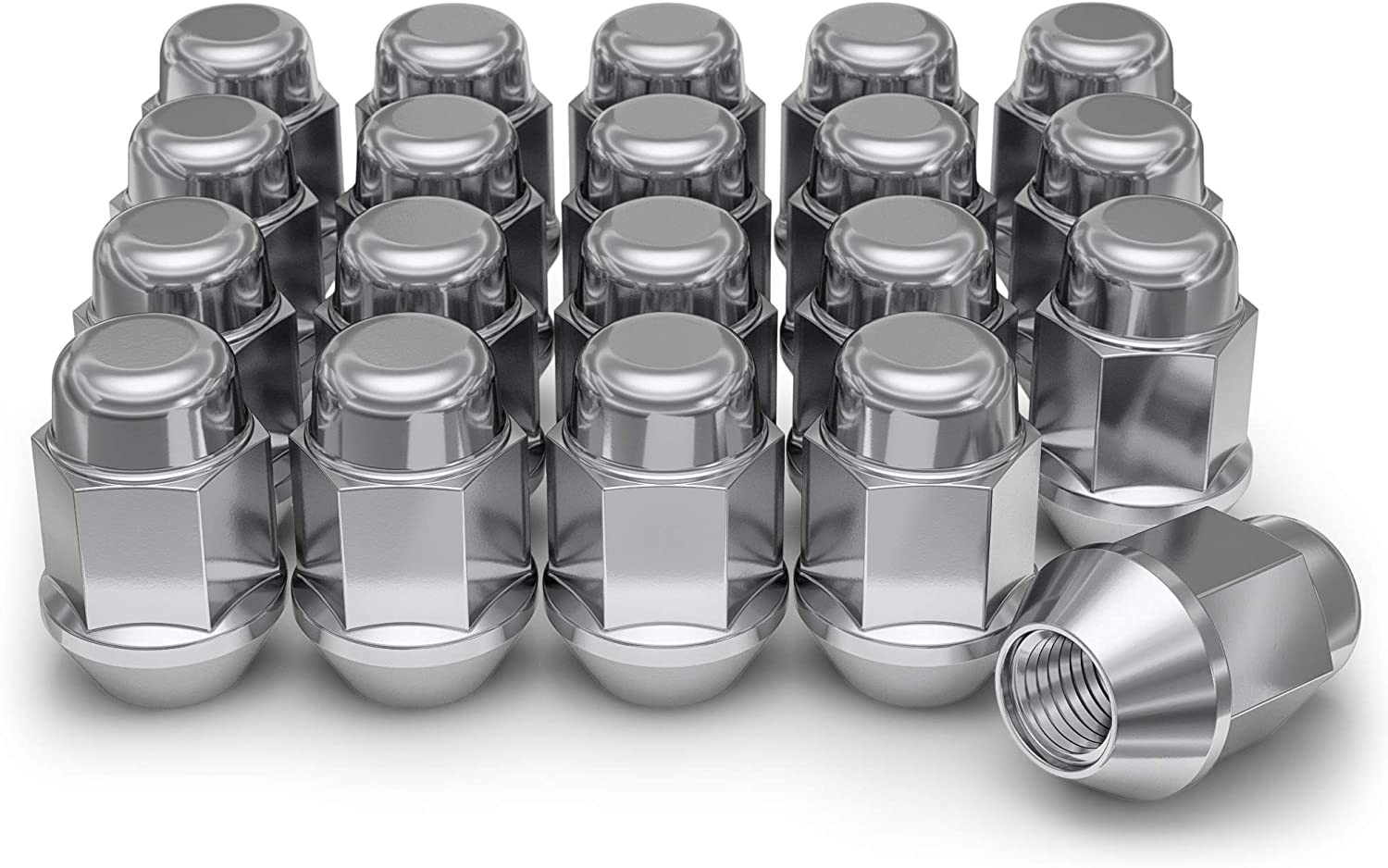
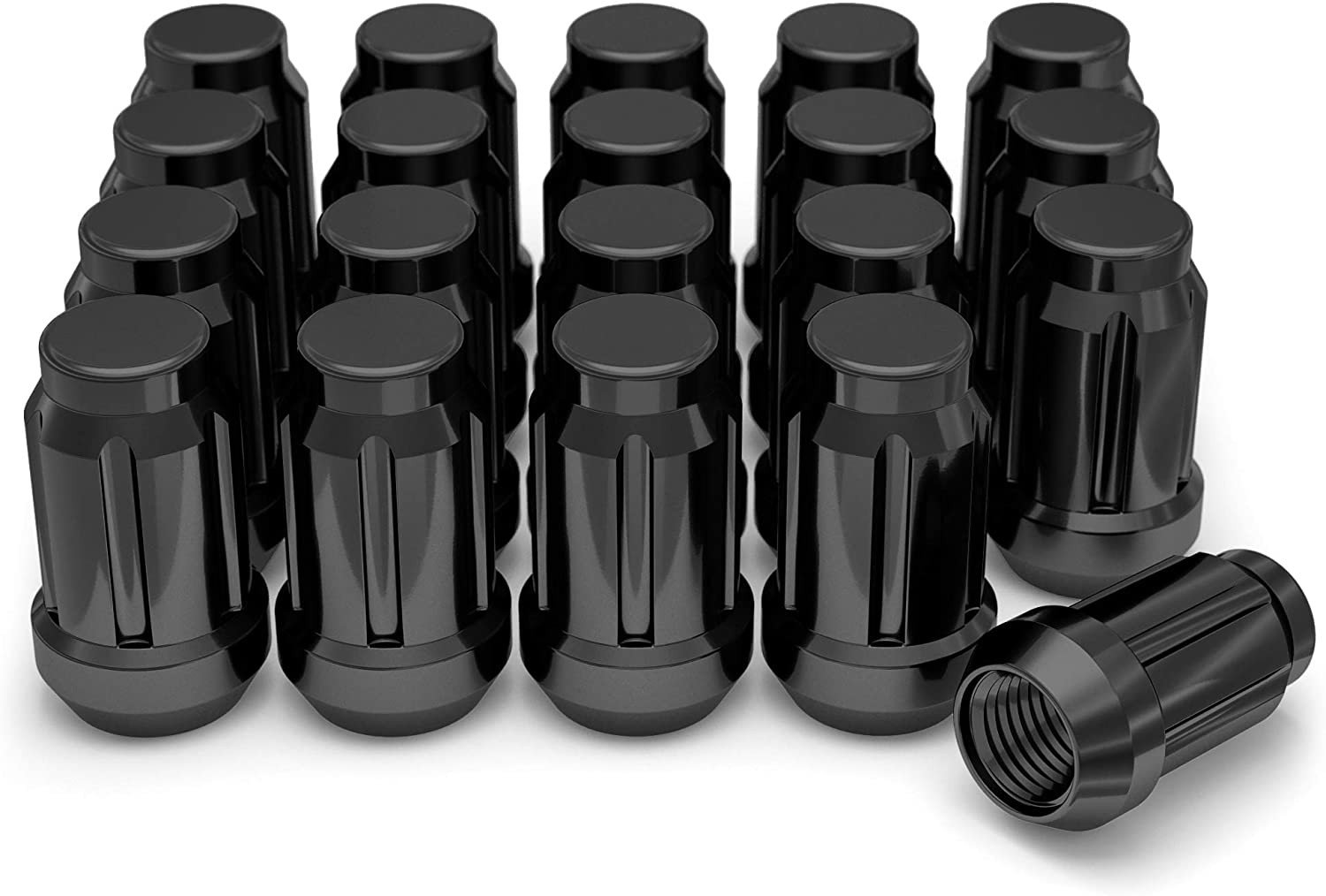
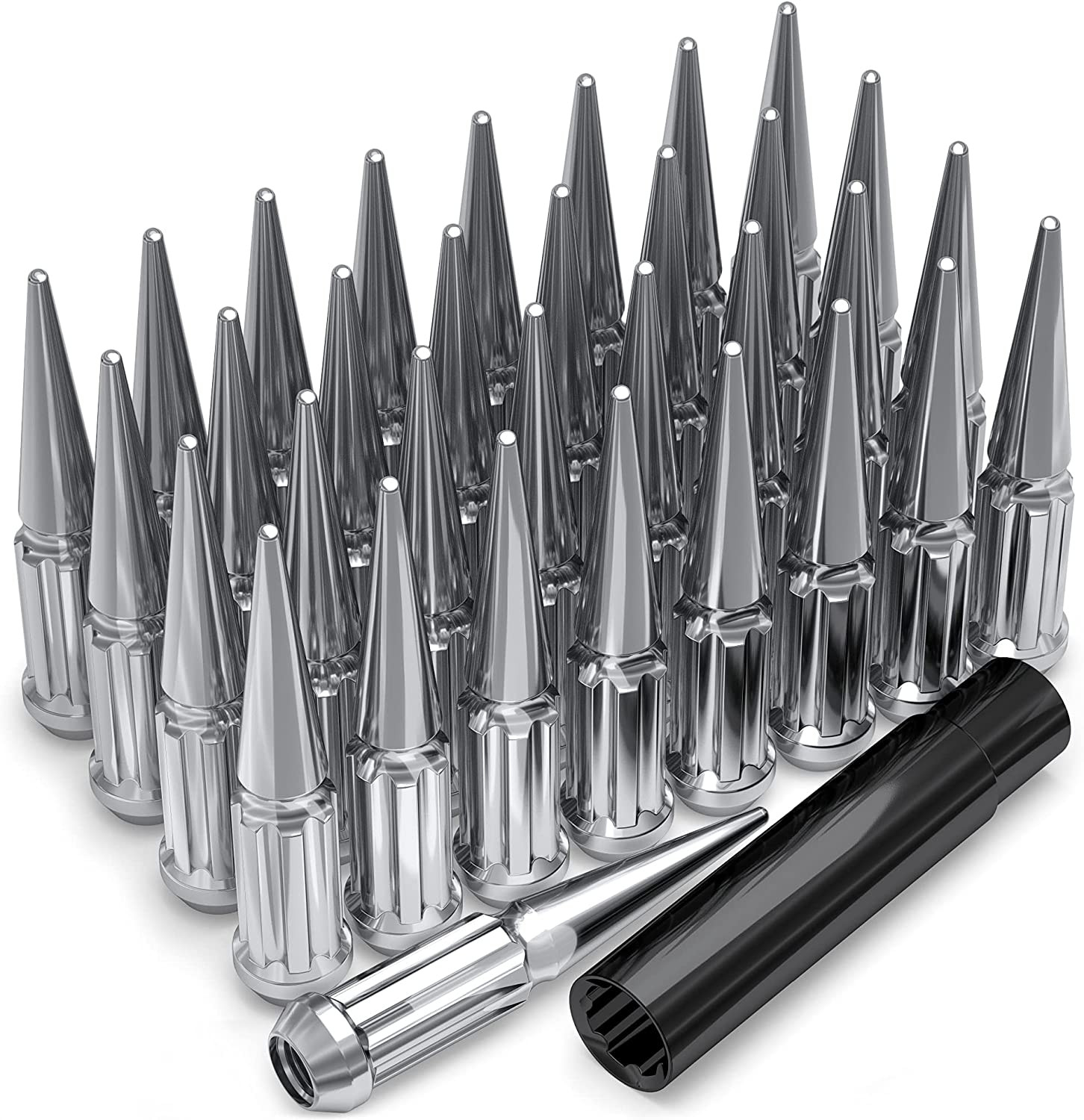
- Lug nuts: Thread size is M12 x 1.5. Match the lug seat type to the wheel (often conical on aftermarket, but verify). Use the correct length for full thread engagement.
- Load rating: Wheel and tire load index must meet or exceed the Avenger’s requirements shown on the tire placard.
- TPMS: Plan to transfer, clone, or program sensors compatible with your car. Procedures vary. Follow OEM guidance.
- Spacers: Only if absolutely necessary and only hub-centric, with proper stud engagement. Re-check clearance and local regulations.
Plus Sizing And Common Upgrades
Many owners explore larger diameters or wider tires for looks or handling. Because factory equipment can vary by trim, verify your starting size on the door placard first, then use these principles with the calculator:
- Maintain overall diameter. Keep the new tire’s overall diameter within roughly 2 to 3 percent of your current setup. The calculator will show the change and estimated speedometer effect.
- Control offset changes. Increasing wheel width pushes one or both lips outward or inward depending on offset. Use the calculator to visualize inner and outer movement and compare to your measured clearances.
- Watch section width. A wider tire can bulge beyond the wheel. Check inner rub points at full lock and full compression and outer fender clearance.
- Hub-centric fit. If the new wheel’s center bore is larger than 67.1 mm, use rings so the wheel centers on the hub, not the lugs.
If you are unsure, test-fit a single wheel first and rotate the assembly by hand to confirm caliper clearance and fender clearance before mounting tires.
Installation Tips
- Work on a cool vehicle, chock wheels, and support with jack stands on solid points. Do not rely on a jack alone.
- Clean the hub face and the wheel mounting pad. Remove rust with a wire brush so the wheel seats flush.
- Dry-fit each wheel first. Spin by hand to check for brake and suspension clearance before installing tires or before final torque.
- Use correct lug nuts for the wheel’s seat type. Hand-thread all lugs to avoid cross-threading.
- Tighten in a star pattern and torque to the OEM spec listed in your owner’s manual or service data. Re-torque after 50 to 100 miles.
- Verify thread engagement. As a rule of thumb, aim for at least lug diameter worth of engaged threads. For M12 studs, that is at least 12 mm of engagement.
Tools And Helpful Supplies
Also useful: floor jack and stands, wire brush, anti-seize for the hub face only if recommended by your service literature, tire pressure gauge, TPMS tool if sensor relearn is required.
FAQs
Which other vehicles’ wheels will fit my 2014 Avenger?
Use the calculator to compare any donor wheel, and verify these must-haves: 5x114.3 bolt pattern, center bore at least 67.1 mm, proper offset and width for clearance, and correct lug seat. Never assume interchange based on model family alone. Test-fit when possible.
Can I use 5x115 wheels on a 5x114.3 hub?
No. Bolt patterns must match exactly. Mixing patterns can prevent proper seating, stress studs, and is unsafe.
What offset range is safe?
Offset requirements depend on wheel width, brake package, and fender clearances. Start from the known OEM offset of 40 mm and use the calculator to model inner and outer movement. Measure your car to confirm space before purchasing.
Do I need hub-centric rings?
If your new wheel’s center bore is larger than 67.1 mm, use rings to center the wheel on the hub. If the bore is smaller than 67.1 mm, the wheel will not fit.
Will changing wheel diameter affect my speedometer?
Yes, if overall tire diameter changes. Keep the new tire diameter within about 2 to 3 percent of your current setup. The calculator shows the difference so you can adjust tire size to match.
What is the correct lug torque?
Torque varies by trim and wheel type. Refer to the owner’s manual or service manual for your exact value and use a calibrated torque wrench.
Can I run spacers to clear calipers or fenders?
Only if required after careful measurement. Use quality hub-centric spacers with adequate stud engagement and re-check clearances. Spacers can introduce additional variables, so avoid them unless necessary.
How do I confirm if my TPMS will work with new wheels?
Re-use compatible OEM sensors or select sensors specified for your vehicle. Some setups require programming or a relearn. Follow OEM procedures or use a TPMS tool as directed.