2000 Dodge Dakota Wheel Interchange And Fitment Guide | wheelinterchange.com
Known OEM Fitment For 2000 Dodge Dakota
The values below reflect OEM information provided for the 2000 Dodge Dakota. Some trims and option packages used different wheel and tire packages in 2000, so treat these as a starting point and confirm against your door-jamb placard and the Wheel Interchange Calculator on this page. If your label shows a different size, use that size as your baseline.
| Bolt pattern | 6x114.3 |
| Center bore | 71.6 mm |
| Thread size | M12 x 1.25 |
| OEM wheel diameter | 16 in |
| OEM wheel width | 7.0 in |
| OEM offset (ET) | 35 mm |
| OEM backspacing | 4.88 in |
| OEM tire section width | 215 mm |
| OEM tire aspect ratio | 75 |
| OEM tire rim diameter | 15 in |
Note the tire entry above is a 215/75R15 size, which indicates at least one OEM package used 15 inch wheels. The wheel entries list a 16x7 ET35 wheel, which reflects a different OEM package. This variation is common. Confirm your truck’s exact original size with the door label and owner’s manual, then use the calculator to compare any potential replacements against your true OEM baseline.
Unknown or trim dependent and must be verified before purchase: OEM lug seat type, OEM wheel material and load rating, OEM tire load index and speed rating, and factory lug nut hex size. Verify with your VIN at a dealer or by checking the factory service manual.
How To Use The Wheel Interchange Calculator
The calculator lets you compare a “donor” wheel and tire setup to what will be installed on your 2000 Dodge Dakota. It updates tire overall diameter automatically when you change rim diameter so you can keep gearing and speedometer close to stock.
- Set Installed on to 2000 Dodge Dakota. If your door label shows a different OEM size than the table, enter that as your baseline in the Installed on fields.
- Choose a Wheels from donor vehicle or enter Custom wheel size with rim diameter, width, and offset. Then set Custom tire size with section width and aspect ratio.
- Watch the calculator’s clearance readouts. Focus on inner clearance to suspension and brakes, outer poke relative to the fender, and overall tire diameter change.
- If you are considering moving from a 15 inch OEM package to a 16 or 17 inch wheel, adjust rim diameter and reduce tire aspect ratio to maintain similar overall diameter. The calculator will update the tire diameter as you go.
- Use the backspacing reading to understand inboard clearance changes compared with the OEM 4.88 in value listed above.
Fitment Checklist Before You Buy
Use this checklist with the calculator and an on-vehicle inspection.
- Bolt pattern must match 6x114.3 exactly. Do not attempt to fit 6x115 or 6x120.
- Center bore should be 71.6 mm or a larger bore that uses proper hub-centric rings. Never force a smaller bore onto the hub.
- Thread size is M12 x 1.25. Lug nuts must match both the thread and the wheel’s seat type. Verify seat type for your wheels if unknown.
- Offset and backspacing must clear your brake calipers and inner suspension. Compare to OEM ET 35 mm and 4.88 in backspacing and inspect the truck for at least a few millimeters of safety margin on the inboard side.
- Outer poke must not contact the fender or bumper at full lock and full compression. Measure with the steering turned and the suspension compressed if possible.
- Tire overall diameter and width must fit the wheel wells. Keep overall diameter close to stock to protect gearing and speedometer. Use the calculator’s auto-updated tire diameter to check.
- Load rating for wheels and tires must meet or exceed the truck’s GAWR. Check your door label and tire/wheel ratings.
- TPMS was not standard on many vehicles of this era. If yours has a retrofit system, verify sensor compatibility with the new wheels and valves.
Plus Sizing And Common Upgrades
Plus sizing replaces a smaller wheel and taller tire with a larger wheel and shorter tire so the overall diameter stays similar. For example, if your truck has a 15 inch OEM package, moving to a 16 or 17 inch wheel typically means reducing tire aspect ratio while increasing section width moderately. The calculator will keep the overall diameter updated as you change rim diameter so you can target a difference within a small percentage of stock. This helps maintain speedometer accuracy and avoid rubbing.
When changing wheel width or offset, small changes can have big effects. Increasing width pushes both inner and outer edges outward by half the added width. Increasing positive offset pulls the wheel inward, increasing backspacing. Always compare to the OEM 16x7 ET35 and 4.88 in backspacing values and physically verify brake and suspension clearance before buying. If aftermarket wheels have a larger center bore than 71.6 mm, use quality hub-centric rings sized to your wheel’s bore.
If you are considering off-road or heavy-load tires, confirm that the tire’s load index meets or exceeds the truck’s requirements and check clearance at full lock and full compression. Some combinations may require suspension modifications. Do not assume cross-make wheel interchange is safe just because the bolt pattern matches.
Installation Tips
Test fit each wheel on the front and rear before mounting tires. Verify that the wheel seats flush on the hub, spins freely without contacting the caliper or suspension, and that the center bore centers on the hub. Clean the hub face and the wheel mounting pad to remove rust so the wheel sits true. If you need corrosion protection on the hub face, use a very thin film of appropriate anti-seize and keep it off the studs and lug seats.
Install lug nuts by hand to avoid cross-threading the M12 x 1.25 studs. Tighten in a star pattern. Always use a torque wrench and follow the OEM torque specification from your owner’s manual or service manual. Re-torque after 50 to 100 miles of driving. If using hub-centric rings, ensure they are fully seated and undamaged before final torque. If spacers are required, use only hub-centric spacers with adequate stud engagement and verify all clearances again.
Tools And Helpful Supplies
- 1/2 inch drive torque wrench
Shop
- Impact socket set for lug nuts and a breaker bar
- Floor jack and rated jack stands
Shop
- Wire brush and hub cleaning discs
Shop
- Anti-seize compound for the hub face if needed
Shop
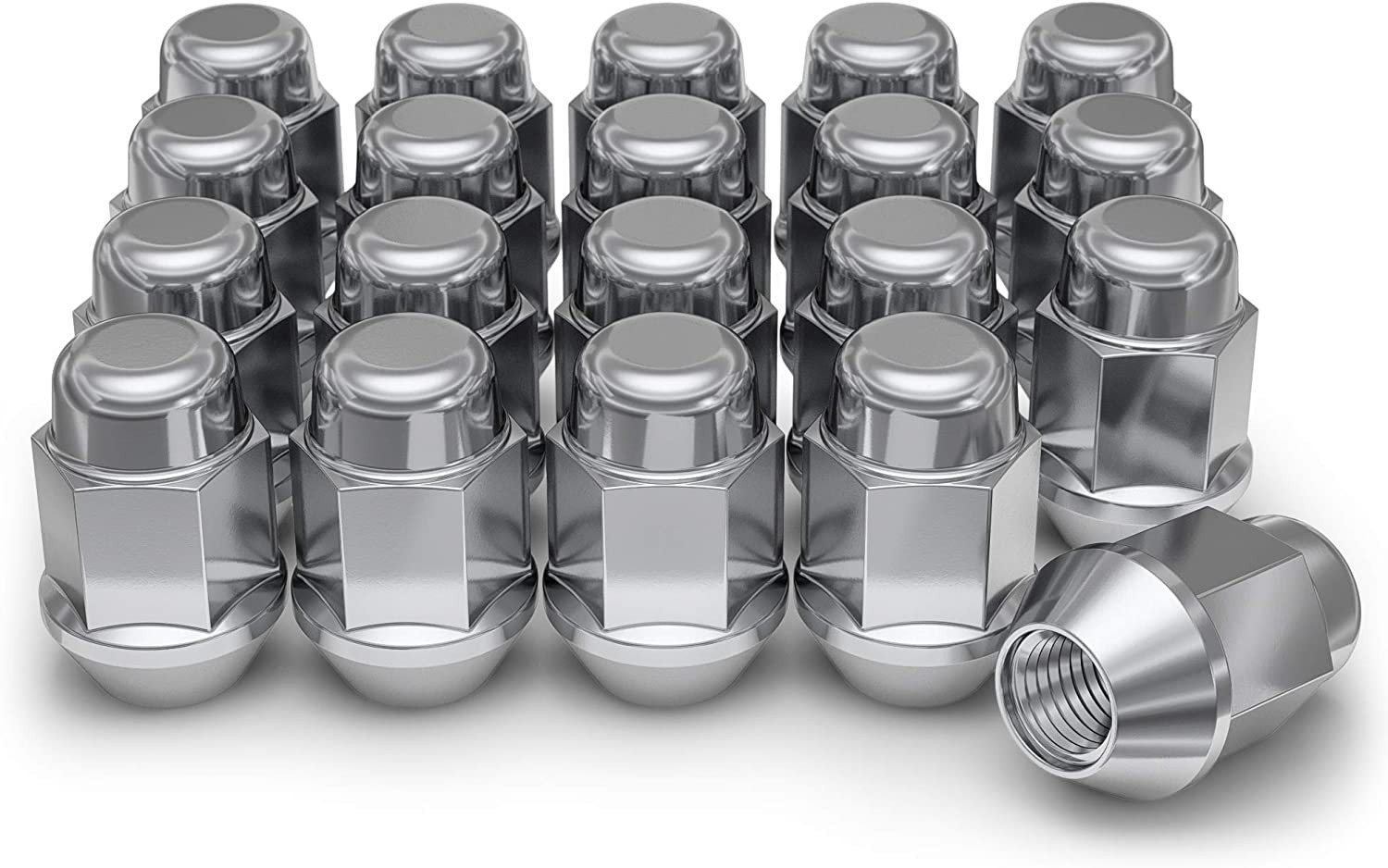
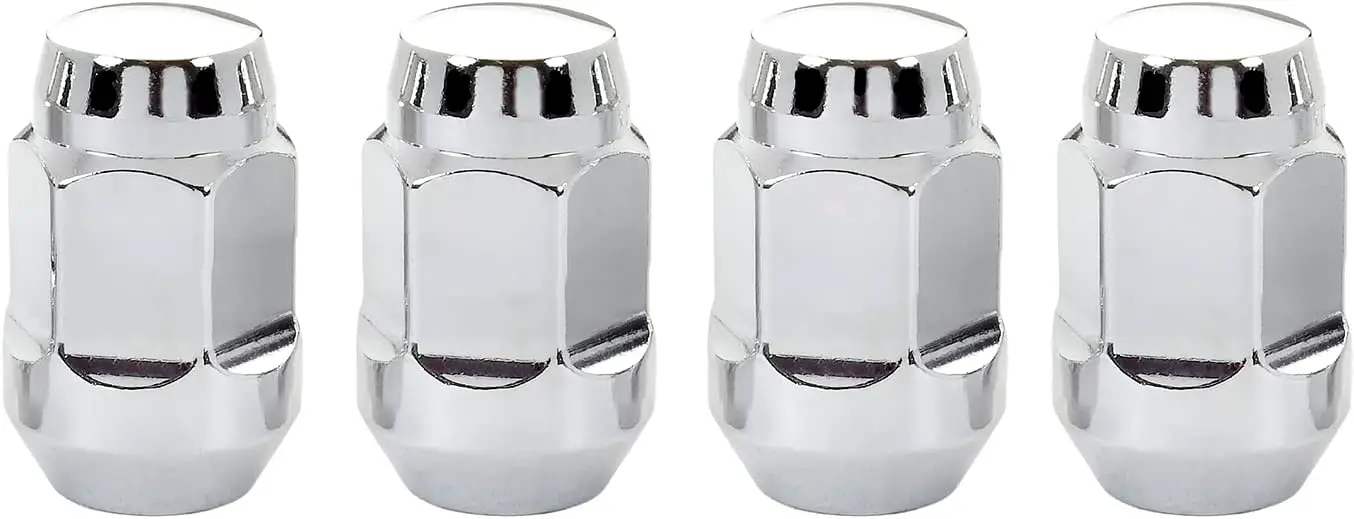
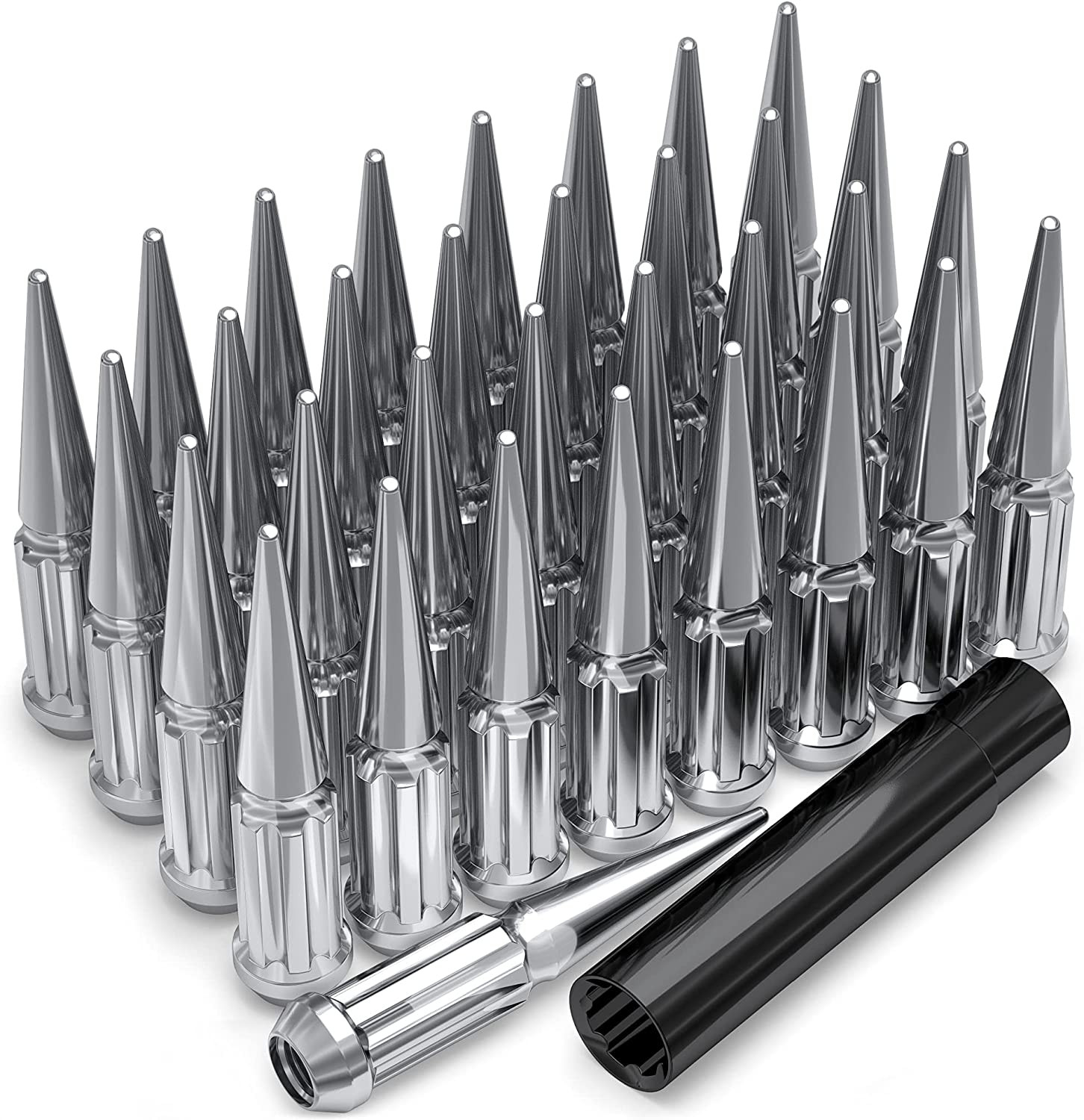
- M12 x 1.25 lug nuts matched to your wheel’s seat type
Shop
- Hub-centric rings if using aftermarket wheels with larger bores than 71.6 mm
- Tire pressure gauge and valve cores
FAQs
What wheels bolt pattern does a 2000 Dakota use?
It uses a 6x114.3 bolt pattern. The center bore is 71.6 mm and the stud thread is M12 x 1.25.
My prospective wheels are 6x115. Will they fit?
No. Do not mix 6x114.3 and 6x115. The PCD must match exactly to seat safely and avoid vibration or stud stress.
Do I need hub-centric rings?
If the new wheel’s center bore is larger than 71.6 mm, use hub-centric rings sized 71.6 mm inner to the wheel’s bore outer. If the wheel’s bore is smaller than 71.6 mm, the wheel will not fit. Never machine wheels or hubs without an expert shop.
Can I run 15 inch wheels on my 2000 Dakota?
The provided data shows a 215/75R15 tire on some 2000 packages, which indicates that certain trims used 15 inch wheels. If your truck currently has 16 inch wheels, moving to 15 inch wheels requires verifying brake caliper clearance and backspacing with a physical test fit and the calculator.
What wheel offset works?
The listed OEM wheel is 16x7 with ET 35 mm and 4.88 in backspacing. Use this as your baseline. Changes in width or offset must be checked against brake and suspension clearance using the calculator and a test fit. Do not assume a different offset will clear on all trims.
What is the wheel torque spec?
Torque specification can vary by trim and wheel type. Always follow the value in your owner’s manual or service manual. If you do not have it, call a Dodge dealer with your VIN.
Will wheels from another make with 6x114.3 bolt pattern fit?
Not automatically. You must also match center bore, offset and backspacing, load rating, and lug seat type. Use the calculator to compare dimensions, then verify with a physical test fit.
How do I keep my speedometer accurate with bigger wheels?
Maintain overall tire diameter close to stock. Increase wheel diameter while decreasing tire aspect ratio so the calculator shows a similar overall diameter. Large changes may require a speedometer recalibration.
Do I need new lug nuts?
If your new wheels use a different seat type than OEM or you are changing thread engagement, you will need matching M12 x 1.25 lug nuts with the correct seat type and length. Never mix seat types.