2001 Dodge Viper Wheel Fitment and Interchange
Known OEM Fitment For 2001 Dodge Viper
The following specifications are the known OEM fitment values provided for the 2001 Dodge Viper. They should be treated as a reference for comparison, not as a substitute for checking the vehicle, wheel, and tire markings before installation.
| Specification |
Known value |
| Bolt pattern, studs x PCD |
6x114.3 |
| Center bore |
71.6 mm |
| Thread size |
M12 x 1.25 |
| Rim diameter |
17 in |
| Rim width |
10.0 in |
| Wheel offset |
ET51 mm |
| Backspacing |
7.01 in |
| Tire size reference |
275/40R17 |
| Tire section width |
275 mm |
| Tire aspect ratio |
40% |
The supplied data does not identify axle position, body configuration, or trim-specific differences. Confirm the original wheel and tire markings, the owner’s manual, and Dodge service information for the specific vehicle before ordering replacement parts.
How To Use The Wheel Interchange Calculator
Use the calculator to compare a donor vehicle with the 2001 Dodge Viper. Enter the donor vehicle under “Wheels from” and select the Viper under “Installed on.” Review the displayed bolt pattern, center bore, wheel diameter, wheel width, offset, and tire information together. A match in only one or two measurements does not establish safe fitment.
You can also select “Custom wheel size” to enter a proposed rim diameter, rim width, and offset. Use “Custom tire size” to enter the tire section width and aspect ratio. When the rim diameter changes, the calculator updates the tire diameter comparison, which helps identify changes that may affect clearance and vehicle systems.
Calculator results are comparison guidance. Verify the actual wheel markings, tire specifications, brake clearance, suspension clearance, fender clearance, and load ratings on the vehicle before purchase or installation.
Fitment Checklist Before You Buy
- Confirm the 6x114.3 bolt pattern and verify that the wheel is designed for the vehicle’s fastener arrangement.
- Check the wheel center bore against the 71.6 mm reference. A smaller bore will not clear the hub. A larger bore may require correctly sized hub-centric rings if approved for the application.
- Verify the wheel offset. The known reference is ET51 mm, but changing offset changes the wheel’s position relative to suspension parts and the fender.
- Compare wheel width and backspacing. The known reference is 10.0 inches wide with 7.01 inches of backspacing.
- Confirm the replacement wheel’s brake caliper and suspension clearance using the wheel manufacturer’s application data and a physical test fit when appropriate.
- Check tire load index, speed rating, section width, aspect ratio, and rim diameter. The supplied tire reference is 275/40R17.
- Inspect for contact at full steering lock and through suspension travel. Do not rely only on a static visual check.
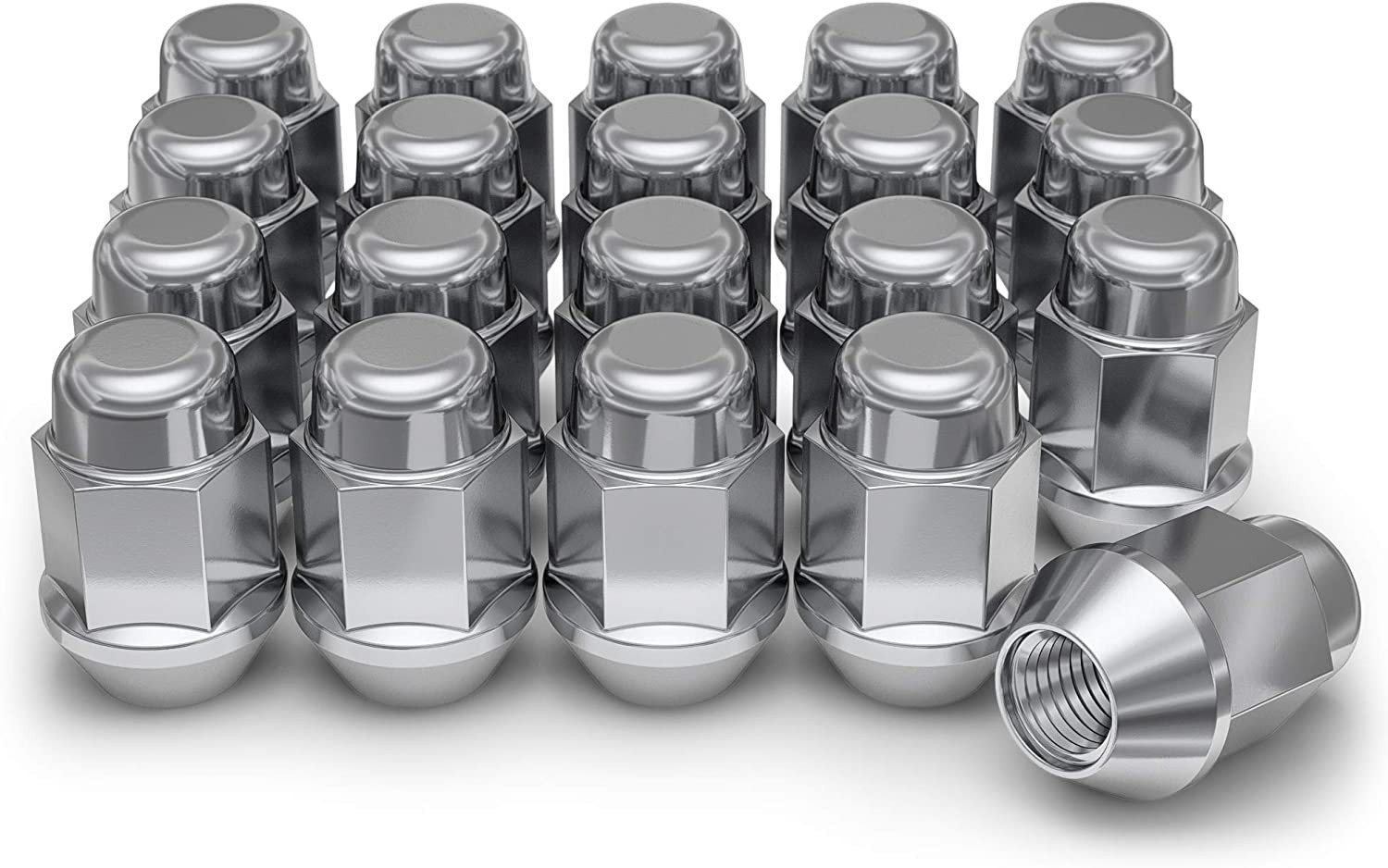
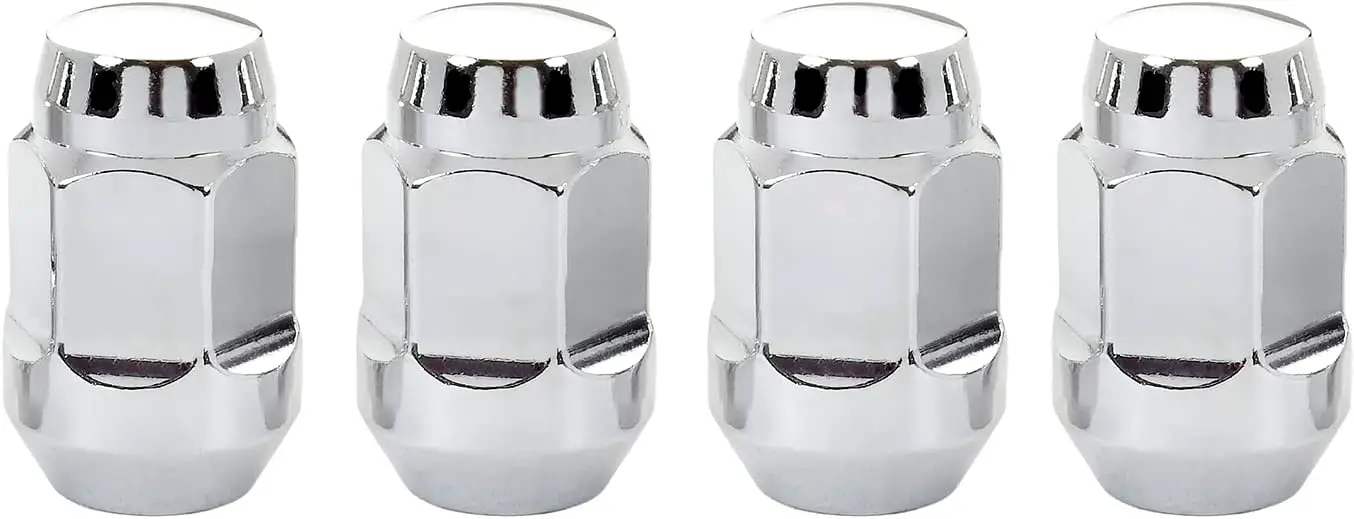
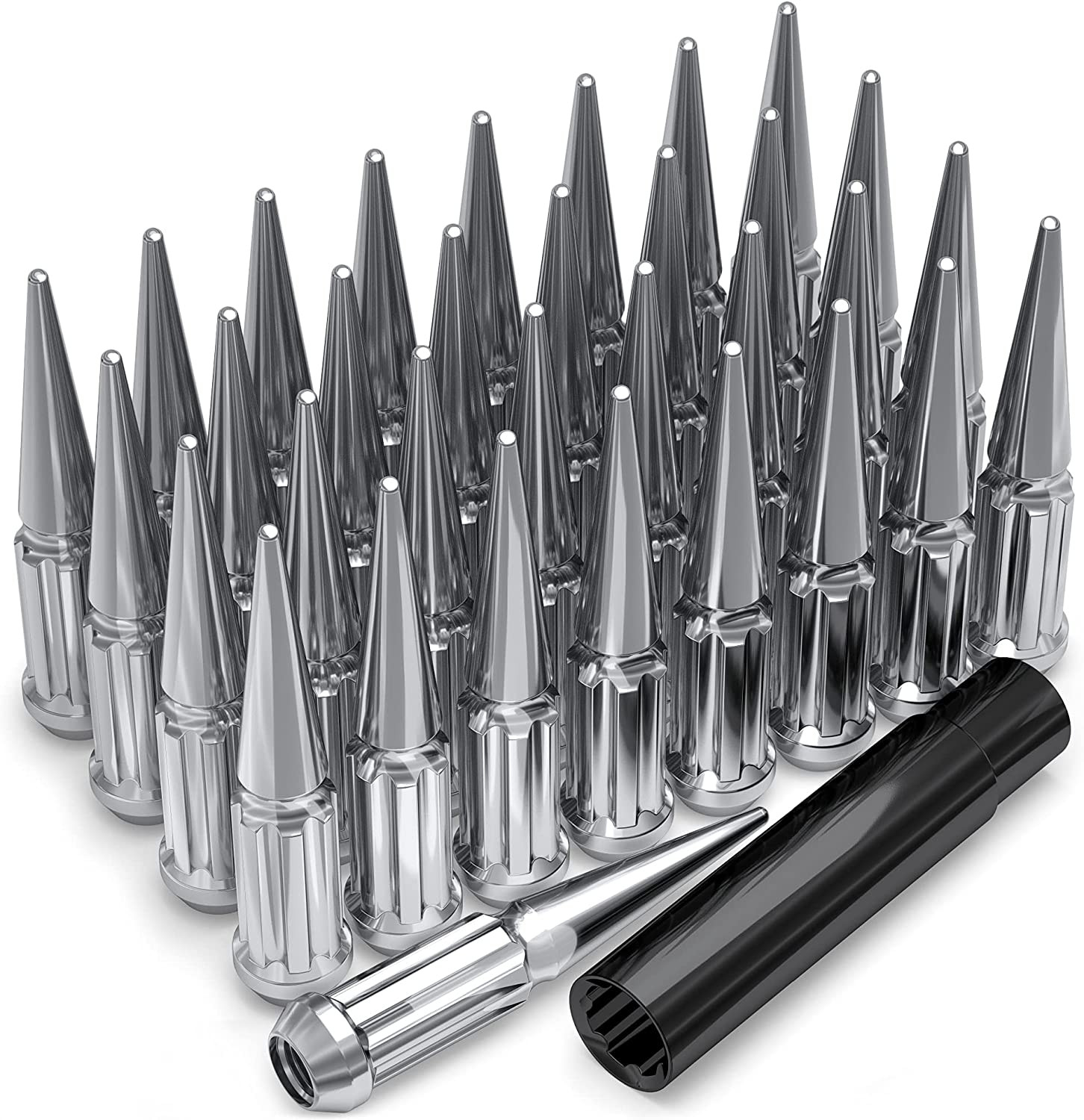
- Confirm that wheel fasteners have the correct thread size, seat type, length, and torque specification for the selected wheels.
- Verify the final tire diameter and clearance with the calculator and compare the result with OEM service information.
Plus Sizing And Common Upgrades
Plus sizing generally means using a larger rim diameter with a lower-aspect-ratio tire while attempting to maintain a similar overall tire diameter. It can change steering response, ride comfort, wheel damage risk, tire availability, speedometer behavior, and clearance. The calculator can compare custom rim diameter, width, offset, section width, and aspect ratio, but it does not replace a physical clearance inspection.
Changing wheel width or offset can move the inner wheel edge closer to suspension components or move the outer edge closer to the fender. A wider tire can also create clearance issues even when the bolt pattern and center bore match. Do not assume that a donor wheel is suitable solely because it has the same bolt pattern.
No specific upgrade size is confirmed here. For any non-OEM combination, obtain the wheel manufacturer’s load and clearance information, verify the tire manufacturer’s approved rim-width range, and confirm the final combination with Dodge or qualified tire and wheel professionals.
Installation Tips
- Clean the hub mounting surface and the wheel mounting pad. Rust, dirt, or paint buildup can prevent the wheel from seating correctly.
- Hand-start every fastener to avoid cross-threading. The supplied thread reference is M12 x 1.25, but the fastener seat and required torque must also match the wheel.
- Seat the wheel fully against the hub or mounting surface before tightening.
- Use a calibrated torque wrench and the vehicle or wheel manufacturer’s specified torque. Do not use an impact tool as the final torque method.
- Tighten fasteners in a crisscross pattern, then recheck torque after the initial driving period specified by the manufacturer.
- Check tire pressure using the vehicle’s recommended cold-pressure information, not the maximum pressure molded into the tire sidewall.
- After installation, inspect for rubbing during steering lock and check for vibration, pulling, or unusual noise. Stop driving and investigate if any of these occur.
Tools And Helpful Supplies
A properly sized torque wrench is important for final wheel-fastener tightening. View automotive torque wrench options on Amazon.
A tire pressure gauge can help verify cold tire pressure during installation checks and routine inspections. View digital tire pressure gauges on Amazon.
- Vehicle-approved jack and jack stands or a suitable professional lift
- Correct socket for the wheel fasteners
- Wire brush or approved hub-cleaning supplies
- Measuring tools for checking inner and outer clearance
- Vehicle service information for torque, lifting, and inspection procedures
FAQs
What is the bolt pattern for the 2001 Dodge Viper?
The known bolt pattern is 6x114.3, meaning six studs or fastener positions on a 114.3 mm pitch circle diameter. Confirm the wheel’s markings and application data before purchase.
What is the center bore?
The known center bore reference is 71.6 mm. A wheel bore smaller than the hub cannot be installed without appropriate machining by a qualified specialist. A larger bore may require correctly sized hub-centric rings where appropriate.
What is the known OEM wheel size?
The provided reference is a 17-inch diameter wheel, 10.0 inches wide, with ET51 mm offset and 7.01 inches of backspacing. The supplied data does not specify whether this reference applies to every axle, trim, or configuration.
What tire size is listed for this Viper?
The known tire reference is 275/40R17, consisting of a 275 mm section width, 40 percent aspect ratio, and 17-inch rim diameter. Confirm the sidewall markings and vehicle-specific tire information before replacing tires.
Can any 6x114.3 wheel fit this vehicle?
No. Bolt pattern is only one fitment measurement. Center bore, offset, backspacing, wheel width, brake clearance, fastener seat, load capacity, and tire compatibility must also be correct.
How do I compare a different wheel size?
Enter the donor vehicle under “Wheels from” and the Viper under “Installed on,” then use the custom wheel and tire fields to test diameter, width, offset, section width, and aspect ratio. Review the tire diameter change and verify the result with physical clearance checks and OEM or manufacturer data.
Is a larger wheel automatically a better upgrade?
No. A larger wheel can reduce tire sidewall, affect ride quality, increase impact risk, and create clearance or load-rating problems. Any upgrade should preserve appropriate tire capacity and be verified for the specific vehicle and wheel.
Where can I confirm fitment for my exact vehicle?
Check the original wheel and tire markings, the vehicle owner’s manual, Dodge service information, and the wheel and tire manufacturers’ application data. If the vehicle has modified suspension, brakes, bodywork, or wheel hardware, have the complete combination inspected by a qualified technician.