2002 Dodge Durango Wheel Fitment Guide
Use this guide and the on-page wheel interchange calculator to compare wheels and tires for a 2002 Dodge Durango. The specifications below are the known OEM fitment values supplied for this page. Factory equipment can vary by trim, package, production date, or market, so confirm measurements on your vehicle and check OEM documentation before buying.
Known OEM Fitment For 2002 Dodge Durango
| Specification |
Known value |
What to verify |
| Bolt pattern |
6x114.3 |
Six studs on a 114.3 mm pitch circle diameter |
| Center bore |
71.6 mm |
Measure the hub and compare it with the wheel center bore |
| Thread size |
M12 x 1.25 |
Confirm the thread specification and lug-seat style before reusing lug nuts |
| Rim diameter |
18 inches |
Verify the installed wheel marking and vehicle trim |
| Rim width |
8.0 inches |
Check the wheel stamp or casting mark |
| Wheel offset |
ET25 |
Confirm offset on the wheel; do not rely only on appearance |
| Backspacing |
4.98 inches |
Backspacing and offset should be evaluated together |
| Tire section width |
235 mm |
Read the complete tire size from the sidewall |
| Tire aspect ratio |
75% |
Confirm the sidewall designation |
| Tire rim diameter |
R15 |
This supplied value differs from the supplied 18-inch rim diameter, so verify the correct wheel and tire combination |
The supplied data includes both an 18-inch rim diameter and an R15 tire rim diameter. These values describe different wheel diameters and should not be treated as one complete wheel-and-tire package without confirmation. Check the tire sidewall, wheel marking, vehicle door-jamb label, owner documentation, and OEM service information.
How To Use The Wheel Interchange Calculator
Start with the vehicle or wheel you want to compare in the “Wheels from (donor vehicle)” fields. Enter or select the 2002 Dodge Durango in the “Installed on (your vehicle)” fields. The calculator is a screening tool that helps compare dimensions, but it does not replace a physical test fit or inspection of OEM requirements.
- Compare the bolt pattern first. The donor wheel must match the vehicle hub pattern unless a properly engineered, application-specific solution is approved by a qualified professional.
- Compare center bore. A wheel bore that is smaller than the hub will not seat. A larger bore may require correctly specified hub-centric rings where appropriate.
- Review diameter, width, and offset together. A change in any one of these can affect suspension, brake, fender, and steering clearance.
- Use “Custom wheel size” to test a rim diameter, rim width, and offset that are not already listed.
- Use “Custom tire size” to compare section width and aspect ratio. Changing rim diameter updates the tire diameter shown in the comparison.
- After the calculator result, confirm clearance with the actual wheel and tire or with precise measurements from a qualified installer.
Fitment Checklist Before You Buy
- Confirm the vehicle identification, trim, drivetrain, brakes, and production details using the VIN and OEM sources.
- Match the 6x114.3 bolt pattern and confirm that the wheel’s lug holes are designed for the vehicle’s fasteners.
- Check that the 71.6 mm hub and the wheel center bore are compatible. Never force a wheel onto the hub.
- Verify wheel diameter, width, and ET offset from the wheel manufacturer’s specifications.
- Check inner clearance to brake calipers, suspension parts, steering components, and the hub assembly.
- Check outer clearance to the fender, liner, and mud flap at full steering lock and through suspension travel.
- Confirm the tire load index, speed rating, overall diameter, and approved rim-width range.
- Make sure the replacement tire does not contact the vehicle when turning, braking, or carrying the intended load.
- Confirm the required lug-nut thread and seat type. The supplied thread size is M12 x 1.25, but the correct seat style still must be verified.
- Inspect used wheels for cracks, bends, corrosion, repaired areas, and damaged mounting faces.
Plus Sizing And Common Upgrades
Plus sizing changes the wheel diameter while selecting a tire with a lower aspect ratio so the overall tire diameter remains close to the original. It can change steering feel, ride comfort, speedometer accuracy, impact resistance, load capacity, and clearance. Do not select a larger wheel based on diameter alone.
For this 2002 Dodge Durango, the provided fitment information is internally inconsistent because it lists an 18-inch rim diameter and an R15 tire rim diameter. Treat both as values requiring confirmation rather than assuming either one is the complete factory configuration. Enter the verified wheel and tire sizes into the calculator, then compare overall diameter, width, offset, and clearances.
Common upgrade considerations include maintaining adequate tire load capacity, keeping the rolling diameter close to the verified OEM setup, and selecting a wheel with sufficient brake and suspension clearance. Any change in offset can move the wheel inward or outward, so use the calculator and measure before ordering.
Installation Tips
- Install wheels on clean, dry hub and wheel mounting surfaces. Remove rust and debris without removing material that affects fit.
- Test-fit one front and one rear wheel before mounting the full set, if practical. Check caliper, strut, control-arm, and fender clearance.
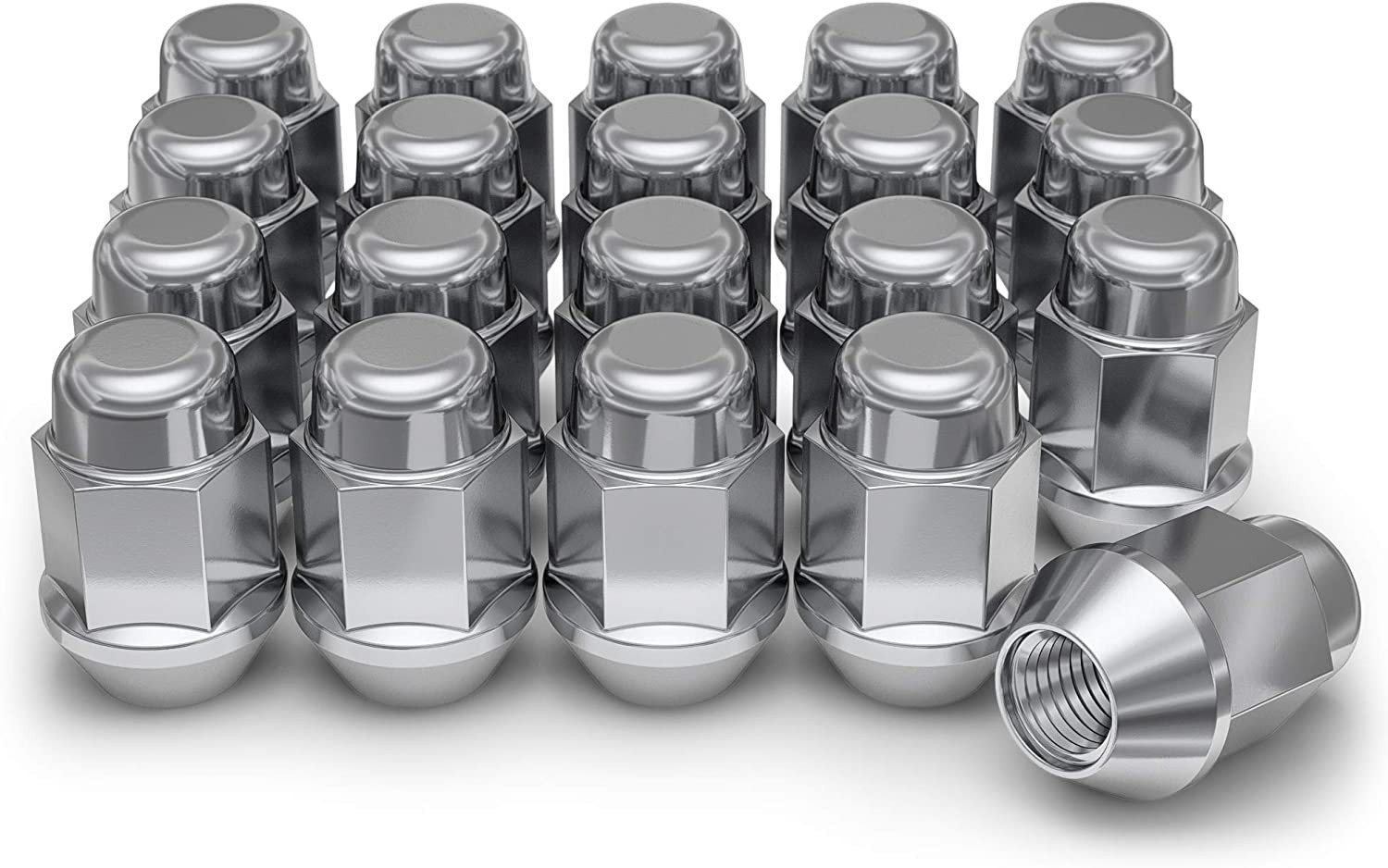
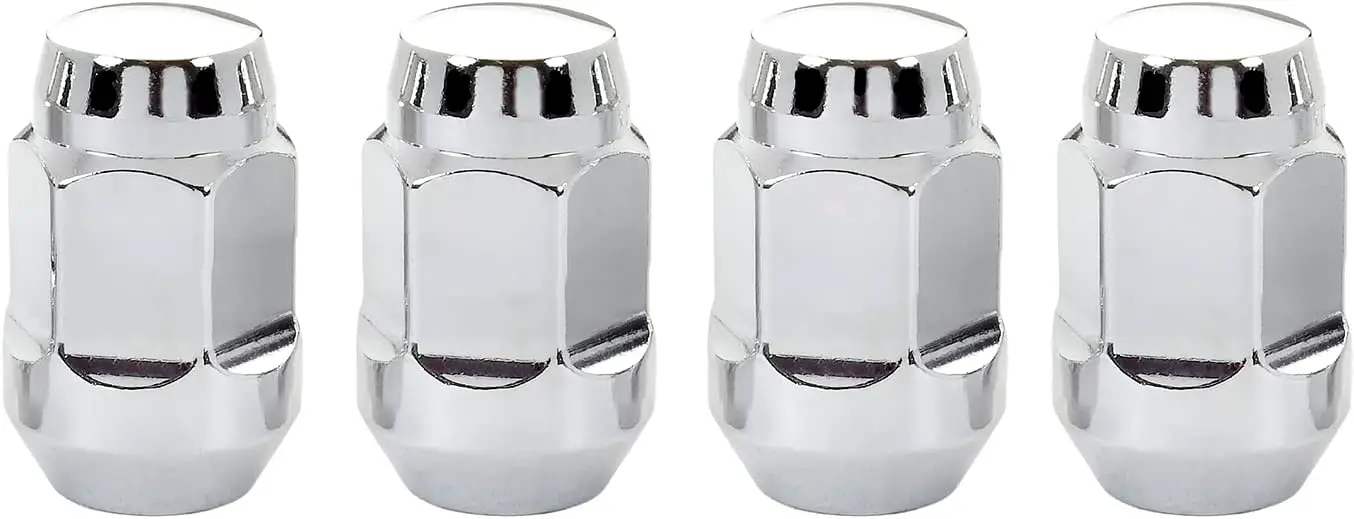
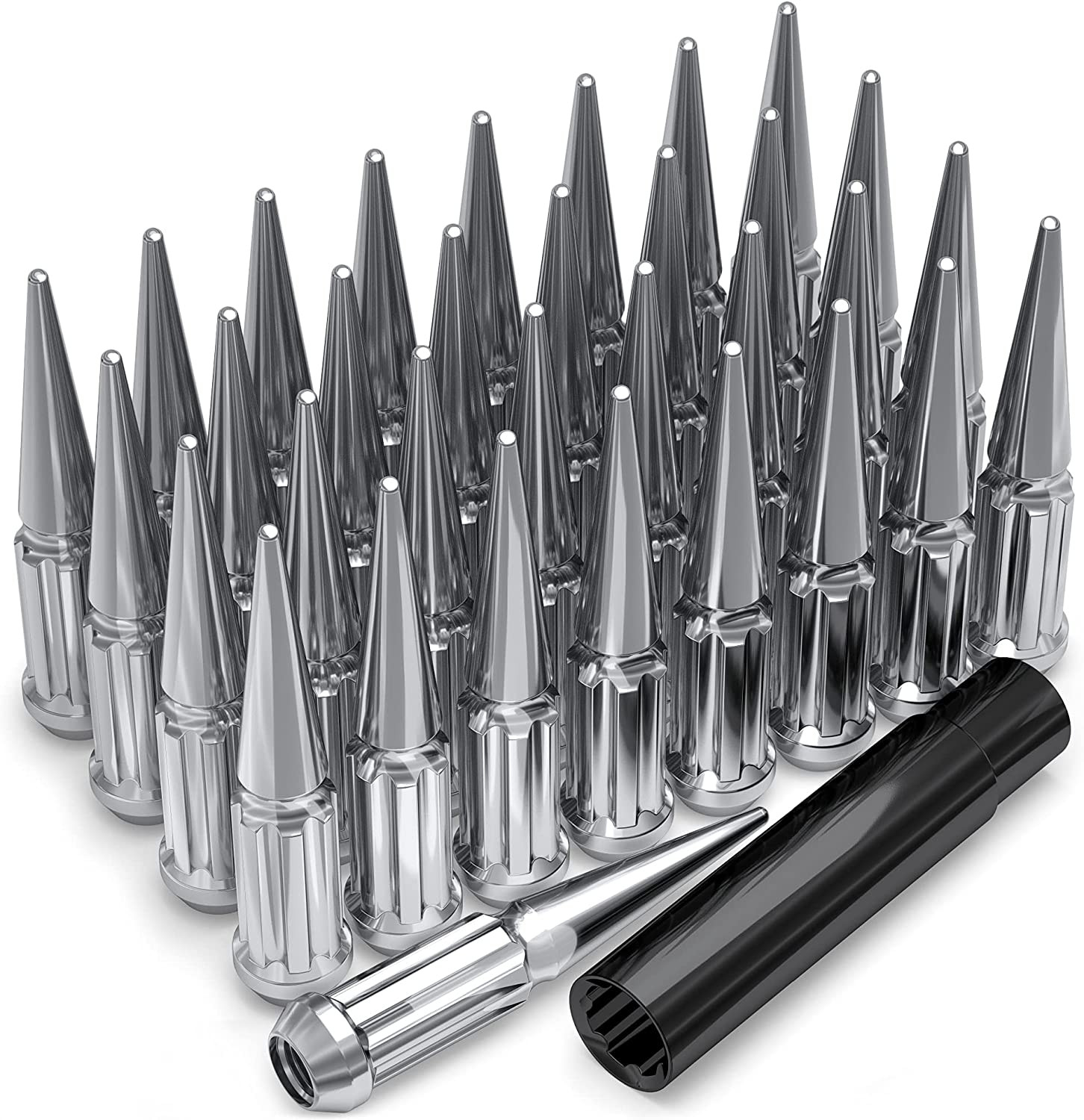
- Use only compatible lug nuts with the correct M12 x 1.25 thread and wheel-seat design. Do not assume the original lug nuts fit aftermarket wheels.
- Hand-start every lug nut to avoid cross-threading. Tighten in a star or crisscross pattern.
- Torque the lug nuts to the vehicle or wheel manufacturer’s specified value using a calibrated torque wrench. If specifications differ, obtain professional guidance before driving.
- After installation, rotate the steering from lock to lock and inspect for contact. Check clearance again with the vehicle loaded as intended.
- Recheck lug-nut torque after the manufacturer’s recommended break-in distance and inspect for any movement or contact marks.
- Recalibrate or verify tire-pressure monitoring equipment when required by the vehicle system or replacement wheel setup.
Tools And Helpful Supplies
Useful supplies include a calibrated torque wrench, socket set, tire-pressure gauge, tread-depth gauge, flashlight, wheel chocks, and a hub or bore measuring tool. A straightedge and ruler can help with basic clearance checks, but precise fitment measurements are preferable.
For wheel installation supplies, see automotive torque wrenches on Amazon and wheel hub and center-bore measuring tools on Amazon. Confirm tool suitability and specifications before purchase.
FAQs
What is the known bolt pattern for a 2002 Dodge Durango?
The supplied OEM fitment value is 6x114.3, meaning six studs arranged on a 114.3 mm pitch circle diameter. Confirm this against the vehicle and OEM documentation before purchasing wheels.
What is the center bore listed for this vehicle?
The supplied center bore is 71.6 mm. A wheel bore smaller than the hub will not fit, while a larger bore must be evaluated for proper centering and may require correctly specified hub-centric rings.
What lug thread size is listed?
The supplied thread size is M12 x 1.25. Lug-nut seat shape and overall lug-nut dimensions are also important, especially when installing aftermarket wheels.
Why do the supplied wheel and tire diameters conflict?
The provided data lists an 18-inch rim diameter and an R15 tire rim diameter. A tire marked R15 is designed for a 15-inch rim, so these values should be verified rather than combined. Check the tire sidewall, wheel marking, door-jamb label, owner documentation, and OEM service information.
Can I install wheels from another vehicle?
Only if the donor wheel meets all required criteria, including bolt pattern, center-bore compatibility, diameter, width, offset, brake clearance, lug-seat compatibility, and load requirements. Use the calculator for an initial comparison and complete a physical clearance check before driving.
Does changing wheel offset affect fitment?
Yes. A different offset changes the wheel’s position relative to the hub, suspension, brakes, and fender. Enter the proposed diameter, width, and offset in the calculator, then verify actual clearance at full steering lock and through suspension travel.
Will a wider tire fit?
It cannot be confirmed from the supplied information alone. Tire width depends on wheel width, offset, suspension clearance, fender clearance, tire construction, and vehicle trim. Compare the proposed size in the calculator and have the installed combination inspected before use.
Is the calculator a substitute for professional fitment verification?
No. The calculator helps compare donor and installed dimensions and allows custom wheel and tire sizes, but it cannot identify every brake, suspension, body, load, or lug-hardware issue. Confirm measurements with OEM sources and a qualified wheel or tire professional.