2002 Dodge Viper Wheel Fitment Guide
Use this guide to check wheel and tire fitment for a 2002 Dodge Viper. The specifications below are the known OEM values provided for this vehicle, but fitment can vary by trim, package, wheel design, brake configuration, and replacement parts. Confirm the original wheel markings, your owner’s manual, and OEM service information before ordering.
Known OEM Fitment For 2002 Dodge Viper
| Specification |
Known value |
| Bolt pattern |
6x114.3, also written as 6x4.5 inches |
| Center bore |
71.6 mm |
| Thread size |
M12 x 1.25 |
| Rim diameter |
17 inches |
| Rim width |
10.0 inches |
| Wheel offset |
ET51, or 51 mm positive offset |
| Backspacing |
7.01 inches |
| Known tire size |
275/40R17 |
| Tire section width |
275 mm |
| Tire aspect ratio |
40 percent |
The information provided does not identify every factory trim, axle position, brake package, or optional wheel. Do not assume that a wheel fitting one 2002 Dodge Viper will clear every Viper brake or suspension configuration. Check the vehicle’s existing wheel stampings and confirm dimensions with Dodge or a qualified wheel professional.
How To Use The Wheel Interchange Calculator
The calculator lets you compare Wheels from (donor vehicle) with Installed on (your vehicle). Enter the donor wheel and tire information, then enter the known or proposed specifications for the 2002 Dodge Viper.
- Start with the bolt pattern, center bore, wheel diameter, wheel width, and offset.
- Compare the donor wheel’s offset and width with the known 17 x 10.0 wheel and ET51 reference.
- Use the custom wheel size fields to test a different rim diameter, width, or offset.
- Use the custom tire size fields to compare section width and aspect ratio.
- When you change rim diameter, review the calculator’s updated tire diameter comparison. A different rim diameter normally requires a different tire sidewall to maintain a similar overall diameter.
- Treat the calculator as a measurement and comparison aid, not as a substitute for physical brake-clearance, suspension-clearance, and tire-clearance checks.
If a required vehicle value is not shown, do not guess. Confirm it from the wheel casting, the vehicle identification information, OEM service documentation, or a qualified fitment professional.
Fitment Checklist Before You Buy
- Confirm the wheel uses a 6x114.3 bolt pattern.
- Confirm the wheel center bore is 71.6 mm or larger. A larger bore may require correctly sized hub-centric rings. A smaller bore will not fit over the hub without proper machining by a qualified specialist.
- Verify that the wheel’s offset and width provide adequate inner clearance to the brake caliper, suspension, steering components, and body.
- Check the wheel’s load rating. The required load rating is not provided here, so verify it through OEM documentation or the wheel manufacturer.
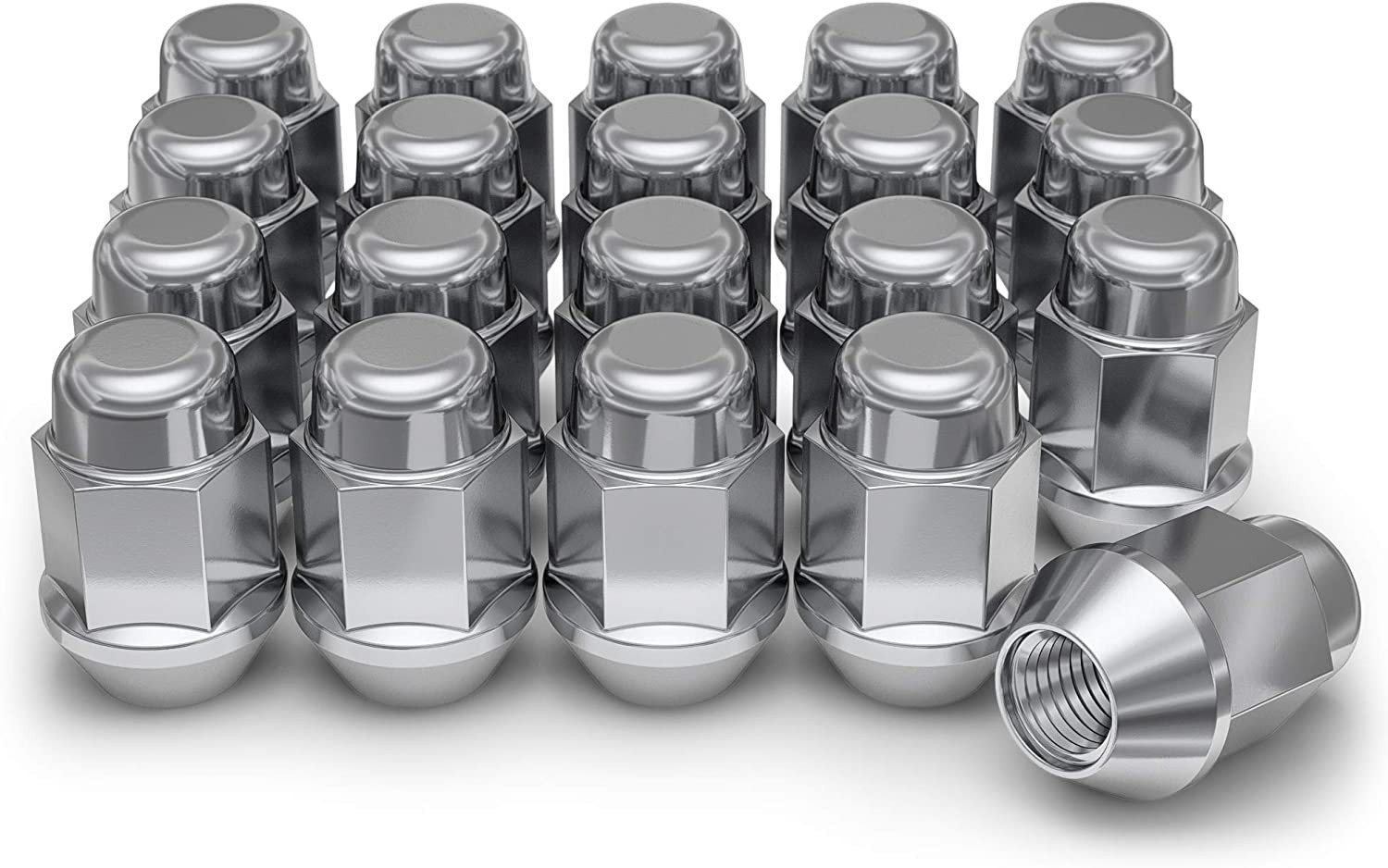
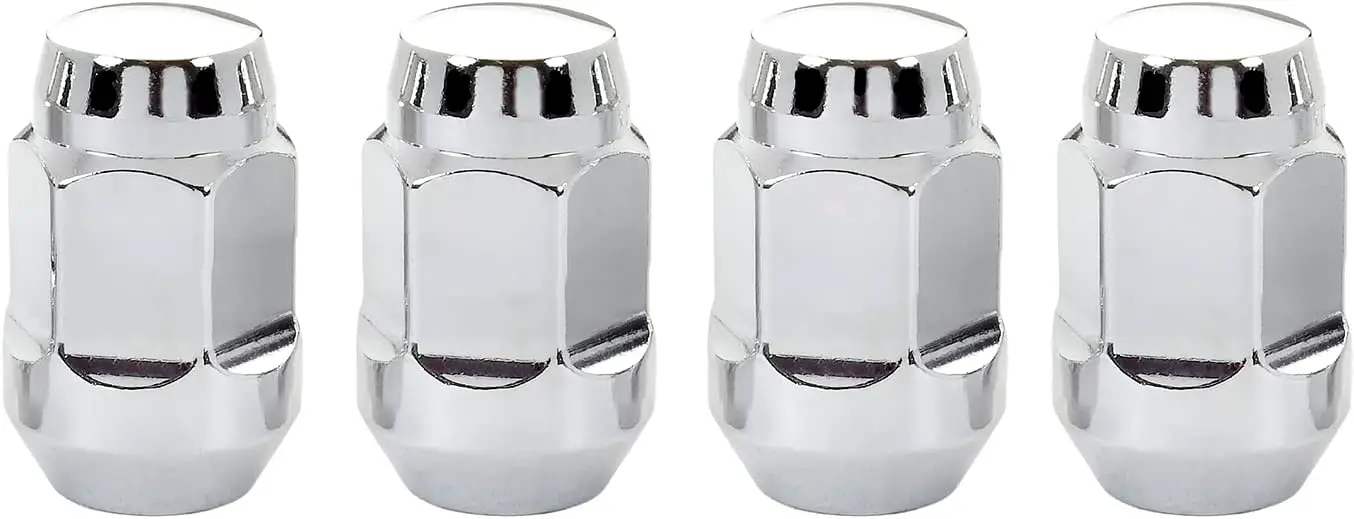
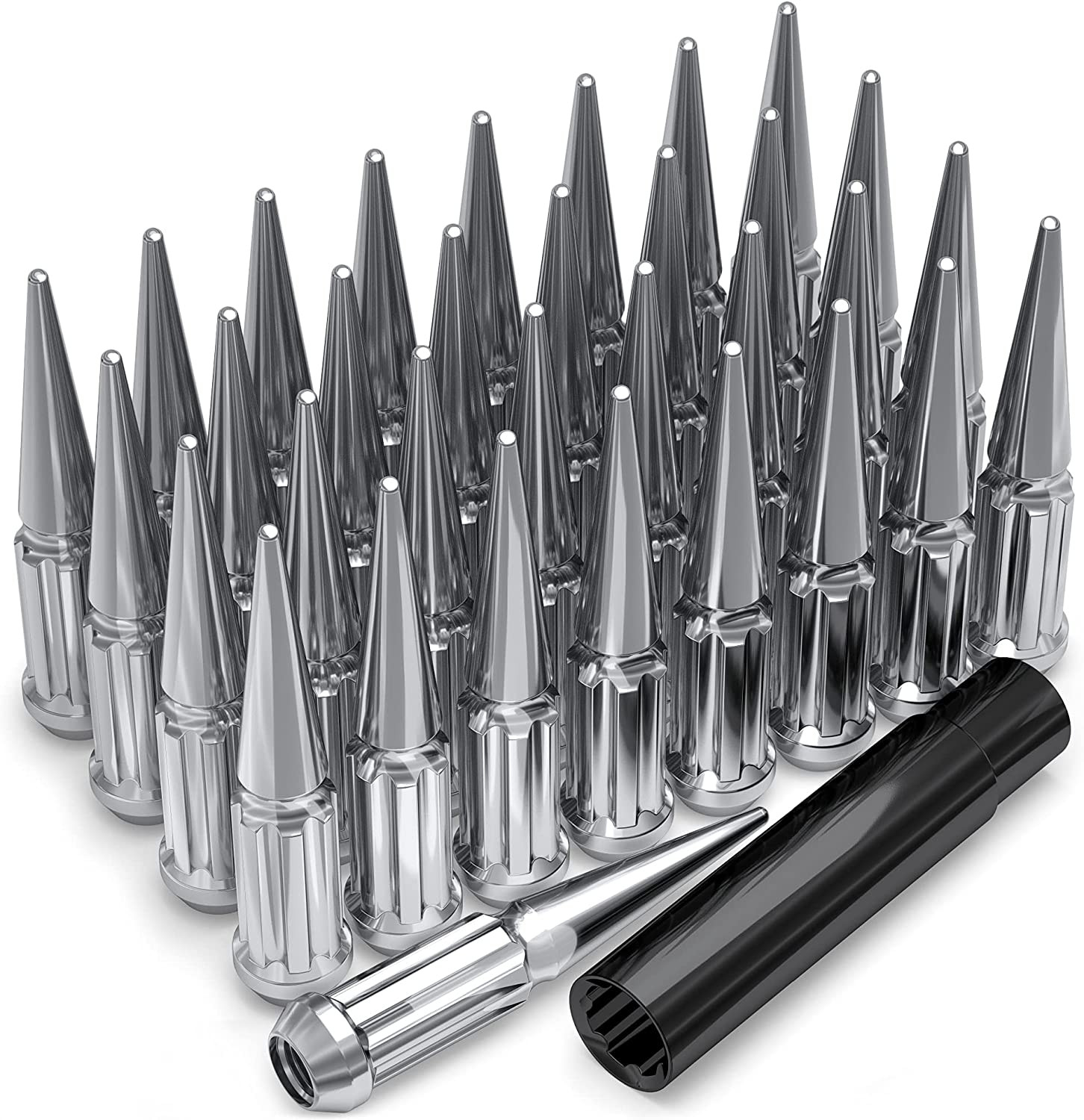
- Confirm the wheel uses compatible M12 x 1.25 wheel hardware and the correct seat type. Thread size alone does not confirm lug-nut compatibility.
- Check front and rear fitment separately if the vehicle uses different wheel or tire specifications by axle.
- Measure clearance with the steering turned fully left and right and with the suspension at normal ride height.
- Confirm the replacement tire’s load index and speed rating meet or exceed the vehicle and tire manufacturer requirements.
- Inspect used wheels for cracks, bends, corrosion around the bead, damaged lug holes, and previous repairs.
- Verify that the tire does not contact the fender, liner, suspension, or brake components during compression and steering movement.
Plus Sizing And Common Upgrades
Plus sizing changes the wheel diameter while using a lower-profile tire to keep the overall tire diameter near the original. The calculator can compare these changes, but it does not replace a physical clearance inspection.
The known reference tire is 275/40R17. Its approximate overall diameter can be calculated from the supplied dimensions, but actual mounted dimensions vary by tire brand, tread design, approved rim width, and inflation pressure. Use the calculator and the tire manufacturer’s specifications when comparing alternatives.
Increasing wheel width or changing offset can alter inner suspension clearance, outer fender clearance, steering feel, scrub geometry, and tire contact risk. A larger wheel may also reduce sidewall protection and increase the chance of impact damage. Do not select an upgrade solely because the bolt pattern matches.
There is not enough supplied information to provide a complete list of alternate wheel or tire sizes for every 2002 Dodge Viper trim. Confirm any proposed upgrade against OEM documentation, tire manufacturer data, brake clearance templates, and an in-person test fit.
Installation Tips
- Clean the hub mounting surface and the wheel mounting pad before installation. Remove rust and debris without removing hub material.
- Install wheels by hand and start every lug nut by hand to avoid cross-threading the M12 x 1.25 studs.
- Use only lug nuts with the correct seat style for the wheel. Do not substitute hardware based only on thread size.
- Snug the lug nuts in a star or crisscross pattern, lower the vehicle until the tire is just touching the ground, and torque the hardware to the vehicle or wheel manufacturer’s specified value.
- Do not guess the torque specification. Confirm it in the owner’s manual, Dodge service information, or the wheel manufacturer’s instructions.
- After installation, check for contact at full steering lock and through available suspension travel.
- Recheck lug-nut torque after the initial driving period specified by the vehicle or wheel manufacturer, and inspect for movement or damage.
- Set tire pressure according to the vehicle placard or tire manufacturer guidance, not the maximum pressure molded on the tire sidewall.
Tools And Helpful Supplies
Helpful equipment includes a properly rated jack and jack stands, wheel chocks, a socket that matches the lug nuts, a torque wrench, a tire-pressure gauge, a tread-depth gauge, and a straightedge or clearance-measuring tool. A hub cleaning brush and correctly sized hub-centric rings may also be useful when applicable.
Shop automotive torque wrenches on Amazon
Shop wheel hub cleaning brushes on Amazon
Use jack stands on a firm, level surface and follow the safety instructions for every tool. Never rely on a hydraulic jack alone to support the vehicle.
FAQs
What is the bolt pattern for a 2002 Dodge Viper?
The known bolt pattern is 6x114.3, which is also commonly written as 6x4.5 inches. Confirm the pattern before buying aftermarket wheels.
What is the center bore for the 2002 Dodge Viper?
The known center bore is 71.6 mm. A replacement wheel with a larger bore may need properly sized hub-centric rings, while a smaller bore will not fit over the hub.
What wheel size is listed for the 2002 Dodge Viper?
The supplied OEM reference is a 17-inch diameter wheel that is 10.0 inches wide, with ET51 offset and 7.01-inch backspacing. This information may be partial, so verify your vehicle and wheel markings.
What tire size is listed for this Viper?
The supplied tire reference is 275/40R17. Confirm the tire placard, owner’s manual, and tire manufacturer requirements before replacing or changing tire size.
Can any 6x114.3 wheel fit a 2002 Dodge Viper?
No. Bolt pattern is only one part of fitment. You must also verify center bore, offset, width, brake clearance, lug-seat compatibility, load rating, tire clearance, and available tire sizes.
What lug-nut thread size is provided for this vehicle?
The known thread size is M12 x 1.25. The correct lug-nut seat and physical hardware design must also match the wheel. Confirm the final hardware specification before installation.
Can I install larger wheels or wider tires?
Possibly, but no complete upgrade list is provided here. Use the calculator to compare diameter, width, and offset, then confirm brake, suspension, fender, and steering clearance with the actual vehicle and tire manufacturer specifications.
How do I confirm a wheel will clear the brakes?
Use the wheel manufacturer’s brake-clearance data or template when available, and perform a careful test fit. Check the inner barrel and spoke clearance, not just the bolt pattern and center bore. If clearance is uncertain, consult a qualified wheel and brake specialist.