1995 Dodge Neon Wheel Interchange and Fitment Guide
Known OEM Fitment For 1995 Dodge Neon
The information below reflects the currently available fitment data for the 1995 Dodge Neon. Some specifications are unknown or may vary by trim, market, or replacement wheel. Confirm every measurement against the vehicle, the wheel, and an OEM source before purchase.
| Specification |
Known value |
Fitment note |
| Bolt pattern |
Unknown |
Confirm the studs and pitch circle diameter from an OEM service source or by accurate measurement before ordering wheels. |
| Center bore |
57.1 mm |
The wheel center bore must be compatible with the vehicle hub. A larger bore may require correctly sized hub-centric rings; a smaller bore will not fit over the hub. |
| Thread size |
Unknown |
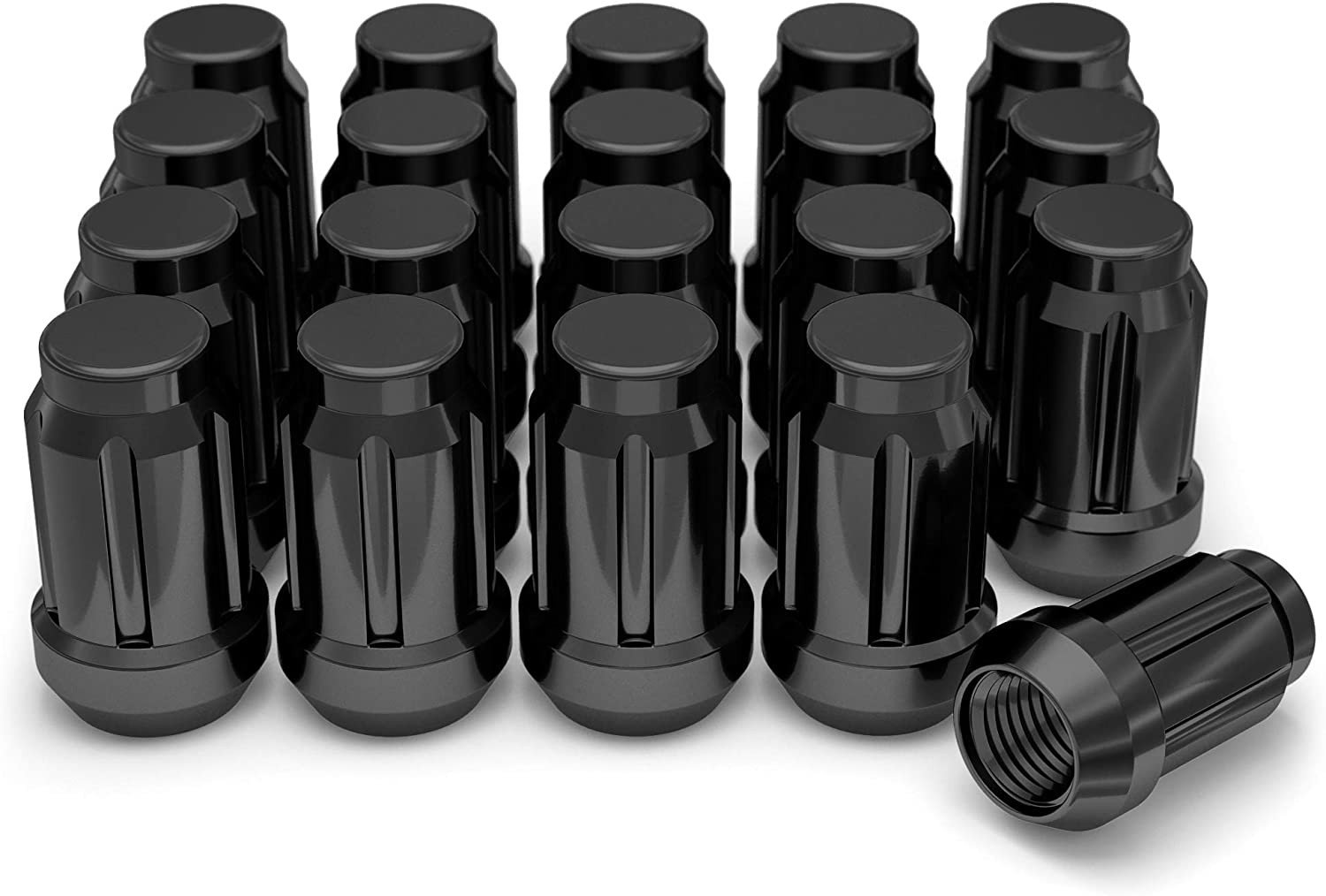
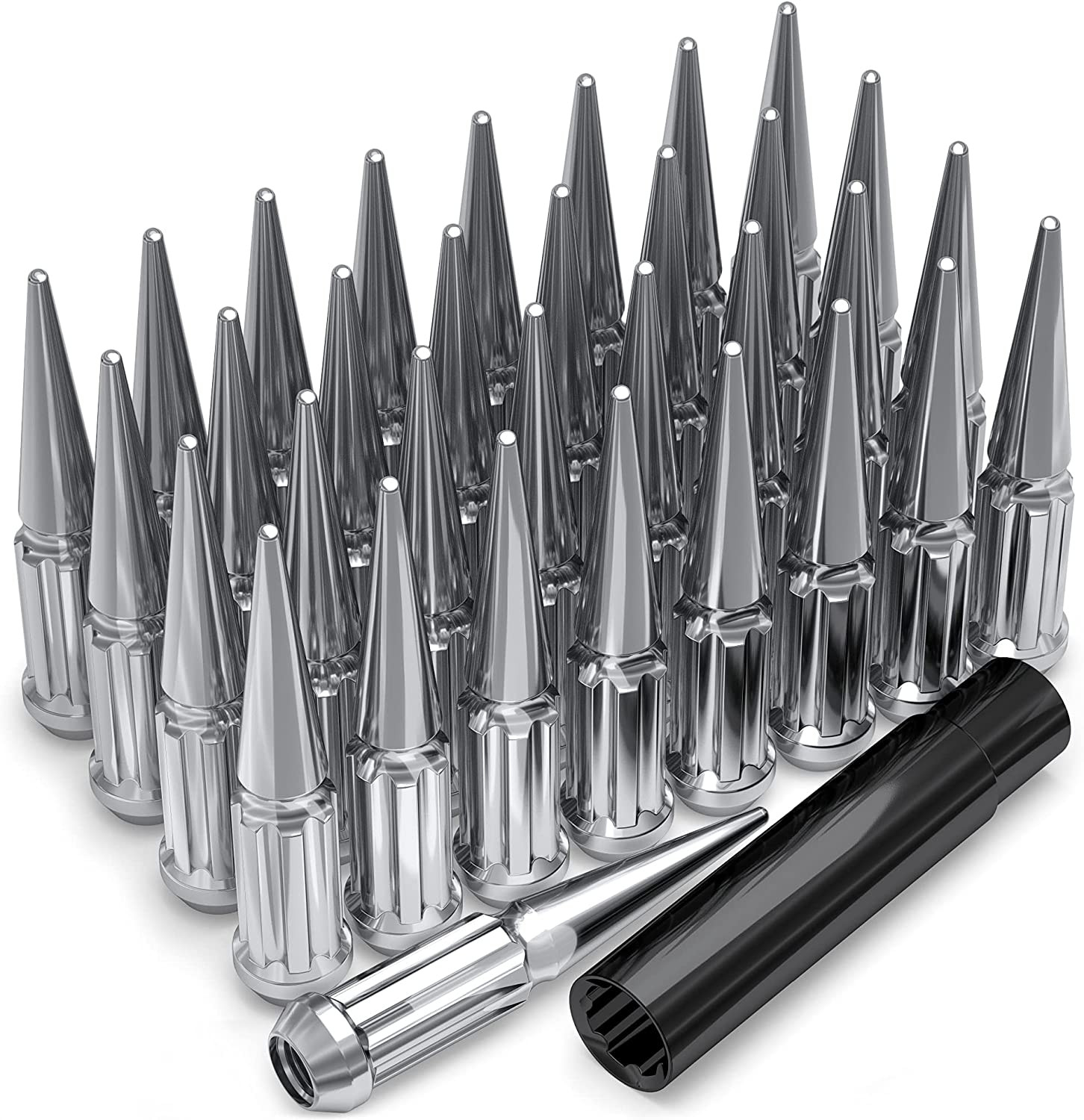
Confirm the factory lug nut or stud specification before selecting replacement lug hardware. |
| Rim diameter |
14 inches |
Listed wheel diameter. |
| Rim width |
5.5 inches |
Listed wheel width. |
| Wheel offset |
ET 40 mm |
Compare replacement offset with the installed wheel and check clearance at the suspension and fender. |
| Backspacing |
4.32 inches |
Use this measurement with wheel width and offset comparisons. Always verify the actual wheel dimensions. |
| Original tire size |
175/65R14 |
Section width: 175 mm. Aspect ratio: 65 percent. Rim diameter: 14 inches. |
Because the bolt pattern and thread size are not confirmed here, do not purchase wheels or lug hardware based on this page alone. Check the vehicle identification information, factory service documentation, the original wheel, and the current hub and lug hardware.
How To Use The Wheel Interchange Calculator
Use the calculator to compare a potential donor wheel with the wheel installed on your 1995 Dodge Neon. Select the donor vehicle or enter its wheel measurements, then select the Neon as the vehicle receiving the wheel.
For a direct custom comparison, enter the proposed rim diameter, rim width, and offset under Custom wheel size. Enter the proposed tire section width and aspect ratio under Custom tire size. The calculator updates tire diameter when rim diameter changes, so review the complete comparison rather than checking width alone.
Use the results as a screening tool, not as a substitute for a physical test fit. The calculator cannot confirm every clearance issue, including brake hardware, suspension components, hub shape, lug-seat design, fender clearance, or tire sidewall interference.
Fitment Checklist Before You Buy
Confirm the donor wheel's bolt pattern before comparing width, offset, or appearance. The bolt pattern for this application is currently unknown in the supplied data, so verify it using an OEM source or precise measurement.
Measure or confirm the wheel's diameter, width, offset, center bore, and backspacing. Check whether the wheel uses conical, ball-seat, or another lug-seat design, and verify that the lug hardware matches the wheel and vehicle. The thread size is also unknown here and must be confirmed before installation.
Inspect brake, strut, control-arm, and inner-fender clearance. Check outer sidewall and tread clearance at full steering lock and through available suspension travel. Confirm that the tire load rating, speed rating, and overall diameter are suitable for the vehicle and use.
Ask the wheel manufacturer for the wheel's load rating and application guidance. Do not rely only on a listing that says a wheel is “universal” or “fits many vehicles.”
Plus Sizing And Common Upgrades
Plus sizing changes the wheel diameter while using a lower-profile tire to keep overall tire diameter near the original target. It can affect ride comfort, steering response, speedometer indication, load capacity, and clearance. The original listed tire is 175/65R14, but no alternate size should be treated as confirmed without a complete comparison.
Use the calculator to test a proposed rim diameter, width, offset, section width, and aspect ratio. Compare the calculated tire diameter with the installed setup, then verify the result against the tire manufacturer's approved rim-width range and load requirements.
A larger wheel is not automatically an upgrade. Avoid reducing sidewall height or increasing width if the resulting assembly contacts the vehicle, exceeds available clearance, has inadequate load capacity, or cannot be secured with correct hardware. Confirm any change with an OEM or qualified tire and wheel professional.
Installation Tips
Before mounting a wheel, clean the hub mounting surface and inspect the hub, studs, lug nuts, and wheel seats. Do not force a wheel onto a hub, and do not use spacers or adapters unless they are specifically engineered for the application and installed according to their manufacturer's instructions.
Install wheels with the correct lug hardware and tighten them in a crisscross pattern. Use the vehicle manufacturer's torque specification for the lug hardware, not a generic value. If the thread size or lug-seat type is unknown, stop and confirm it before tightening.
After installation, rotate each wheel by hand and check for contact. Lower the vehicle, torque the lugs with a calibrated torque wrench, and recheck torque after the first short drive and again according to the wheel and vehicle manufacturer's guidance. Stop immediately if there is vibration, rubbing, steering pull, or unusual noise.
Tools And Helpful Supplies
Useful items include a calibrated torque wrench, a socket that correctly fits the lug hardware, a tire pressure gauge, a tread-depth gauge, a tape measure or wheel backspacing gauge, and a jack with properly rated jack stands. Use wheel chocks and a stable, level work surface whenever lifting the vehicle.
Shop automotive torque wrenches on Amazon and shop digital tire pressure gauges on Amazon. Product compatibility, accuracy, and ratings should be checked before purchase.
FAQs
What is the bolt pattern for the 1995 Dodge Neon?
The bolt pattern is not confirmed in the supplied data. Verify the stud count and pitch circle diameter using an OEM service source or accurate measurement before purchasing wheels.
What center bore is listed for this vehicle?
The listed center bore is 57.1 mm. Confirm the actual hub and wheel dimensions, especially when considering aftermarket wheels or hub-centric rings.
What is the listed factory wheel and tire setup?
The listed wheel is 14 inches in diameter, 5.5 inches wide, with ET 40 mm offset and 4.32 inches of backspacing. The listed tire is 175/65R14.
Can I use any 14-inch wheel?
No. Diameter alone does not establish fitment. The bolt pattern, center bore, offset, backspacing, lug-seat type, load rating, and brake and suspension clearance must all be compatible.
Can I install a wheel with a larger center bore?
A larger center bore may be usable with correctly sized hub-centric rings, but the wheel must still match the bolt pattern, offset, load rating, lug hardware, and clearance requirements. A smaller center bore generally will not fit over the vehicle hub.
Can I use a different tire size?
Possibly, but the replacement tire must fit the selected rim width, maintain suitable load and speed ratings, and provide acceptable overall diameter and clearance. Enter the proposed dimensions in the calculator and verify them with the tire manufacturer and an OEM or qualified professional.
Does changing the rim diameter affect tire diameter?
Yes. In the calculator, changing rim diameter updates the tire diameter comparison. A larger rim normally requires a lower-aspect-ratio tire to keep overall diameter closer to the installed setup, but the result still requires physical clearance and tire manufacturer verification.
What thread size and lug nuts should I buy?
The thread size is unknown in the supplied information. Confirm the vehicle's thread specification and the replacement wheel's lug-seat design before buying or installing lug hardware. Never assume that a lug nut that threads on is safe or correct.