1998 Dodge Neon Wheel Fitment and Interchange Guide
Use this guide and the on-page wheel interchange calculator to evaluate replacement wheels for a 1998 Dodge Neon. The available OEM data is incomplete, so confirm every unknown specification with the vehicle owner’s manual, an OEM service source, the current wheel markings, or a qualified wheel and tire professional before purchasing.
Known OEM Fitment For 1998 Dodge Neon
The following values are the known or provided reference measurements for this page. They may vary by trim, equipment, market, or replacement wheel.
| Specification |
Known value |
Notes |
| Bolt pattern |
Unknown |
Confirm the number of studs and the PCD before ordering wheels. |
| Center bore |
57.1 mm |
Compare the wheel center bore with the vehicle hub. A smaller bore will not fit over the hub. |
| Thread size |
Unknown |
Confirm the correct lug nut or fastener thread specification from an OEM source. |
| Rim diameter |
14 inches |
Provided reference diameter. |
| Rim width |
5.5 inches |
Provided reference width. |
| Wheel offset |
ET40 |
Provided reference offset of 40 mm. |
| Backspacing |
4.32 inches |
Provided reference measurement. Verify the actual wheel if clearance is critical. |
| Tire size |
185/65R14 |
Based on the provided section width, aspect ratio, and rim diameter. |
| Approximate calculated tire diameter |
23.5 inches |
Mathematical estimate from 185/65R14. Actual tire dimensions vary by brand and model. |
The bolt pattern and thread size are not supplied here. Do not infer either specification from the vehicle name alone. A wheel must match the correct bolt pattern, center bore, offset range, load rating, and brake and suspension clearances.
How To Use The Wheel Interchange Calculator
- In the “Wheels from” fields, enter the donor vehicle or donor wheel specifications you want to compare.
- In the “Installed on” fields, select or enter the 1998 Dodge Neon reference specifications.
- Compare rim diameter, rim width, offset, center bore, and bolt pattern when those values are available.
- Use the custom wheel size controls to test a different rim diameter, width, or offset.
- Use the custom tire size controls to compare section width and aspect ratio changes.
- Review the tire diameter comparison after changing rim diameter. The calculator updates the comparison because a different rim diameter requires a different tire size to maintain a similar overall diameter.
- Use the result as a screening tool, not as proof that a wheel is safe. Confirm physical clearance and all missing specifications before purchase.
If a donor vehicle’s bolt pattern, center bore, thread specification, or load rating is unknown, treat the comparison as incomplete. Obtain those values from the donor wheel manufacturer, an OEM catalog, or a direct measurement by a qualified technician.
Fitment Checklist Before You Buy
- Confirm the exact bolt pattern, including stud count and PCD, for the 1998 Dodge Neon and the donor wheel.
- Confirm the wheel center bore. The supplied vehicle reference is 57.1 mm, but the replacement wheel must still be checked for correct hub fitment.
- Verify the wheel’s width, diameter, and offset from the wheel casting, manufacturer data, or a trusted measurement.
- Confirm that the wheel load rating meets or exceeds the vehicle and axle requirements.
- Check inner clearance to the brake caliper, strut, control arm, tie rod, and other suspension components.
- Check outer clearance to the fender, liner, and bodywork through the complete steering range and suspension travel.
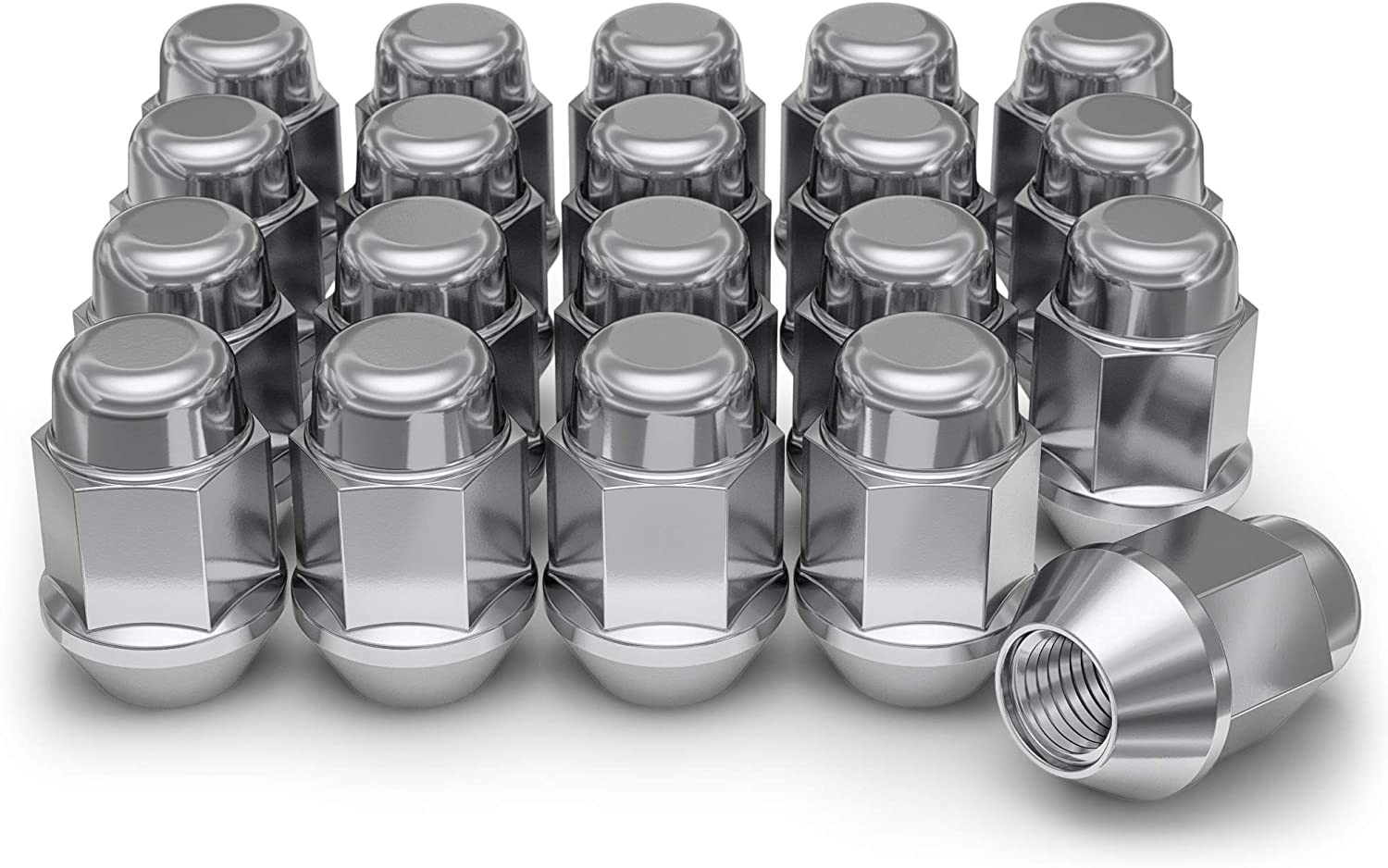
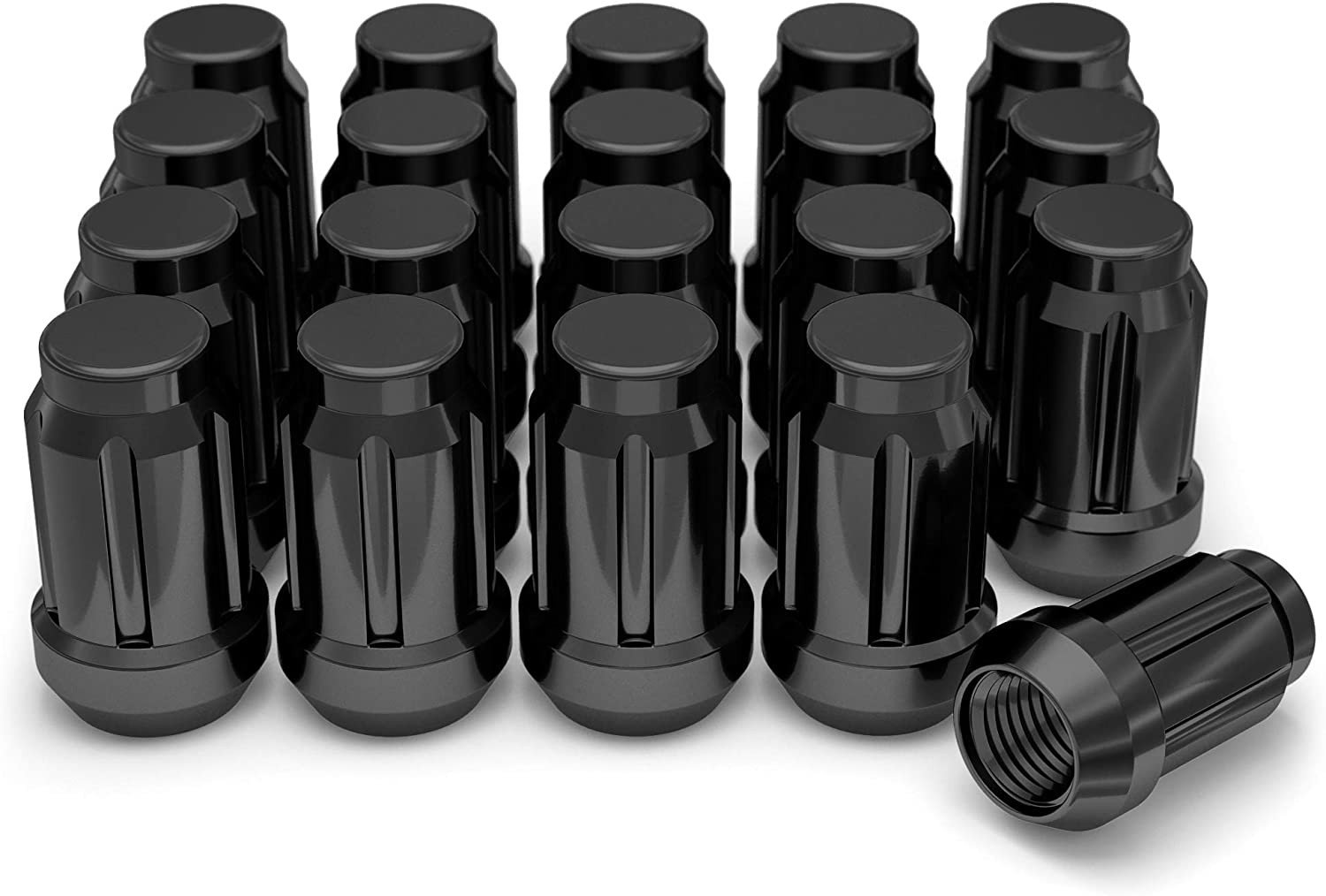
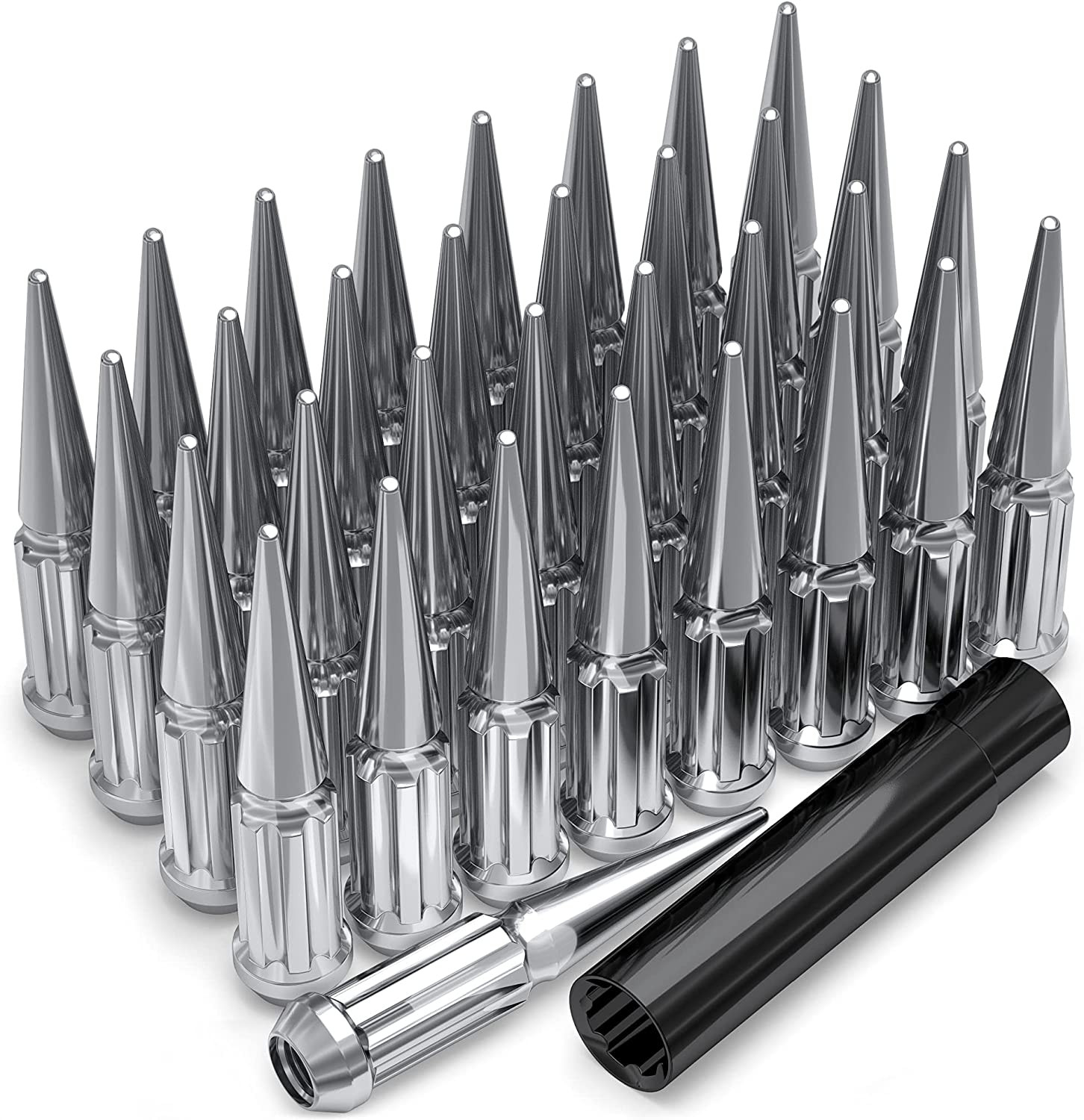
- Confirm that the lug nuts or wheel fasteners match the wheel’s seat type and the vehicle’s unknown thread specification.
- Check tire load index, speed rating, approved rim width range, and overall diameter.
- Make sure tire and wheel combinations do not contact the vehicle during turning, braking, or compression.
- Inspect used wheels for cracks, bends, corrosion around the bead seat, and damaged mounting holes.
Plus Sizing And Common Upgrades
Plus sizing generally means fitting a larger-diameter wheel with a lower-aspect-ratio tire while keeping the overall tire diameter close to the original. The provided reference is a 14-inch wheel with a 185/65R14 tire. Do not select a larger wheel based on diameter alone. The replacement tire must be approved for the wheel width, maintain adequate load capacity, and provide sufficient fender, suspension, and brake clearance.
A wider wheel or tire can change steering feel, road noise, fuel economy, wet-weather behavior, and the risk of rubbing. A lower-profile tire may also be more vulnerable to impact damage. Use the calculator to compare custom diameter, width, offset, section width, and aspect ratio combinations, then verify the proposed setup against tire manufacturer data and the vehicle’s physical clearances.
Do not assume that a donor wheel is compatible because it comes from another Dodge, Chrysler, or similar vehicle. The bolt pattern and thread size for this page are unknown and must be confirmed before using any donor-wheel comparison.
Installation Tips
- Clean the hub mounting face and the wheel mounting surface. Remove rust and debris without removing necessary material from the hub.
- Test-fit one wheel on the front and one on the rear before mounting all tires, if possible. Check caliper and suspension clearance with the wheel fully seated.
- Install only the correct lug nuts or fasteners. Confirm the thread specification and seat style before tightening.
- Hand-start every fastener to prevent cross-threading. Do not use an impact tool to force a damaged or mismatched fastener.
- Tighten fasteners in a star or crisscross sequence using the torque specification from the vehicle manufacturer or wheel manufacturer.
- After installation, rotate the steering from lock to lock and inspect for contact. Check clearance again after the vehicle is lowered.
- Recheck fastener torque after the interval specified by the vehicle or wheel manufacturer and after the first short drive.
- Stop driving if you notice vibration, pulling, rubbing, loose fasteners, air loss, or unusual noise. Have the installation inspected before continuing.
Tools And Helpful Supplies
A basic installation may require a floor jack, correctly rated jack stands, a lug wrench, a torque wrench, a tire-pressure gauge, and a flashlight. Use the vehicle manufacturer’s approved lifting points and never work under a vehicle supported only by a jack.
- Automotive torque wrench for controlled wheel-fastener tightening.
- Automotive wheel chocks to help prevent vehicle movement during lifting.
- Wire brush or hub-cleaning tool for removing loose rust and debris from mounting surfaces.
- Ruler or caliper for checking wheel markings and selected clearance measurements.
- Manufacturer-approved tire pressure information and a reliable tire-pressure gauge.
Never use wheel spacers, adapters, or modified fasteners to solve an unknown fitment problem without confirming their compatibility, load rating, installation requirements, and local legal requirements with a qualified professional.
FAQs
What is the stock tire size shown for the 1998 Dodge Neon on this page?
The provided reference tire size is 185/65R14. Tire fitment can vary by trim, market, or prior wheel changes, so compare it with the tire sidewall, door-jamb label, owner’s manual, or an OEM service source.
What is the center bore listed for this vehicle?
The provided center bore is 57.1 mm. Confirm the actual vehicle hub and replacement wheel bore before installation. A wheel with a smaller center bore cannot pass over a larger hub.
What is the bolt pattern for a 1998 Dodge Neon?
The bolt pattern is unknown in the supplied data. Confirm the stud count and PCD from an OEM source or a qualified wheel professional. Do not guess this value from the model year or from a similar vehicle.
What thread size do the wheel fasteners use?
The thread size is also unknown here. Verify it before buying lug nuts, wheel locks, adapters, or replacement fasteners. The fastener must match the vehicle thread and the wheel’s seat design.
Can I install wheels from another vehicle?
Possibly, but the donor wheel must be checked for bolt pattern, center bore, diameter, width, offset, load rating, fastener compatibility, and brake and suspension clearance. Enter the donor and vehicle information in the calculator, then complete a physical inspection before driving.
Can I use a larger wheel diameter?
A larger wheel may be possible with a compatible lower-aspect-ratio tire, but no larger-diameter combination is confirmed by the supplied data. Use the custom wheel and tire fields to compare overall diameter, then verify approved tire sizing and physical clearance.
Is the listed ET40 offset required?
ET40 is the supplied reference offset, not a guarantee that every replacement must use exactly that value. Changing offset moves the wheel inward or outward and can create rubbing or clearance problems. Confirm the allowable range through physical test-fitting and manufacturer guidance.
Does the calculator guarantee that a wheel will fit?
No. It compares entered dimensions and updates tire diameter when rim diameter changes. It cannot confirm every brake, suspension, fender, fastener, load-rating, or tire-manufacturer requirement. Use it to narrow options, then verify the wheel and tire combination in person or with a qualified technician.