2017 GMC Acadia Wheel Fitment Guide
Known OEM Fitment For 2017 GMC Acadia
The following specifications are the known OEM fitment data available for the 2017 GMC Acadia on WheelInterchange.com. Equipment can vary by trim, package, market, and replacement wheel, so confirm the information against the vehicle, the owner’s manual, the tire information placard, and the original wheel markings before purchasing.
| Specification |
Known value |
| Bolt pattern |
6x120 |
| Center bore |
66.9 mm |
| Thread size |
M14 x 1.5 |
| Rim diameter |
17 inches |
| Rim width |
7.5 inches |
| Wheel offset |
ET50, or 50 mm |
| Backspacing |
5.72 inches |
| Tire section width |
245 mm |
| Tire aspect ratio |
65 percent |
| Tire rim diameter |
R17 |
This data describes a known 17-inch wheel and tire configuration. It should not be treated as a complete list of every factory or optional configuration unless confirmed by an OEM source for your specific Acadia.
How To Use The Wheel Interchange Calculator
Use the calculator to compare a possible donor wheel and tire setup with your 2017 GMC Acadia. In the “Wheels from” section, select or enter the donor vehicle information. In the “Installed on” section, choose the 2017 GMC Acadia as the target vehicle.
Review the bolt pattern, center bore, wheel width, diameter, and offset comparison before considering a purchase. The calculator also allows you to enter a custom wheel size by changing rim diameter, rim width, and offset. Custom tire fields allow you to change section width and aspect ratio.
Changing the rim diameter updates the calculated tire diameter in the comparison. Use that result to check whether the proposed tire remains close to the known setup and whether the change could affect clearance, speedometer accuracy, ride height, or vehicle systems. Calculator results are a screening tool, not a substitute for a physical clearance check or OEM confirmation.
Fitment Checklist Before You Buy
Confirm every critical measurement, even when a listing says a wheel fits the Acadia. A matching bolt pattern alone does not prove safe fitment.
- Verify the wheel uses a 6x120 bolt pattern.
- Confirm the center bore is compatible with the vehicle’s 66.9 mm hub. A smaller bore will not mount over the hub. A larger bore may require correctly specified hub-centric rings when appropriate.
- Compare wheel diameter, width, and offset with the known 17 x 7.5 wheel and ET50 offset.
- Check inner clearance to the brake caliper, suspension, and other components.
- Check outer clearance to the fender, liner, and steering components at full steering lock and through suspension travel.
- Verify the tire load rating, speed rating, size, and pressure requirements using the door placard and owner’s manual.
- Confirm the wheel’s lug-seat design and hardware requirements. The M14 x 1.5 thread size does not by itself identify the correct lug nut seat.
- Inspect used wheels for cracks, bends, corrosion, repaired damage, and damaged mounting surfaces.
Plus Sizing And Common Upgrades
Plus sizing usually means fitting a larger-diameter wheel with a lower-profile tire while keeping the overall tire diameter near the original diameter. Do not assume that a larger wheel, wider tire, or different offset will clear the vehicle.
Enter the proposed wheel diameter, width, and offset in the custom wheel fields. Then enter the proposed tire section width and aspect ratio. Compare the calculated tire diameter, sidewall height, and overall dimensions with the known 245/65R17 configuration. A substantial change can affect ride comfort, steering feel, fender clearance, speedometer readings, and electronic vehicle systems.
There is no universal upgrade size that can be confirmed from the supplied data alone. Before ordering, obtain the wheel manufacturer’s load rating and fitment documentation, then test-fit one wheel and tire when possible. Confirm clearance with the steering fully turned and with the suspension loaded before driving normally.
Installation Tips
Clean the hub face and wheel mounting surface before installation. Rust, dirt, paint buildup, or debris can prevent the wheel from seating correctly and can contribute to runout or loosening.
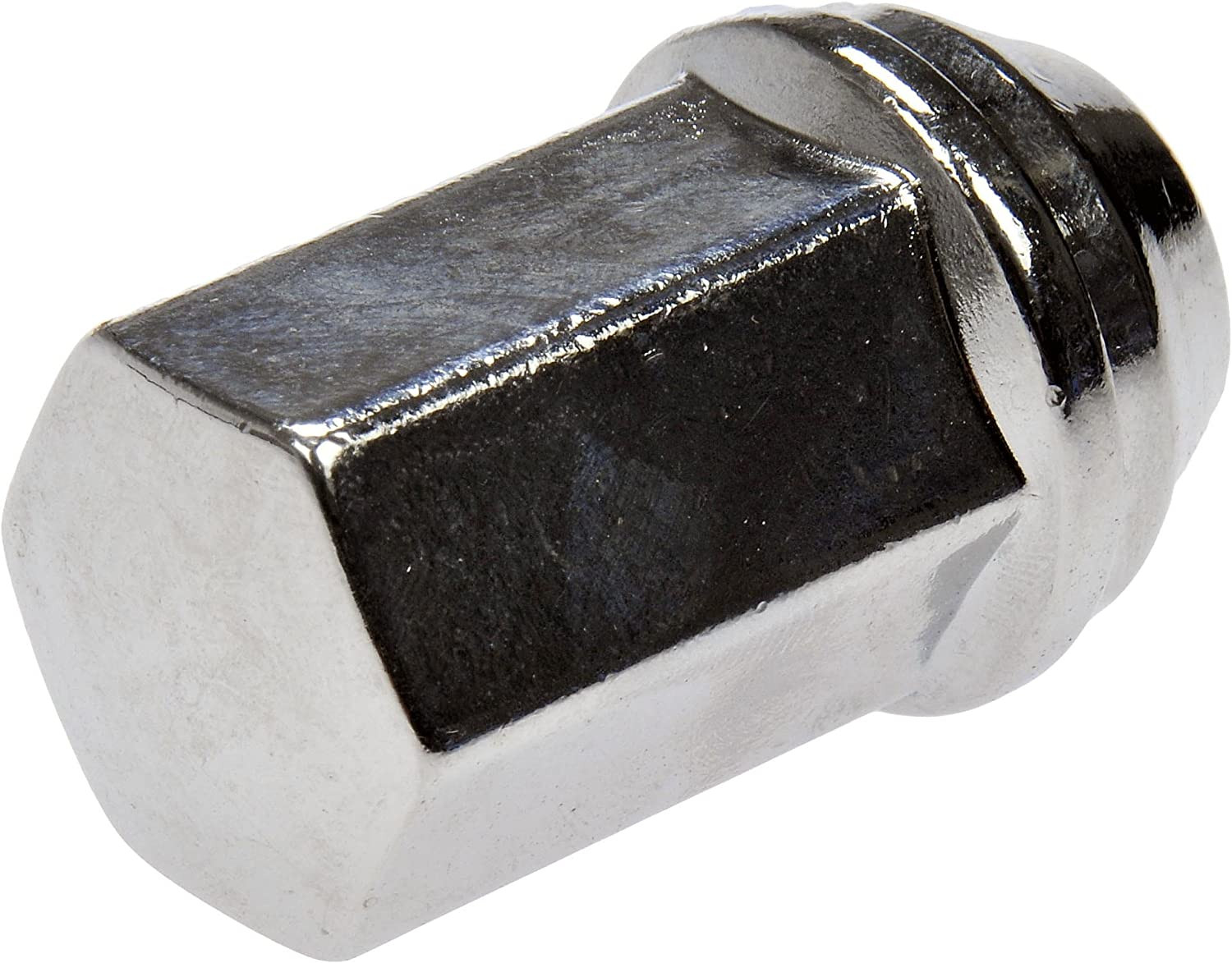
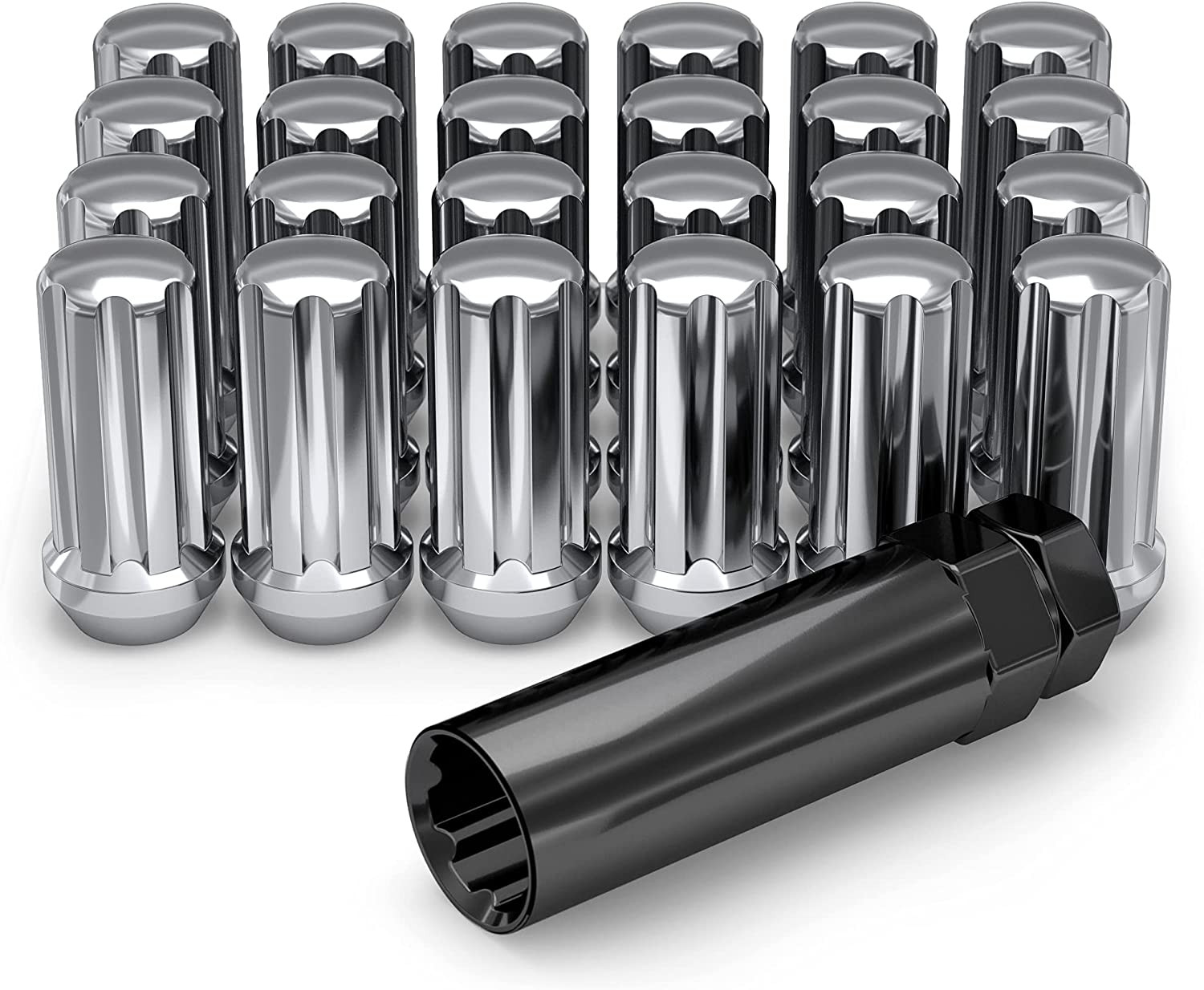
Use only compatible lug hardware with the correct thread, seat shape, length, and engagement. Do not force incompatible lug nuts onto the M14 x 1.5 studs. Install the wheel by hand first so the threads are not cross-threaded.
Tighten the lug nuts in a crisscross pattern, then use the vehicle manufacturer’s specified torque with a calibrated torque wrench. The correct torque value is not provided here, so confirm it in the owner’s manual or an OEM service source for the exact vehicle.
After installation, verify that the wheel rotates freely and that there is no contact with the brakes, suspension, bodywork, or wheel-well liner. Recheck lug torque after the manufacturer’s recommended initial driving interval and inspect for changes in tire pressure or rubbing.
Tools And Helpful Supplies
Useful equipment for a careful wheel installation includes a calibrated torque wrench, a suitable jack and jack stands, wheel chocks, a socket that matches the lug hardware, a tire pressure gauge, and a hub and wheel cleaning brush. Use jack stands and follow safe lifting points. Never work under a vehicle supported only by a jack.
Shop automotive torque wrenches on Amazon
A tread depth gauge, flashlight, straightedge, and measuring tape can also help with inspection and clearance checks. These tools do not replace professional mounting and balancing equipment or OEM fitment documentation.
FAQs
What is the bolt pattern for a 2017 GMC Acadia?
The known bolt pattern provided for the 2017 GMC Acadia is 6x120. Confirm the specification for your exact trim and wheel before buying.
What is the center bore of the 2017 GMC Acadia?
The known center bore is 66.9 mm. A replacement wheel with a smaller center bore will not fit over the hub. A larger bore may need an appropriately sized hub-centric solution, depending on the wheel and application.
What wheel size is listed for this 2017 GMC Acadia fitment?
The known wheel configuration is 17 inches in diameter, 7.5 inches wide, with an ET50 offset and 5.72 inches of backspacing. Trim-specific variations are not provided, so verify your vehicle’s original wheel and OEM documentation.
What tire size is associated with the known fitment?
The supplied tire information is 245/65R17, meaning a 245 mm section width, 65 percent aspect ratio, and 17-inch rim diameter. Confirm the approved tire size and required load and speed ratings on the vehicle’s tire placard and in the owner’s manual.
Can I use wheels from another vehicle?
Possibly, but the donor wheel must be checked for more than a matching bolt pattern. Compare center bore, diameter, width, offset, backspacing, lug-seat design, brake clearance, suspension clearance, and load rating. Use the wheel interchange calculator for the initial comparison, then verify the result with the wheel manufacturer and a physical test fit.
Can I install larger wheels on a 2017 GMC Acadia?
A larger wheel may be possible, but no specific larger size can be confirmed from the supplied data alone. Use the calculator’s custom wheel and tire fields to compare diameter, width, offset, and tire diameter. Confirm brake and body clearance, load rating, tire requirements, and OEM compatibility before purchase.
Does the M14 x 1.5 thread size tell me which lug nuts to buy?
No. M14 x 1.5 identifies the thread size, but the correct lug nut also depends on the wheel’s lug-seat shape, required length, and other hardware specifications. Match the lug hardware to the wheel manufacturer’s instructions and the vehicle’s OEM requirements.
Is the calculator a guarantee that a wheel will fit?
No. The calculator compares the entered dimensions and highlights important differences. It cannot fully verify brake-caliper clearance, suspension movement, tire deformation, lug-seat compatibility, wheel strength, or actual body clearance. Confirm the result with OEM and manufacturer sources and inspect the installed assembly before driving.