2019 GMC Canyon Wheel Interchange And Fitment Guide
Use this guide to compare wheel and tire dimensions for a 2019 GMC Canyon. The specifications below are the known values provided for this page and may vary by trim, package, axle, or original equipment configuration. Always verify the vehicle placard, owner’s manual, wheel markings, and a GMC or dealer parts source before purchasing.
Known OEM Fitment For 2019 GMC Canyon
The following specifications are known for the listed 2019 GMC Canyon fitment data. They should be treated as reference values, not a substitute for checking the exact vehicle.
| Specification |
Known value |
| Bolt pattern, studs x PCD |
6x120 |
| Center bore |
66.9 mm |
| Thread size |
M12 x 1.5 |
| Rim diameter |
17 inches |
| Rim width |
8.0 inches |
| Wheel offset |
ET33 |
| Backspacing |
5.3 inches |
| Tire section width |
265 mm |
| Tire aspect ratio |
70 |
| Tire rim diameter |
R16 |
There is an apparent difference between the listed 17-inch rim diameter and the listed R16 tire rim diameter. Do not assume these values describe one complete wheel and tire package. Confirm the tire size printed on the sidewall, the wheel diameter stamped on the wheel, and the exact trim-specific equipment through the vehicle placard and OEM documentation.
For a wheel to mount correctly, the bolt pattern must match, the center bore must be compatible, and the offset, width, brake clearance, load rating, and tire size must be suitable. A matching bolt pattern alone does not establish safe fitment.
How To Use The Wheel Interchange Calculator
The calculator lets you compare wheels from a donor vehicle with the wheels installed on your 2019 GMC Canyon. Enter the donor vehicle or donor wheel dimensions in the “Wheels from” fields, then use the “Installed on” fields for the Canyon reference dimensions. Review changes in diameter, width, offset, backspacing, and estimated position relative to the hub and suspension.
You can also select “Custom wheel size” to enter a proposed rim diameter, rim width, and offset. Use “Custom tire size” to enter tire section width and aspect ratio. When you change rim diameter, the calculator updates the tire diameter in the comparison, so review the complete wheel and tire combination rather than checking wheel diameter alone.
Use calculator results as a screening tool. They do not confirm brake-caliper clearance, spoke clearance, hub engagement, tire load capacity, steering clearance, or legal requirements. If the calculator shows a major dimensional change, perform a physical test fit or obtain confirmation from a qualified wheel and tire professional before ordering.
Fitment Checklist Before You Buy
Start by confirming the exact tire and wheel specifications currently installed on the vehicle. Compare the proposed wheel with the known 6x120 bolt pattern, 66.9 mm center bore, M12 x 1.5 thread specification, and the applicable OEM wheel width, diameter, offset, and load rating. Verify these items against the driver-door tire label, owner’s manual, wheel markings, and an OEM parts source because trim-level information is not fully provided here.
- Confirm the 6x120 bolt pattern and ensure all six mounting holes seat correctly.
- Check that the wheel center bore is compatible with the 66.9 mm hub. A larger bore may require correctly sized hub-centric rings, while a smaller bore will not fit over the hub.
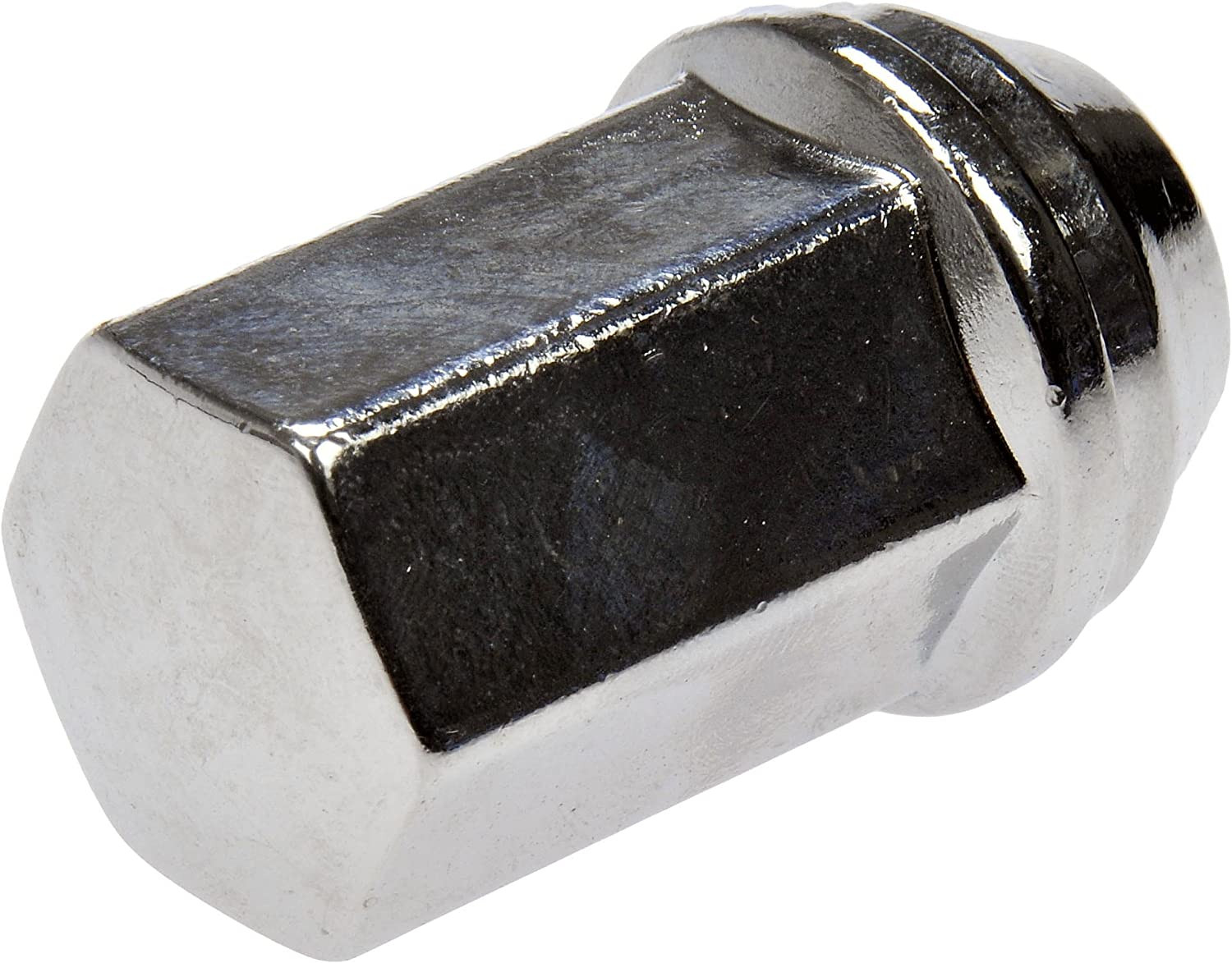
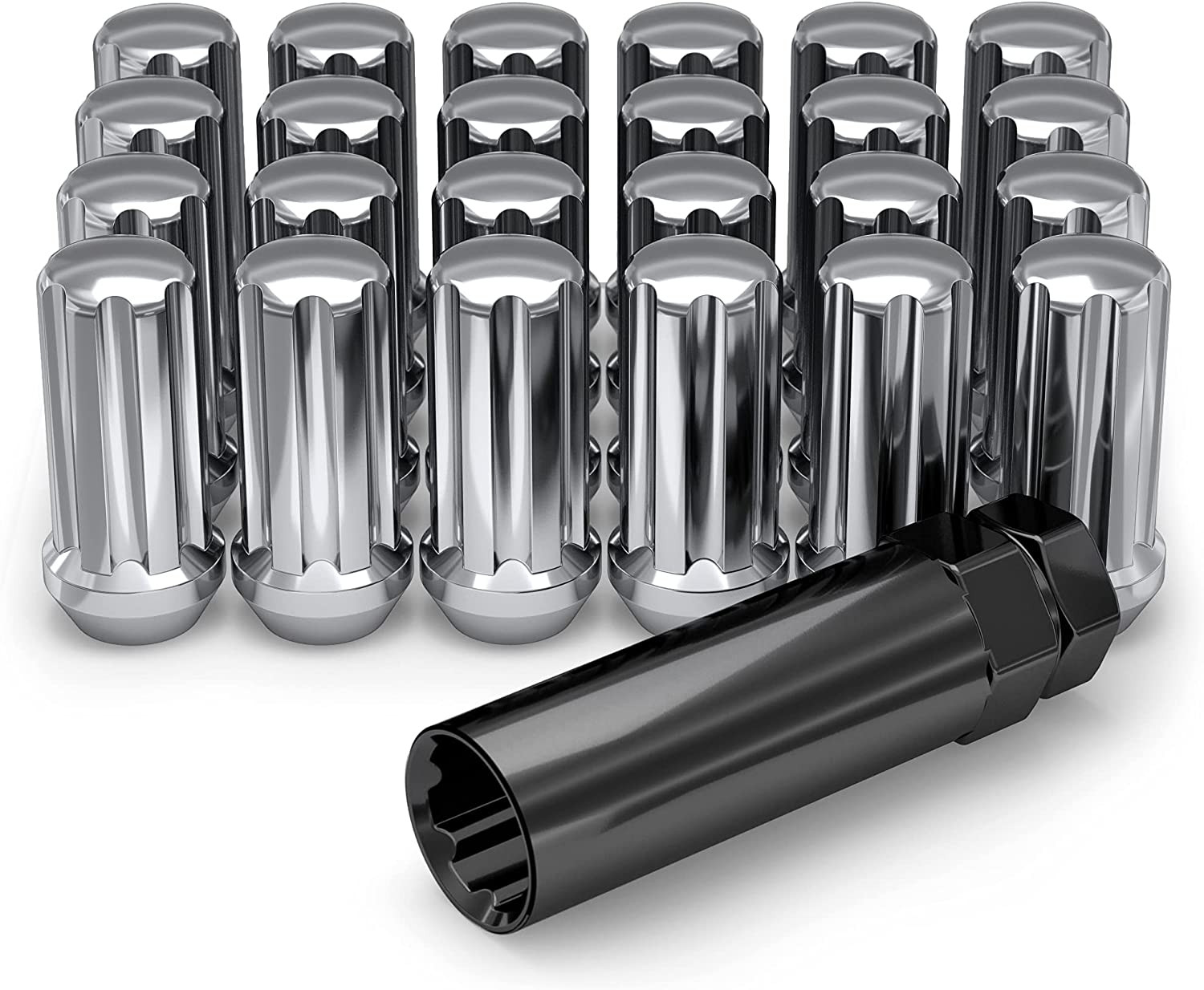
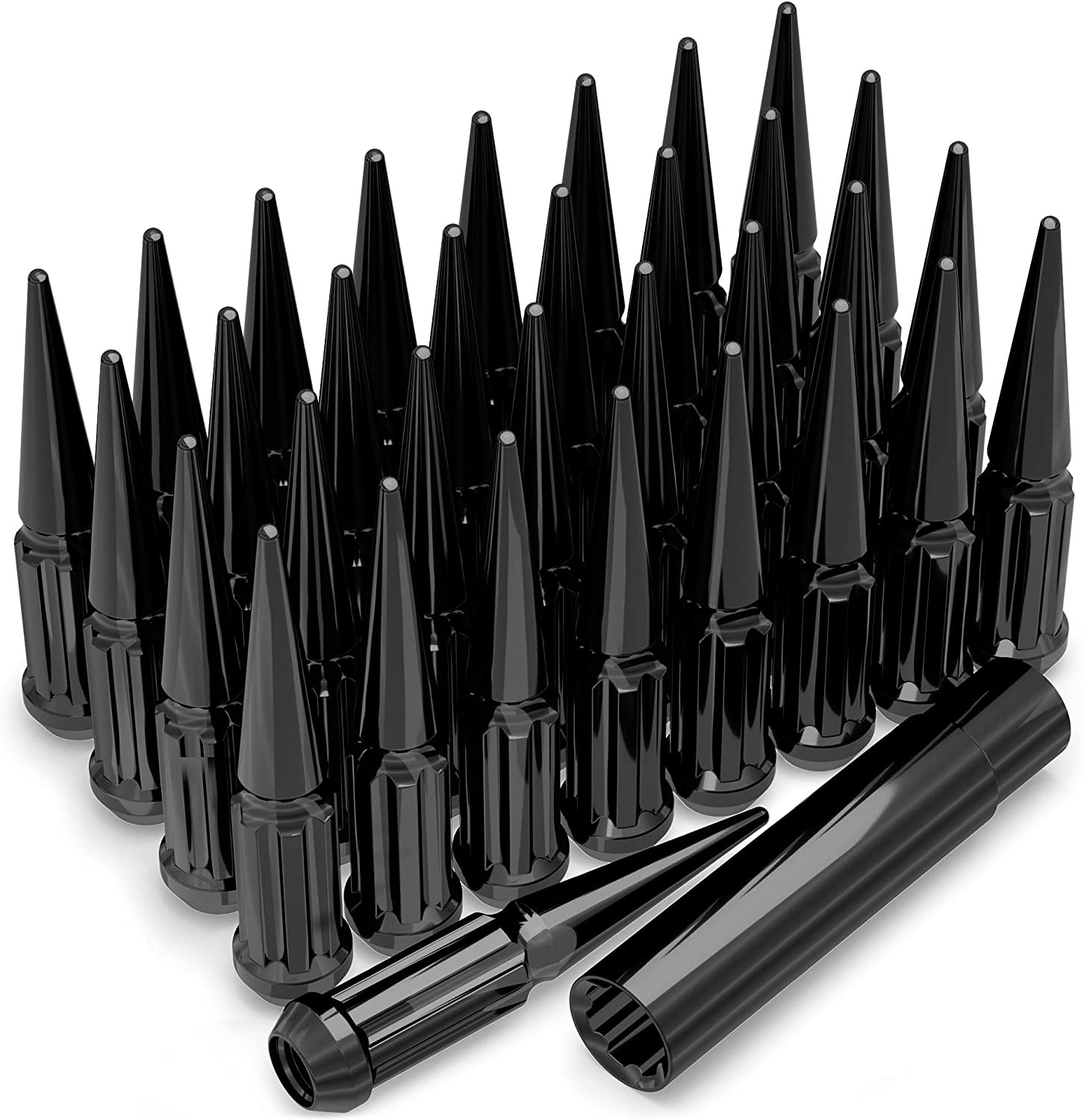
- Match the wheel fastener requirements to the vehicle. The known thread size is M12 x 1.5, but seat type, nut style, length, and torque must also be confirmed.
- Check wheel offset and backspacing to avoid contact with brake components, suspension parts, fenders, and inner bodywork.
- Confirm tire load index, speed rating, overall diameter, and approved width range for the vehicle.
- Check spare-tire compatibility, TPMS requirements, and whether the replacement wheels accept the correct sensors.
Plus Sizing And Common Upgrades
Plus sizing changes the wheel diameter while maintaining a similar overall tire diameter through a lower aspect ratio. It can change ride comfort, steering response, tire cost, wheel vulnerability, and clearance. The calculator can show how a custom rim diameter, width, offset, section width, and aspect ratio compare with the installed setup, but it cannot replace a physical clearance inspection.
Changing offset moves the wheel inward or outward. A more outward position can increase fender contact risk, while a more inward position can reduce suspension and brake clearance. Increasing tire section width can create additional contact during steering or suspension compression. Do not select a combination solely because its calculated overall diameter appears similar.
The supplied data includes both a 17-inch rim value and an R16 tire rim value. Because that combination is not internally consistent as one tire and wheel package, confirm the intended OEM setup before using it as the baseline for plus sizing. Do not infer a compatible tire size or donor vehicle list from these values.
Installation Tips
Before installation, compare each new wheel with the old wheel and inspect the mounting face, center bore, bolt holes, and spoke area. Test-fit one front wheel and one rear wheel, if applicable, with the vehicle safely supported. Rotate the wheel by hand and check clearance to the caliper, strut or suspension components, steering components, and inner fender. Check clearance again with the steering at full lock and after the suspension is loaded.
Use only the correct wheel nuts or bolts for the wheel’s seat design and the vehicle’s M12 x 1.5 specification. Clean rust and debris from the hub face, seat the wheel fully, and tighten fasteners in a crisscross pattern. Torque them to the vehicle or wheel manufacturer’s specified value, not to an assumed universal setting. Recheck torque after the manufacturer’s recommended distance and inspect for vibration, rubbing, or uneven tire wear.
After installation, confirm that the tires are inflated to the vehicle placard recommendation, reset or relearn TPMS as required, and have alignment checked if the steering wheel is off-center or the vehicle pulls.
Tools And Helpful Supplies
Useful supplies include a calibrated torque wrench, correctly sized socket, jack and approved jack stands, wheel chocks, a tire pressure gauge, a tread or clearance inspection tool, and a hub-bore measuring tool. A hub-centric ring may be needed only when the wheel’s center bore is larger than the hub and the ring is properly sized for the application.
For suitable workshop equipment, see automotive torque wrenches on Amazon and wheel and hub measuring tools on Amazon. Confirm tool specifications and use safe lifting practices. Never work beneath a vehicle supported only by a jack.
FAQs
Does a 6x120 wheel automatically fit a 2019 GMC Canyon?
No. The known bolt pattern is 6x120, but correct fitment also depends on center bore, offset, width, brake and suspension clearance, fastener compatibility, load rating, and tire size.
What is the known center bore for this 2019 GMC Canyon fitment?
The supplied center bore is 66.9 mm. Verify the exact hub and wheel dimensions before ordering. A wheel bore smaller than the hub will not fit, and a larger bore may need a properly sized hub-centric ring.
What thread size is listed for the wheel fasteners?
The known thread size is M12 x 1.5. Thread size alone does not confirm the correct nut, bolt, seat type, fastener length, or torque. Confirm those details with GMC documentation and the wheel manufacturer.
Why do the listed rim and tire diameters appear different?
The supplied data lists a 17-inch rim diameter and an R16 tire rim diameter. Those values should not be assumed to represent one matched package. Check the tire sidewall, wheel markings, door-jamb label, and OEM records to identify the correct trim-specific setup.
Can I use the calculator to approve a wheel purchase?
The calculator is useful for comparing donor and custom dimensions, including rim diameter, width, offset, tire section width, and aspect ratio. It is not a final approval because it cannot verify every brake, spoke, suspension, fender, load, TPMS, or fastener requirement.
What should I verify with an OEM source?
Verify the exact vehicle trim and axle configuration, approved wheel and tire sizes, load ratings, fastener specifications, torque, TPMS requirements, and any restrictions on replacement wheels. Use the vehicle placard, owner’s manual, GMC parts information, or a qualified GMC dealer.
Should I test-fit replacement wheels before mounting tires?
Yes, when possible. A test fit can reveal hub, brake, spoke, suspension, and fender clearance problems before tire mounting. The vehicle must be securely supported, and final clearance should be checked with steering movement and suspension loaded.