2018 GMC Canyon Wheel Interchange and Fitment Guide
Use this guide to compare wheel and tire dimensions for a 2018 GMC Canyon. The specifications below are the known values supplied for this page. Fitment can vary by trim, drivetrain, brake package, factory equipment, and wheel or tire configuration, so confirm the vehicle-specific information before purchasing.
Known OEM Fitment For 2018 GMC Canyon
The following measurements are known for the 2018 GMC Canyon data provided. They describe wheel and tire attributes separately and should not be treated as proof that every listed wheel and tire dimension was originally installed together.
| Specification |
Known value |
| Bolt pattern, studs x PCD |
6x120 |
| Center bore |
66.9 mm |
| Thread size |
M12 x 1.5 |
| Rim diameter |
17 inches |
| Rim width |
8.0 inches |
| Wheel offset |
ET 33 mm |
| Backspacing |
5.3 inches |
| Tire section width |
265 mm |
| Tire aspect ratio |
70 percent |
| Tire rim diameter |
R16 |
There is an apparent diameter difference in the supplied data: the wheel entry is 17 inches, while the tire entry specifies a 16-inch rim diameter. A tire marked with R16 is designed for a 16-inch wheel and cannot be mounted on a 17-inch wheel. Check the tire sidewall, wheel stamp, vehicle door-jamb label, owner documentation, and VIN-specific OEM information to determine which configuration applies to your Canyon.
The 6x120 bolt pattern, 66.9 mm center bore, M12 x 1.5 thread size, wheel offset, and brake clearance must also be confirmed before installation. A wheel can have the correct bolt pattern and still fail to clear the brake components, hub, suspension, or fender.
How To Use The Wheel Interchange Calculator
Use the calculator to compare a donor vehicle's wheels with the wheels you plan to install on your 2018 GMC Canyon. Begin with the donor vehicle's wheel information, then enter the Canyon as the vehicle receiving the wheels when that option is available.
- Enter or select the donor vehicle under “Wheels from (donor vehicle).”
- Enter the 2018 GMC Canyon under “Installed on (your vehicle).”
- Compare bolt pattern, center bore, wheel diameter, width, offset, and tire dimensions.
- Use “Custom wheel size” to enter a specific rim diameter, width, and offset when the donor vehicle is not an exact match.
- Use “Custom tire size” to enter section width and aspect ratio for the proposed tire.
- Review the calculated diameter and clearance comparison. Changing rim diameter updates the tire diameter shown in the comparison.
The calculator is a screening tool, not a substitute for a physical test fit or OEM confirmation. It may not account for every brake caliper shape, suspension modification, hub variation, tire brand difference, load rating, or fender clearance condition.
Fitment Checklist Before You Buy
- Confirm the bolt pattern is 6x120 and verify that the wheel's lug holes are designed for the correct fastener seat.
- Confirm the wheel center bore is 66.9 mm or larger. A larger bore may require properly sized hub-centric rings, while a smaller bore will not fit over the hub.
- Confirm the wheel offset and backspacing against the calculator and the vehicle's current wheel.
- Verify the wheel diameter and tire rim diameter match. Do not mount an R16 tire on a 17-inch wheel.
- Check wheel width, tire load index, speed rating, and maximum load against the vehicle placard and OEM requirements.
- Measure brake caliper clearance, inner barrel clearance, strut clearance, and fender clearance. Spoke clearance can differ even between wheels with the same diameter and offset.
- Inspect used wheels for cracks, bends, repaired areas, corrosion, damaged lug seats, and distorted bolt holes.
- Confirm TPMS sensor compatibility and make sure the sensors can be programmed to the vehicle after installation.
- Check the vehicle door-jamb label, owner's manual, VIN-specific parts information, and the wheel manufacturer's fitment documentation.
Plus Sizing And Common Upgrades
Plus sizing changes the wheel diameter while maintaining a similar overall tire diameter by using a shorter tire sidewall. The calculator can help compare custom rim diameter, width, and offset with a proposed tire size, but the result must still be checked against the tire manufacturer's approved rim-width range and the Canyon's required load capacity.
Changing wheel width or offset can move the inner edge closer to suspension parts and move the outer edge closer to the fender. A lower offset generally places more of the wheel outward, while a higher offset generally places it farther inward, but the exact clearance also depends on wheel spoke shape and barrel design.
Do not assume that a larger wheel, wider tire, spacer, or different offset is safe because it fits the bolt pattern. Confirm rolling diameter, speedometer effects, steering clearance, suspension travel, body clearance, brake clearance, and load ratings. Tire diameter information in the calculator may change when rim diameter changes, so review the complete comparison after every adjustment.
Installation Tips
- Install only wheels and tires that are confirmed for the vehicle, brakes, hub, and tire load requirements.
- Clean the hub mounting surface and the wheel's mating surface before installation. Remove rust and debris without damaging the hub.
- Hand-start every lug fastener to avoid cross-threading. Do not use an impact tool to force a damaged or mismatched fastener.
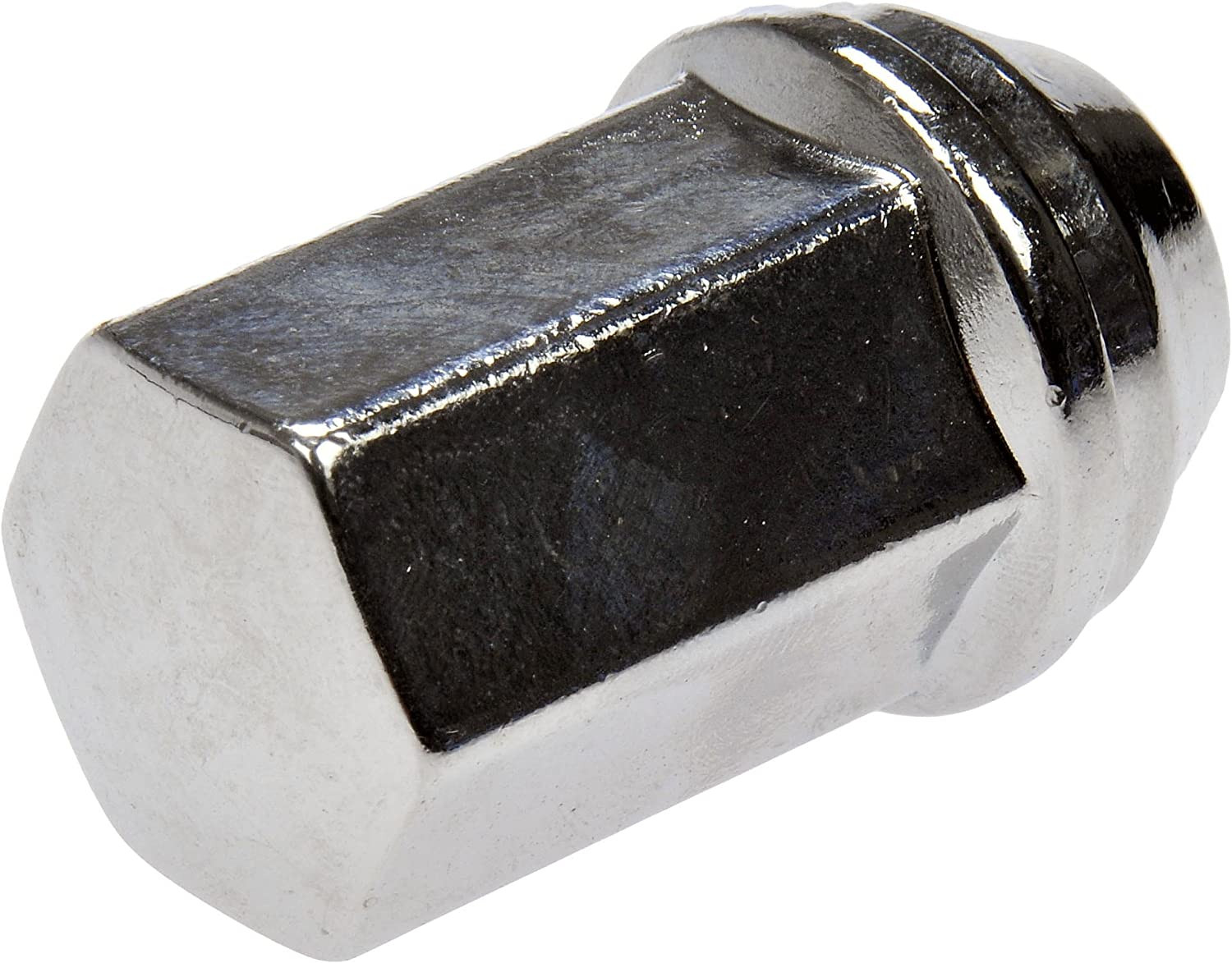
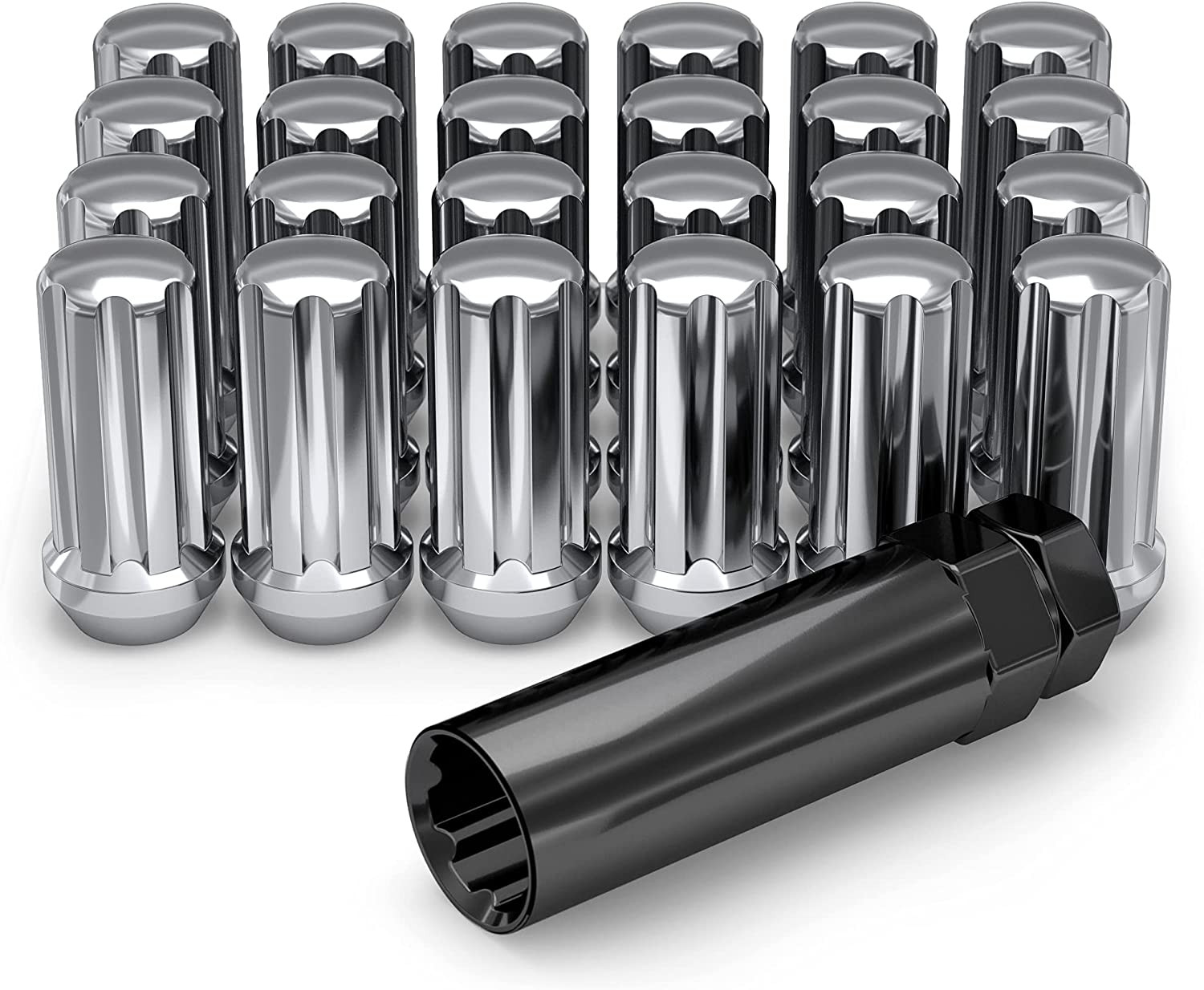
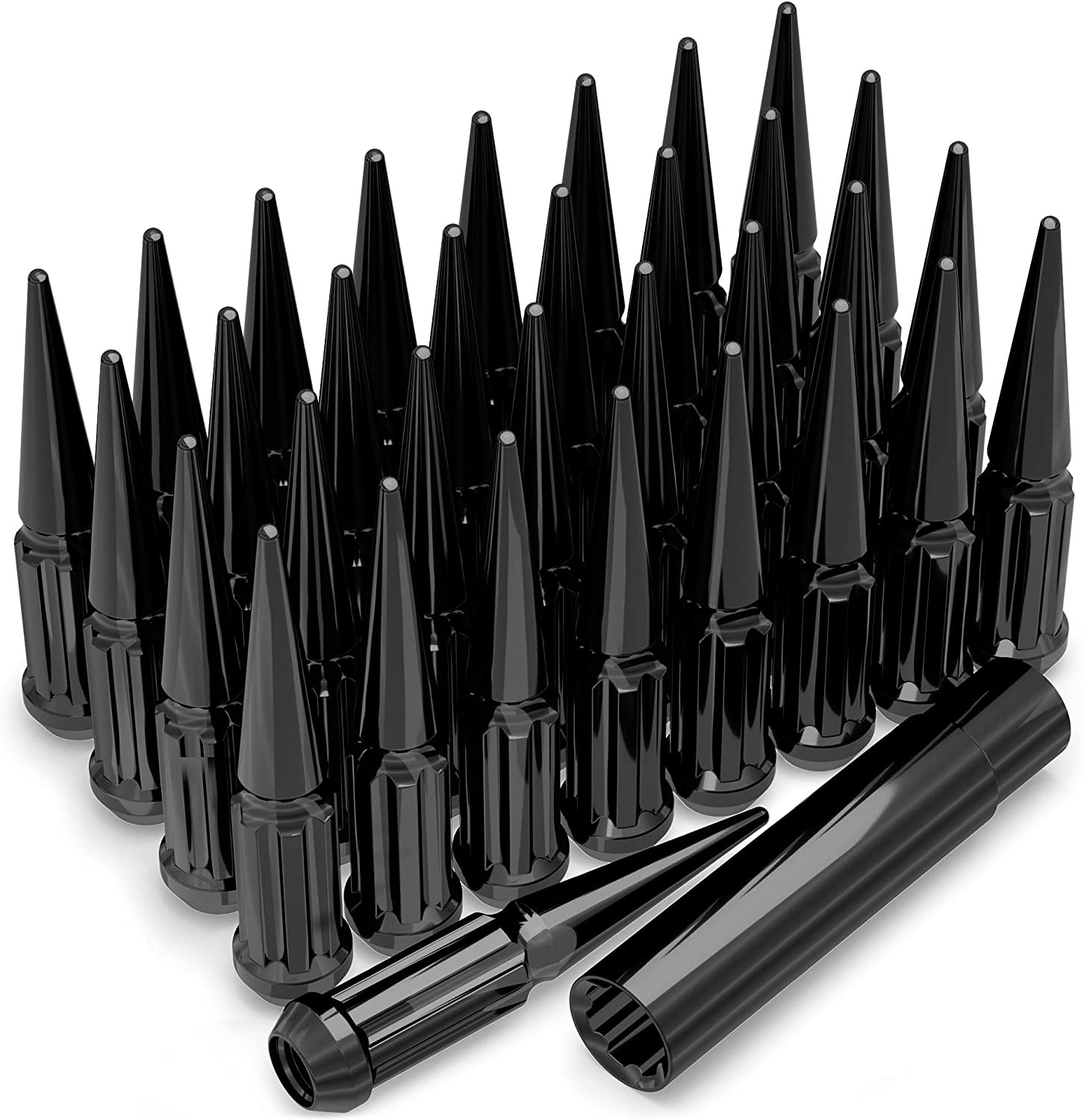
- Use the correct M12 x 1.5 fasteners only when their seat type and length match the wheel manufacturer’s requirements.
- Torque lug fasteners in the manufacturer's specified sequence and to the vehicle or wheel manufacturer's specified value. Do not guess the torque value.
- After lowering the vehicle, recheck torque with a calibrated torque wrench. Recheck it after the break-in distance specified by the vehicle or wheel manufacturer and after any wheel removal.
- Check tire pressure using the vehicle door-jamb label as the starting reference, then complete TPMS relearn or programming as required.
- Turn the steering fully left and right and inspect for contact. Also check clearance at normal ride height and with suspension compression before road use.
- Stop immediately if there is vibration, rubbing, pulling, air loss, or unusual noise, and inspect the installation.
Tools And Helpful Supplies
Basic installation equipment can help with inspection and safe wheel service, but tools do not replace correct fitment data or professional verification.
- Automotive torque wrench for tightening lug fasteners to the documented specification.
- Automotive tire pressure gauge for checking cold tire pressure before driving.
- Socket and breaker-bar equipment that matches the installed lug fasteners.
- Wheel chocks and a properly rated jack and jack stands for supported vehicle service.
- Hub-cleaning supplies and a small measuring tool for checking hub, wheel, and clearance dimensions.
- TPMS service equipment or access to a tire shop for sensor programming when required.
FAQs
What is the bolt pattern listed for the 2018 GMC Canyon?
The supplied bolt pattern is 6x120, meaning six fasteners are positioned on a 120 mm pitch circle diameter. Confirm the pattern on the wheel and with VIN-specific OEM information before purchase.
What center bore is listed for this GMC Canyon?
The supplied center bore is 66.9 mm. A wheel with a smaller center bore will not fit over the hub. A larger bore may need correctly sized hub-centric rings, subject to the wheel manufacturer's instructions.
Can an R16 tire be installed on the listed 17-inch wheel?
No. An R16 tire is designed for a 16-inch rim, while the supplied wheel entry is 17 inches. This apparent mismatch must be resolved by checking the actual wheel marking, tire sidewall, door-jamb label, and VIN-specific OEM records.
Does a 6x120 wheel automatically fit the Canyon?
No. Bolt pattern is only one part of fitment. Center bore, offset, width, backspacing, lug seat, brake clearance, suspension clearance, tire size, load rating, and fender clearance must also be verified.
How can I compare a custom wheel with the calculator?
Use the custom wheel fields to enter rim diameter, rim width, and offset. Enter the proposed tire section width and aspect ratio in the custom tire fields. Review the complete comparison after each change because changing rim diameter updates the tire diameter shown by the calculator.
What thread size is listed for the wheel fasteners?
The supplied thread size is M12 x 1.5. Thread size alone does not identify the correct lug nut. The fastener seat type, shank or thread engagement, and wheel manufacturer requirements must also match.
Where should I confirm the final tire size and pressure?
Use the vehicle's door-jamb certification label and owner's manual for the required tire size, load information, and cold inflation pressure. Also verify the wheel manufacturer's specifications and confirm any trim or drivetrain differences through OEM or VIN-specific parts information.