2021 GMC Canyon Wheel Fitment and Interchange Guide
Known OEM Fitment For 2021 GMC Canyon
The following specifications are the known fitment data provided for the 2021 GMC Canyon. They may vary by trim, package, drivetrain, or factory wheel and tire combination. Confirm the information against the vehicle door-jamb label, the owner’s manual, the original wheel markings, and GMC service information before purchasing wheels or tires.
| Specification |
Known value |
| Bolt pattern |
6x120 |
| Center bore |
66.9 mm |
| Thread size |
M14 x 1.5 |
| Rim diameter |
17 inches |
| Rim width |
8.0 inches |
| Wheel offset |
ET33, or 33 mm |
| Backspacing |
5.3 inches |
| Tire section width |
265 mm |
| Tire aspect ratio |
60 percent |
| Tire rim diameter |
R18 |
There is an apparent diameter mismatch in the supplied data: the listed rim diameter is 17 inches, while the listed tire format ends in R18, which indicates an 18-inch rim. These values should not be treated as one confirmed wheel and tire package. Verify the actual tire sidewall and wheel markings on your Canyon, then enter the correct dimensions in the calculator.
Matching the 6x120 bolt pattern alone is not enough. Wheel center bore, offset, width, brake clearance, load rating, tire size, and lug hardware must also be suitable.
How To Use The Wheel Interchange Calculator
Use the calculator to compare Wheels from (donor vehicle) with Installed on (your vehicle). Enter the known specifications for the donor wheel and the 2021 GMC Canyon values in the appropriate fields. The comparison can help identify changes in diameter, width, offset, backspacing, and tire dimensions, but it does not replace a physical test fit or confirmation of brake and suspension clearance.
When testing a custom setup, adjust the custom wheel size for rim diameter, rim width, and offset. Then adjust the custom tire size for section width and aspect ratio. Changing rim diameter updates the tire diameter in the comparison, so review the resulting clearance and speedometer-related differences before making a decision.
Because the supplied Canyon data includes both 17-inch and 18-inch references, use the calculator with the verified wheel and tire combination from your vehicle. Do not assume that a calculated match is factory-approved unless an OEM source confirms it.
Fitment Checklist Before You Buy
Confirm the following items before ordering wheels or tires:
- Verify the vehicle’s exact trim, drivetrain, brake package, and factory tire placard.
- Confirm a 6x120 bolt pattern and check that the wheel’s mounting holes are designed for the correct M14 x 1.5 hardware.
- Check that the wheel center bore is 66.9 mm or larger. A larger bore may require correctly sized hub-centric rings, while a smaller bore will not fit over the hub.
- Compare wheel width and offset with the calculator, then check inner clearance to the brake caliper, strut, control arms, and suspension components.
- Check outer clearance at the fender, liner, bumper edges, and mud flaps with the steering turned fully in both directions.
- Confirm the wheel load rating meets or exceeds the vehicle requirement.
- Make sure the tire is approved for the selected rim width and has adequate load and speed ratings.
- Inspect used wheels for cracks, bends, corrosion around the bead seat, damaged lug seats, and repaired areas.
- Verify tire diameter and circumference against the original setup. Large changes can affect clearance, gearing, speedometer readings, and vehicle systems.
Ask the wheel manufacturer for a brake-clearance template when available. A tire shop or GMC dealer can also confirm whether a specific wheel clears the brakes on the exact vehicle.
Plus Sizing And Common Upgrades
Plus sizing changes the wheel diameter while using a lower-profile tire to keep overall tire diameter reasonably close to the original. It can improve steering response and alter appearance, but it may also reduce sidewall cushioning and increase the risk of wheel or tire damage from potholes.
Do not select a plus-size package from diameter alone. Compare section width, aspect ratio, wheel width, offset, load rating, and actual tire diameter in the calculator. The supplied 17-inch wheel figure and R18 tire figure must first be reconciled using the vehicle’s tire label and the markings on the current components.
Increasing wheel width or reducing offset generally moves the wheel farther outward and may also affect inner clearance. Increasing offset generally moves the wheel inward. The exact result depends on the original wheel dimensions, so review both the inner and outer position changes in the calculator.
Any replacement tire should have a load rating suitable for the Canyon and should be installed only on a rim approved for that tire size. Avoid mixing substantially different tire sizes or tread types on the same vehicle unless the vehicle manufacturer and tire manufacturer permit it.
Installation Tips
Clean the hub face and wheel mounting surface before installation. Rust, dirt, or paint buildup can prevent the wheel from seating correctly and can contribute to lug loosening. Never use spacers, adapters, or modified lug hardware unless they are specifically engineered and approved for the application.
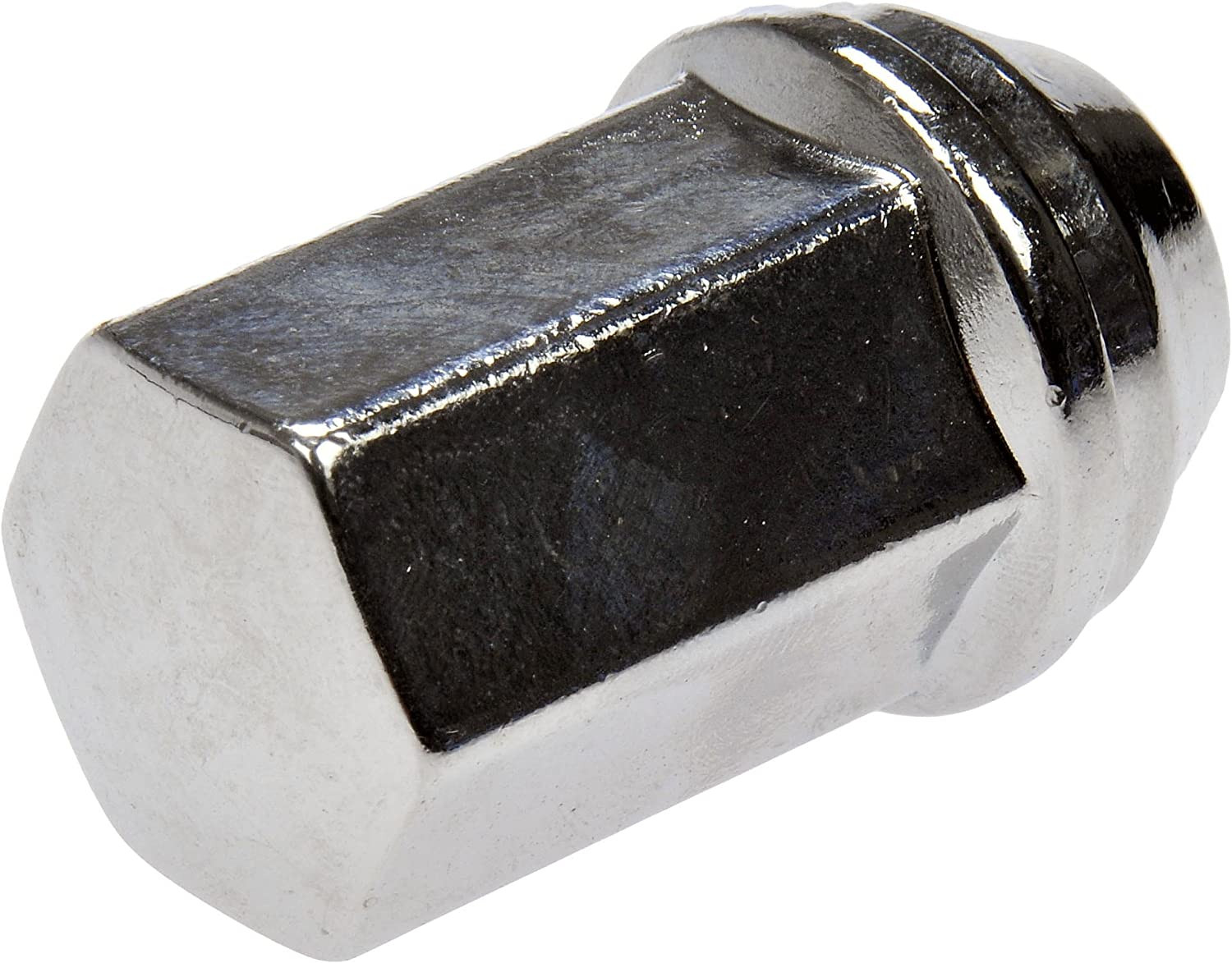
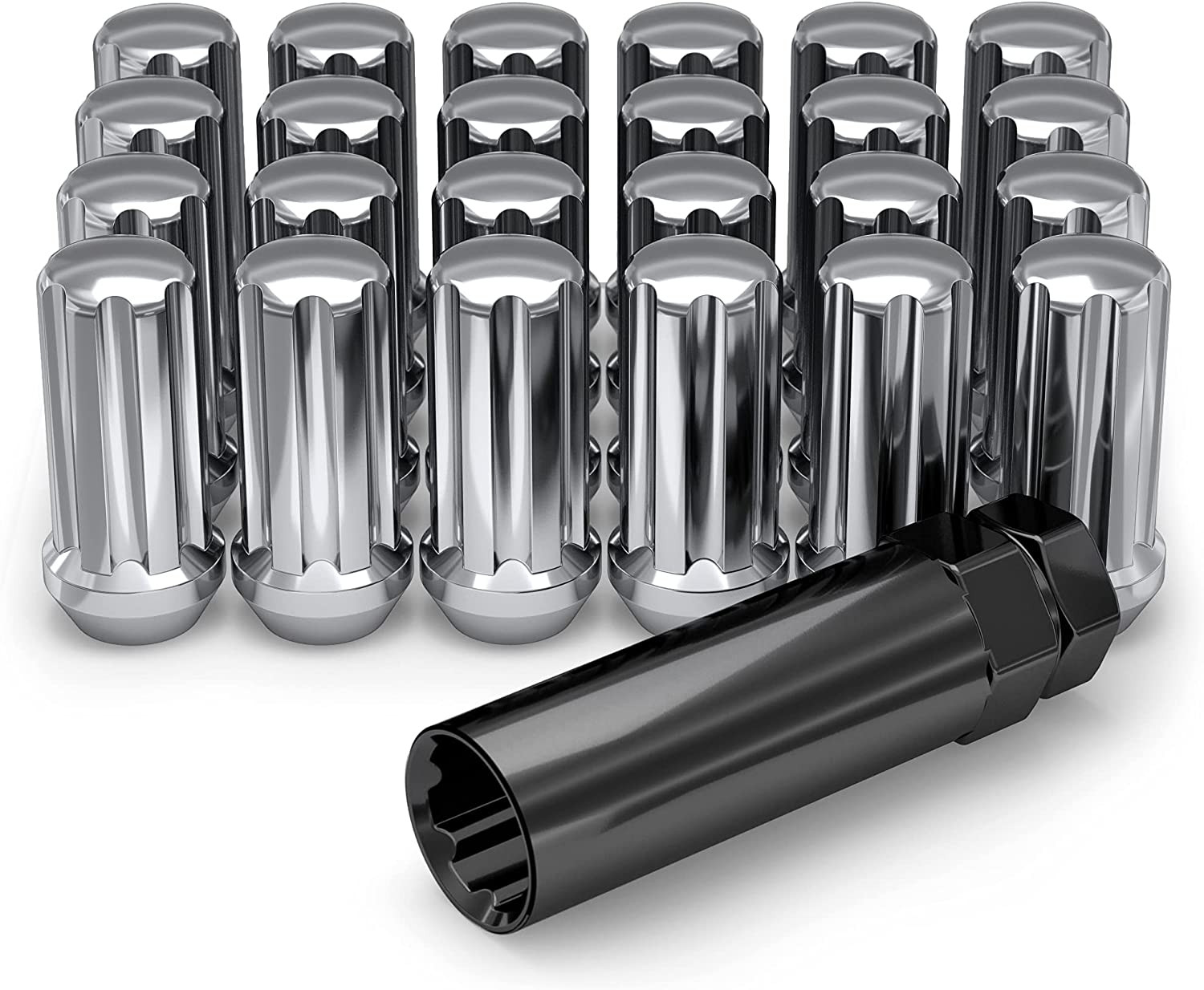
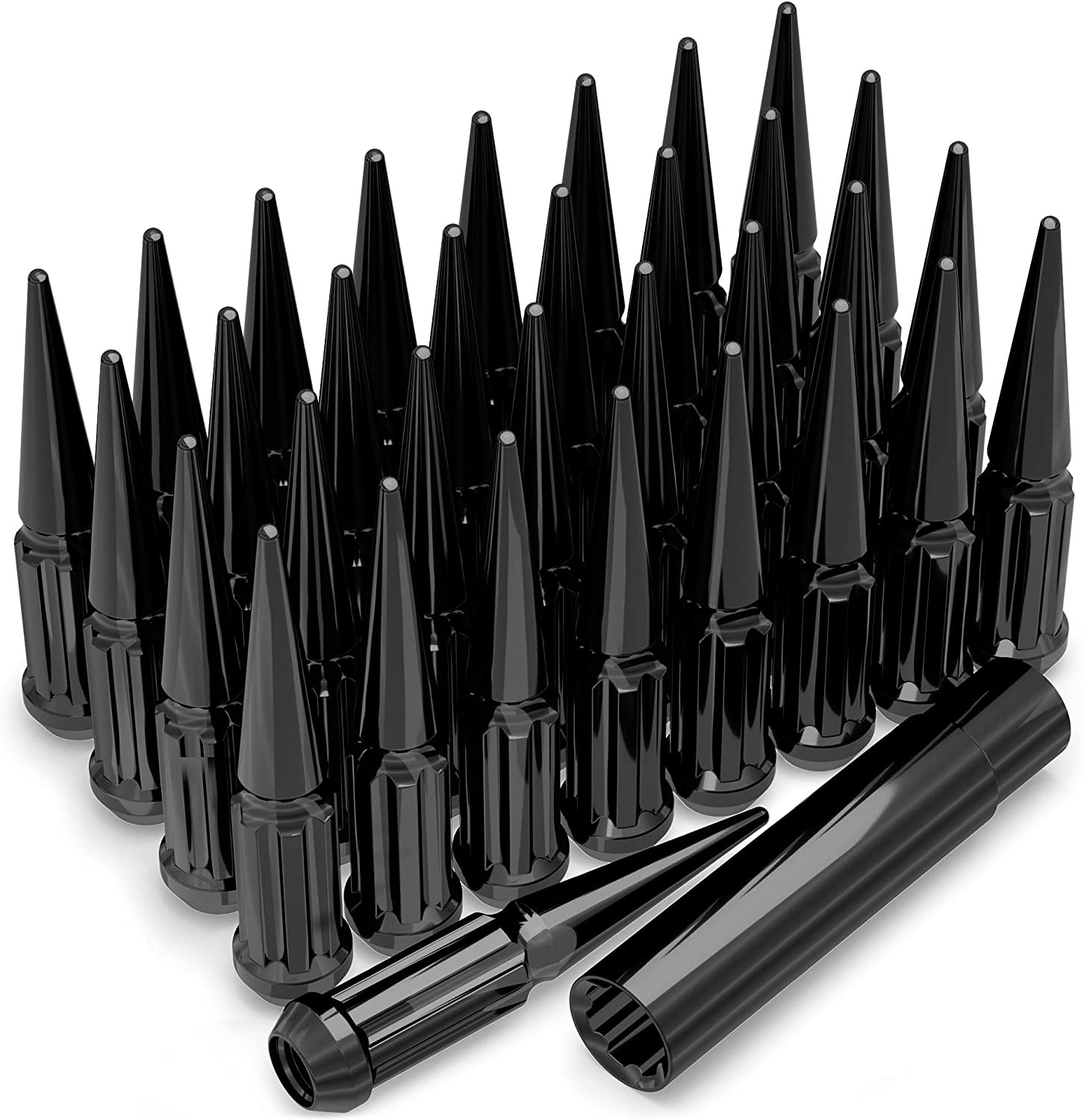
Use the correct lug nuts for the wheel’s seat type, thread size, and seat depth. M14 x 1.5 describes the thread, but it does not by itself identify the correct lug-nut seat or length.
Hand-start every lug nut to avoid cross-threading. Tighten the lugs in a star pattern, lower the vehicle until the tire is just touching the ground, and torque the hardware to the vehicle or wheel manufacturer’s specified value. Do not guess the torque specification.
After installation, rotate the steering from lock to lock and inspect for contact. Check clearance with the suspension loaded, and perform a short, low-speed test drive before normal use. Recheck lug torque after the interval specified by the wheel manufacturer or installer, especially after installing aftermarket wheels.
Check tire pressure using the vehicle placard, not the maximum pressure molded into the tire sidewall. If the vehicle has a tire pressure monitoring system, confirm that the sensors are compatible, installed correctly, and relearned according to the owner’s manual.
Tools And Helpful Supplies
Useful equipment for a careful wheel fitment check includes a torque wrench, jack and approved jack stands, a lug socket, a tire-pressure gauge, a straightedge or clearance gauge, and a tread or depth inspection tool. Use the manufacturer’s lifting points and support the vehicle securely. A torque wrench can be found through Amazon automotive torque wrench search results.
A hub-cleaning brush and suitable wheel-safe cleaning supplies can help remove corrosion from the mounting surface. If the wheel bore is larger than the vehicle hub, use only properly sized, hub-centric rings recommended by the wheel manufacturer. Do not use rings to make a smaller wheel bore fit over a larger hub.
FAQs
Is the 2021 GMC Canyon bolt pattern 6x120?
That is the known bolt pattern supplied for this page. Confirm it for the exact trim and wheel package before ordering, because bolt pattern is only one part of fitment.
What center bore is listed for the 2021 GMC Canyon?
The supplied center bore is 66.9 mm. A replacement wheel with a smaller bore will not fit over the hub. A larger bore may require correctly sized hub-centric rings.
What lug thread size is listed?
The supplied thread size is M14 x 1.5. The correct lug nut must also match the wheel’s seat style and required engagement length.
Can I use any 6x120 wheel on a 2021 GMC Canyon?
No. A wheel must also have suitable center bore, offset, width, load rating, lug-seat compatibility, and brake and suspension clearance. Use the calculator for comparison, then verify the result with a physical test fit and OEM or manufacturer information.
Why does the fitment data show a 17-inch rim and an R18 tire?
Those entries indicate different rim diameters and should not be assumed to describe one complete factory package. Check the tire sidewall, wheel markings, door-jamb label, and owner’s manual to determine which size applies to your vehicle.
How do I compare a donor wheel with my Canyon?
Enter the donor specifications under Wheels from (donor vehicle) and the verified Canyon specifications under Installed on (your vehicle). Review diameter, width, offset, backspacing, tire size, and the calculated position changes. Physical clearance still needs to be confirmed.
Will changing wheel offset affect clearance?
Yes. Offset changes where the wheel sits relative to the hub, suspension, and fender. Use the custom wheel fields to compare offsets, then inspect both inner and outer clearance with the steering turned and the suspension loaded.
Do I need a new alignment after changing wheels or tires?
A wheel change does not automatically require an alignment, but an alignment inspection is sensible if the vehicle pulls, the steering wheel is off-center, tire wear changes, suspension parts were disturbed, or the new setup changes the contact position significantly.
Where can I confirm the final fitment?
Use the driver-door tire and loading label, owner’s manual, wheel and tire manufacturer documentation, and GMC service information. A qualified tire or wheel professional should verify brake clearance, hardware compatibility, load ratings, and installation torque for the exact vehicle.