2012 GMC Sierra 2500HD Wheel Fitment and Interchange
Known OEM Fitment For 2012 GMC Sierra 2500HD
The following specifications are the known fitment data provided for the 2012 GMC Sierra 2500HD. Equipment can vary by trim, package, wheel design, and market, so confirm the original wheel and tire information on the vehicle before ordering replacement parts.
| Specification |
Known value |
| Bolt pattern, studs x PCD |
8x180 |
| Center bore |
124.1 mm |
| Thread size |
M14 x 1.5 |
| Rim diameter |
20 inches |
| Rim width |
9.0 inches |
| Wheel offset |
ET35, or 35 mm |
| Backspacing |
5.88 inches |
| Tire section width |
275 mm |
| Tire aspect ratio |
55% |
| Tire rim diameter |
R20 |
These values describe the supplied fitment data, not a guarantee that every 2012 Sierra 2500HD has the same original equipment configuration. Check the driver-door tire label, the owner’s manual, the wheel markings, and GMC service information for your specific truck. Confirm load ratings, brake clearance, and tire requirements before installation.
How To Use The Wheel Interchange Calculator
Use the calculator to compare a potential donor vehicle with your 2012 GMC Sierra 2500HD. Select the donor vehicle under “Wheels from” and select the Sierra 2500HD under “Installed on.” Review the bolt pattern, center bore, wheel diameter, width, offset, and tire information shown in the comparison.
If you are testing a non-original wheel, use “Custom wheel size” to enter the rim diameter, rim width, and offset. Use “Custom tire size” to enter the tire section width and aspect ratio. Changing the rim diameter updates the tire diameter in the comparison, which helps you evaluate overall size changes before purchasing.
The calculator is a screening tool, not a substitute for physical inspection or OEM confirmation. A result that appears close still requires verification of wheel load capacity, brake and suspension clearance, hub fit, fastener seating, tire load index, and vehicle-specific restrictions.
Fitment Checklist Before You Buy
Compare every critical measurement instead of relying only on the vehicle name or model year.
- Confirm the 8x180 bolt pattern and verify that the wheel is manufactured for the correct stud and lug-hole arrangement.
- Compare the wheel center bore with the 124.1 mm hub specification. A wheel with a smaller bore will not fit over the hub.
- Check the wheel offset and backspacing. Differences can affect inner suspension clearance, outer fender clearance, steering travel, and tire rubbing.
- Verify the wheel width, diameter, load rating, and brake clearance for a heavy-duty pickup.
- Confirm that the tire size is approved for the wheel width and meets or exceeds the vehicle’s required load and speed ratings.
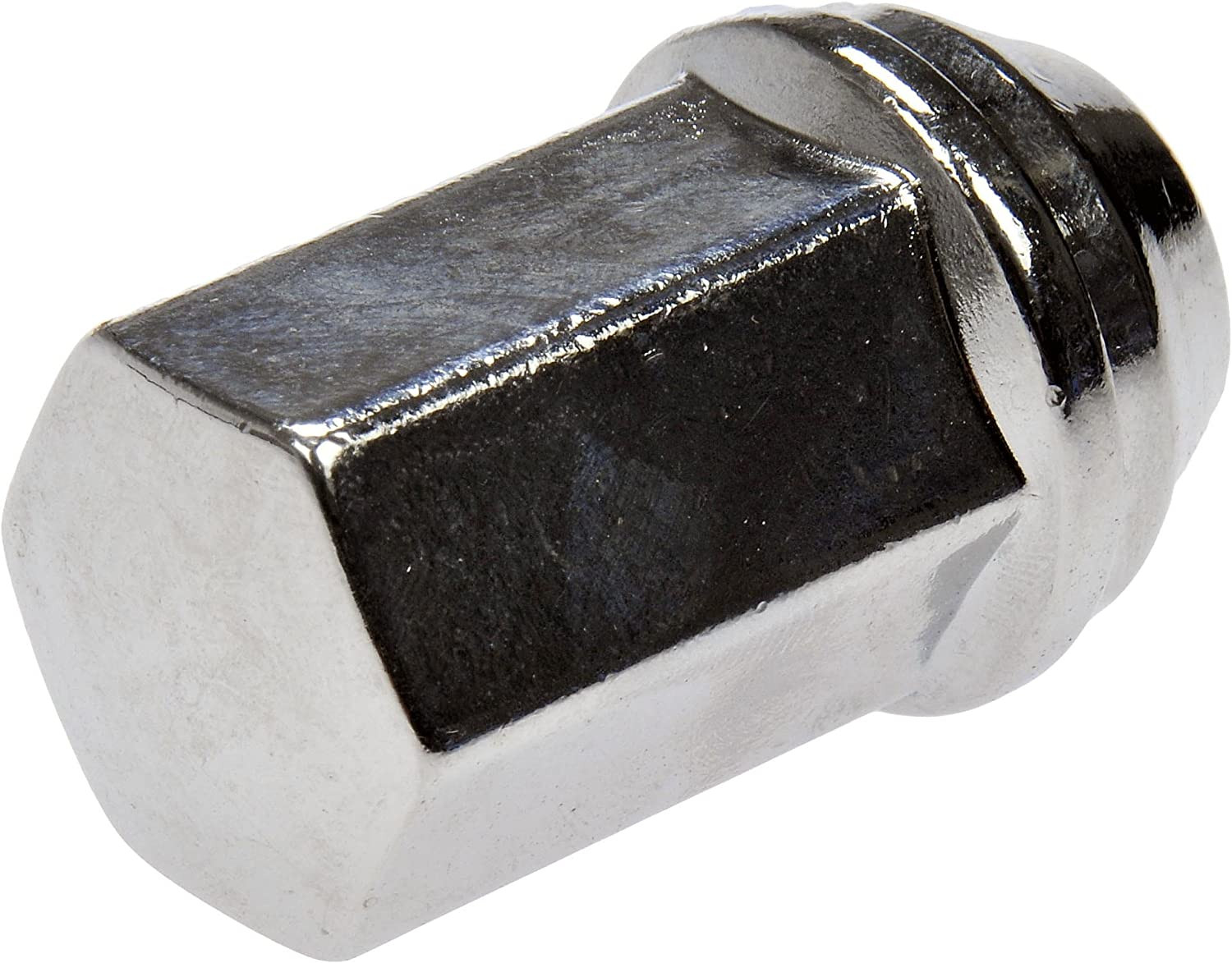
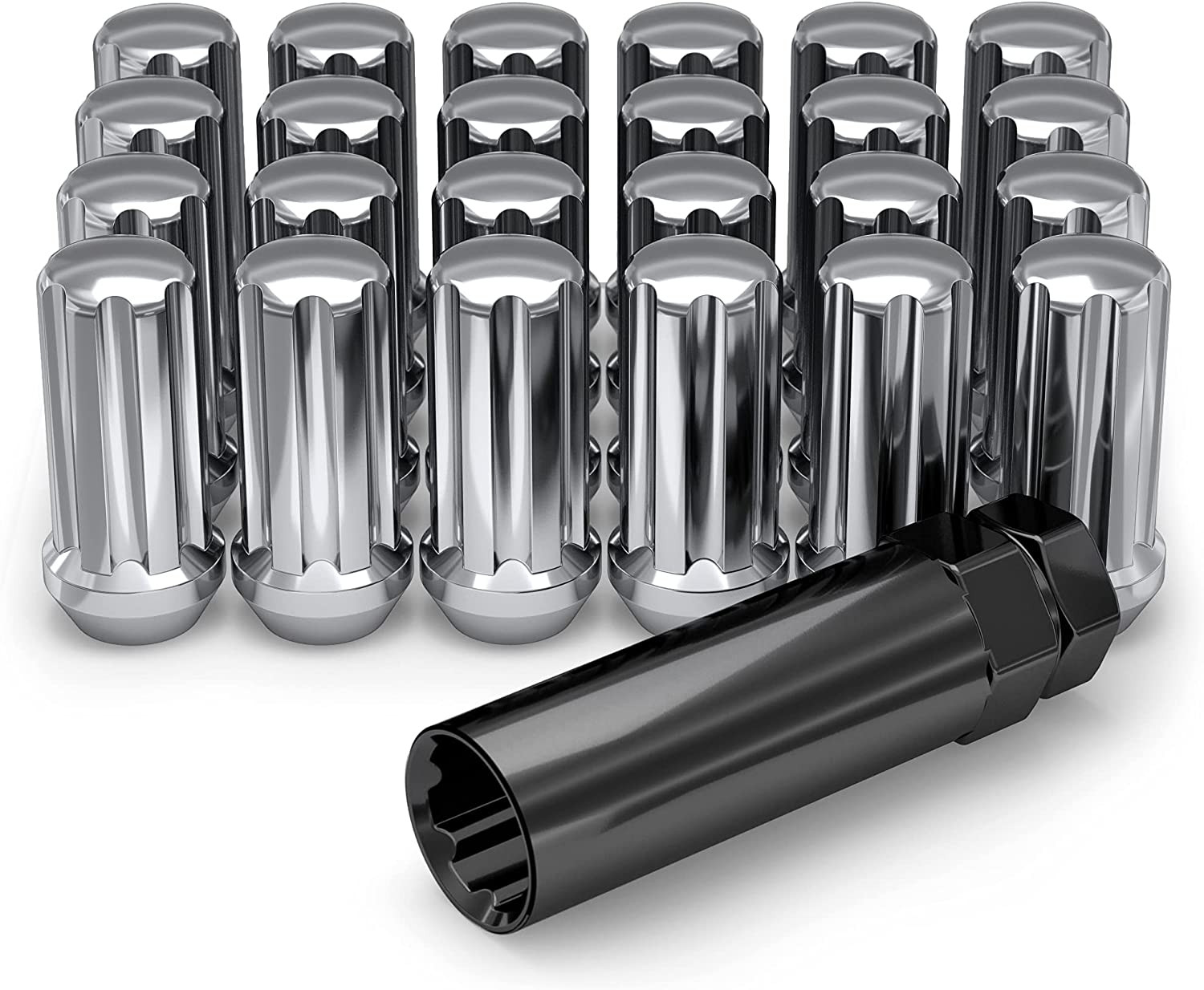
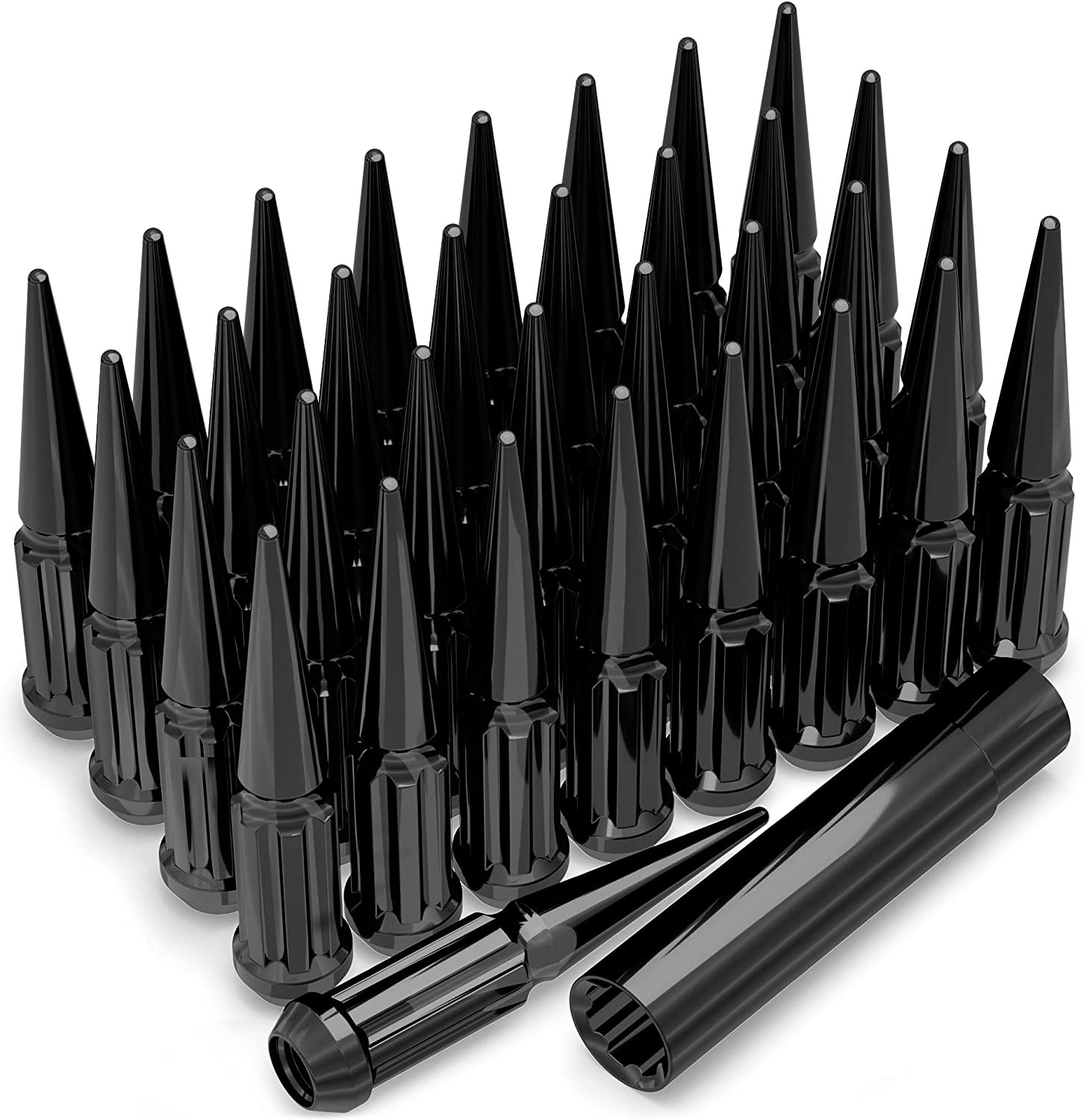
- Check lug-nut thread size, seat style, thread engagement, and compatibility with the wheel’s lug holes. The supplied thread size is M14 x 1.5, but seat style must be confirmed separately.
- Inspect used wheels for cracks, bends, corrosion around the bead seat, damaged lug holes, and repaired impact damage.
- After mounting, verify clearance at full steering lock and through the suspension’s usable travel before road use.
Plus Sizing And Common Upgrades
Plus sizing changes the relationship between wheel diameter, wheel width, tire sidewall, and overall tire diameter. The calculator lets you test custom rim diameter, width, offset, section width, and aspect ratio combinations, but no specific upgrade size should be treated as approved without vehicle-specific confirmation.
When changing from the supplied 20-inch configuration, compare the calculated tire diameter with the original reference and check speedometer behavior, clearance, load capacity, ride quality, and spare-tire compatibility. A larger wheel does not automatically provide more brake clearance, and a wider tire can contact suspension parts or bodywork even when the bolt pattern matches.
For a 2012 GMC Sierra 2500HD, prioritize the wheel and tire load rating and the complete installed clearance over appearance. Confirm the proposed combination with GMC documentation, the wheel manufacturer’s application data, and a qualified tire professional when the specifications differ from the known data above.
Installation Tips
Clean the hub face and wheel mounting surface before installation. Rust, paint buildup, dirt, or debris between the hub and wheel can create runout and prevent the wheel from seating correctly.
Install the correct lug nuts by hand first. Do not force a mismatched seat style or use impact tools to start the fasteners. Tighten in a star or crisscross pattern, then torque the lug nuts to the vehicle or wheel manufacturer’s specified value. The correct torque value is not provided here and should be confirmed in the GMC service information or the wheel manufacturer’s instructions.
After installation, rotate each wheel by hand where practical and check for contact with brake components, suspension parts, and bodywork. Lower the vehicle, recheck torque with a calibrated torque wrench, and inspect the installation again after the initial driving period according to the manufacturer’s instructions.
Do not use wheel spacers, adapters, or extended fasteners unless the exact parts are engineered and approved for this vehicle, wheel, hub, and load application. Improperly selected adapters or spacers can create serious wheel-retention and clearance hazards.
Tools And Helpful Supplies
Useful equipment includes a calibrated torque wrench, a suitable socket set, a jack and jack stands or an approved vehicle lift, a tire-pressure gauge, a wire brush for cleaning mounting surfaces, and a tread-depth or clearance-checking tool. Use jack stands or a lift rated for the truck’s weight, and follow safe lifting points from the owner’s manual.
Tool selection does not replace the need to confirm the correct torque specification, lifting procedure, wheel load rating, or fastener compatibility.
FAQs
What is the bolt pattern for the 2012 GMC Sierra 2500HD?
The supplied bolt pattern is 8x180, meaning eight studs on a 180 mm pitch circle diameter. Confirm the wheel markings and vehicle-specific documentation before purchase.
What is the center bore?
The known center bore is 124.1 mm. A replacement wheel must clear the hub, and its center-bore arrangement should be verified before installation. A larger bore may require an appropriately specified centering solution, while a smaller bore will not fit over the hub.
What wheel size is listed in the known fitment data?
The supplied wheel specification is a 20-inch diameter, 9.0-inch-wide wheel with ET35 offset and 5.88-inch backspacing. Trim and equipment variation should still be checked against OEM sources and the vehicle’s original wheel.
What tire size is listed?
The supplied tire data is 275 mm section width, a 55 percent aspect ratio, and an R20 rim diameter. The complete tire designation, load index, and speed rating are not provided here, so read the vehicle tire placard and tire manufacturer information before ordering.
Can wheels from another vehicle fit because they have the same bolt pattern?
Not necessarily. Bolt pattern is only one part of fitment. Center bore, offset, backspacing, wheel load rating, lug-seat design, brake clearance, tire size, and suspension or fender clearance must also match.
How do I compare a donor wheel with this truck?
Choose the donor vehicle under “Wheels from” and the 2012 GMC Sierra 2500HD under “Installed on.” Review all displayed measurements, then use the custom wheel and tire fields to test alternate dimensions. Physically verify clearance and confirm specifications with OEM and manufacturer sources before purchase.
Does changing rim diameter change tire diameter?
In the calculator, changing rim diameter updates the tire diameter in the comparison. The replacement tire must still be selected for the wheel width and must meet the truck’s load, clearance, and operating requirements.
What lug-nut thread size is listed?
The supplied thread size is M14 x 1.5. Lug-nut seat type, shank dimensions, thread engagement, and wheel-specific requirements are not provided, so verify them before installation.
Where should I confirm the final specifications?
Use the driver-door tire label, owner’s manual, GMC service information, markings on the original wheel, and the replacement wheel and tire manufacturer’s application data. If any source conflicts with the calculator, stop and resolve the discrepancy before buying or installing the parts.